Story audio is generated using AI
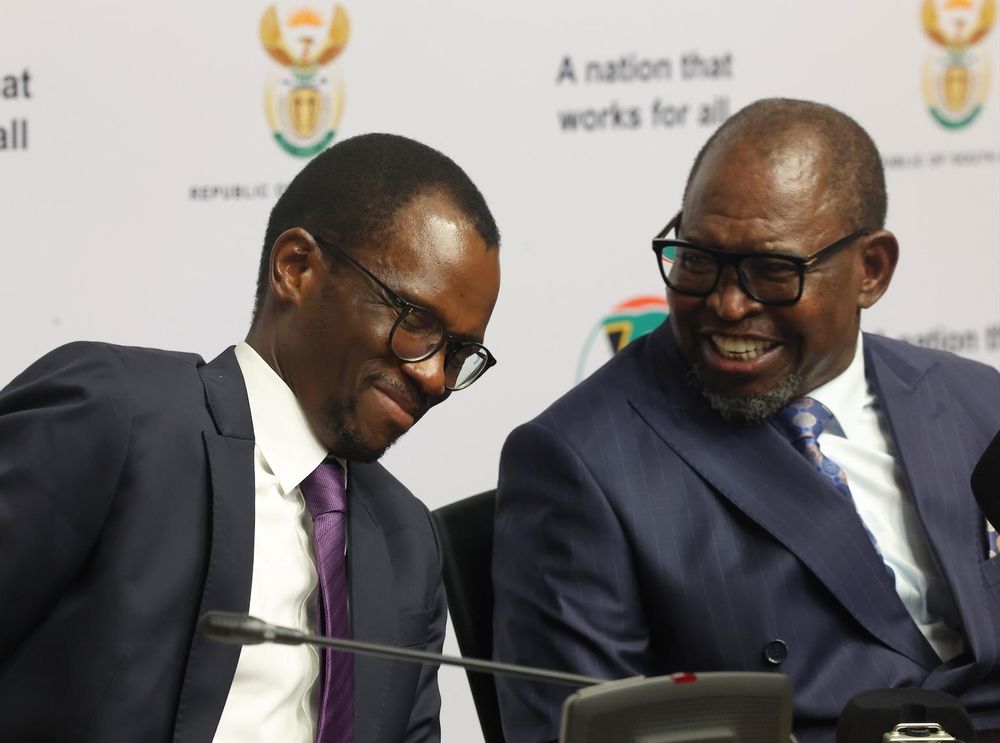
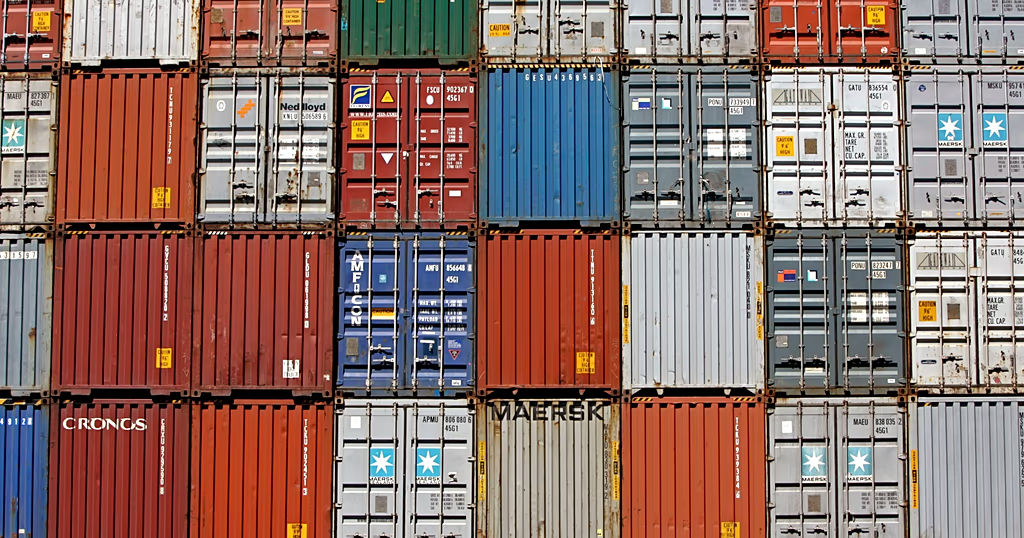
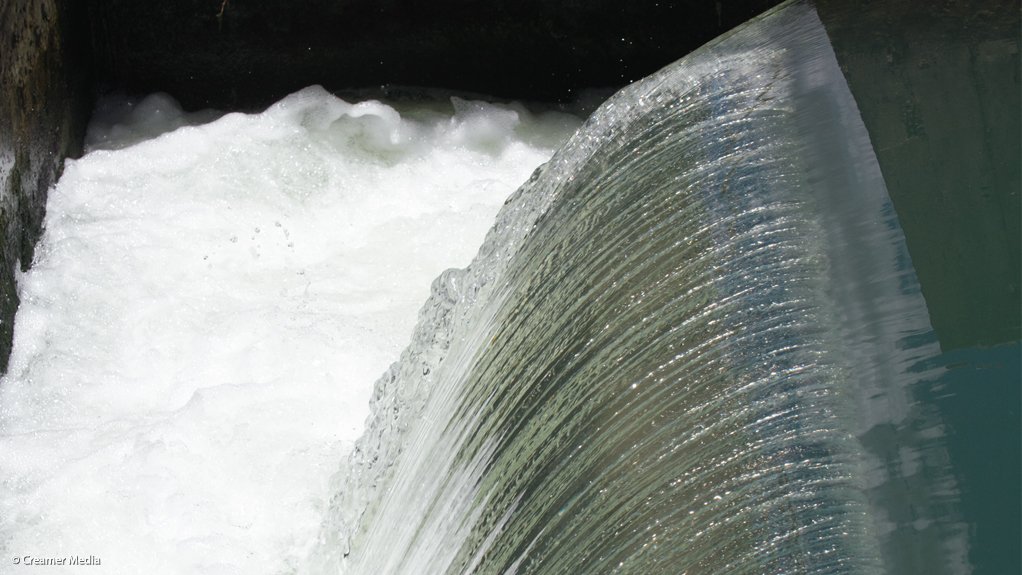
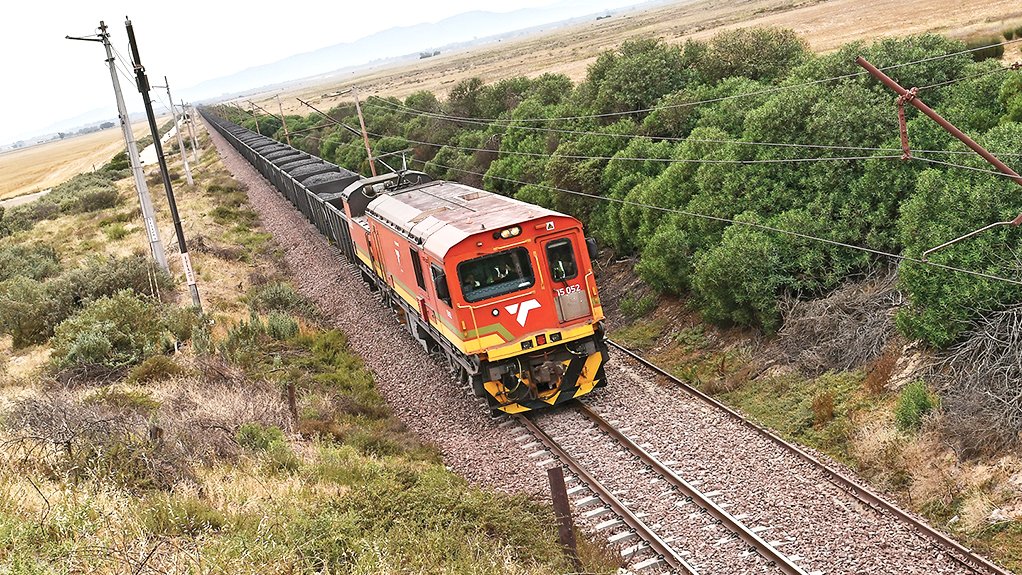
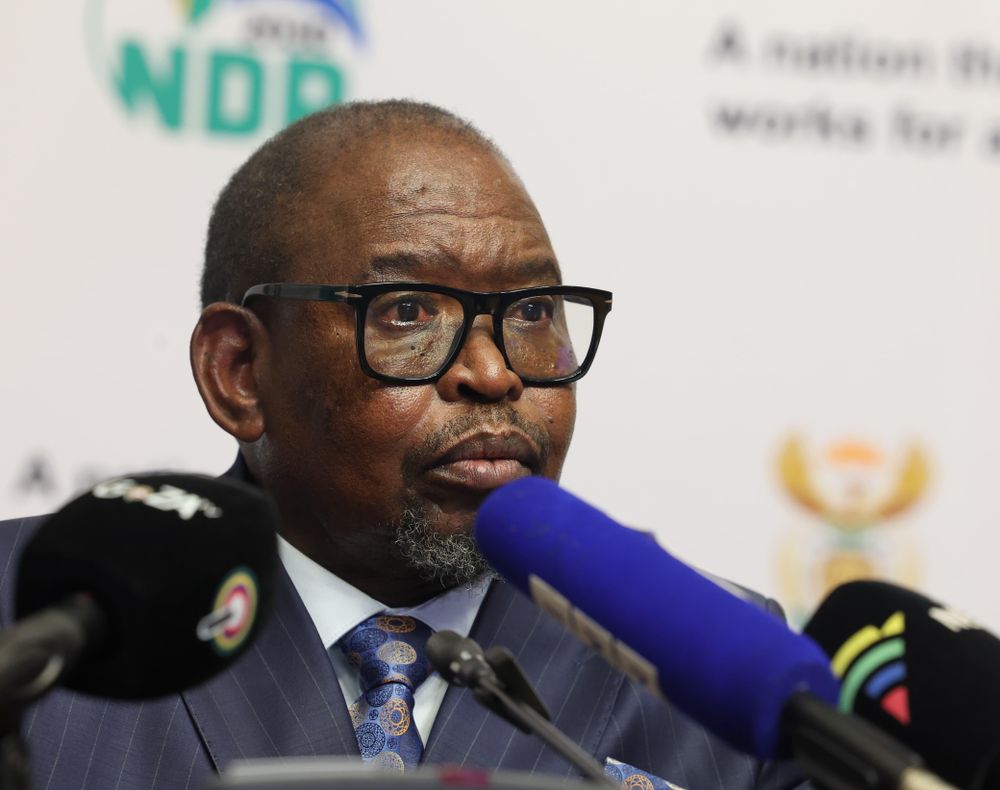
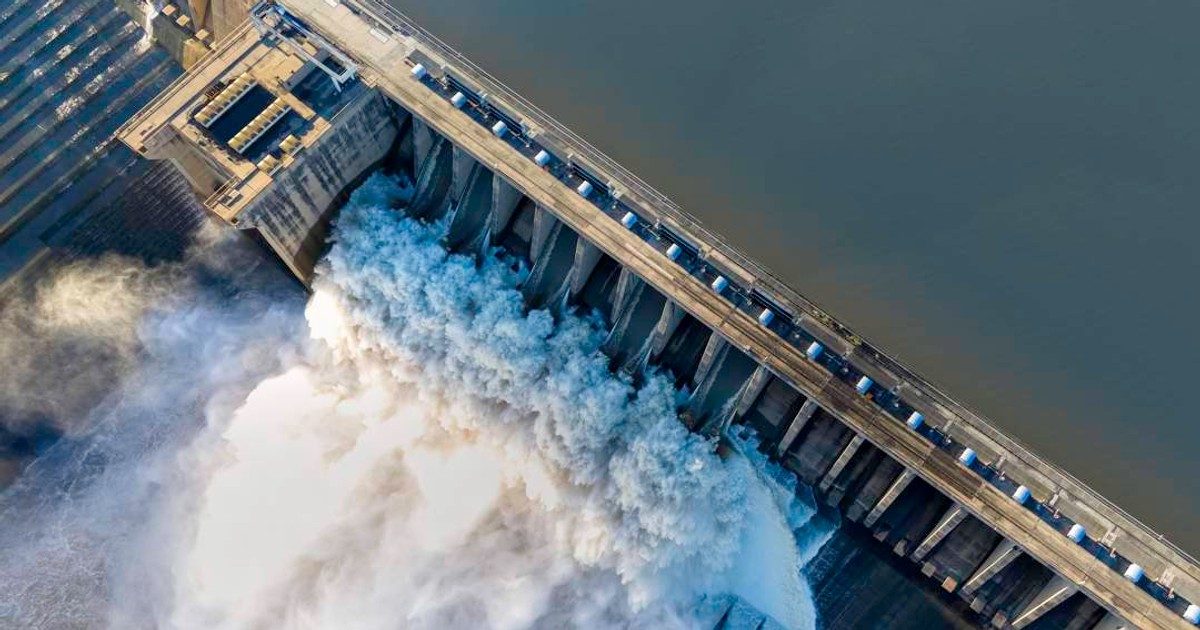
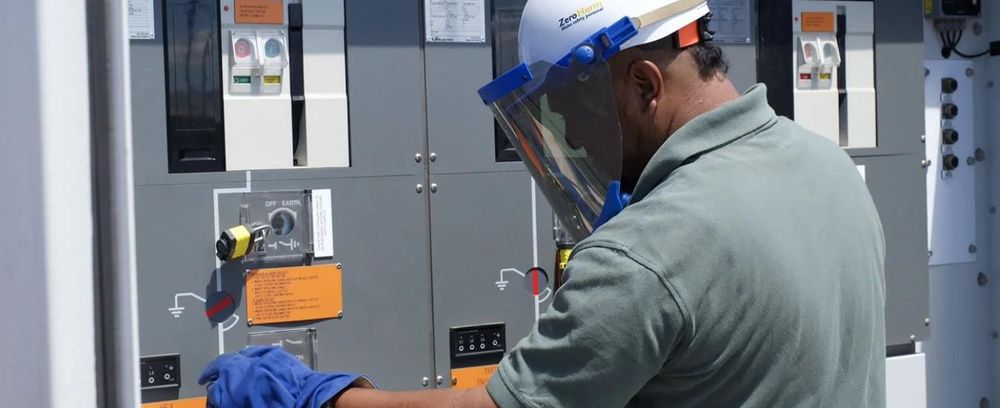
The International Bank for Reconstruction and Development (IBRD), the lending arm of the World Bank Group, has approved a new $1.5bn (about R25bn) loan to support South Africa’s infrastructure modernisation drive in a boost that will enable nearly 600,000 jobs.The National Treasury had previously signalled its preference for concessional loans from institutions such as the World Bank and the New Development Bank, which are much cheaper to service than market rates.In a statement issued on Monday, the World Bank said the latest loan — the fourth in a series of stand-alone development policy loans to South Africa since 2022 — will help to tackle long-standing bottlenecks in electricity, freight transport and water and sanitation services.The programme builds on reforms that are already showing results, with load-shedding virtually eliminated for a year-and-a-half, private investment in renewable energy increasing sixfold, and rail and port freight volumes rising by more than 50% since 2023, the development bank said.“South Africa has shown that sustained reform can turn around even deep-seated infrastructure crises,” said World Bank Group division director for South Africa Satu Kahkonen.“By extending this support to water and sanitation for the first time, we are helping ensure the benefits of reform reach every household, while these efforts together are expected to help create almost 600,000 jobs and attract much-needed private investment.”Most of the projected employment will come from reforms in the electricity and transport sectors, which together are expected to support the equivalent of about 280,000 jobs by 2027, rising to more than 560,000 by 2032.South Africa has shown that sustained reform can turn around even deep-seated infrastructure crises.— Satu Kahkonen, World Bank Group division director for South AfricaThe programme reflects the government’s determination to remove the infrastructure constraints that have long held back growth and job creation, said finance minister Enoch Godongwana.“Working with the World Bank Group, we are deepening reforms already delivering results in energy and transport, while for the first time tackling the governance and investment gaps in our water sector that affect millions of households, particularly the poorest,” he said.Key reforms supported by the operation include the launch of a competitive wholesale electricity market and scaled-up private investment in transmission, with a target of 300,000 new household electricity connections by December 2027.In freight transport, the programme supports competition among private rail operators and the country’s first-yet port terminal concession in Durban. In water and sanitation, it strengthens regulatory oversight, opens the door to private water service providers, and gives the newly established National Water Resources Infrastructure Agency greater autonomy to invest in bulk water infrastructure.The World Bank did not outline the technical details of the loan, and the National Treasury had not responded to a request for comment by the time of publication.However, last year, deputy finance minister David Masondo defended another $1.5bn development policy loan agreement with the World Bank, saying the funding was aligned with the National Treasury’s broader commitment to responsible and sustainable borrowing.In his February budget, Godongwana predicted South Africa’s gross government debt would stabilise at 78.9% of GDP in 2025/26, declining to 76.5% of GDP by 2028/29.In March the World Bank approved a new credit guarantee mechanism aimed at drawing private capital into the country’s strained electricity, logistics and water systems.Over the next decade, the Blended Finance Platform for Resilient Infrastructure Programme initiative is expected to mobilise about $10bn in investment from private investors, commercial lenders and institutional investors.The programme, which will be implemented by the National Treasury and includes $350m in financing from the IBRD, is projected to generate about 997,000 direct and indirect jobs while contributing to lower greenhouse gas emissions through investment in cleaner infrastructure.Update: July 20 2026This story has been updated with new information.