Story audio is generated using AI
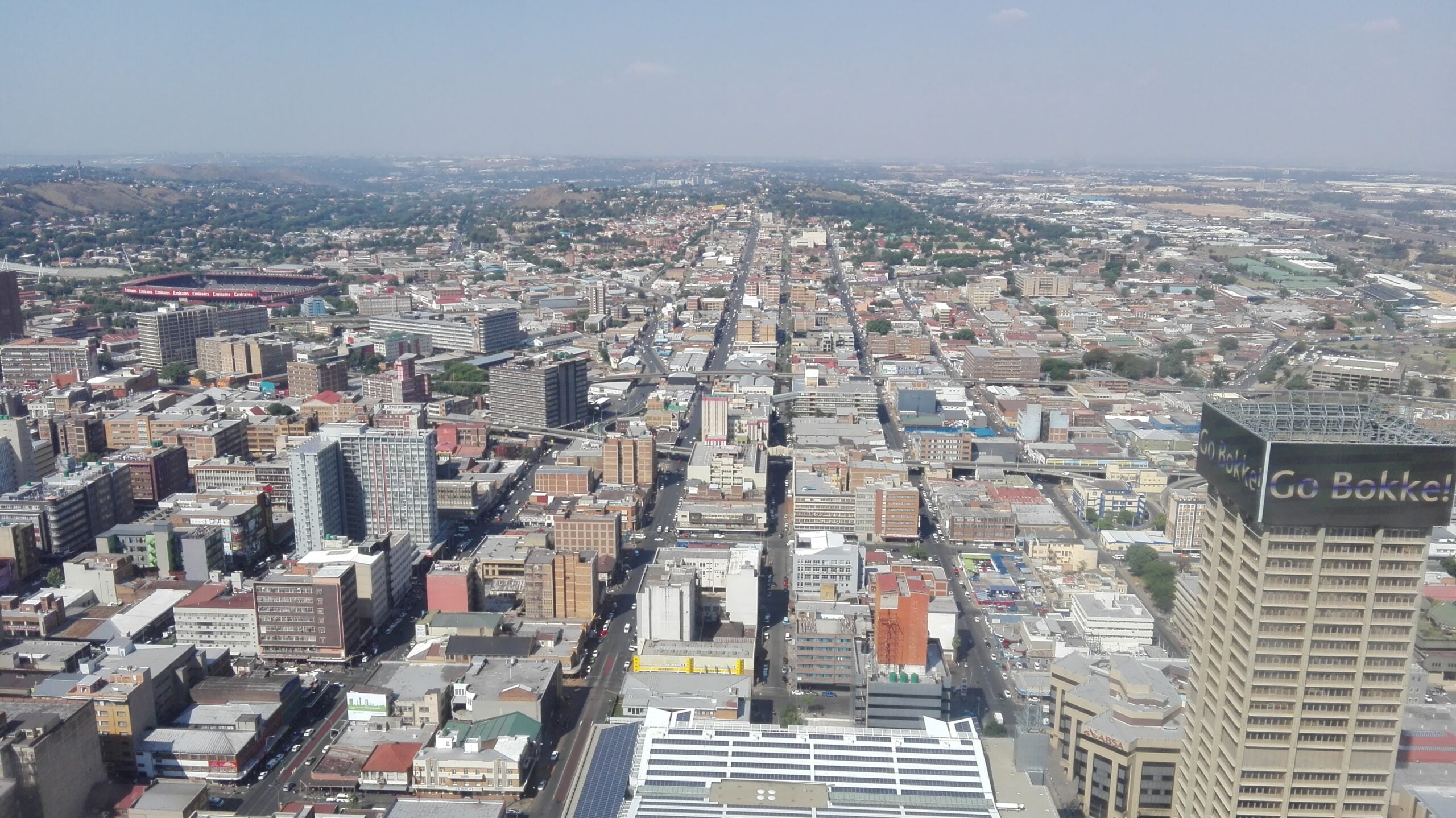
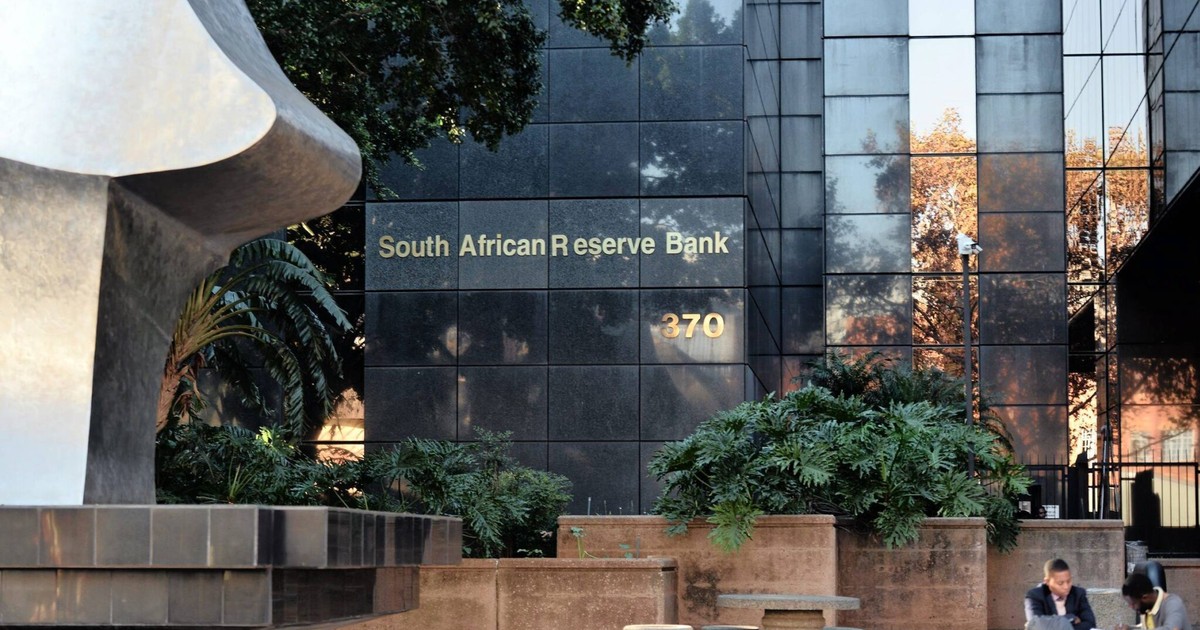
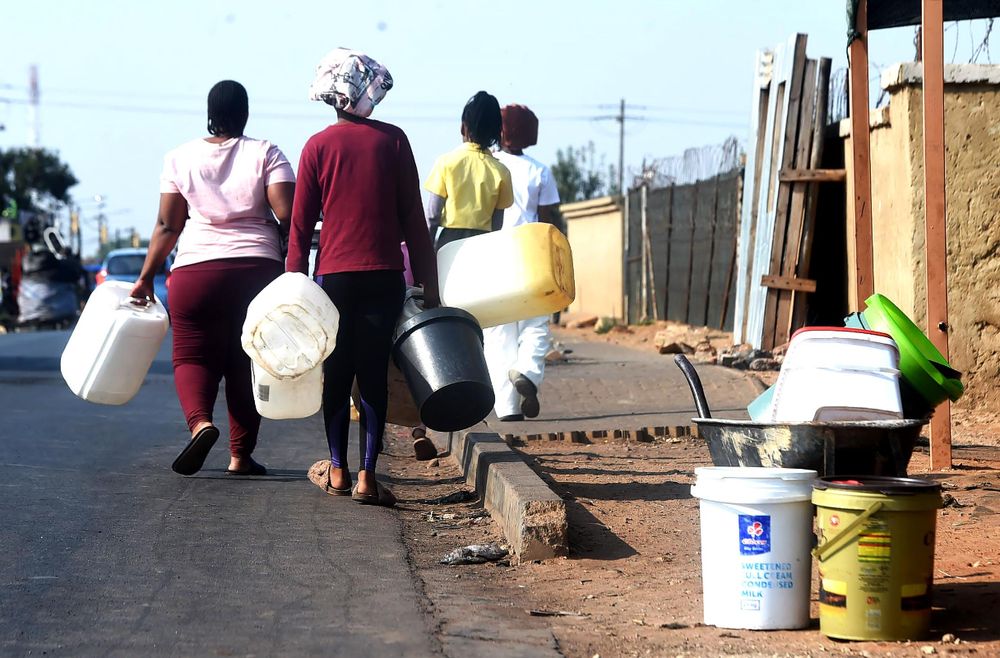
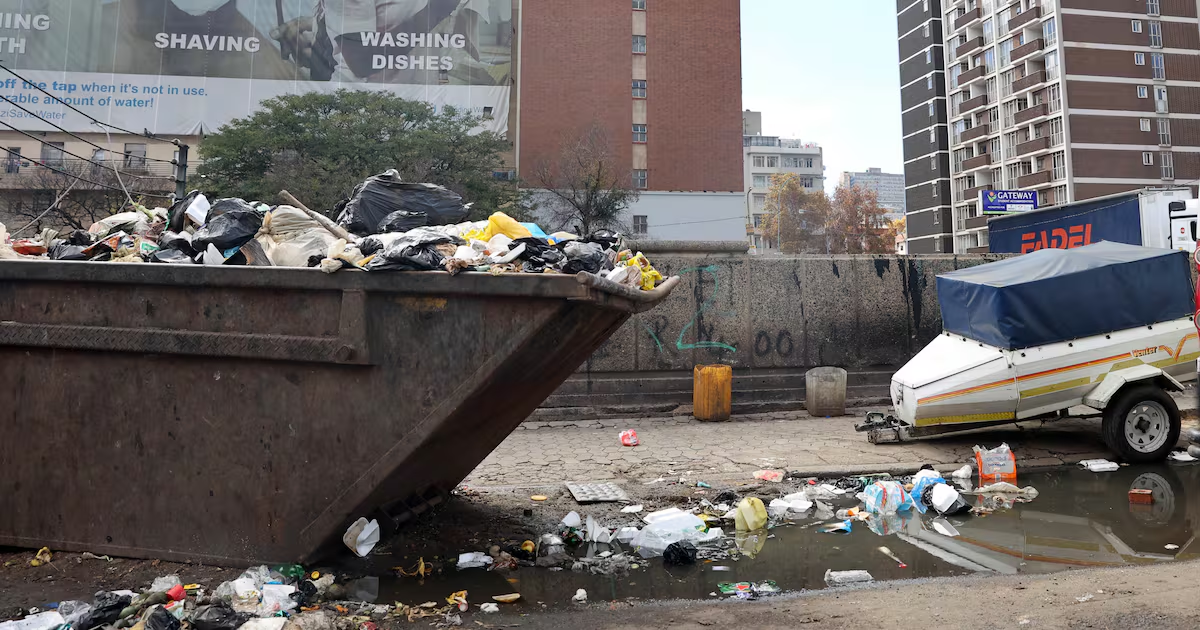
The New Development Bank (NDB) has extended a $1bn (R16.2bn) loan to South Africa for the government to upgrade infrastructure in the country’s eight metros, which are home to about 22-million people and the nerve centres of economic activity.The board of the lender, established by the original Brics members — Brazil, Russia, India, China and South Africa — met at the bank’s headquarters in Shanghai last week, where the loan was approved.The bank communicated its decision on Monday, stating the loan was for South Africa to implement the programme for the upgrade of infrastructure for metropolitan municipal services.“The programme aims to boost investments in the provision of essential urban services, including water supply and sanitation, electricity and solid waste management in South Africa’s metropolitan municipalities — Buffalo City, Cape Town, Ekurhuleni, eThekwini, Johannesburg, Mangaung, Nelson Mandela Bay and Tshwane,” the NDB said in a statement.“It is expected to enhance living conditions for residents and improve the business climate in the eight municipalities, contributing to socio-economic development as envisaged in the National Development Plan 2030.”Former Brazilian president Dilma Rousseff is the bank’s president, while South Africa’s Monale Ratsoma holds the position of CFO.Monale Ratsoma, Picture: HETTY ZANTMAN The National Treasury has come up with innovative ways to boost infrastructure spending in the metros. In March it launched metro trading services reforms in a major bid to address the declining performance of water, electricity and solid waste services in the country’s eight metros, which together account for over two-thirds of economic activity in South Africa and are where more than four in every 10 people live.The reforms are backed by R54bn in performance-linked grants, forcing metros to ring-fence revenue for infrastructure investment, aiming to unlock R100bn in investment.Investments in infrastructure have not been confined to the metros. Business Day can report that the Development Bank of Southern Africa (DBSA) is seeking consultants to support the preparation of the integrated municipal solid waste management programme in South Africa in six targeted municipalities. They are Buffalo City, uMhlathuze, Steve Tshwete, Newcastle, Rustenburg and Mbombela.The consultants are expected to help the DBSA prepare a full funding proposal for submission to the Green Climate Fund — the world’s largest dedicated climate fund, created to address the climate crisis.“These municipalities have been identified based on their readiness and potential to serve as replicable models for improving waste management systems nationally,” the DBSA said.“The programme aims to promote waste diversion from landfills through improved waste collection, sorting, recycling and organic waste treatment solutions, while integrating informal waste reclaimers and strengthening municipal waste management systems.”South Africa has increasingly turned to the NDB to fund key infrastructure projects around the country. The latest loan takes the NDB’s approved loans to South Africa since December to R44.2bn. They include the $1bn approved in March towards the passenger rail infrastructure renewal project. The project, spearheaded by the Passenger Rail Agency of South Africa, aims to modernise priority, high‑intensity urban rail corridors in South Africa and enhance their capacity, safety and reliability. The main outcomes envisioned under the project include higher train service frequency, increased average train speeds and growth in annual ridership.The NDB in December also approved $200m in funding towards the Limpopo Academic Hospital project, intended to significantly upgrade healthcare infrastructure by constructing a new 488-bed hospital in Polokwane. The project includes the construction of an academic facility that will be used in training health professionals in South Africa.Other projects that the NDB has approved in the past seven months include $205m towards the Magalies bulk water supply scheme, geared to ensure reliable and sustainable access to drinking water for 2-million residents, bridge the supply gap and cater to future demand growth.The NDB also granted a $190m loan to the Olifants management model programme. This project includes the construction of a bulk water supply scheme, abstracting water from Flag Boshielo Dam on the Olifants River to supply bulk raw water to industrial users in the region.The NDB last month approved $100m for South Africa’s credit guarantee vehicle, while the Industrial Development Corporation (IDC) received a R1bn loan for on-lending to projects in water and sanitation, and social infrastructure.South Africa faces a critical infrastructure gap that threatens economic growth and social development. Over the past four decades, infrastructure investment has declined from 30% of GDP in the early 1980s to approximately 15% in 2022, creating an estimated infrastructure gap of between $254bn and $329bn.