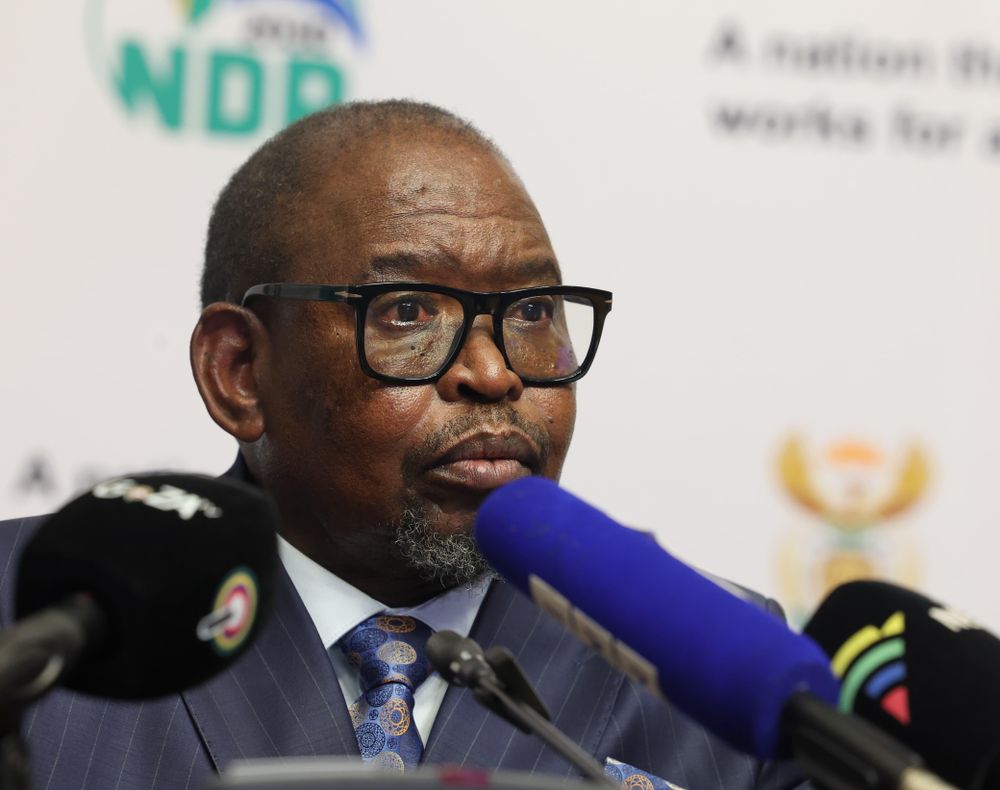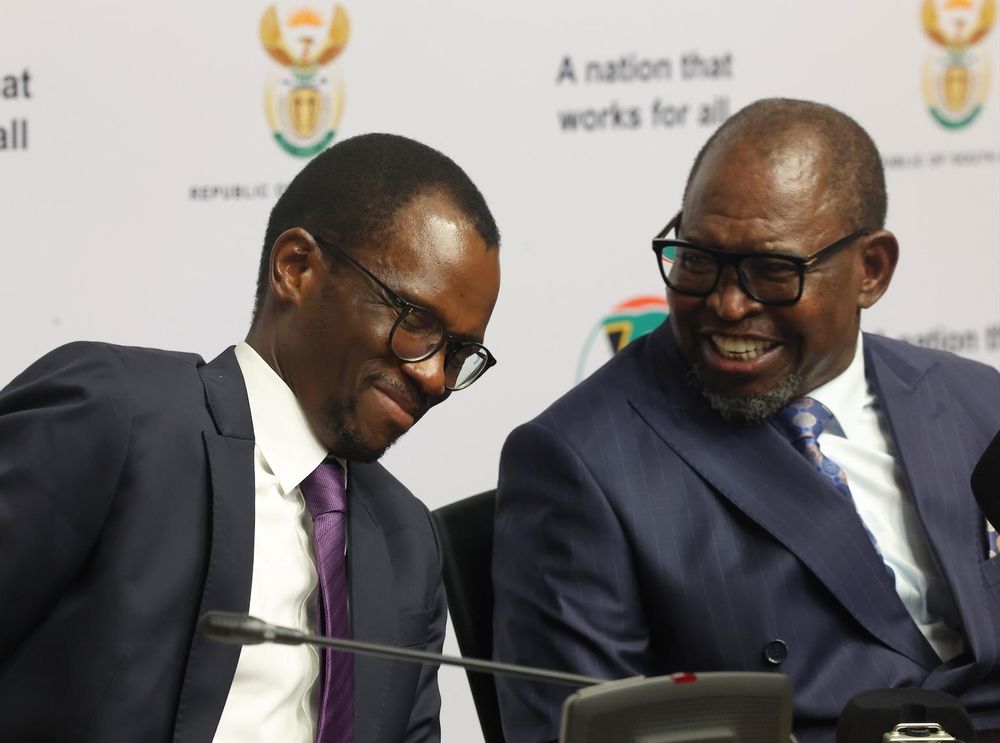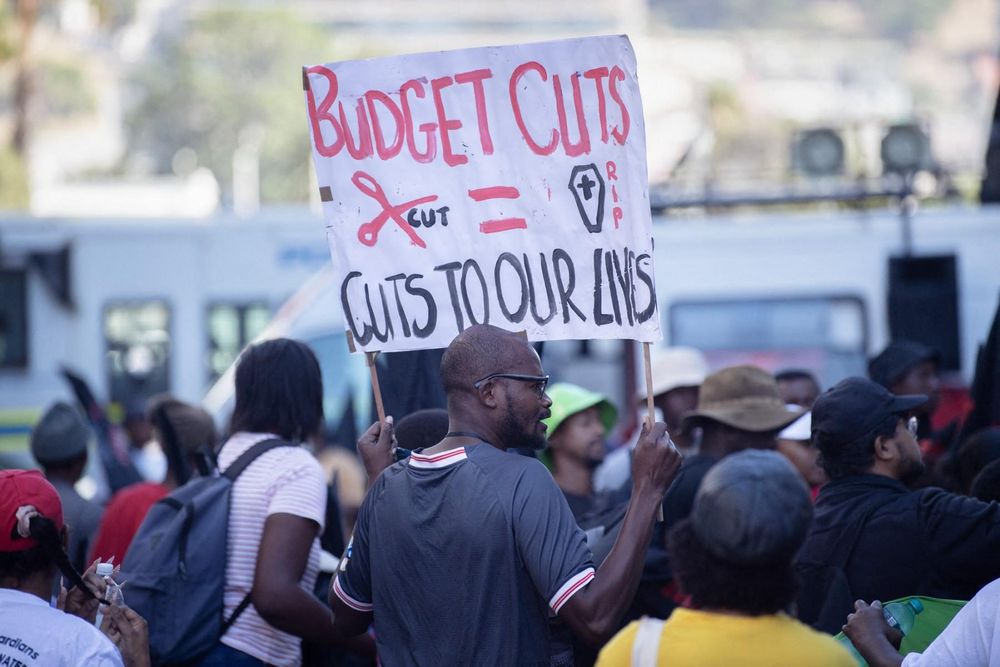
Activists from unions, farmworkers associations, gender organisations, and other civil society groups protest outside Parliament against proposed austerity measures on March 12, 2025 in Cape Town. The real challenge facing South Africa is not whether to borrow, but whether the state possesses the governance capacity to transform borrowed capital into lasting national prosperity, says the writer.
Zamikhaya Maseti
The South African government's decision to secure an additional R24.7 billion loan from the World Bank has reignited an important debate about the country's fiscal sustainability, developmental priorities and long-term economic strategy.
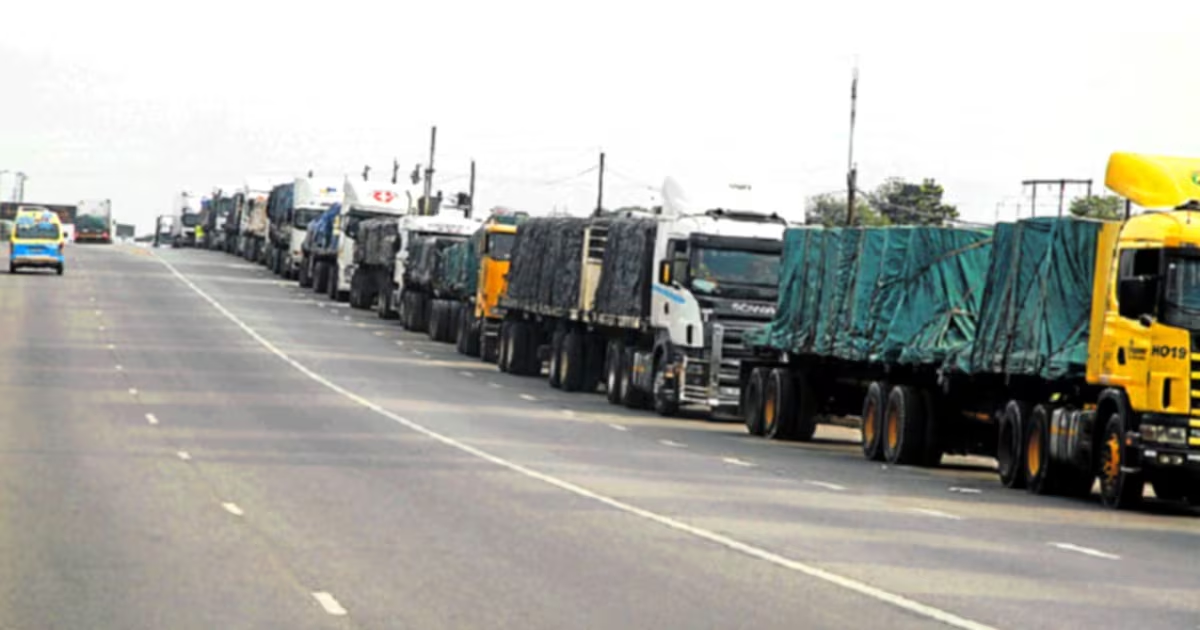
The loan is intended to finance infrastructure reforms, particularly in the electricity and transport sectors, with government arguing that these investments will remove structural constraints, stimulate economic growth and create employment.
At the same time, South Africa is already spending approximately R1 billion every day merely to service its existing debt. This juxtaposition raises an unavoidable question: can a country borrow its way to growth when debt servicing is consuming an ever-increasing share of public resources?