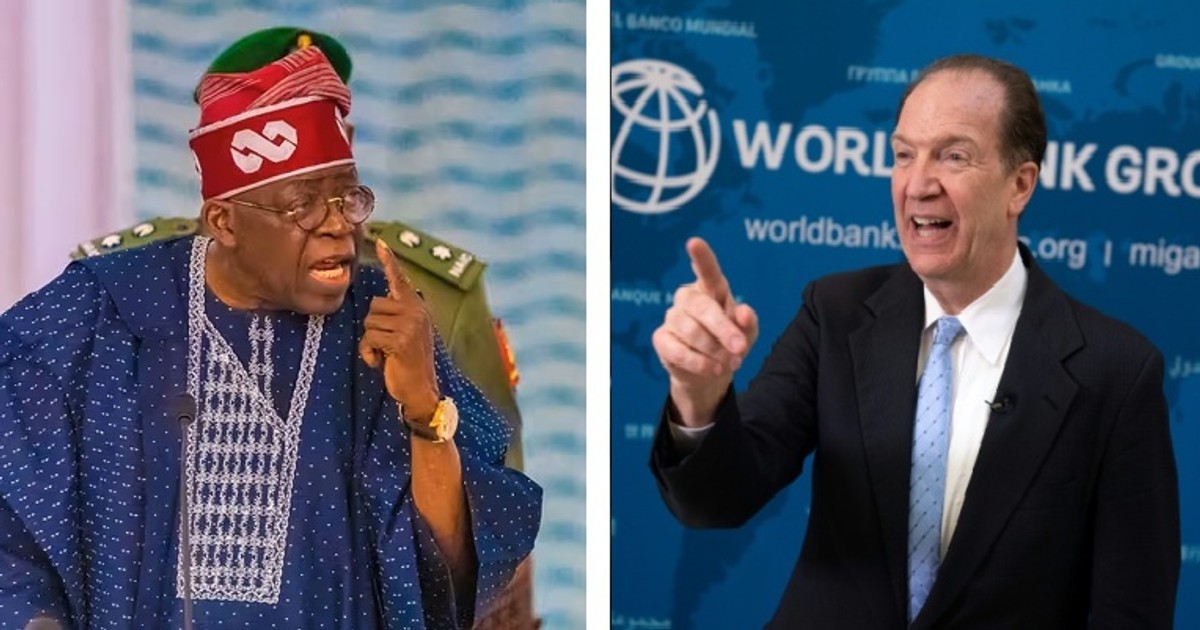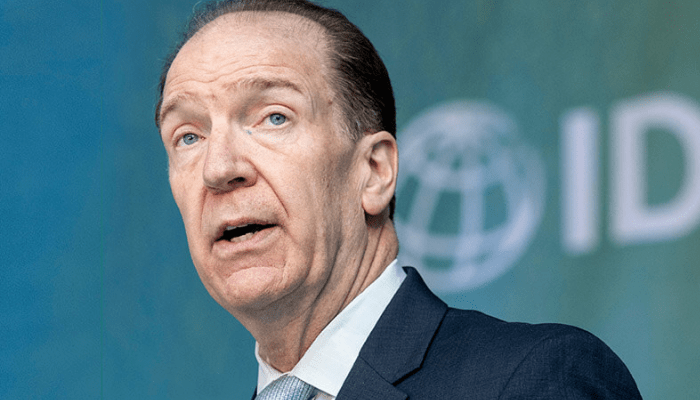
David Malpass, former World Bank President has cautioned that Nigeria’s growing reliance on collateral-backed financing could make future debt restructuring more difficult, adding to concerns already raised by international financial institutions over the country’s complex borrowing strategy.
In a policy paper released as part of the World Bank’s Annual Bank Conference on Development Economics (ABCDE) 2026, Malpass said collateralised sovereign transactions in countries including Nigeria, Angola and Senegal were creating a “race toward seniority” among creditors that could complicate debt workouts if financial conditions deteriorate.
“Sophisticated new collateralised transactions… are creating a new race toward seniority in the capital structure,” Malpass wrote in the paper, Public Debt and Central Banks. “This will add further complexity to restructurings.”
His comments come weeks after Nigeria drew $1.5 billion from a $5 billion financing facility arranged with First Abu Dhabi Bank, a transaction that has attracted scrutiny from investors, the International Monetary Fund and Fitch Ratings because of its derivative-based structure.
Under the facility, Nigeria is required to pledge Federal Government securities worth about 133 percent of any amount drawn as collateral in exchange for dollar liquidity, allowing the government to secure foreign currency funding without issuing Eurobonds at current market yields.