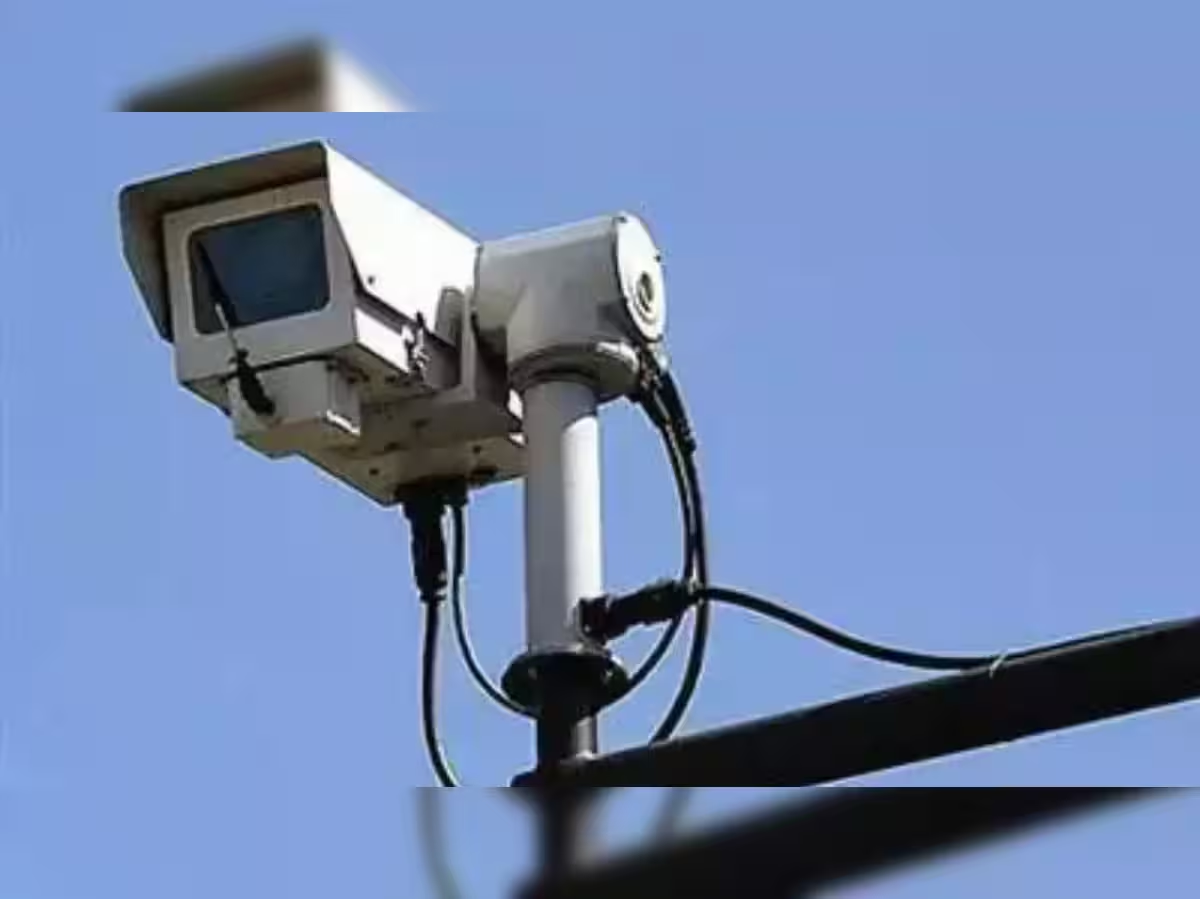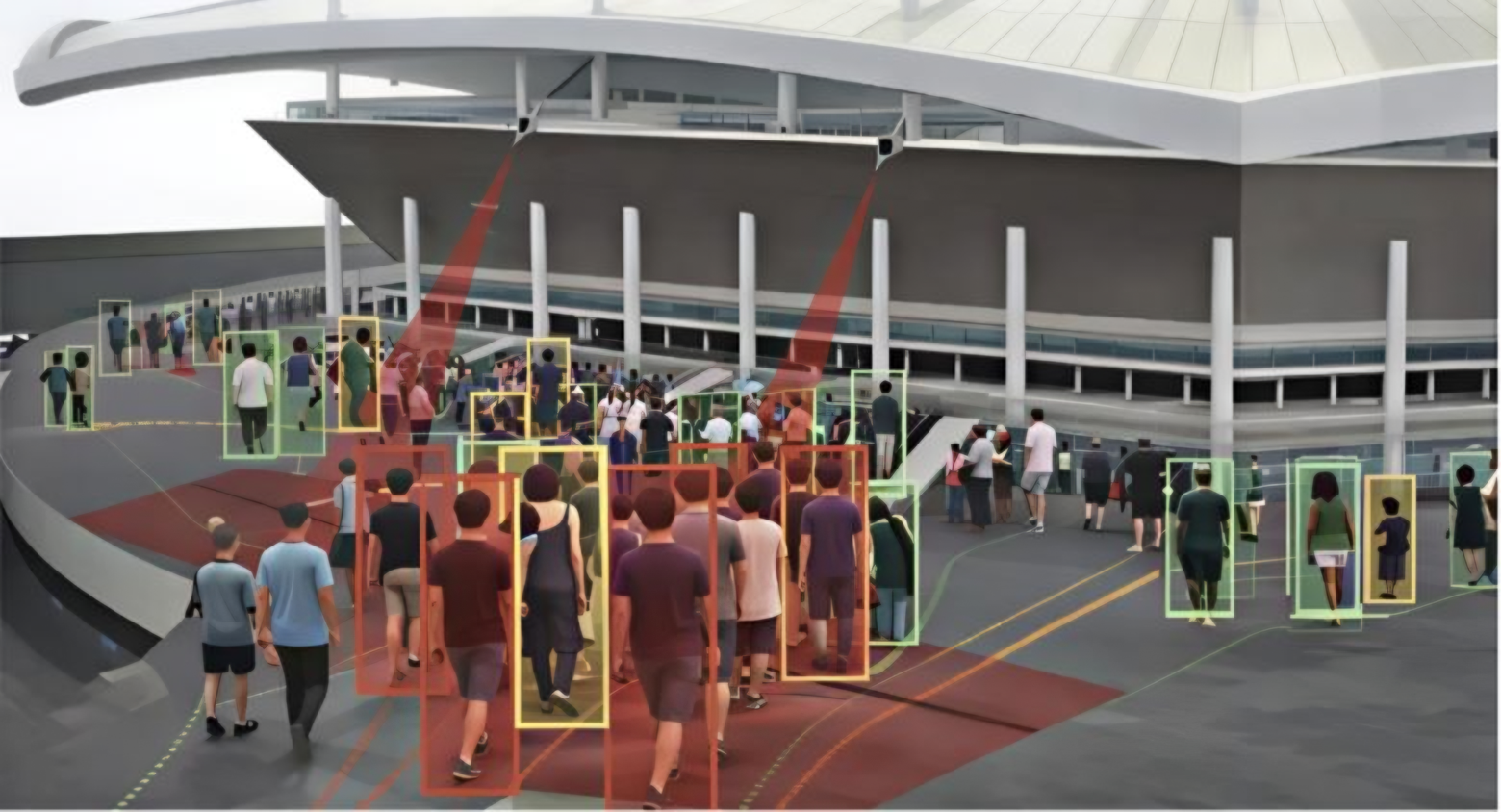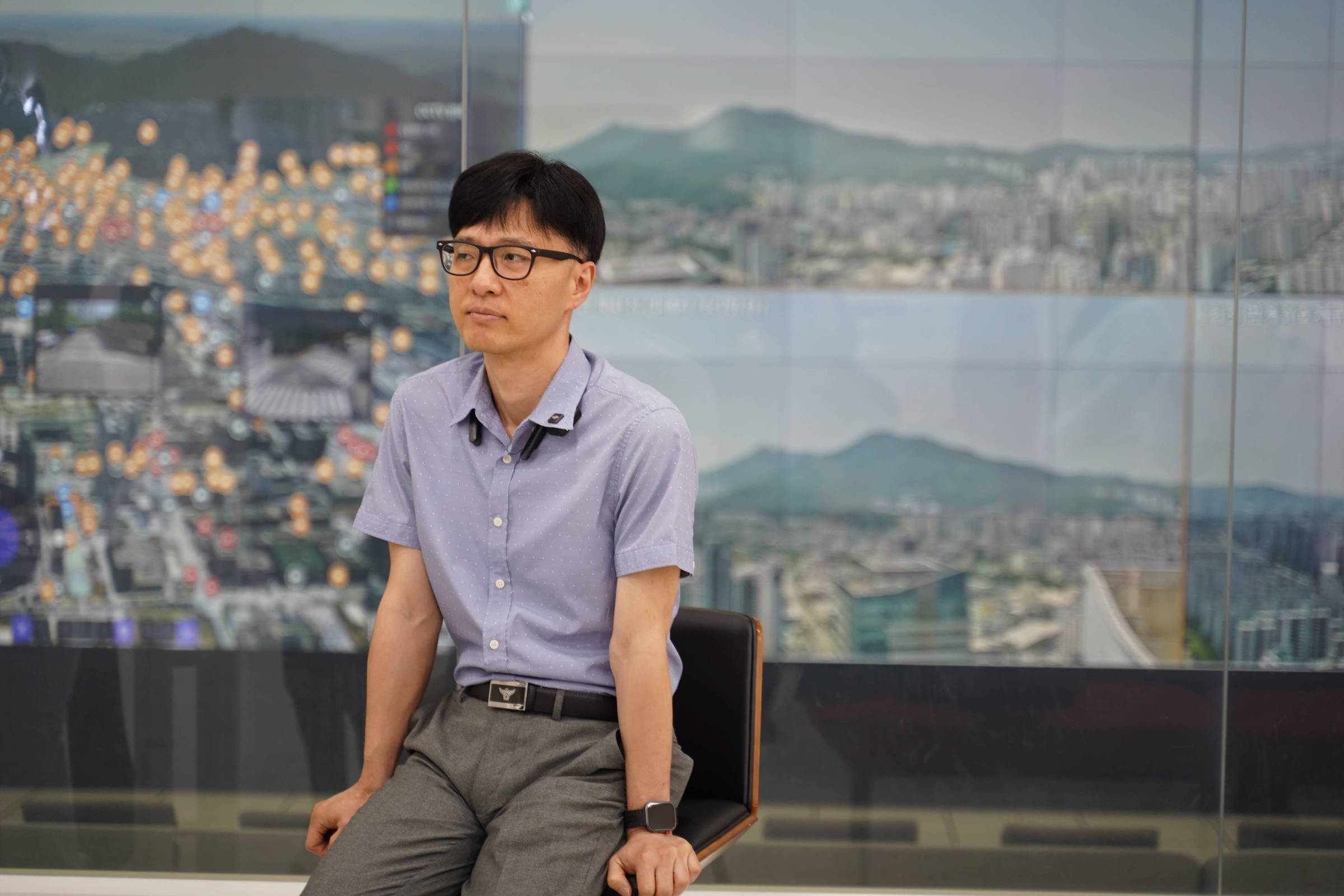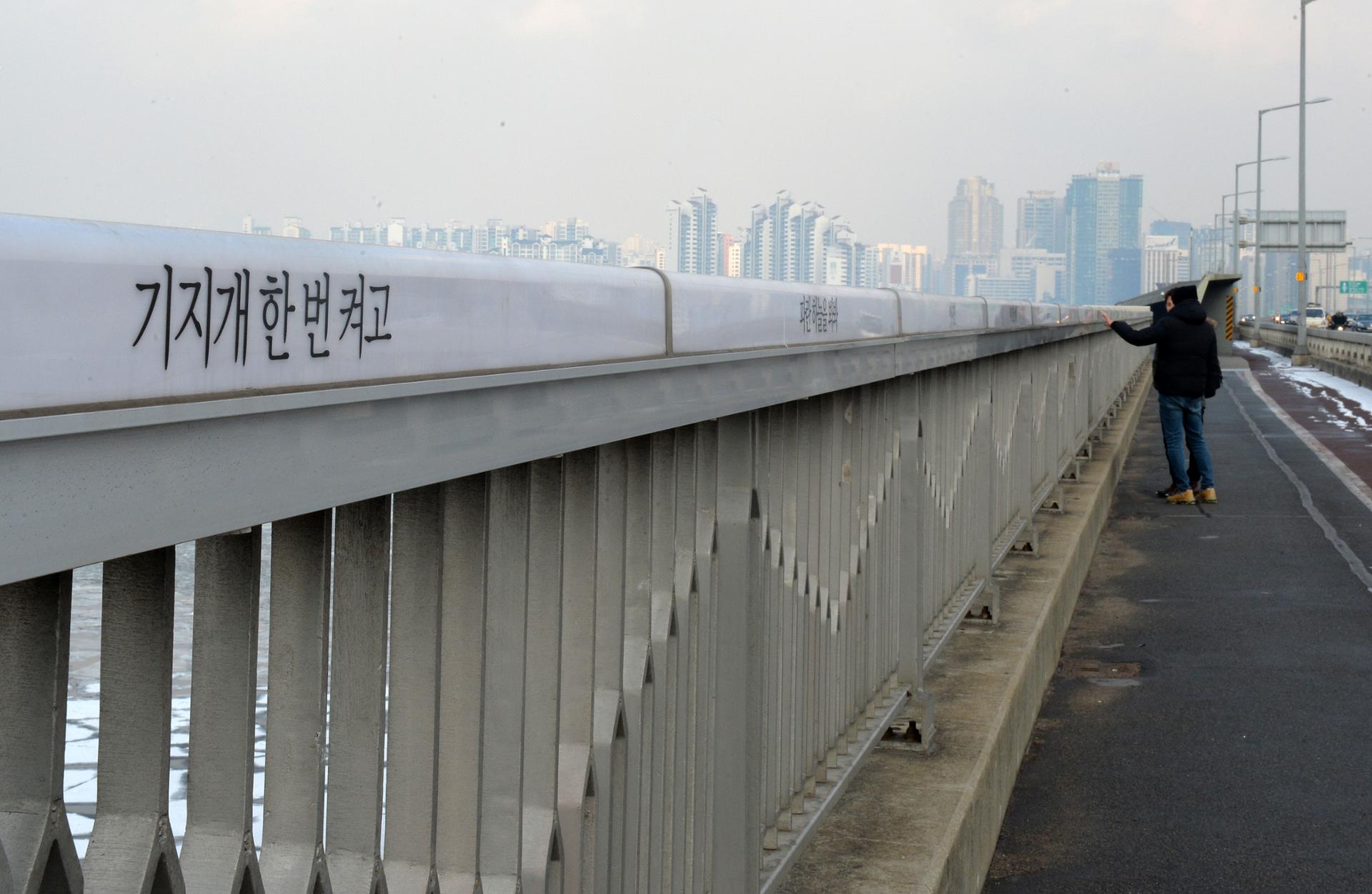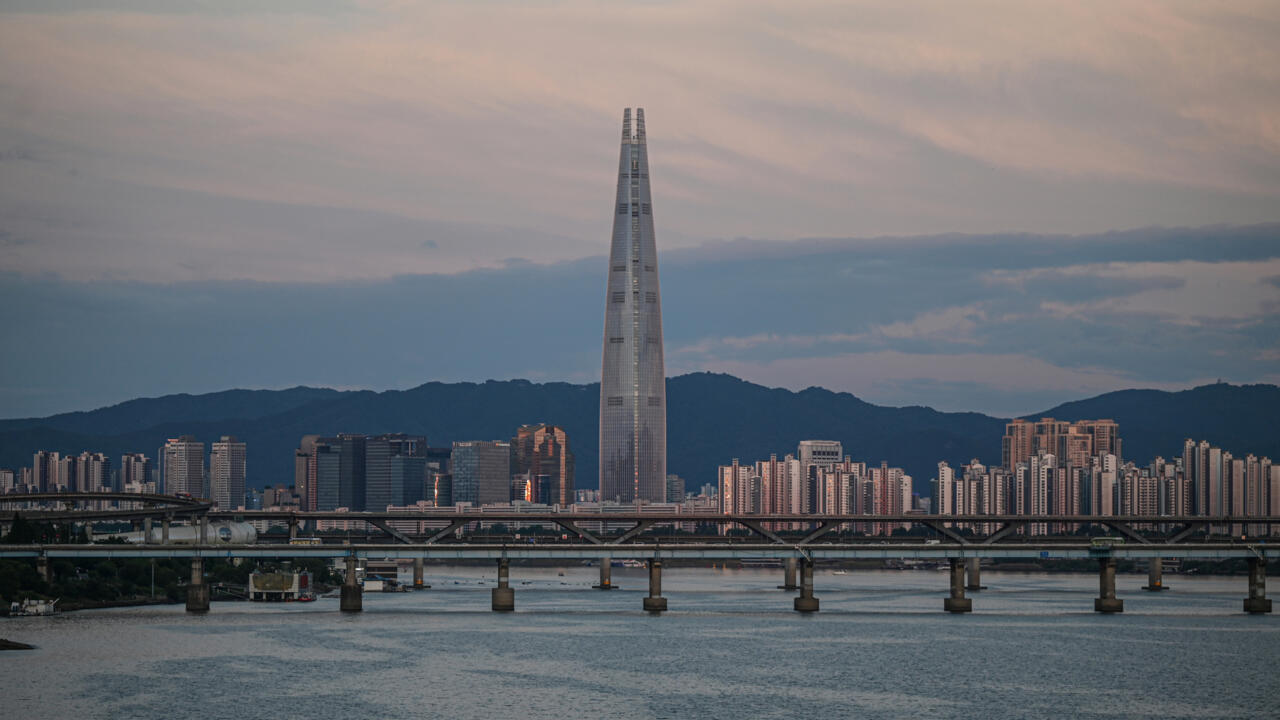
The waterway is a landmark of the glittering South Korean capital, but also a frequent scene of despair in a country with one of the world's highest suicide rates.The artificial intelligence-driven surveillance system alerts first responders if someone lingers in certain locations, enters an area deemed unsafe or picks up one of the bridges' dedicated suicide-prevention phones.It has been strikingly effective, said Kim Jun-young, chief of the Hangang Bridge CCTV Integrated Control Center, with the rescue rate over the river rising to more than 99 percent from 56 percent in 2012.Emergency crews can reach most bridges within five minutes -- the critical window to intervene and save a life, he said."We see our role as giving them one more chance to think it over, because it may not be the decision you want," Kim told AFP.From a height of about 30 metres (100 feet), striking the water is akin to crashing a car at 60 kilometres per hour (37 miles per hour), he said.Persuading people who have made up their minds is not easy, Kim said, as they often struggle with rescuers or sprint away "as if running a 100-metre race".Others can make a final, split-second decision when they hear approaching sirens, before help arrives.Last year, nearly 900 cameras on 17 bridges identified more than 1,200 incidents, he said, but "about eight people" could not be saved.Global 'disgrace'The Han River AI system has been operating since 2021, but South Korea remains gripped by a broader suicide crisis called "a disgrace on the world stage" by President Lee Jae Myung.
AI cameras spot suicide attempts in South Korea's capital
When AI-powered cameras on bridges over Seoul's Han River raise the alarm that someone may be about to jump, acting quickly is vital.
845 words~4 min read