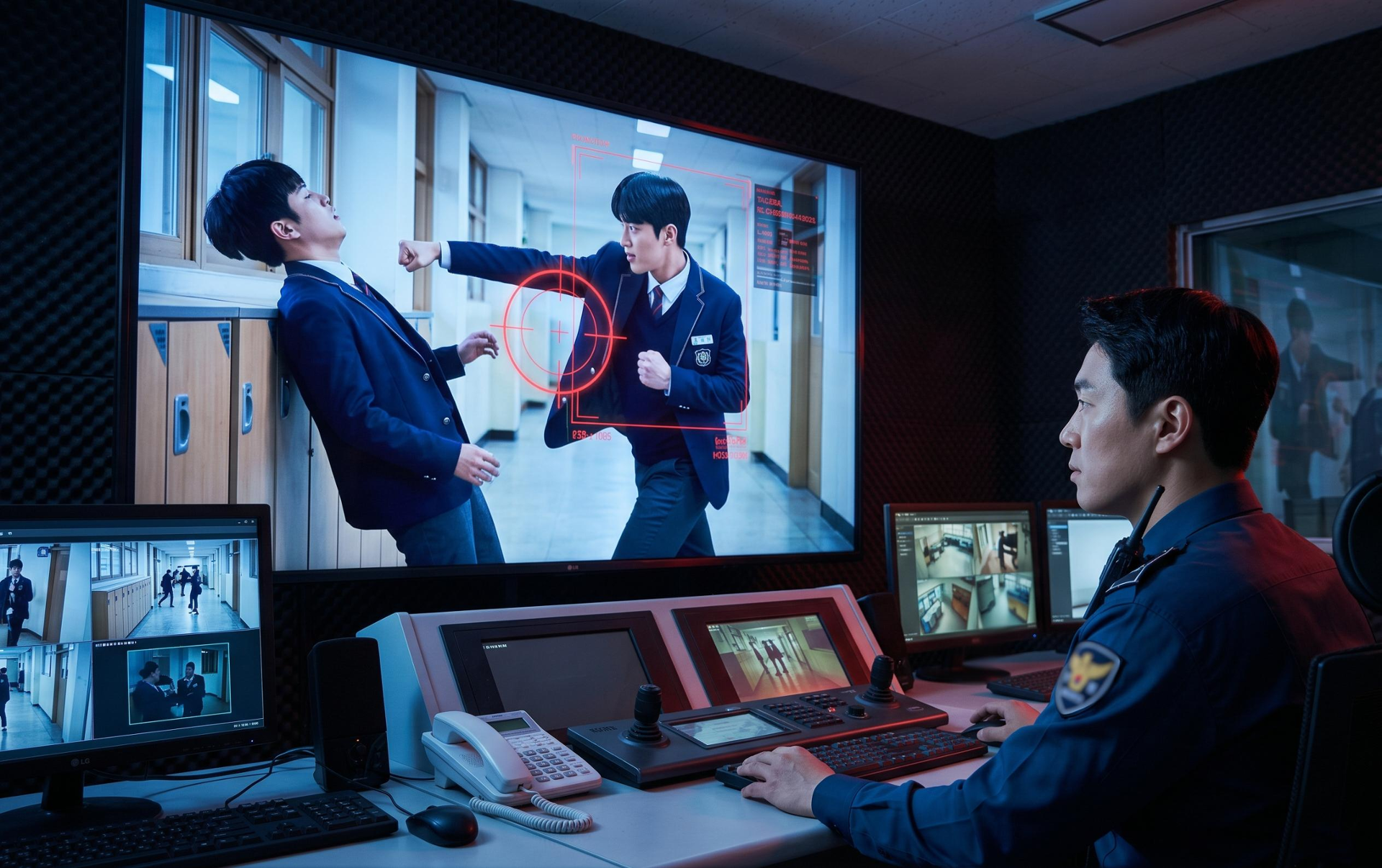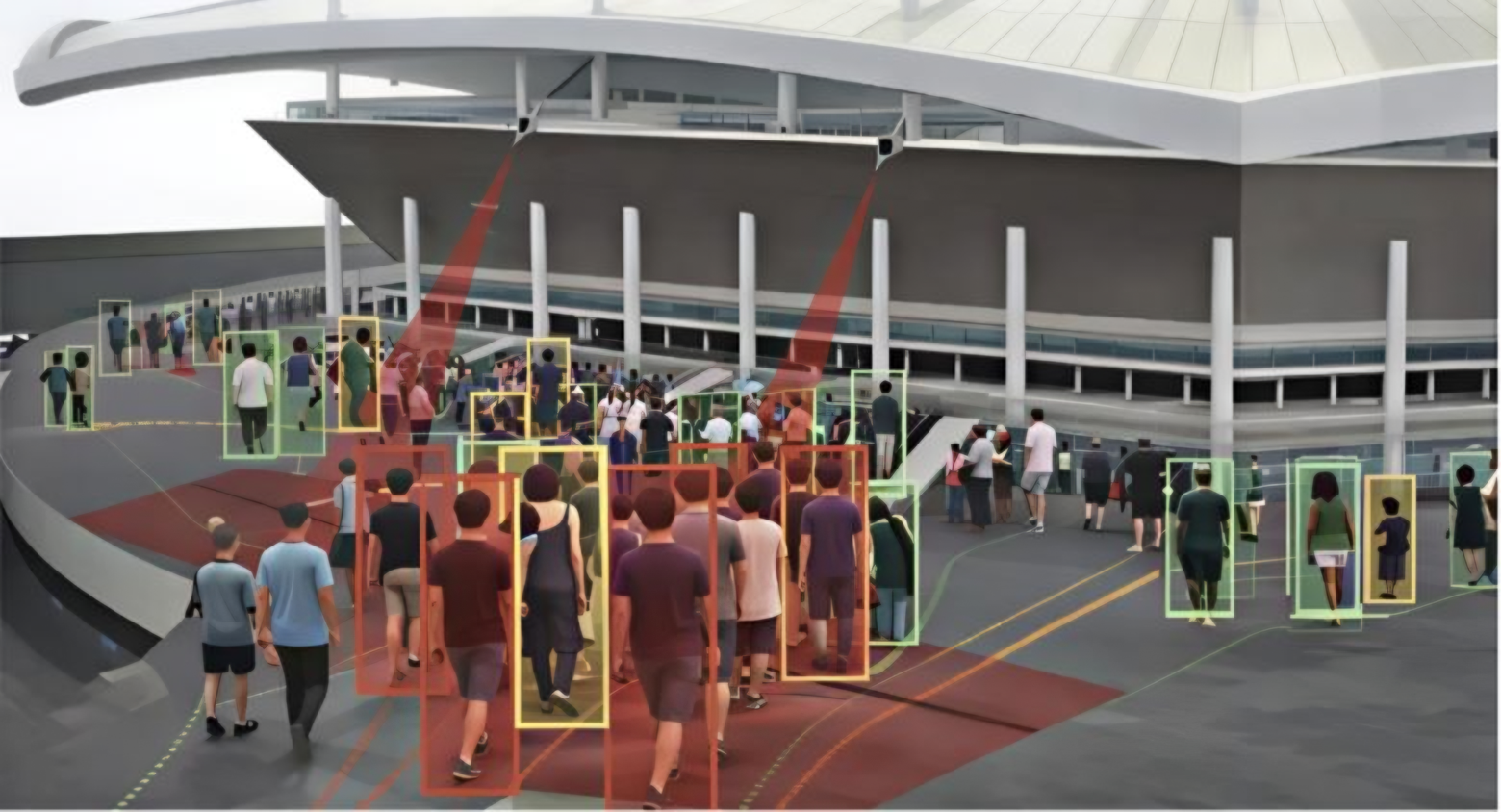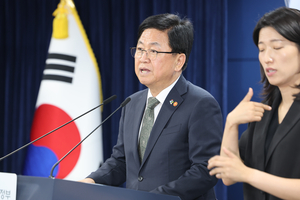
Government to expand mental health screenings, school counseling, crisis support under multiagency strategy Education Minister Choi Kyo-jin (left) announces the government's comprehensive plan to curb teenage suicides on Tuesday at the Seoul Government Complex. (Yonhap) South Korea plans to use artificial intelligence to detect suicide warning signs among students and to expand school-based mental health services, as the government aims to cut the student suicide rate by nearly half by 2035.The plan, unveiled Tuesday with the involvement of 15 government agencies, includes broader mental health screenings, stronger counseling services, crisis intervention programs and recovery support for students who have self-harmed or attempted suicide.The Education Ministry said the government aims to lower the student suicide rate from 8 per 100,000 students in 2024 to 6.5 by 2030 and 4.2 by 2035.“Teenage suicide is an issue that requires all members of society surrounding adolescents’ growth environments to take responsibility and respond together,” Education Minister Choi Kyo-jin said.“We will do our utmost to help families, schools, local communities, the media and other sectors work together organically and build a practical foundation for youth suicide prevention and recovery.”It is the first of nine sector-specific suicide prevention measures discussed during a Cabinet meeting on May 6. The plan centers on five strategies: prevention, early detection, crisis intervention, recovery support and building a stronger foundation for student mental health services.AI warning systemUnder the plan, an AI-based system will be built by the end of this year to detect warning signs among students, including images, posts, videos and internet slang related to self-harm or suicide.A Ministry of Gender Equality and Family official said counselors currently identify such warning signs manually and detected 29,000 cases in 2025. The ministry said the use of AI is expected to speed up the process and help identify more at-risk students.The government will also improve regular mental health checkups and expand what it has tentatively called “Mind CPR Education,” a program designed to train teachers and students to identify and respond to people in crisis.The number of centers providing one-stop services for out-of-school teenagers will be increased from 12 in 2025 to 14 by the end of 2026.The government also plans to seek revisions to the Suicide Prevention Act to allow information on suicide attempts obtained by police and fire authorities to be shared with metropolitan and provincial education offices to strengthen their response.Stronger counseling and treatment accessTo improve crisis intervention, the government plans to strengthen school counseling services by installing and renovating more counseling rooms and placing more professional counselors at schools.It will also expand emergency support teams, mental health vouchers, hospital-type counseling centers and youth-only psychiatric wards and beds, while creating a comprehensive management system for counseling call centers.The government noted that the revised Elementary and Secondary Education Act allows students to receive counseling or treatment without guardian consent if guardians fail, without justifiable reason, to comply with a principal’s recommendation for treatment. The Education Ministry said it would work to ensure that the system, introduced in March, is properly implemented.The government will also consider securing temporary protection spaces for high-risk teenagers who cannot be kept in emergency rooms because no physical trauma or psychiatric history has been confirmed.Prevention at school and homeTo strengthen prevention, the government will roll out tailored education programs for students, teachers and parents.At schools, students will receive expanded suicide prevention education. Career-linked education, psychological counseling and cultural and arts programs for teenagers will also be strengthened to help reduce academic stress and career anxiety.Social and emotional learning will be expanded from the current six class hours to up to 17 hours, while schools will provide more activity-based physical education and arts classes aimed at improving students’ self-esteem and emotional recovery.Training on student mental health will be expanded for teachers and prospective teachers.The ministry said it will introduce a school violence prevention week in 2027 and support mindfulness clubs. Measures will also be taken to reduce online risk factors, including digital overdependence, self-harm and suicide-related content and unsafe reporting on suicide.The government plans to draw up guidelines for media outlets on reporting youth suicide cases, including advice on limiting details that could increase the risk of imitation.Recovery support after self-harmFor recovery, the government said it will help students who have self-harmed return to their daily lives by supporting their academic adjustment and peer relationships.Schools will also provide education aimed at helping classmates better understand and respect returning students. Authorities will work directly with parents, homeroom teachers and other guardians to prevent repeated suicide attempts.The government will expand one-stop support services for bereaved families of adolescents who died by suicide, while providing recovery programs for school communities affected by such incidents, including grief education for classmates and programs to prevent burnout among teachers.More funding, psychological autopsiesThe government also plans to expand funding and staffing for student mental health support at education offices. It aims to gradually reflect student mental health support costs in standard fiscal demand, with the goal of setting aside around 1 percent of ordinary local education grants.Around 200 personnel dedicated to student mental health support will be secured at local education offices, according to the Education Ministry.The ministry also said the government will push for the enactment of a bill to clarify the responsibilities of the state, local governments, families and schools, and to provide a legal basis for student support and specialized institutions.Starting in 2027, the government plans to fully launch psychological autopsies of youth suicide cases by analyzing statistics and digital information left by students who died by suicide.The government will also strengthen management of locations frequently used in suicide attempts and issue guidelines on the risks of overdependence on AI for psychological counseling.- - -If you’re thinking about self-harm or suicide, dial the Suicide Prevention Hotline at 109, available 24 hours a day, seven days a week. Please request a translator for English-language services.
Korea plans AI warning system to halve student suicide rate by 2035
South Korea plans to use artificial intelligence to detect suicide warning signs among students and to expand school-based mental health services, as the govern
974 words~4 min read