Lee Jong-eun
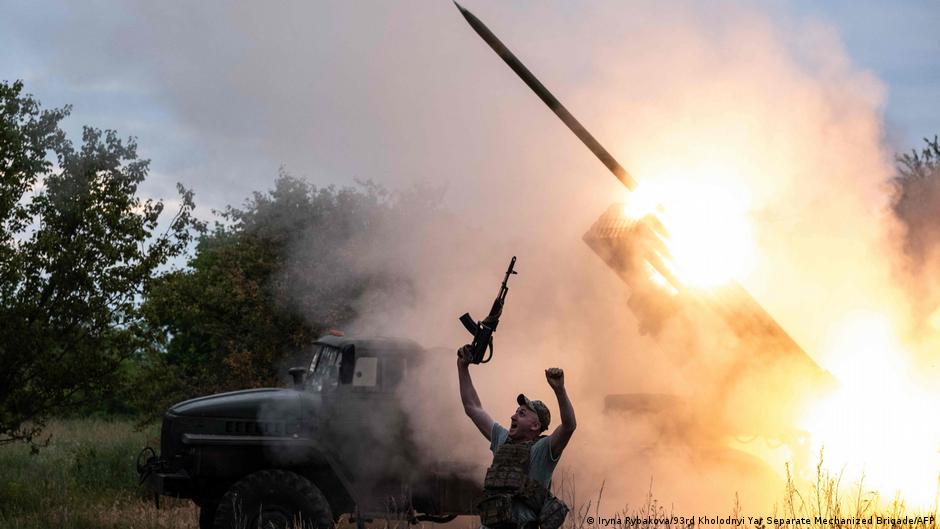
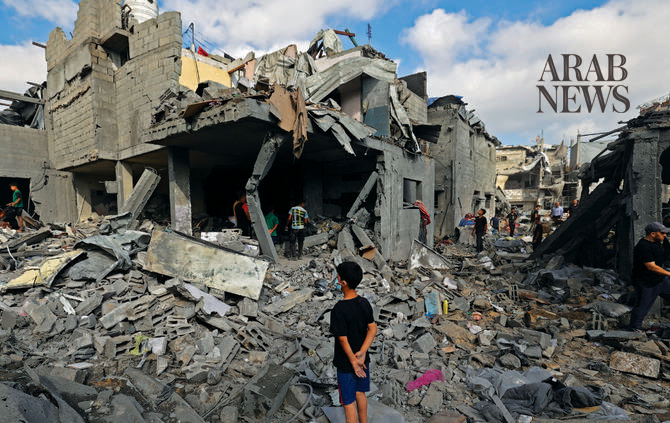
An age-old question: why do countries start wars? More importantly, why do contemporary leaders still start wars, or some versions of “special military operations”? Today, the world faces at least two major international military conflicts: the Russia-Ukraine war and the war involving the United States, Israel and Iran. The Russia-Ukraine War has now lasted for more than four years, inflicting significant human casualties and socioeconomic losses on both sides. The war in the Middle East has also destabilized the region and placed a severe strain on global energy markets.
Among multiple explanations for the start of a war, the one that deserves serious scrutiny is the countries’ confidence in a quick military victory. Leaders may be influenced either by an overestimation of their own country’s military capabilities or by an underestimation of those of their adversary. As a result, they may conclude that a swift military victory would be more advantageous than prolonged diplomatic negotiations.
Both World War I and World War II resulted, in part, from such optimistic — and ultimately disastrous — miscalculations by the great powers. The 1950-53 Korean War was likewise initiated by North Korea’s overconfidence that the rapid capture of Seoul would lead to Korea’s reunification. In the 21st century, U.S. expectations of quick victories in Afghanistan and Iraq were shattered by two decades of a prolonged “War on Terror.”