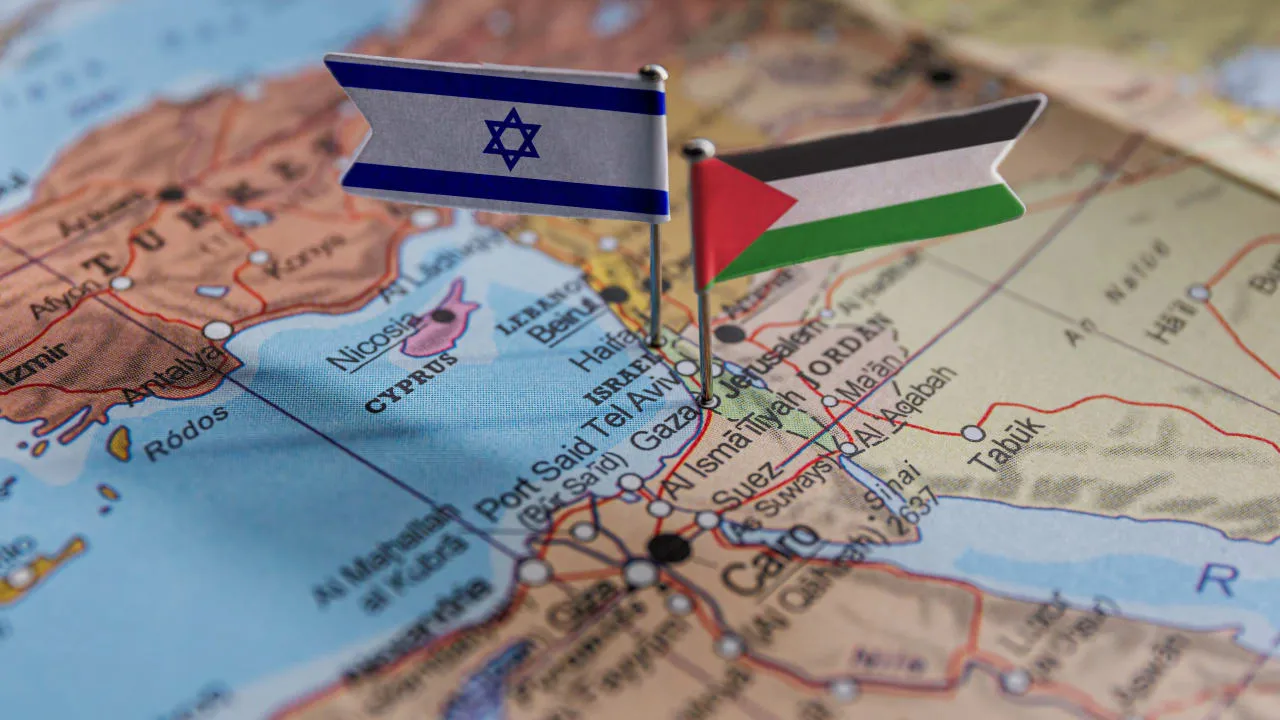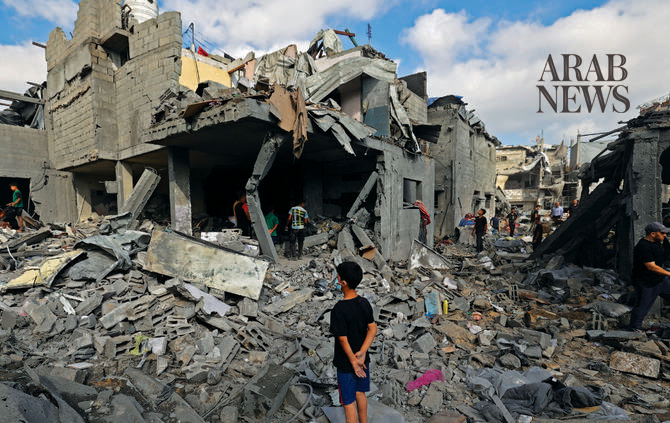
OXFORD: Every new war in the Middle East is presented as an unprecedented crisis. Yet behind the headlines lies a pattern that stretches back more than a century — one in which unresolved disputes over borders, identity, statehood, foreign intervention and political legitimacy repeatedly erupt into fresh violence.
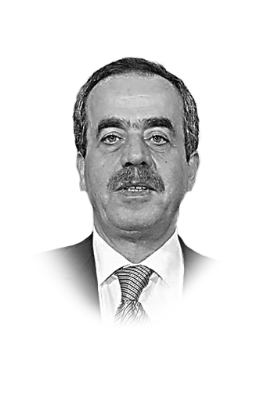
For Professor Eugene Rogan, one of the world’s leading historians of the modern Middle East, the region’s recurring instability cannot be understood by looking only at today’s conflicts. It requires tracing a line from the final decades of the Ottoman Empire through European colonial rule, military dictatorships, the Cold War and the upheavals unleashed by the 2011 uprisings.
Speaking to Arab News at the University of Oxford’s St. Antony’s College, the author of “The Arabs: A History” and “The Fall of the Ottomans” said the Middle East’s greatest handicap has been the absence of political systems that allow societies to determine their own futures.
“The challenge that countries in the Middle East and North Africa face is that they don’t have the kind of institutional consensus that allows their countries to have stable and continuous politics,” Rogan said.
In contrast with Western democracies, where constitutions evolved through public debate and political compromise, many Arab societies were denied that opportunity — and the effects show even to this day.