Chun In-bum
When wars end, most people ask a simple question: Who won? But the real question is: Who emerged stronger?
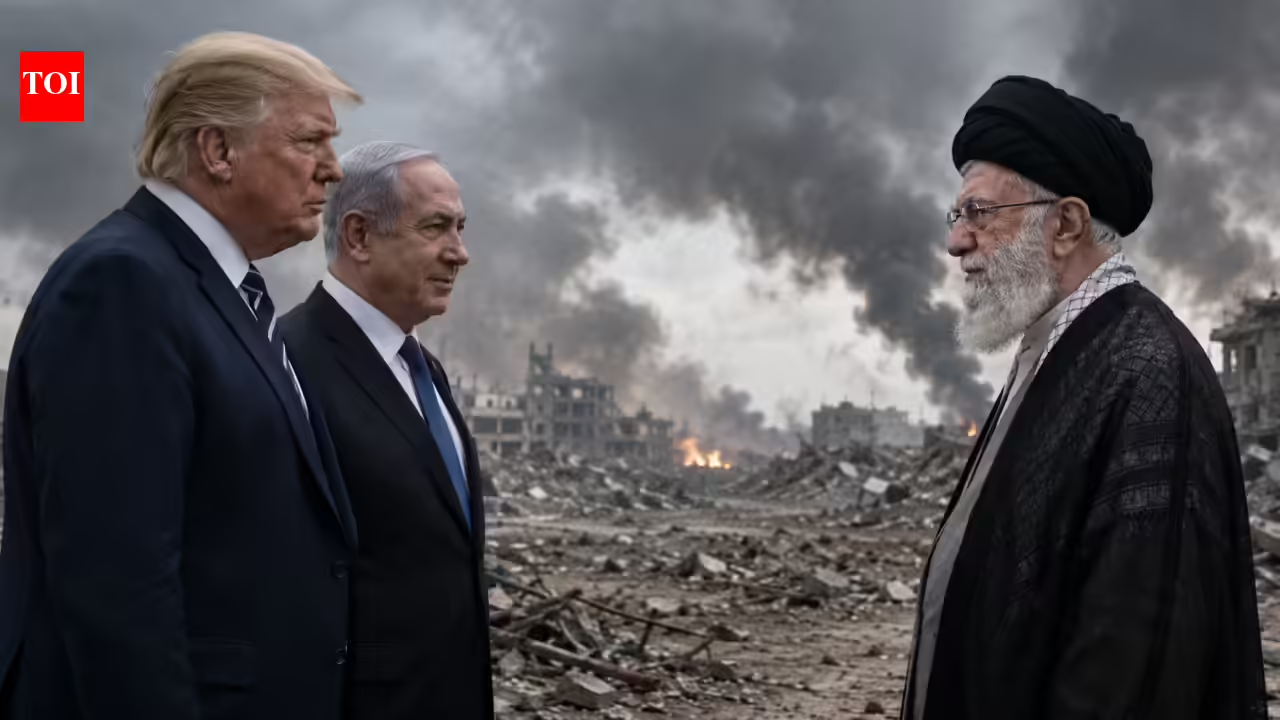
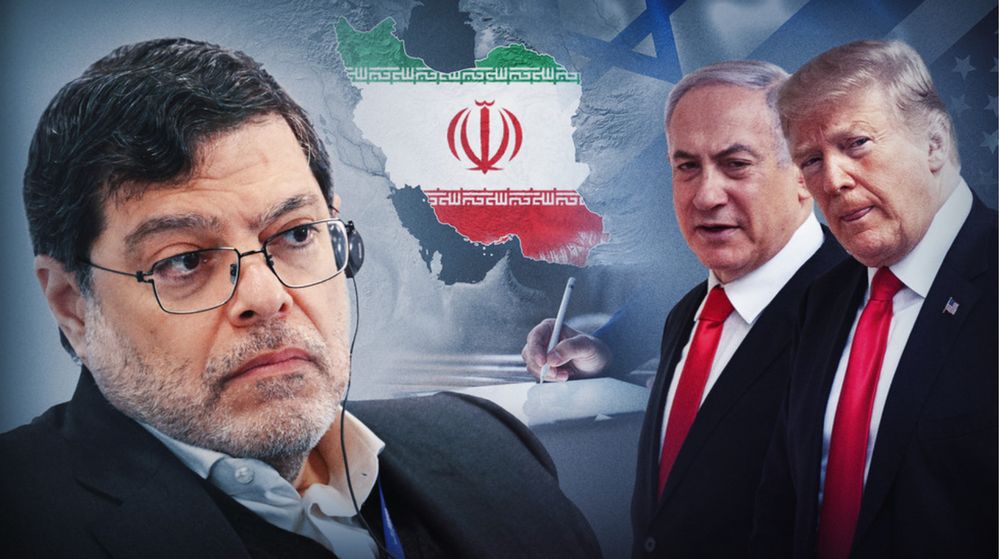
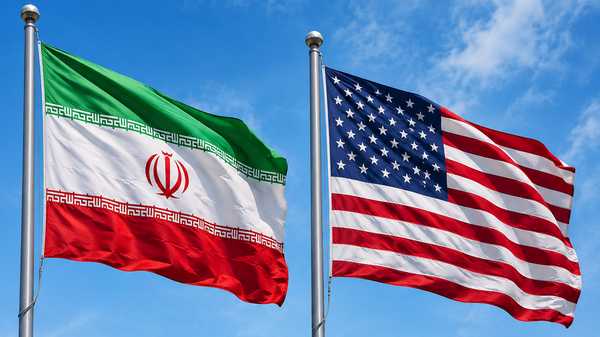
The recent conflict involving the United States, Israel and Iran offers a powerful reminder that military success and strategic success are not always the same thing. History is filled with examples where battlefield victories failed to produce the political outcomes for which wars were fought. From a military perspective, the United States and Israel achieved impressive results. Iranian nuclear facilities were damaged. Senior leaders and commanders of the Islamic Revolutionary Guard Corps were eliminated. Critical military infrastructure was degraded. Iran's ability to project power suffered a significant setback. Measured in tactical terms, these were clear successes.
But wars are not fought for tactical victories alone. As Carl von Clausewitz famously observed, war is a continuation of politics by other means. Military operations are instruments designed to achieve political objectives. The real question, therefore, is whether those political objectives were achieved and did the conflict weaken the Islamic Republic, or did it inadvertently strengthen it?
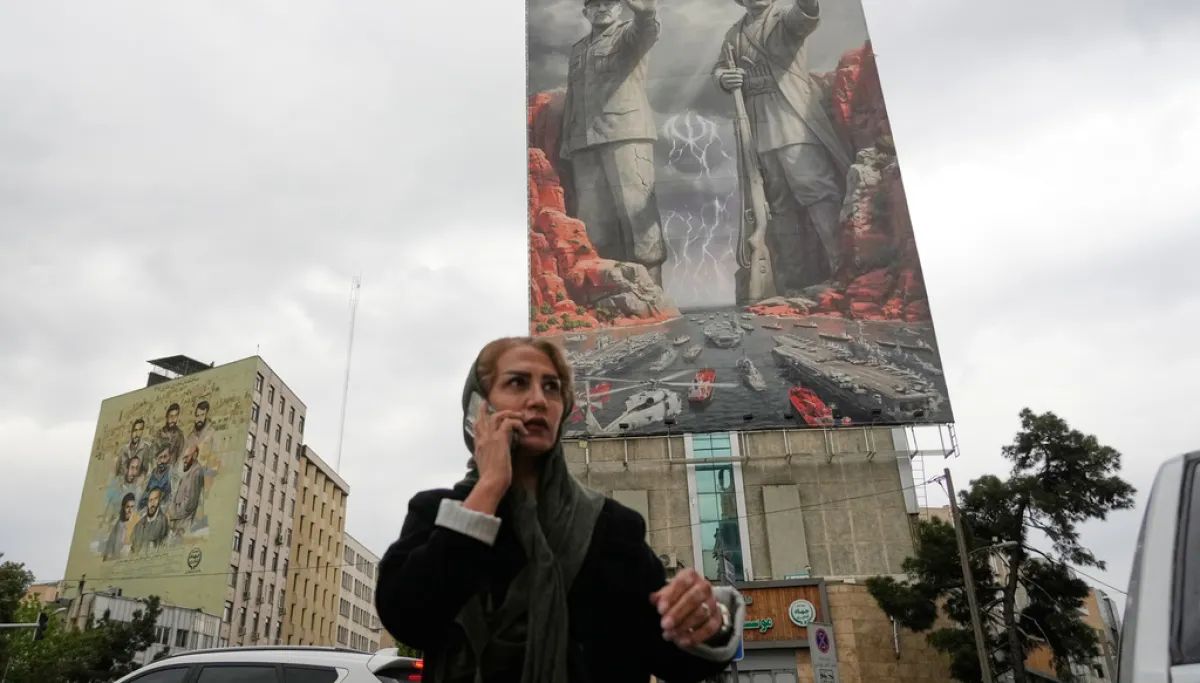
According to several analysts at the Carnegie Endowment for International Peace, there is a strong possibility that Iran achieved its primary objective: survival. And survival may have been enough. Many observers assume that authoritarian regimes are fragile. Remove the leadership, destroy key facilities and eventually the system collapses. The Iranian experience suggests otherwise. For years, Tehran anticipated the possibility of decapitation strikes. It developed decentralized command structures, regional security networks and contingency plans designed to ensure continuity even if top officials were killed. As a result, despite suffering severe losses, the state continued to function. This should sound familiar to anyone who studies North Korea. Pyongyang has spent decades preparing for leadership disruption, wartime isolation and continuity-of-government scenarios. The assumption that eliminating a leader automatically causes regime collapse may be far more optimistic than reality permits.