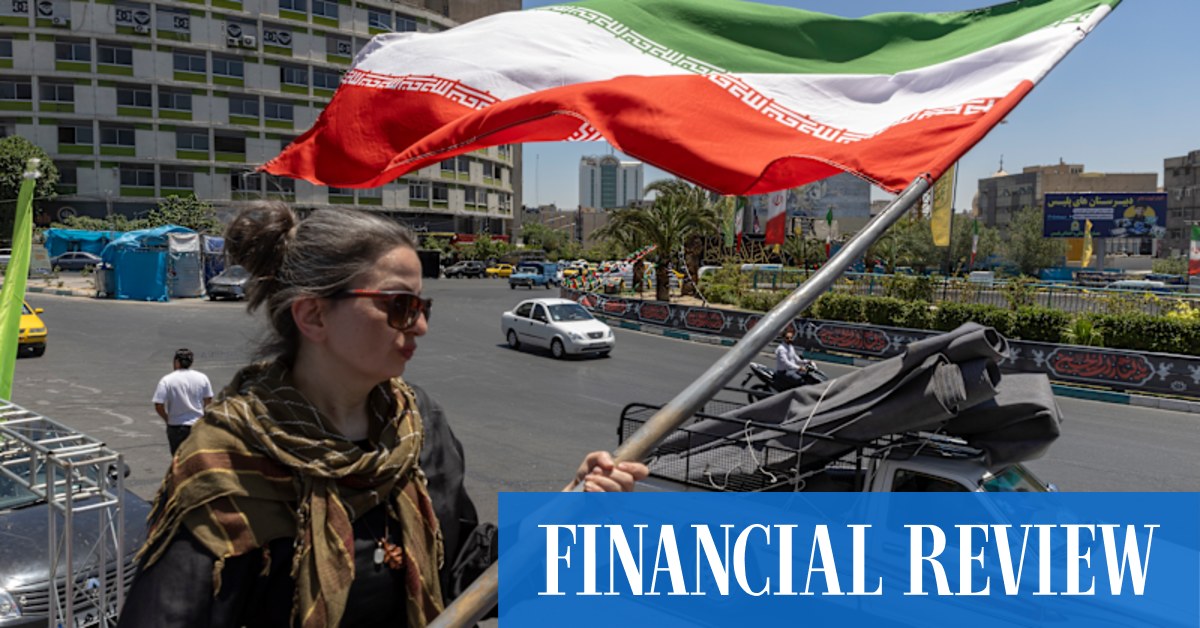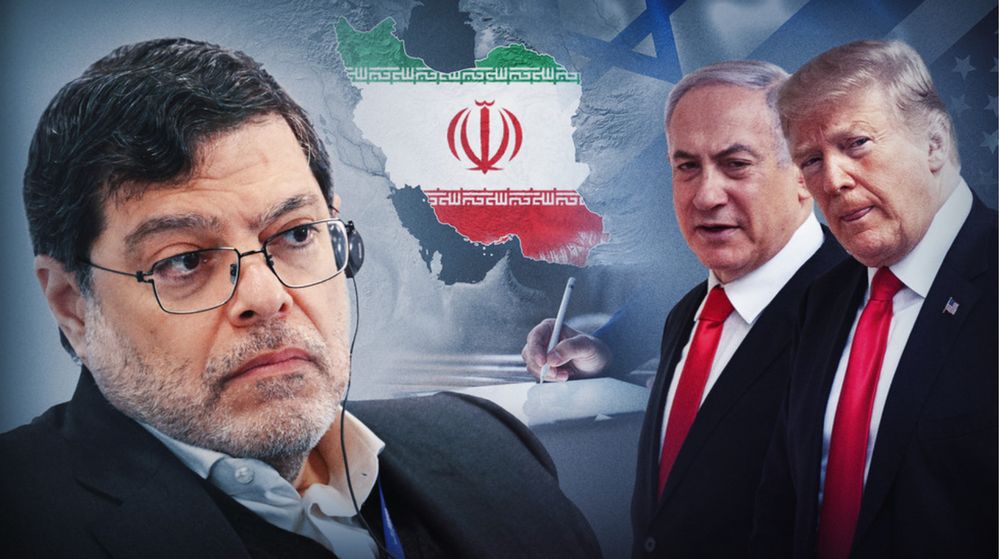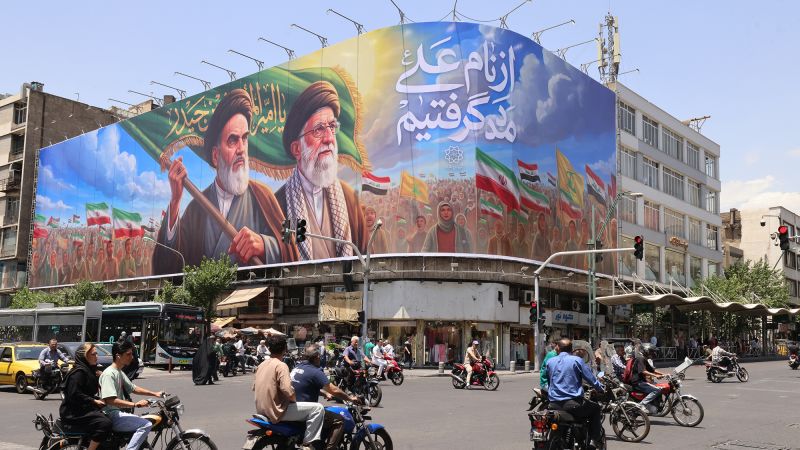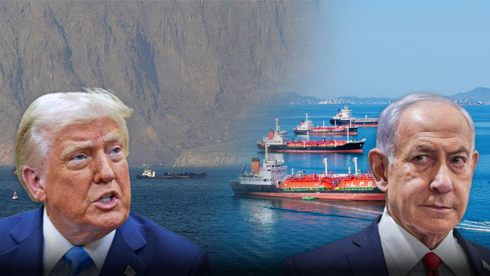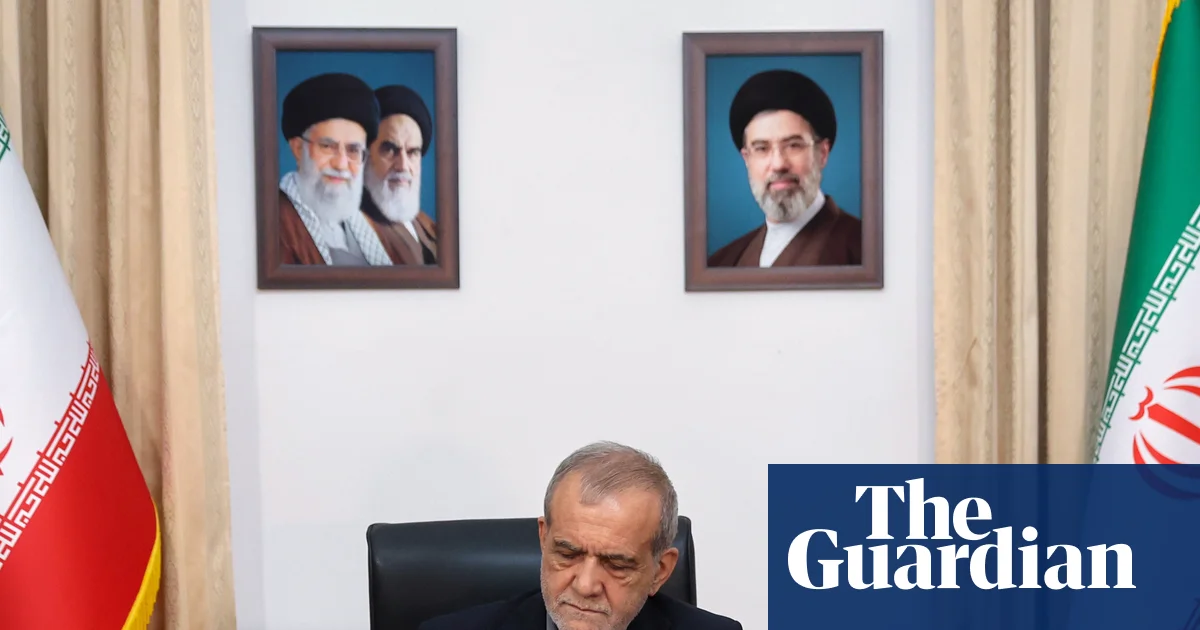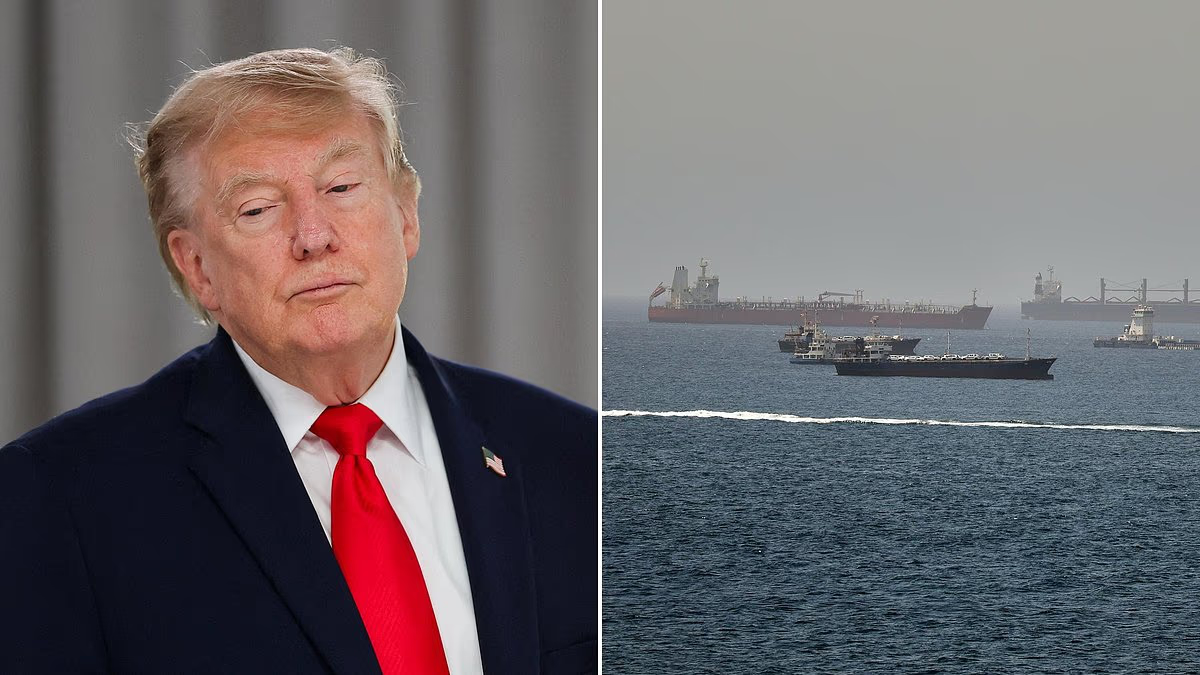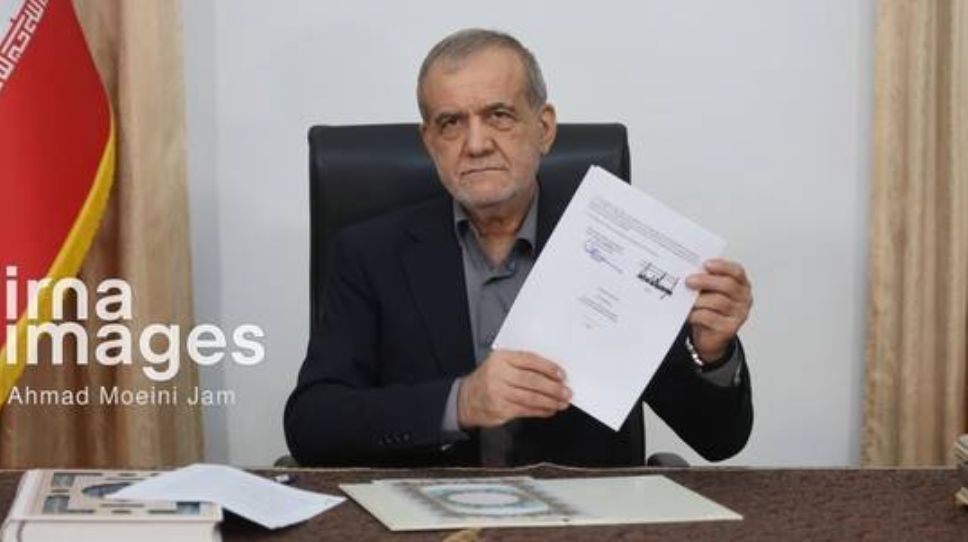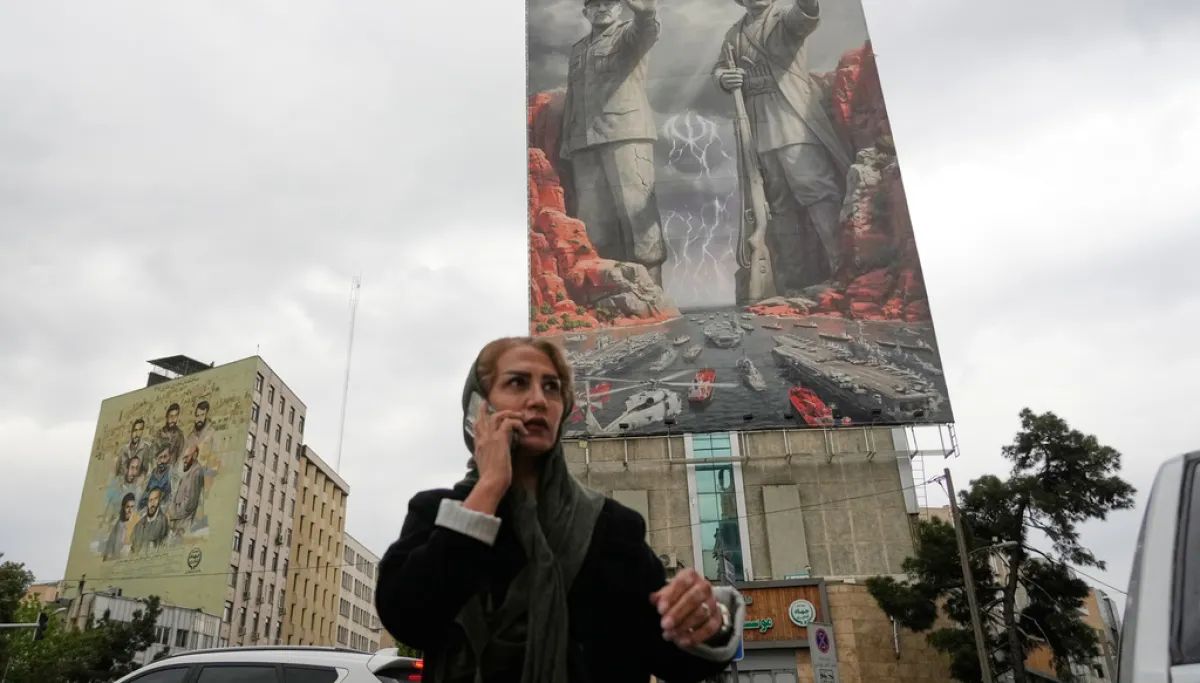
Iran‘s leadership has pitched its war with the United States and Israel as a triumph, emerging stronger and more resolute than ever, but the damage inflicted by the war may have fundamentally transformed the regime for the worse.After the U.S.-Iran memorandum of understanding was signed on Thursday, both sides quickly maneuvered to present the conflict as a victory. Tehran went beyond claiming it had achieved victory simply through survival, arguing it brought the U.S. and Israel to their knees and emerged stronger than ever.Janatan Sayeh, an Iranian-born dissident and research analyst with the Foundation for Defense of Democracies’s Iran Program, told the Washington Examiner Tehran probably genuinely believes it won, but only because of its low bar for success.
“The bar for success to the Islamic Republic was survival. So being able to survive as a regime is a win for them,” he said.Despite this self-perception, the war has weakened the government in several key ways, some of which they may not recover anytime soon, depending on postwar agreements.A battered military
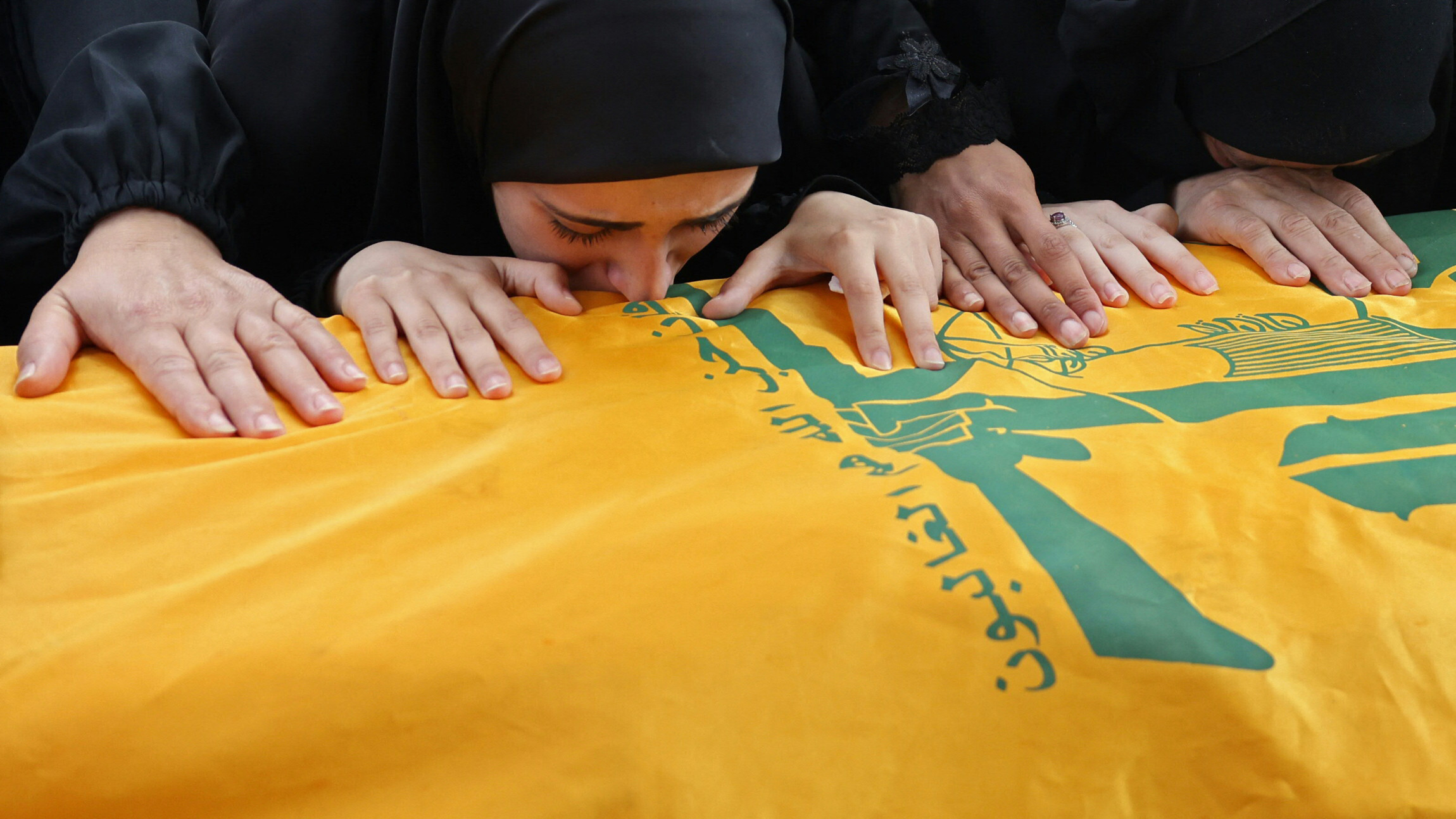
The long interlude between the April ceasefire and the MOU focused much of the public discussion on the war’s economic effects and diplomatic negotiations. Nearly four months out from the start of Operation Epic Fury, the staggering scale of Iranian casualties often goes under the radar.The 2026 war with Iran made history as one of, if not the most, lopsided armed conflict in modern history in terms of material and personnel losses. If counting only those killed by direct fire from one of the three main belligerents, the U.S. lost seven soldiers killed to Iranian fire and Israel lost nine, according to the latest official releases.By comparison, Iran suffered 6,000 killed military and security personnel, according to an Israeli intelligence estimate from mid-March. Three more weeks of intense bombing took place after this estimate was put out, meaning the real total is likely thousands higher.The Norway-based Hengaw Organization for Human Rights calculated that at least 6,620 military personnel were killed, another likely undercount given the internet blackout and restrictions on recording losses. Given the regime’s secrecy, the true number of dead may not be known for some time.To put in perspective just how lopsided the casualties were, taking the undercount of 6,000 Iranians dead, roughly 375 Iranian military personnel were killed for every single U.S. and Israeli soldier. This ratio is unparalleled in any modern conflict, dwarfing even the Gulf War.The damage to Iran’s defense and security infrastructure was just as bad, if not worse. Guards’ bases, Basij centers, military airports, missile launchers and storage sites, police stations, judicial centers, intelligence centers, Guards’ barracks, radars, air defense batteries, drone production and storage sites, and other critical infrastructure built up over decades were heavily targeted and destroyed, much of which was likely irreplaceable.“Most military hardware has a use-life measured in decades, and rebuilding Iran’s nuclear program, missile production infrastructure, and naval fleet would require, not only substantial financial resources, but time, technical expertise, and supply chains that U.S. sanctions have already severely constrained,” FDD’s Center on Economic and Financial Power senior research analyst Daniel Swift and FDD’s CEFP senior director Elaine Dezenski wrote in a May report.Iran’s major card was its blockade of the Strait of Hormuz, which was made possible due to the country’s presence on the vital waterway. Shipping came to a halt mainly because shipping insurance companies were unwilling to insure vessels traversing the strait, meaning Iran only had to scatter a relatively small number of mines and make a few symbolic drone attacks to effectively bring shipping to a halt.Iran’s Guards were able to build up a reputation for competency and effectiveness over decades of operations in Iraq, Syria, Lebanon, and elsewhere, positioning it for years as one of the most effective military powers in the region. Its one-sided destruction and overall poor performance in the war have shattered this aura, and will color its perception for years to come.Of equal, related importance is the damage done to Iran’s economy from the war and blockade, damage totaling in the hundreds of billions. In its current state, Sayeh said Iran “absolutely” cannot rebuild its military or economy to anything approaching prewar standards, and could only partially reconstitute its economy if it pursues that end at the expense of everything else.A restructured government