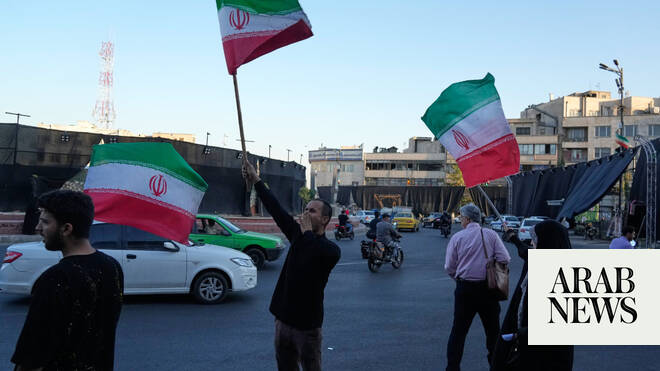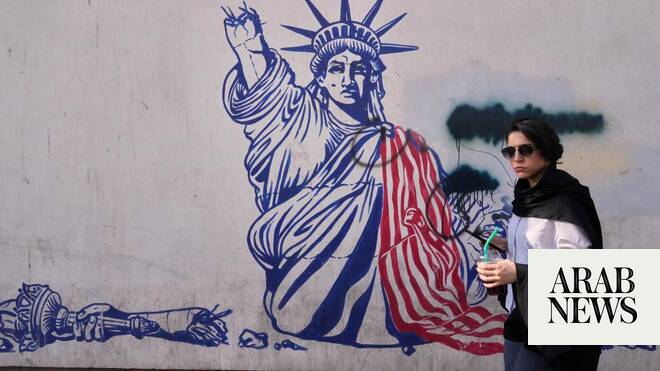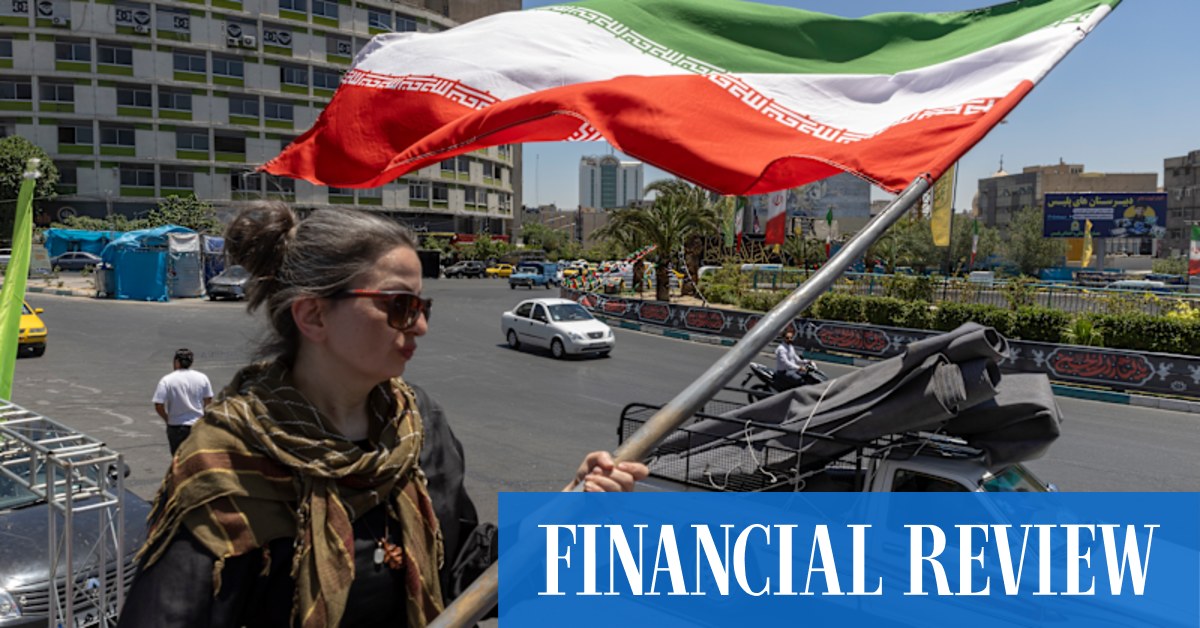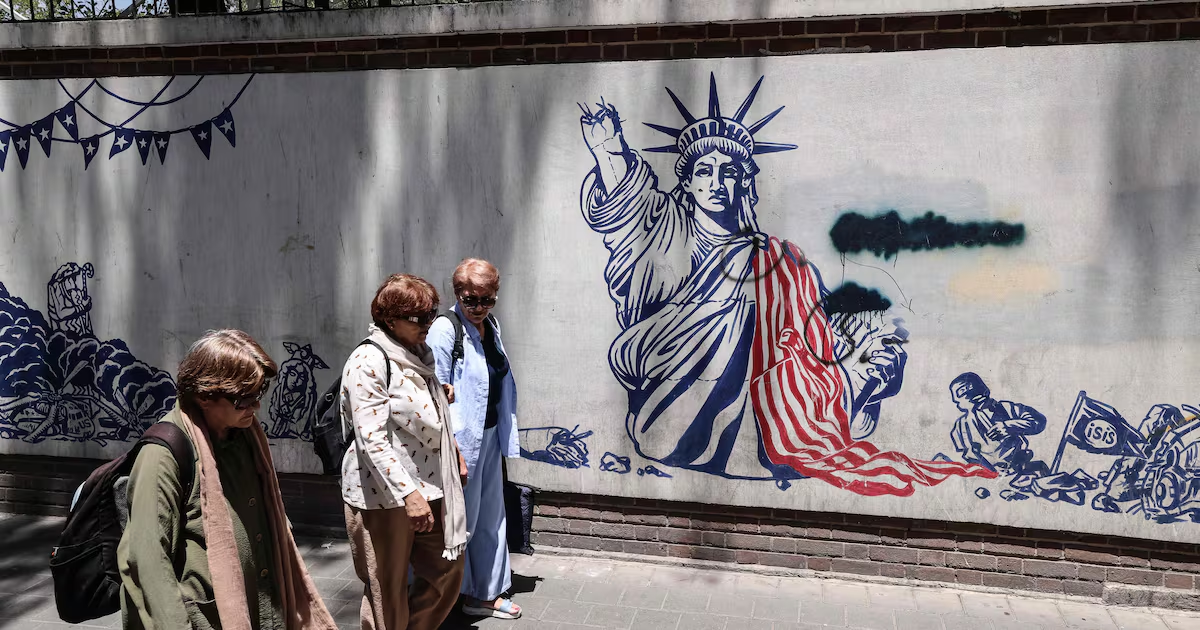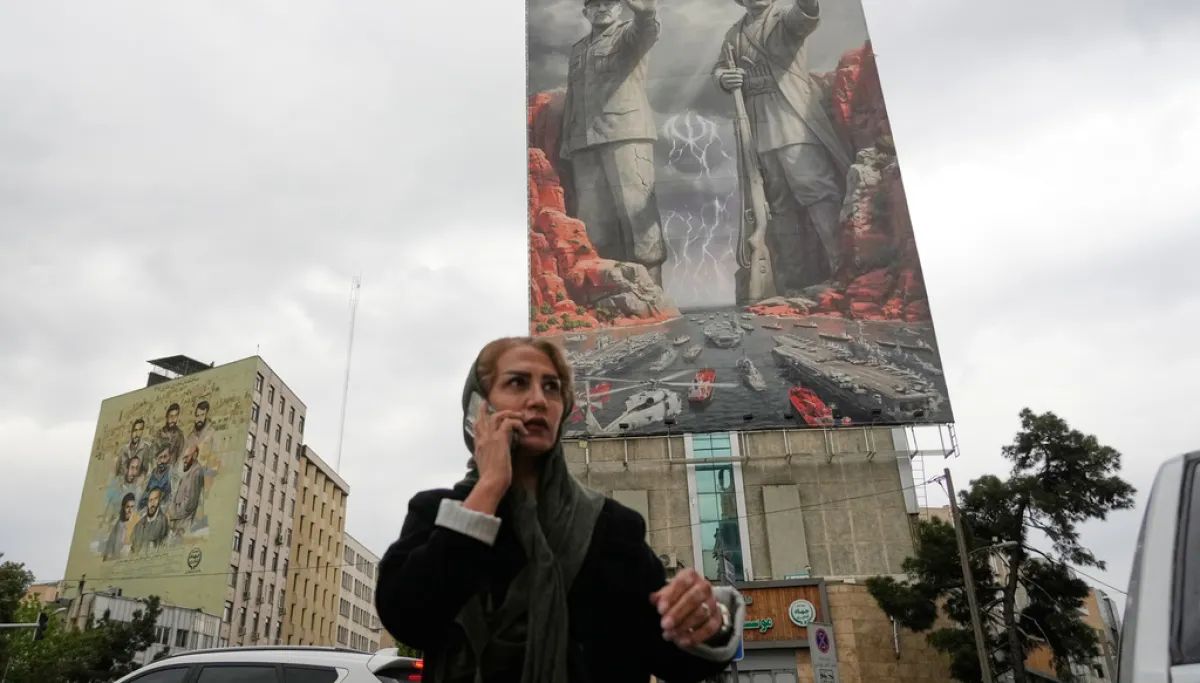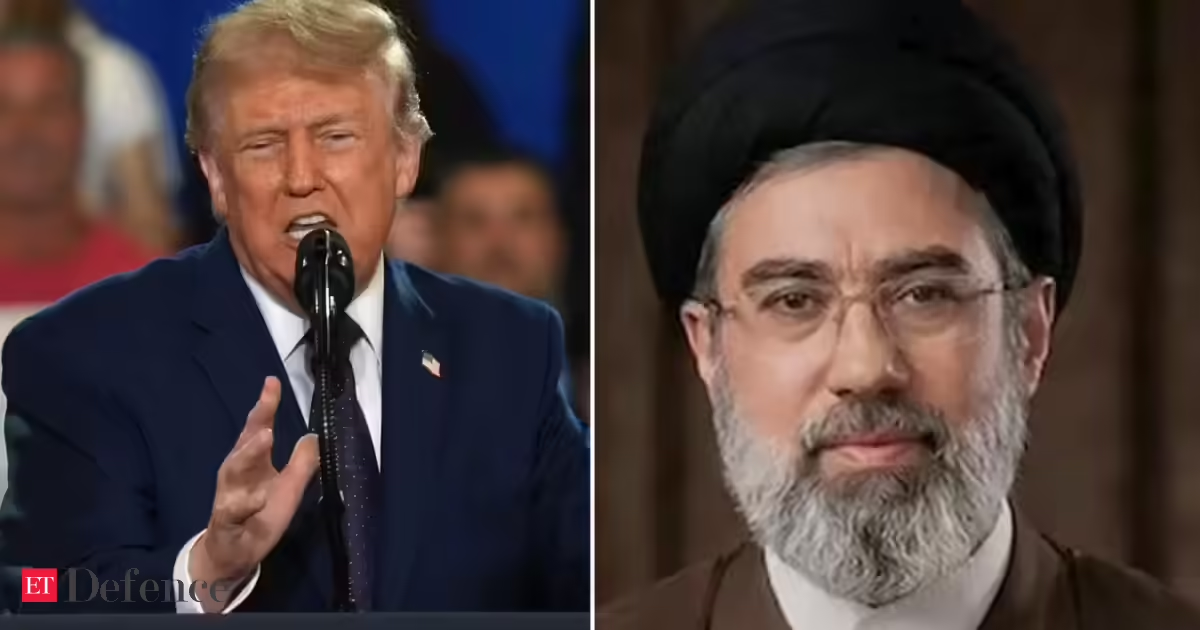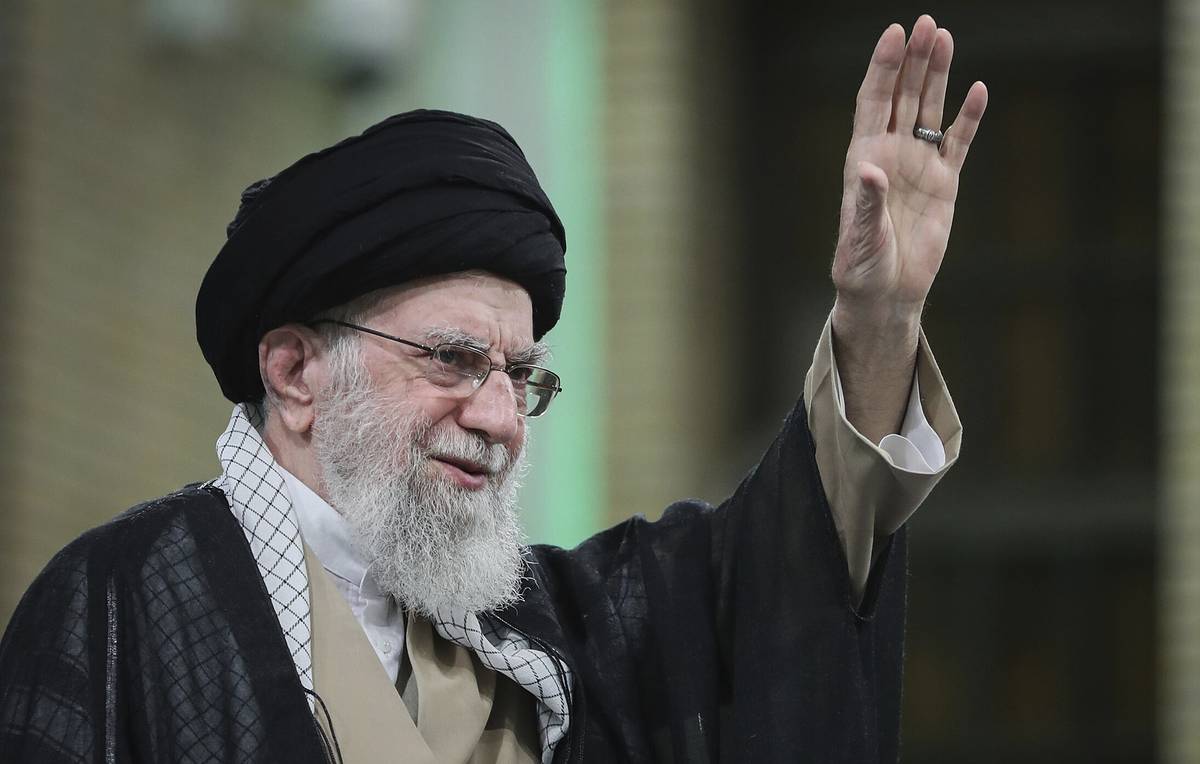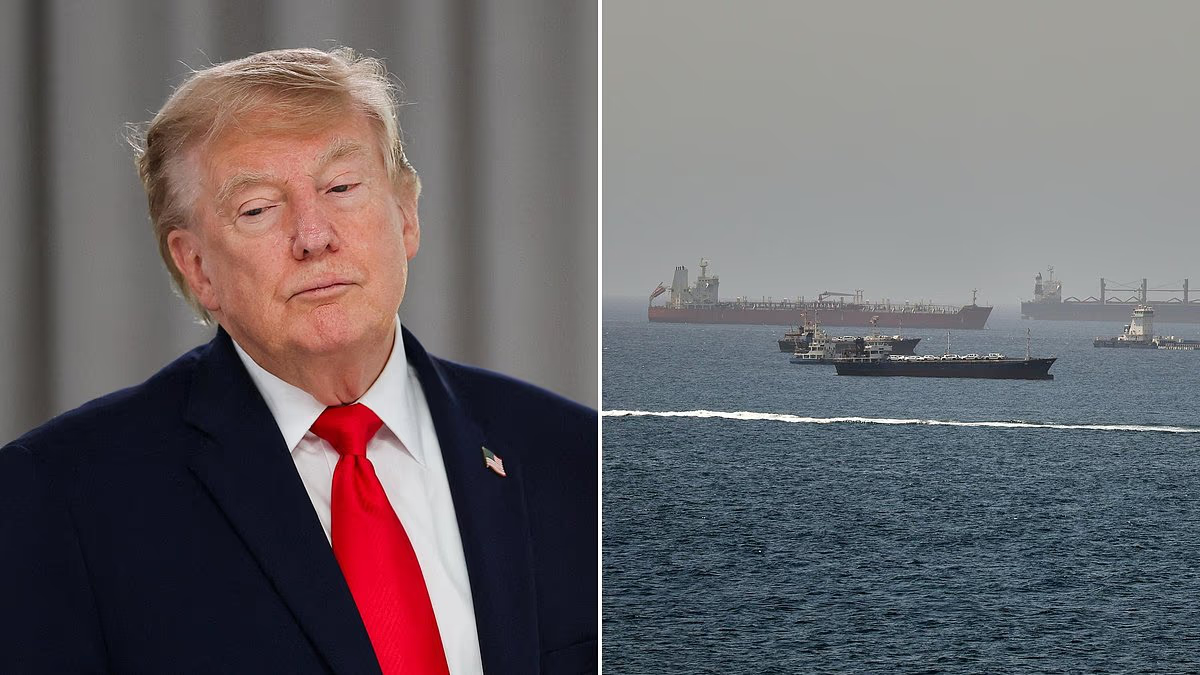
Tehran declared 'victory' over the US on Wednesday as the first Iranian oil tankers emerged from the recently lifted US blockade, days before Washington and Tehran are expected to sign a peace deal. According to regime insiders, the Islamic Republic believes the conflict has ultimately made them stronger, with Tehran emerging intact after the US failed to bring about the regime change that many adversaries hoped for. Iranian state media amplified this view, blasting victory anthems as Iranian oil tankers exited the zone in the Gulf blockaded by the US Navy on Wednesday.The TankerTrackers website said it was the country's 'first crude oil exports in two months'.'At least two National Iranian Tanker Company (NITC) VLCC supertankers named DIONA (9569695) and HERO2 (9362073) have exited the US Navy blockade perimeter carrying a combined total of 3.8 million barrels of Iranian crude oil between them,' TankerTrackers said in a post on X, citing digital tracking data corroborated by satellite imagery.The site - which monitors oil shipments and storage - later added that a third NITC tanker had 'exited the blockade line with 1 million barrels of Iranian crude oil'.Although Iran now faces the task of rebuilding cities devastated by airstrikes and mourning the deaths of some 3,500 civilians, officials in Tehran insist the war has not weakened the Islamic Republic. Speaking to the Financial Times, a regime insider said: 'The US made a big mistake. It awakened the sleeping dragon.' US President Donald Trump announced this weekend that a deal to end the war with Iran is 'all signed' Tankers and cargo vessels are seen in the Gulf of Oman, along shipping routes linking the Strait of Hormuz'We paid a huge price, but we activated capacities that we had previously hesitated to use.' Years of economic turmoil, mounting public frustration and the deadly unrest that erupted in January had led many observers, both within Iran and abroad, to believe the Islamic Republic might not withstand a direct confrontation with the US and Israel.After enduring two years of regional conflict that severely weakened Tehran and its proxies, the regime appeared increasingly vulnerable.But instead, Iran has successfully navigated a leadership transition and seized control over the strategic waterway through which roughly one-fifth of the world's oil and gas supplies flowed before the war.Tehran has also demonstrated its ability to target energy infrastructure and unsettle Washington's Gulf allies, while efforts by the US and Israel to spark a popular uprising against the regime have failed.Authorities have carried out executions linked to January's unrest and to accusations of wartime espionage, as they crush dissent in the country.And an internet blackout has also helped the regime tighten its grip on the population, limiting the flow of information and restricting communication across Iran.A senior western diplomat in Tehran said: 'The war fitted perfectly into their ideology and what they had been preparing for over decades. It strengthened them.' US President Donald Trump announced this weekend that a deal to end the war with Iran is 'all signed'.The official signing ceremony is set to be held on June 19 in Switzerland.Iran said Tuesday that talks with the US on its nuclear programme and sanctions relief would likely begin later this week, as Trump said the Strait of Hormuz would 'completely open' once the foes sign their deal.Officials say negotiations over a final deal would take place in a 60-day window after the memorandum of understanding to end nearly four months of war triggered by US-Israeli strikes on Iran is physically signed.'Likely on Friday, at a location to be determined... a new round of negotiations between Iran and the United States to reach a final agreement will begin,' Iranian Foreign Minister Abbas Araghchi said.'In the final agreement, decisions will be made on the nuclear issues and the lifting of sanctions.'The US will allow Iran to immediately begin selling oil and fuel under the deal to end the war, the Wall Street Journal reported on Tuesday, citing unnamed people familiar with the agreement.A waiver of sanctions on oil sales will take effect immediately after the signing, the Journal added, also covering services such as banking, transportation and insurance. A woman walks past a mural showing the US flag with barbed wire and the Statue Of Liberty with a skull face in Tehran, Iran People drive past an anti-US billboard depicting Donald Trump and the Strait of Hormuz in Tehran, IranSome issues remain unresolved, however, which could cause the deal to implode, officials have warned.Western officials previously believed Iran could eventually be persuaded to ship its stockpile of highly enriched uranium, much of it nearing weapons-grade purity, out of the country. But analysts now say such a concession is now unthinkable in Tehran, where the conflict has hardened attitudes and reshaped the regime's strategic outlook.Instead, the proposed agreement would require Iran, at a minimum, to dilute its enriched uranium stockpile under the supervision of the International Atomic Energy Agency.Because of this, not everyone in Iran is prepared to declare complete victory, with one regime insider saying: 'Victory is when our achievements are converted into lasting gains.''Victory is when Iran's right to enrich uranium is recognised, our enriched uranium remains inside the country and the US role in the region shrinks to zero.' The agreed framework has reportedly however paved the way for talks on the key dispute.Asked at the G7 in France when the text would be released, Trump said: 'It's a very powerful document, and I want it to be released. So probably pretty soon.'Analysts have now warned that the parallel conflict in Lebanon between Israel and Iran-backed Hezbollah presents the biggest threat to the diplomatic thaw.Lebanon was pulled into the war in March when Hezbollah launched rockets at Israel after the killing of Iran's supreme leader, prompting Israeli strikes and a ground invasion.That theatre of the conflict could be 'the biggest ultimate spoiler' of the coming negotiations, said Ross Harrison, a senior fellow at the Middle East Institute.
Tehran claims 'victory' over America ahead of deal
According to regime insiders, the Islamic Republic believes the conflict has ultimately made them stronger.
988 words~4 min read