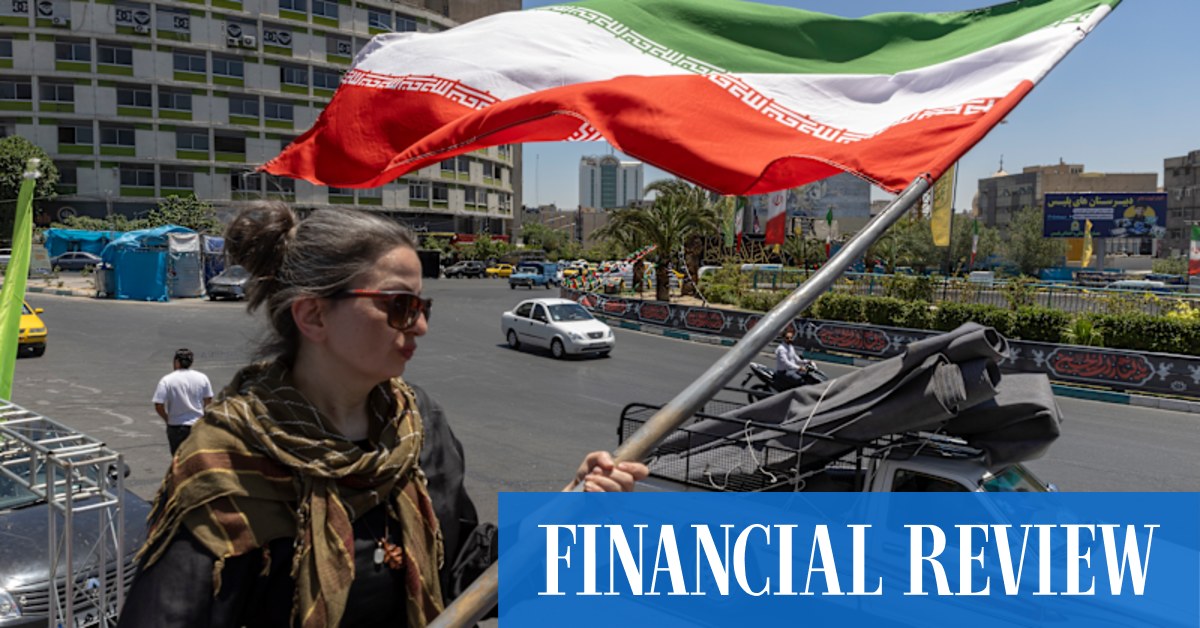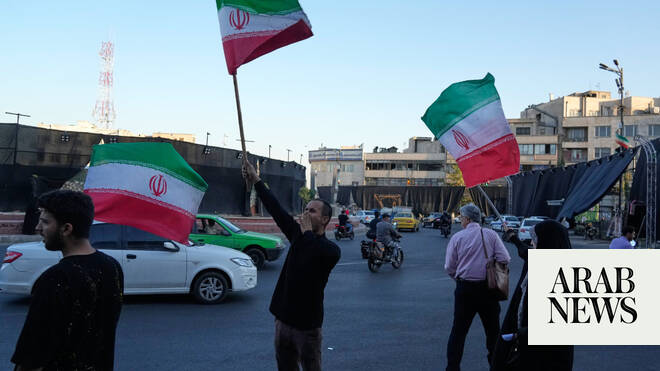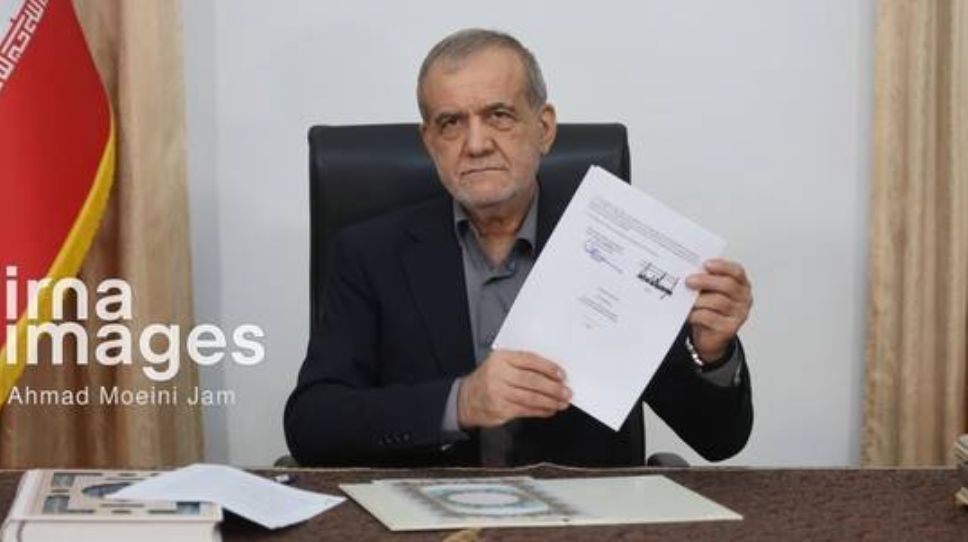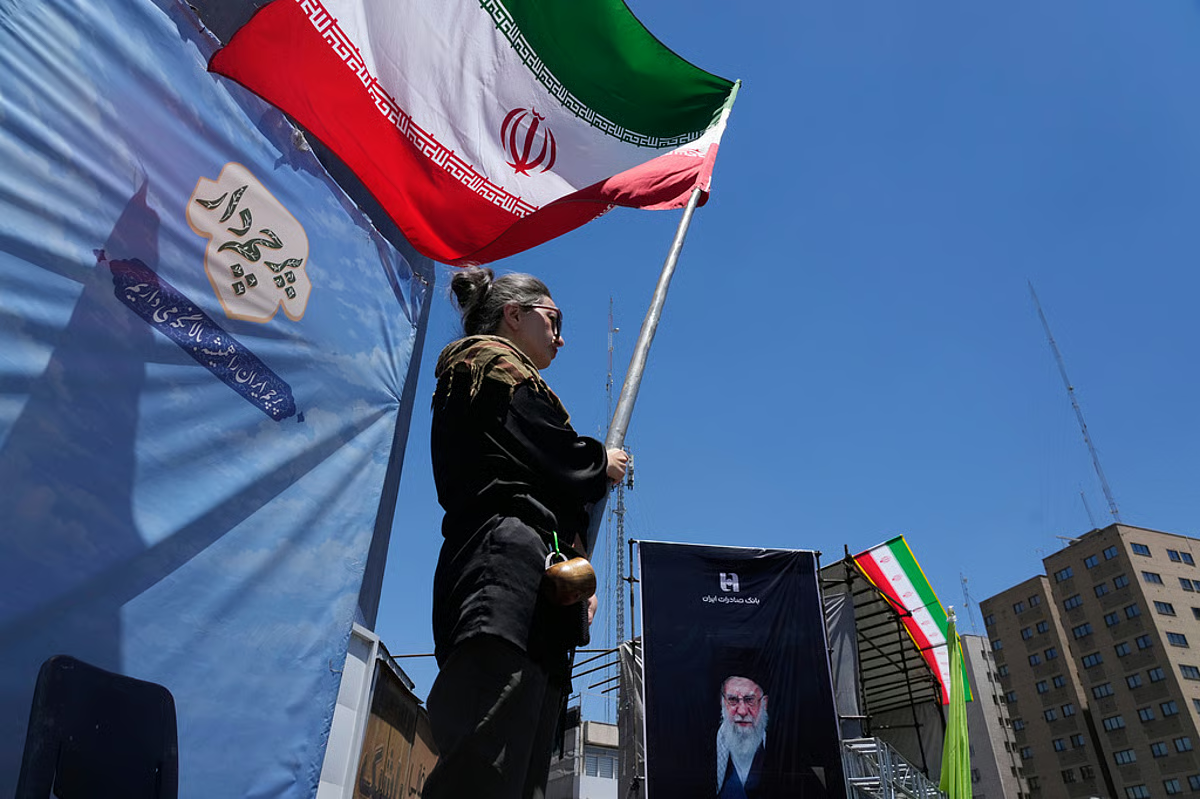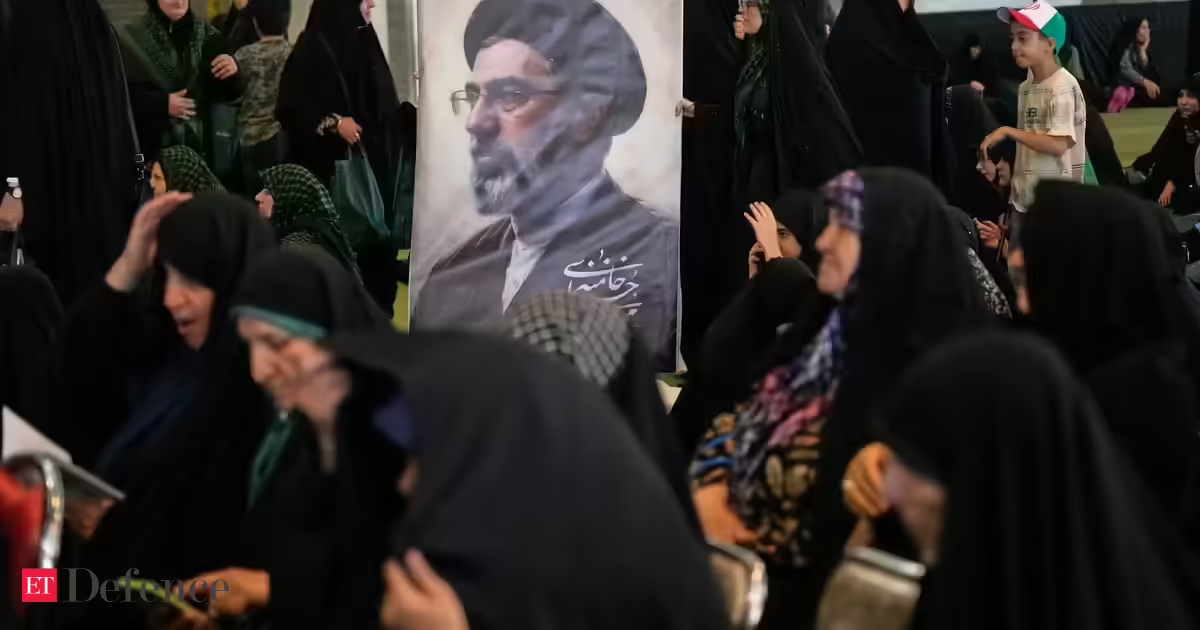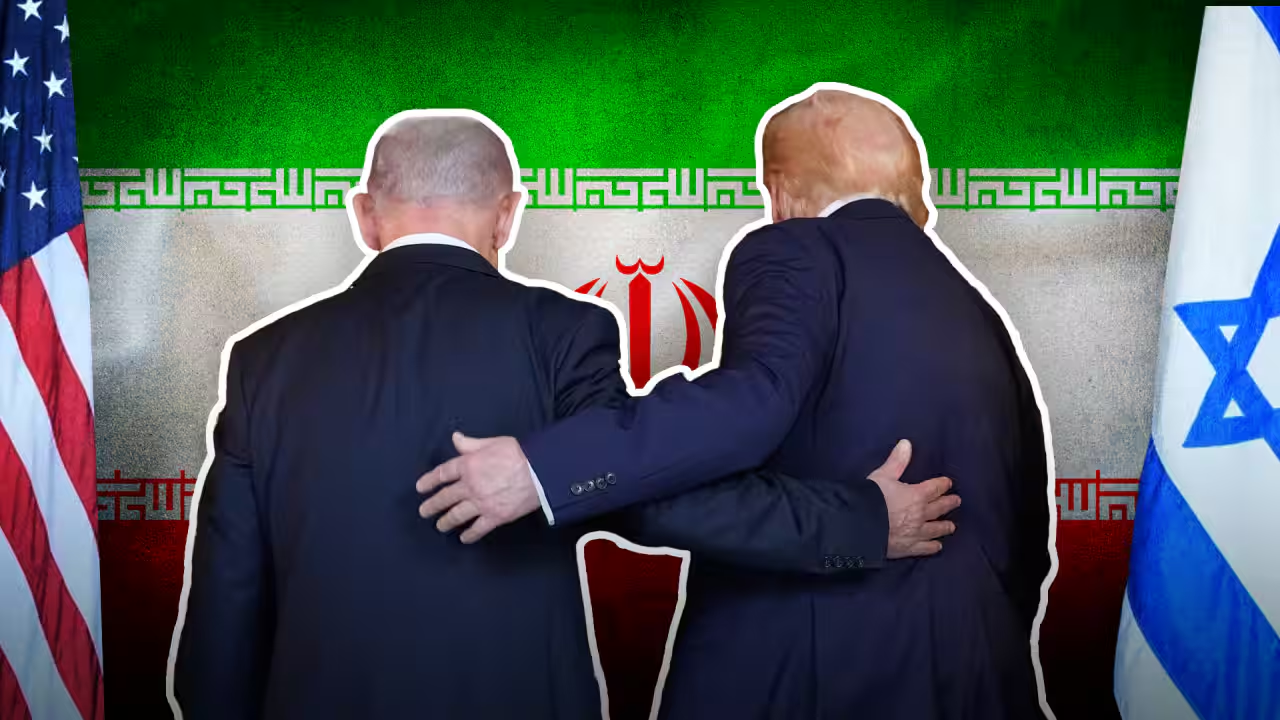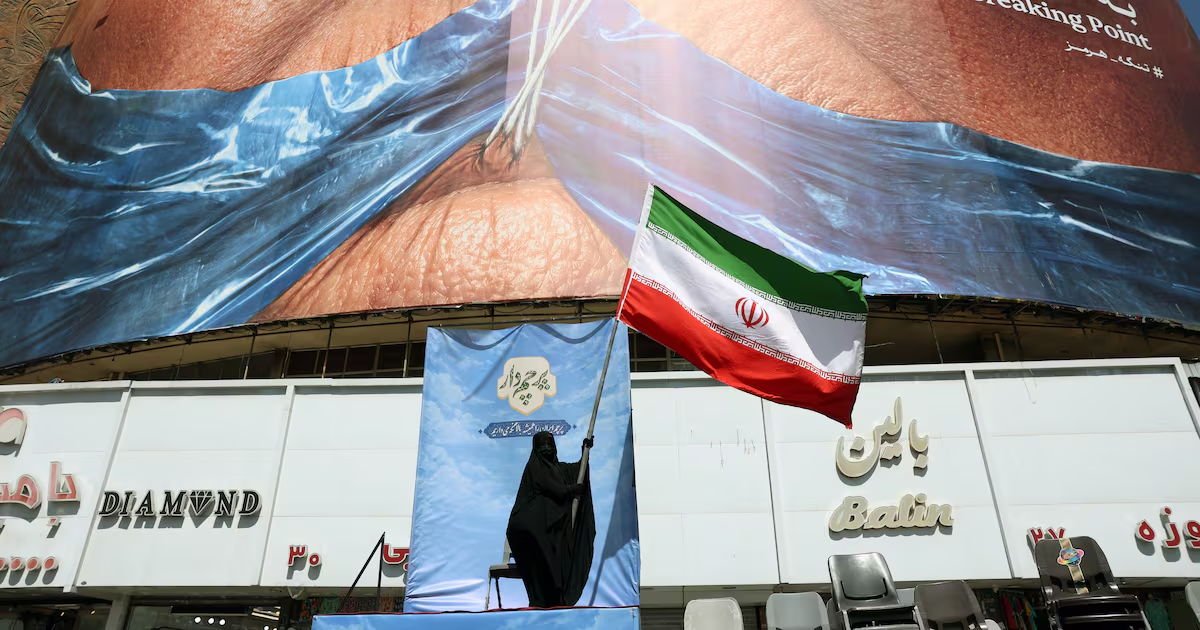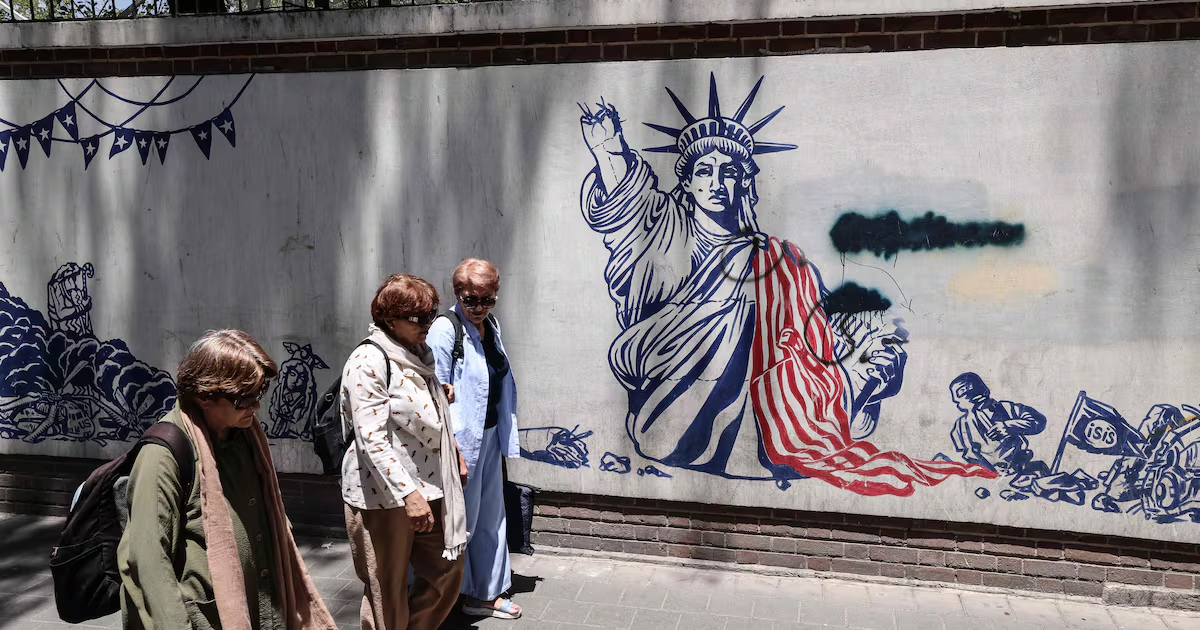
The US-Iran deal appears to have handed Tehran's hardline regime a significant victory, at least in the short term. But what happens to the Iranian state further down the line is less obvious.The war, launched by US President Donald Trump and Israel on February 28, failed to oust the Iranian regime or eliminate its ability to threaten the region and the Strait of Hormuz, leaving Tehran in a position of strength. In Washington, analysts noted that survival alone can be read as a win, especially after Iran scoffed at Mr Trump's demand for its unconditional surrender.Brian Katulis, a senior fellow at the Middle East Institute, said the deal will further increase the Iranian regime's “vice grip on its own people – without eliminating Iran’s ability to continue threatening US partners and interests in the region”.The US and Israel launched more than 13,000 strikes against Iran's military, leaders and its nuclear sites, and killed supreme leader Ayatollah Ali Khamenei. But he was replaced by his son, and despite Iran's naval forces having been devastated, the country retained sufficient drone and missile capabilities to be a menace in the Strait of Hormuz.“The 'military option' did not work. It resulted in [the] strait closing and Iran switching from a doddering hardline leader to a more capable hardline leader,” Democratic senator Chris Murphy said on X. “It didn't eliminate their nuclear, missile or drone programmes. It just made Iran stronger.”Inside Iran, the deal has not been met with universal support. Ultraconservative factions say it does not guarantee enough concessions.Ayatollah Mojtaba Khamenei, Iran's new supreme leader, who has not been seen in public since his appointment in early March, declared “definitive victory” for Iran in a written message. Brig Gen Esmail Qaani, of the Islamic Revolutionary Guard Corps, the loyalist military force seen as close to Mr Khamenei, similarly spoke of victory.But others warned that unresolved issues remain. Foreign Ministry spokesman Esmaeil Baghaei said the deal was “merely an initial step towards reducing tensions”. He warned that ending the war in Lebanon was an “inseparable” part of the agreement, something many Israeli politicians are unwilling to do.Mr Baghaei also suggested that some fees could be charged in the strait even after the negotiations. Mr Trump had said shipping lanes should reopen immediately.President Masoud Pezeshkian, meanwhile, said the deal would be an honourable one for Iran “if all the provisions of the memorandum of understanding are implemented properly”.He revealed that about 90 per cent of Iran’s Supreme National Security Council had voted in favour of the peace process, suggesting some internal dissent. The council’s former secretary Ali Larijani was among the top figures that Israel assassinated during the war.Mr Pezeshkian is widely seen as having been sidelined on military and security matters and has devoted much of his time to the home front, telling Iranians to save energy for the war effort.If the deal is fully implemented and Iran meets its obligations, it can expect a massive windfall in the form of billions of dollars of sanctions relief. That could fuel expectations for the economy and living standards to improve. If the Iranian state fails to deliver, it risks even greater unpopularity.Mark Dubowitz, chief executive of the Foundation of Defence of Democracies, and a long-time critic of Barack Obama's 2015 deal with Iran, expressed confidence that the Iranian regime is on its way out, provided the US supports the general population.“In 23 years of working on Iran, I’ve never been more confident that we will see the end of the Islamic republic,” he wrote on X. “Ignore the spin. Drown out the noise. Make maximum support for the Iranian people a central pillar of America’s Iran policy.”
US-Iran deal hands Tehran a win, at least in the short term | The National
Regime claims 'definitive victory' after being struck 13,000 times by the US and Israel
611 words~3 min read