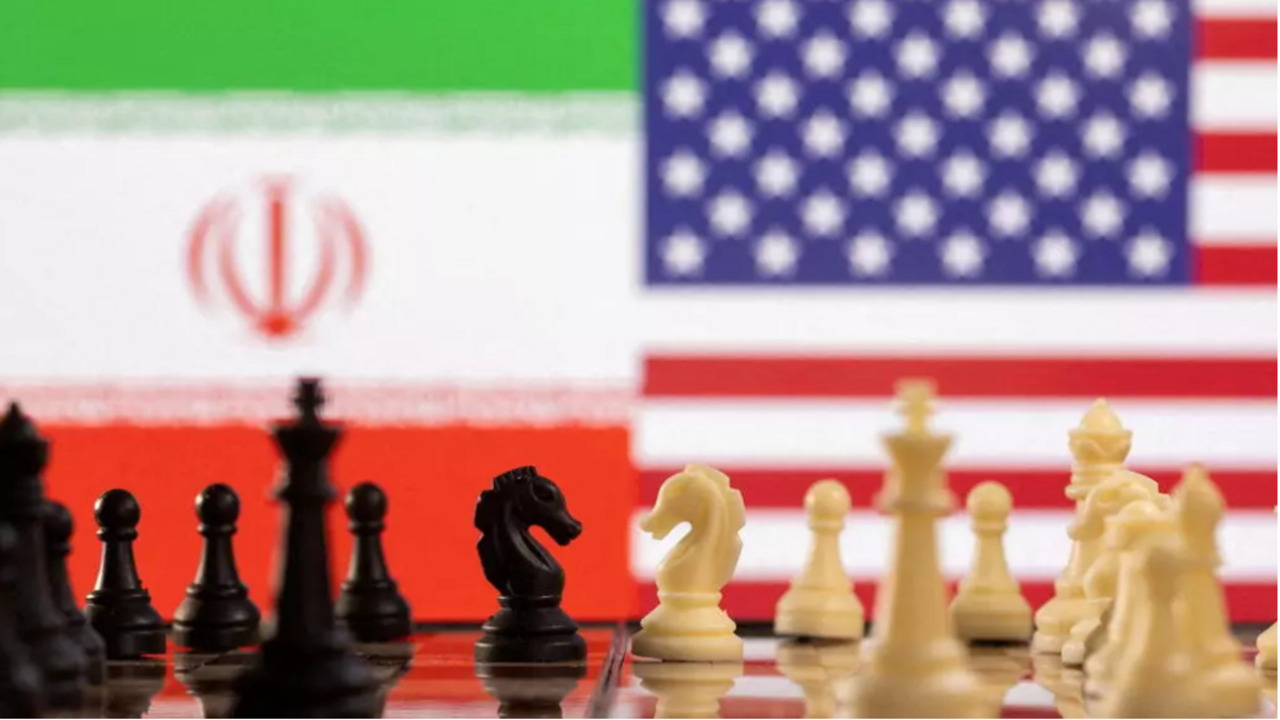
After weeks of on-again, off-again negotiations, US President Donald Trump finally seems to have secured an agreement from the Iranian regime to end the war that has roiled the region – and global energy markets – since late February.Just what’s been agreed to, however, will likely remain contested until the deal is expected to be signed on Friday.Spurred on by Israeli Prime Minister Benjamin Netanyahu, Trump launched the war on February 28 with the goal of toppling the Iranian regime and making Tehran capitulate – much as he had done in Venezuela.However, he could not achieve this goal in the face of Tehran’s robust defensive response. Under enormous domestic and international pressure, Trump ultimately decided he had to take the diplomatic resolution available to him to end the conflict as quickly as he could.The “memorandum of understanding” that Washington and Tehran have just announced is a confirmation of this reality.It will leave Iran in a stronger position than before the war, the US with far less leverage in the region, and Israel in the lurch. The deal will also prompt the Arab states in the Persian Gulf to reassess their security alliances with the US and come to terms with Iran as an influential regional player.Few apparent points of agreementIranian and US sources have provided different versions of the deal.Both sides seem to have agreed to allow traffic to resume in the Strait of Hormuz and lift the US naval blockade of Iran’s ports. Negotiations will also continue over the next 60 days on Iran’s nuclear program.Beyond this, the two sides appear to be far apart on other issues.According to Iranian media, the deal would halt the fighting on all fronts, including Israel’s bombing of Lebanon, and reopen the Strait of Hormuz within 30 days “under Iranian arrangements”.It also calls for the release of US$24 billion in frozen Iranian assets during the 60-day negotiations, and obliges the US and its allies to deliver reconstruction plans for Iran worth at least US$300 billion.What do we know about details of anticipated Iran-US MoU?A source close to Iran's negotiating team has released new details of the draft MoU, including the release of $24 billion in frozen funds during a 60-day final negotiation period.https://t.co/IXXQB6BkEf— Mehr News Agency (@MehrnewsCom) June 13, 2026
US, Israel have nothing to show for meaningless war that puts Iran in stronger position
The peace deal announcement is a confirmation that Washington and Tel Aviv failed altering the regional order to their advantage.
1,015 words~5 min read