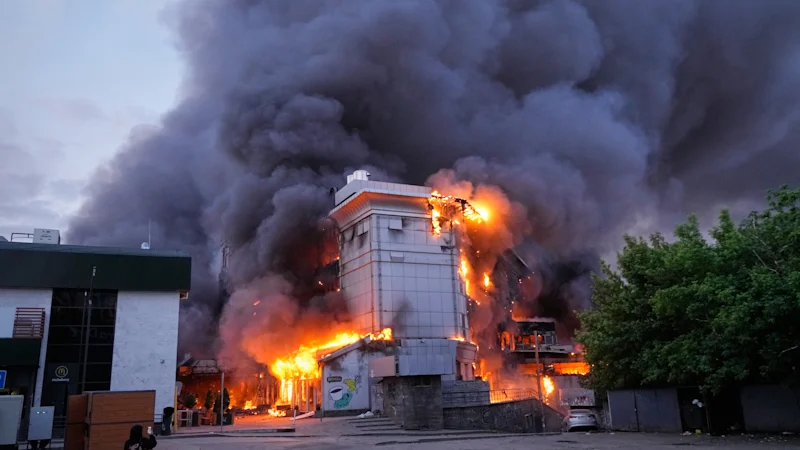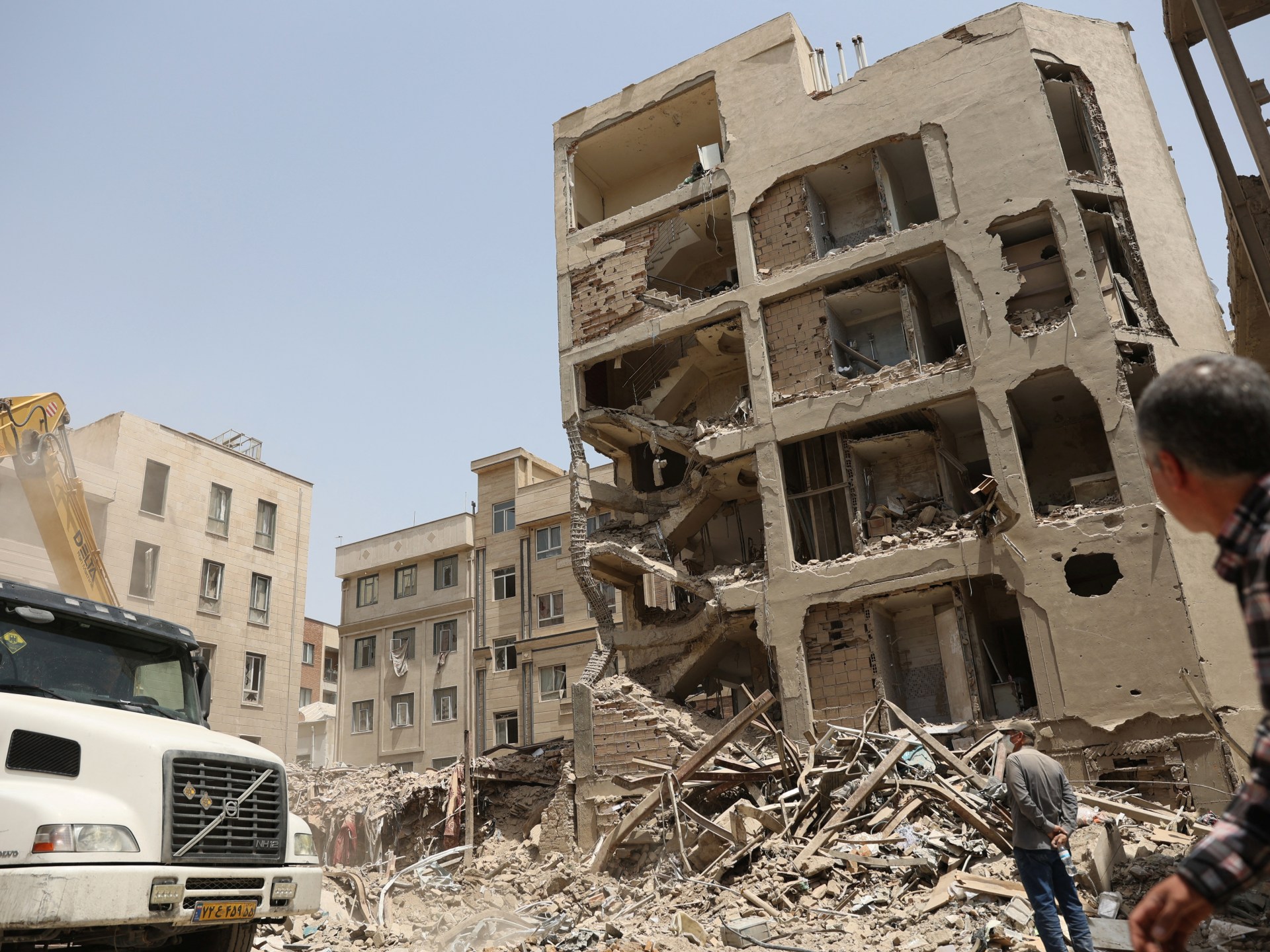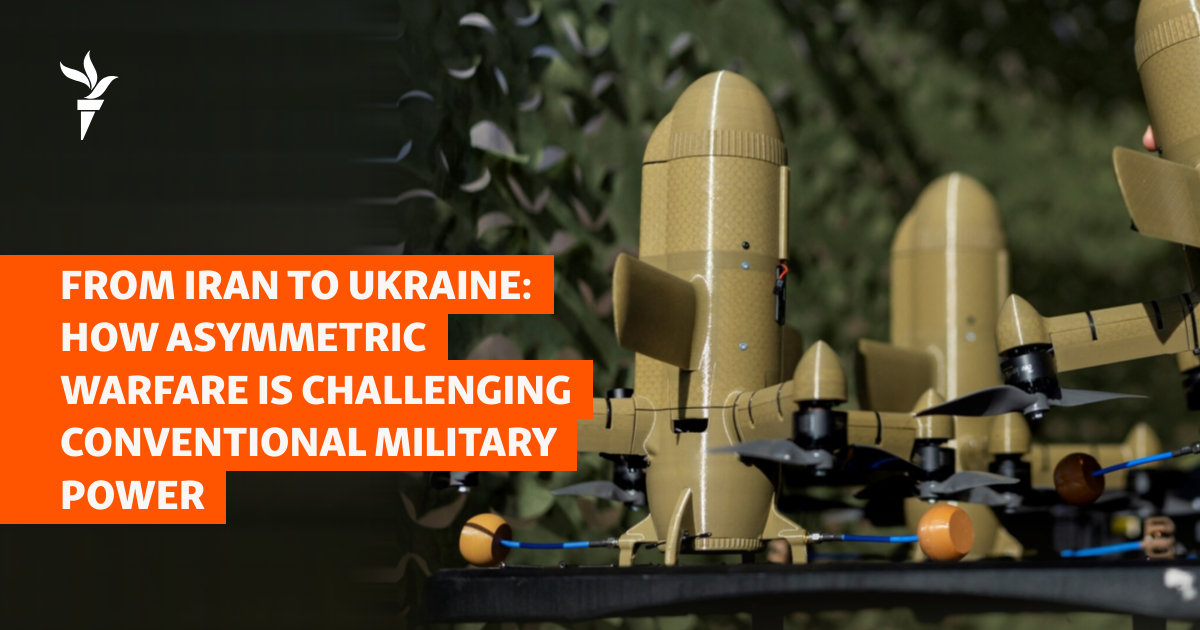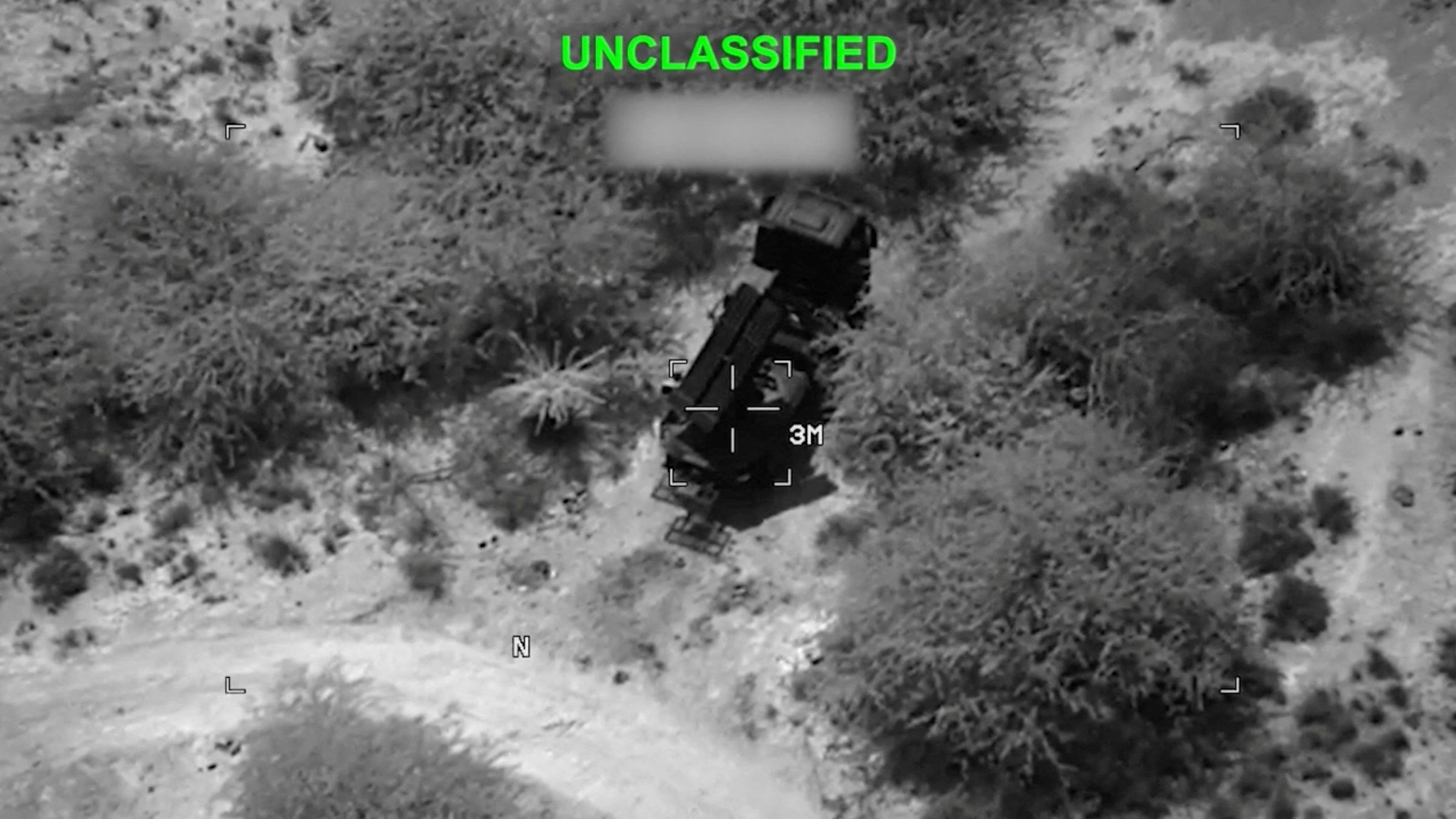
Every era has its defining wars, and each war develops its own character. Recent conflicts – from Nagorno-Karabakh to the Russia-Ukraine war – have given rise to a new generation of hybrid warfare. Such wars have become relatively easy to start but increasingly difficult to end. The Nagorno-Karabakh conflict, although sharing many characteristics with today's hybrid wars, was different in one important respect: it concluded swiftly with a decisive military victory.
When Russia, as a major power, invaded Ukraine, the general expectation was that the war would be over within days or, at most, a few weeks. Yet Russia's initial strategic miscalculations prevented it from achieving the rapid advances it had anticipated.
Over time, with growing military and financial support from the U.S. and European countries, Ukraine significantly strengthened its resistance, in addition to its national characteristics of resilience. Although it lost territory in the early stages of the conflict, it gradually restored a military balance.
Modern warfare paradigm
Initially fighting from a defensive position, Ukraine increasingly adopted the new methods of warfare that became evident during the Nagorno-Karabakh conflict. As Francis Fukuyama observed, the paradigm of modern warfare had fundamentally changed – a transformation he argued was driven largely by Selçuk Bayraktar's innovations in drone technology.