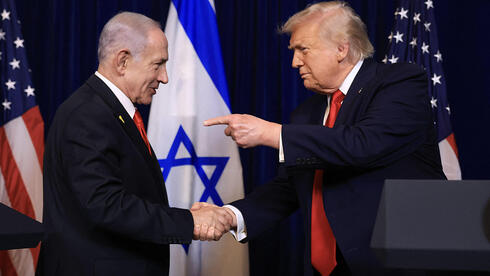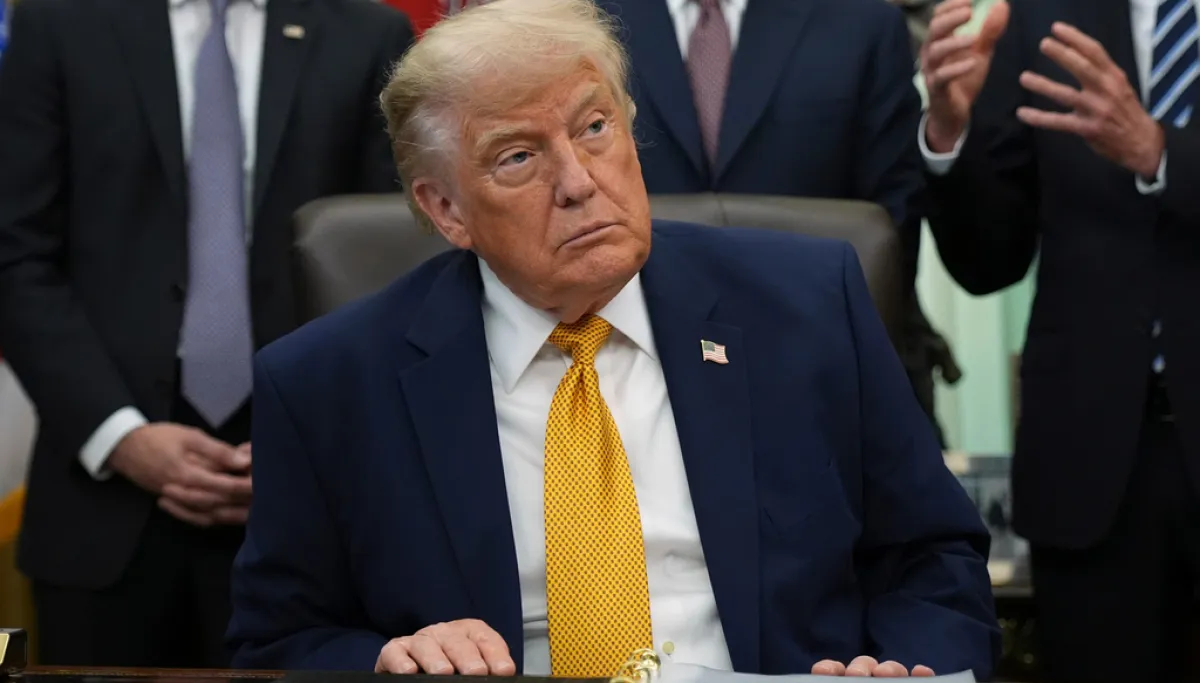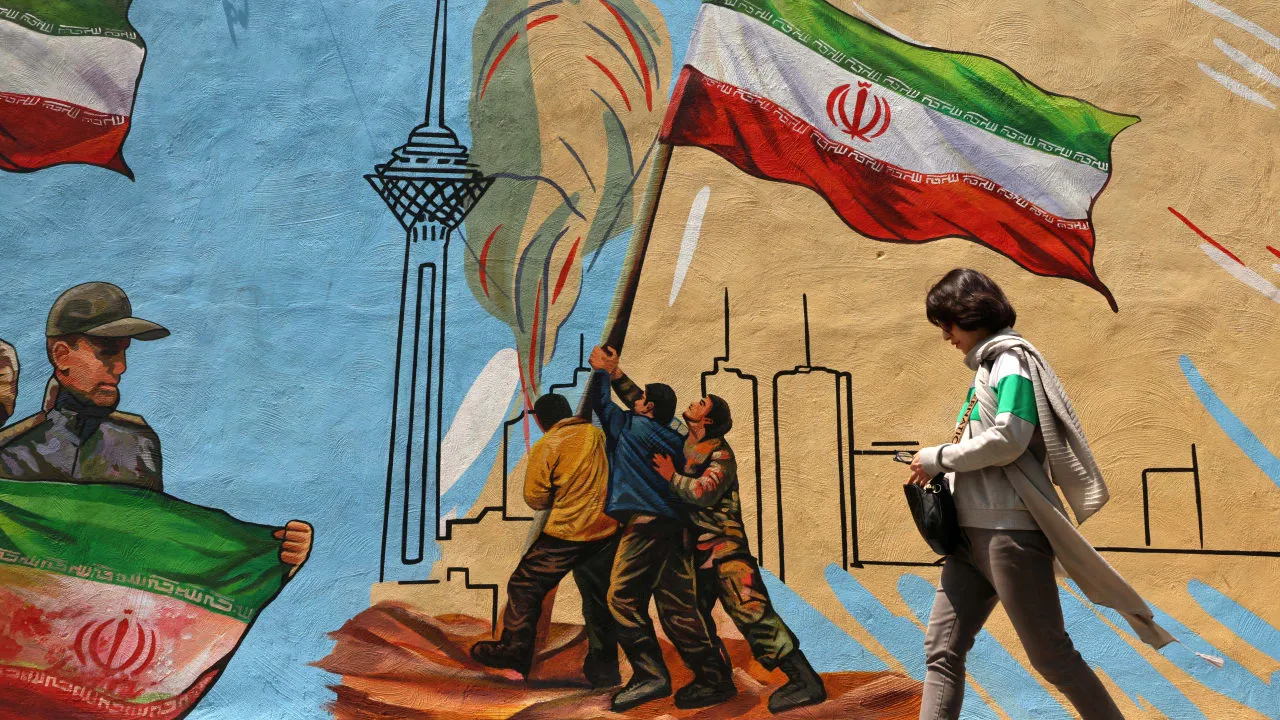
ByCOLONEL (RET.) ADI BERSHADSKYJULY 16, 2026 09:06Updated: JULY 16, 2026 09:10In the modern era, it seems we have become highly proficient at waging wars but have largely forgotten how to bring them to a close. We invest enormous resources in developing advanced weapons, designing sophisticated operational plans, and training generations of military commanders. Yet we often devote far less attention to planning the exit strategy.The result is evident. Many wars do not end in decisive victory but in negotiated arrangements, ceasefires, or fragile interim realities that gradually erode over time. Russia and Ukraine have now been at war for more than four years. India and Pakistan have lived under the shadow of an unresolved conflict since 1947, even if active fighting has not been continuous. Israel has faced Hamas and Hezbollah for decades, with repeated rounds of fighting ending in temporary truces rather than lasting solutions. Likewise, the confrontation with Iran remains far from a durable resolution.Perhaps, then, it is time to ask a different question: Why do wars fail to end and what does it actually take to end them?History teaches us that wars almost never end when the last shot is fired. They end when one side or both concludes that the cost of continuing the fighting outweighs any additional gains that can realistically be achieved.That is not weakness. It is strategy.Lebanese army officers patrol near the displaced peoples' makeshift encampment, amid a temporary ceasefire between Lebanon and Israel, in Beirut, Lebanon April 26, 2026 (credit: REUTERS/ZOHRA BENSEMRA)The Prussian military theorist Carl von Clausewitz, one of history's most influential strategic thinkers, famously wrote that "War is the continuation of politics by other means." The deeper meaning of this statement is often overlooked. Clausewitz was not glorifying war; he reminded us that war is an instrument of policy, not a substitute for it. Without a clear political objective, even the greatest military success may prove temporary and fragile.More than two thousand years earlier, the Chinese military philosopher Sun Tzu, author of The Art of War, argued that the highest form of victory is achieving one's objectives without prolonged warfare. Endless battles exhaust not only the defeated but also the victor.A similar principle guided Henry Kissinger, the American statesman and diplomat. Throughout his career, he maintained that military achievements must ultimately be translated into a stable political order. Otherwise, even the most impressive battlefield victories gradually lose their value.History repeatedly confirms this lesson.The United States won most of the tactical battles in Vietnam but failed to achieve its political objectives. After two decades of war in Afghanistan, the Taliban returned to power. Saddam Hussein was removed from power in Iraq within weeks, yet the country descended into years of violence, terrorism, and instability.Conversely, the Korean War ended not with a peace treaty but with an armistice, and despite the absence of formal peace, another full-scale war has been avoided for more than seventy years. In Northern Ireland, decades of violence gave way to a political agreement. In Bosnia, the Dayton Accords ended the war and established a new political and security framework. Likewise, peace between Israel and Egypt did not emerge from mutual trust but from a strategic recognition by both sides that continued war had become too costly.The lesson is unmistakable: wars do not end because the enemy disappears. They end when a framework is created that makes renewed conflict less attractive than maintaining peace.What does this mean for us?In Gaza, strategic thinking could have focused not only on military operations but also on the day after: Who governs? Who monitors? Who enforces? What happens if the arrangement collapses?A similar question applies to Lebanon. If significant military achievements have been secured against Hezbollah, should they not be consolidated through a political arrangement that strengthens the Lebanese state, creates effective enforcement mechanisms, and preserves Israel's ability to respond decisively to violations?The same applies to Iran. Military power alone cannot constitute a long-term strategy. Deterrence is indispensable, but lasting security ultimately requires a political framework capable of enduring beyond the battlefield.In both Ukraine and Kashmir, it is increasingly difficult to envision an outright military victory. If a solution eventually emerges, it will likely be an agreement that satisfies neither side completely—but one that both can ultimately live with.The leadership failureThis leads to the most difficult question of all: Is the real challenge the military or political leadership?Leaders are often elected because they project determination, strength, and promises of victory. They receive far less political reward for advocating compromise, diplomacy, or the difficult decision to end a war before it becomes endless.Yet ending a war at the right moment demands a different kind of courage.It requires telling the public: We have achieved our principal objectives. Beyond this point, the costs may exceed the benefits.That is often a far more difficult decision than ordering another military strike.It is no coincidence that throughout history many leaders have found it easier to continue fighting than to decide when enough is enough. Fear of political criticism, concern about appearing weak, and the temptation to pursue one more tactical success can transform a successful campaign into a prolonged war of attrition.True leadership is measured not only by the ability to lead a nation into battle. It is equally measured by the wisdom to recognize when it is time to move from the battlefield to the negotiating table.US President Donald Trump looks on from the lectern during remarks following the official signing of the first phase of the Gaza ceasefire agreement between Israel and Hamas, in Sharm El-Sheikh, Egypt, October 13, 2025 (credit: REUTERS/EVELYN HOCKSTEIN)The counterargumentThere is, of course, a compelling counterargument.Many would argue that there is simply no credible partner for negotiations with Hamas, Hezbollah, or Iran; that every agreement merely provides time to rearm; and that every ceasefire is simply an intermission before the next war.This is a serious argument and should not be dismissed.But it inevitably raises another question: If not an agreement, then what is the alternative? A war lasting another ten years? Twenty? Thirty?Even those who believe there is no negotiating partner must still present a long-םּterm strategy rather than merely extending the current reality indefinitely.Successful agreements are not built on trust alone. They are built on converging interests, credible deterrence, effective monitoring, robust enforcement mechanisms, and the willingness to respond decisively when violations occur.The right questionFrom the very first day of any war, governments should define not only how to win, but also how to end it.Who governs the day after? Who monitors compliance? Who enforces the agreement? What happens when violations occur? At what point should military operations give way to political strategy?These are not merely military questions. They are the most important strategic questions of all. Wars do not end with the last bullet.They end with some form of political arrangement.The only real question is whether we reach that moment through strength, strategic foresight, and our own initiative or whether we are dragged there only after years of additional bloodshed, destruction, and missed opportunities.Follow us on Google
The hardest part of war isn’t fighting it, it’s ending it wisely - opinion | The Jerusalem Post
From Gaza to Ukraine to Iran, battlefield gains mean little without a plan for the day after. Ending wars takes courage, not just force.
1,167 words~5 min read