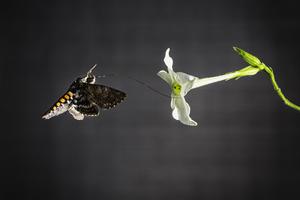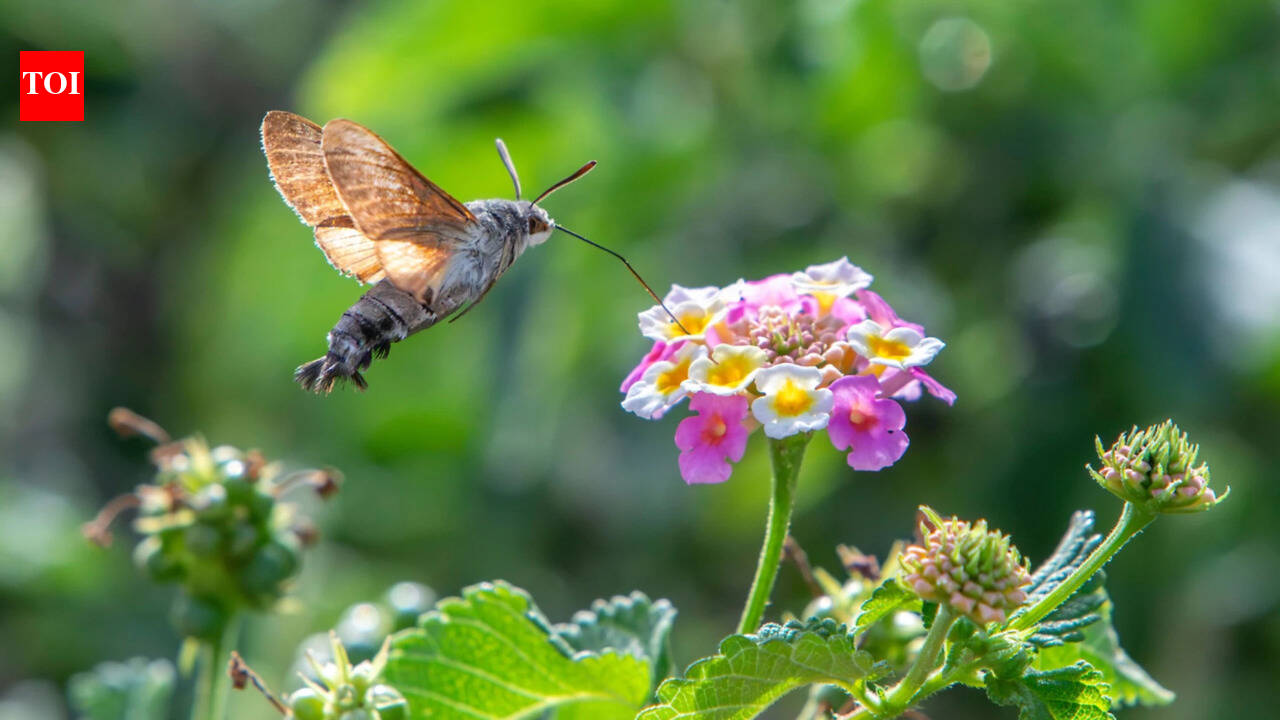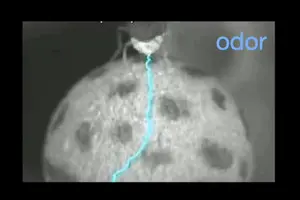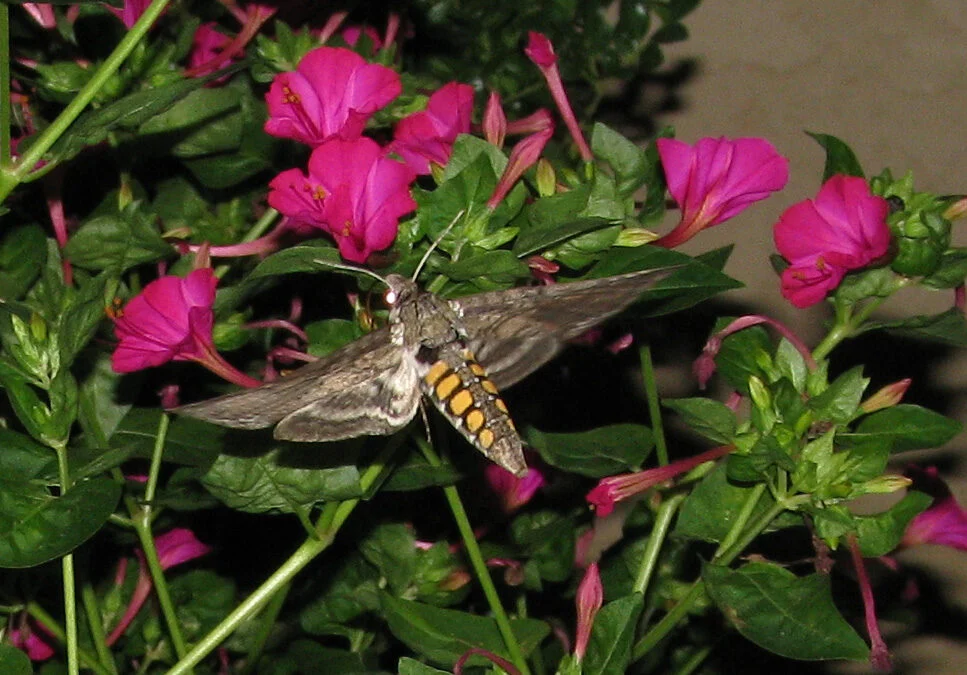
Smell is a complicated thing for insects. Research has shown that, despite limited neural capabilities, insects depend on olfactory cues to locate food, find mates, and avoid predators. Typically, this is done through their antennae, but not always. For the tobacco hawkmoth, its sense of smell is found in their wings, according to a study published today in the Journal of Experimental Biology. For the latest work, the researchers investigated a previously unexplored function of sensory hairs on the moth’s wings. What they found was that those hairs actively contributed to the moth’s “sense” of smell, not just a simple exchange of chemicals. Further analysis revealed that these hairs reacted to the stinky odor of nightshade plants, the moths’ favorite place to lay eggs. Sniff and flap According to the paper, insect wings carry numerous sensilla, which are tiny receptors shaped either like a small dome or a strand of hair. As sensilla play a key role in insect flight control, research has primarily focused on their mechanical function. Although scientists knew sensilla also had chemical functions, they were more interested in exploring the sensors’ role as “taste bristles,” as the paper puts it.
These Moths Smell Flowers Through Their Wings, Study Finds
Until now, scientists have mostly focused on the wings' mechanical function. Turns out there was a lot more going on then they realized.
486 words~2 min read