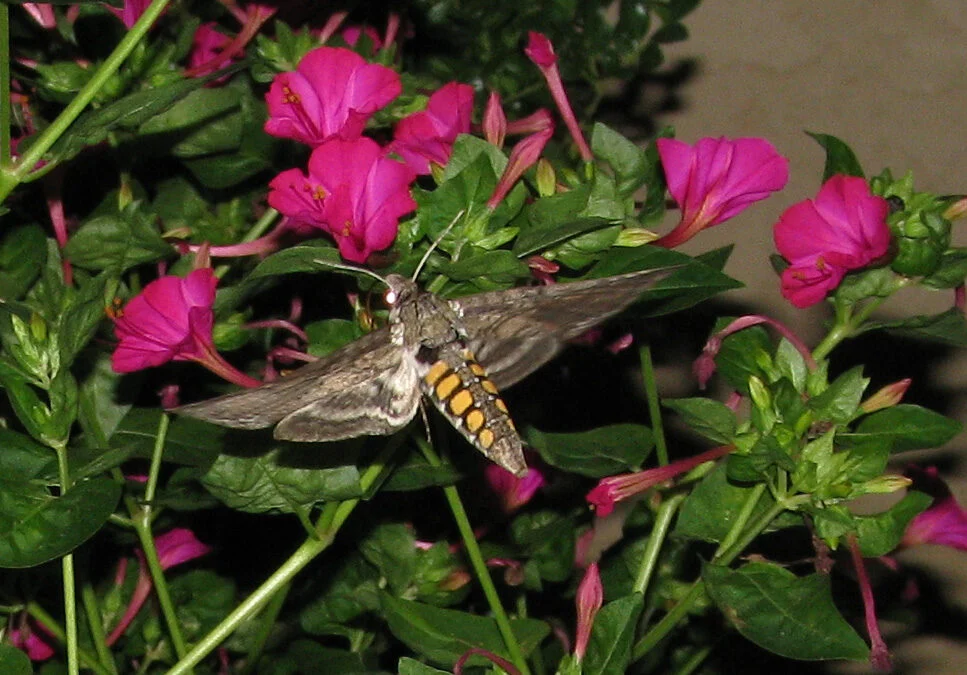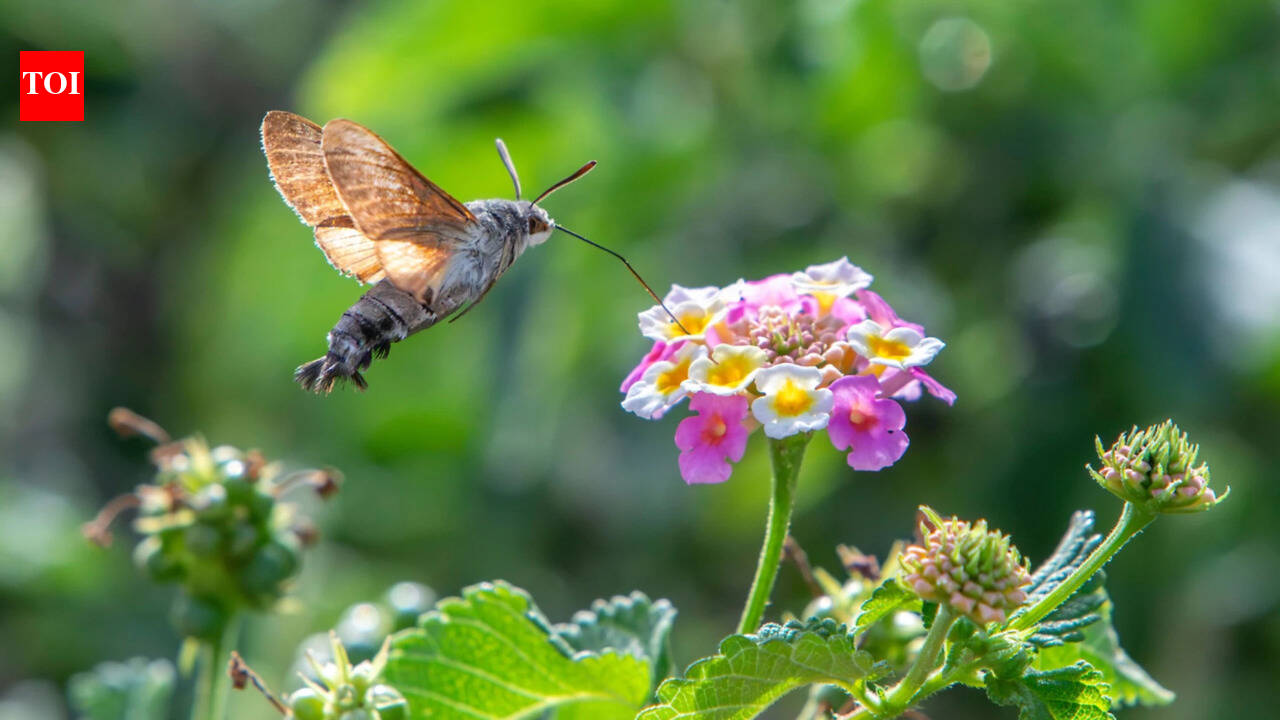
Hummingbird hawkmoths may have their own version of being left-handed or right-handed, using one preferred eye and one side of their long feeding tube together to search flowers for nectar.The discovery, made by a team of biologists at the University of Konstanz, shows how creatures with small brains save mental energy when making precise physical movements.In a study titled Conservation of a lateralized visuomotor axis in hawkmoth proboscis probing, published in the Proceedings of the National Academy of Sciences (PNAS), researchers Lochlan Walsh and Anna Stöckl tracked how these day-active insects check food sources while hovering in mid-air.Humans regularly favour one hand for writing or one foot for kicking a ball, a physical preference known as lateralization.
Animals ranging from birds to octopuses show similar preferences with their arms, legs, or antennae.
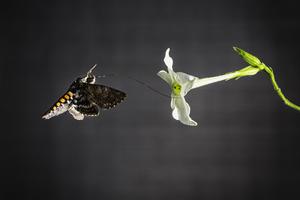
The Konstanz team wanted to test if this preference also applies to single organs located in the middle of the body, like a moth's long feeding tube, called a proboscis.Tracking feeding tube movements in detailTo test their idea, the scientists placed hummingbird hawkmoths near artificial flowers.
High-speed cameras and computer tracking software recorded the insects' exact movements relative to the middle of their bodies.The recordings showed that individual moths consistently swung their proboscis towards either the left or right side of their body while searching for nectar.