view more
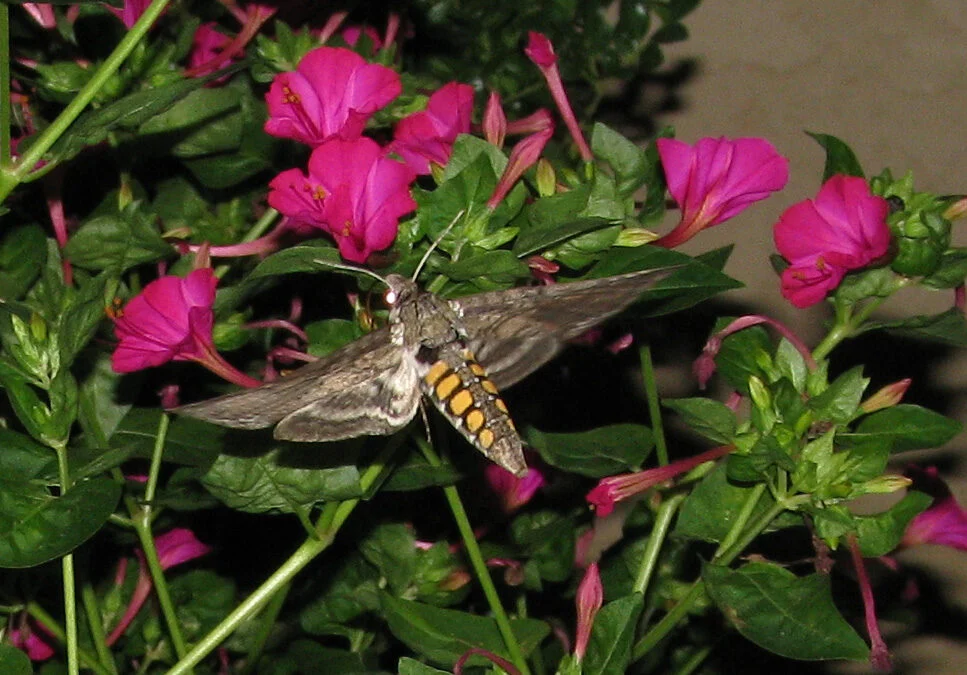
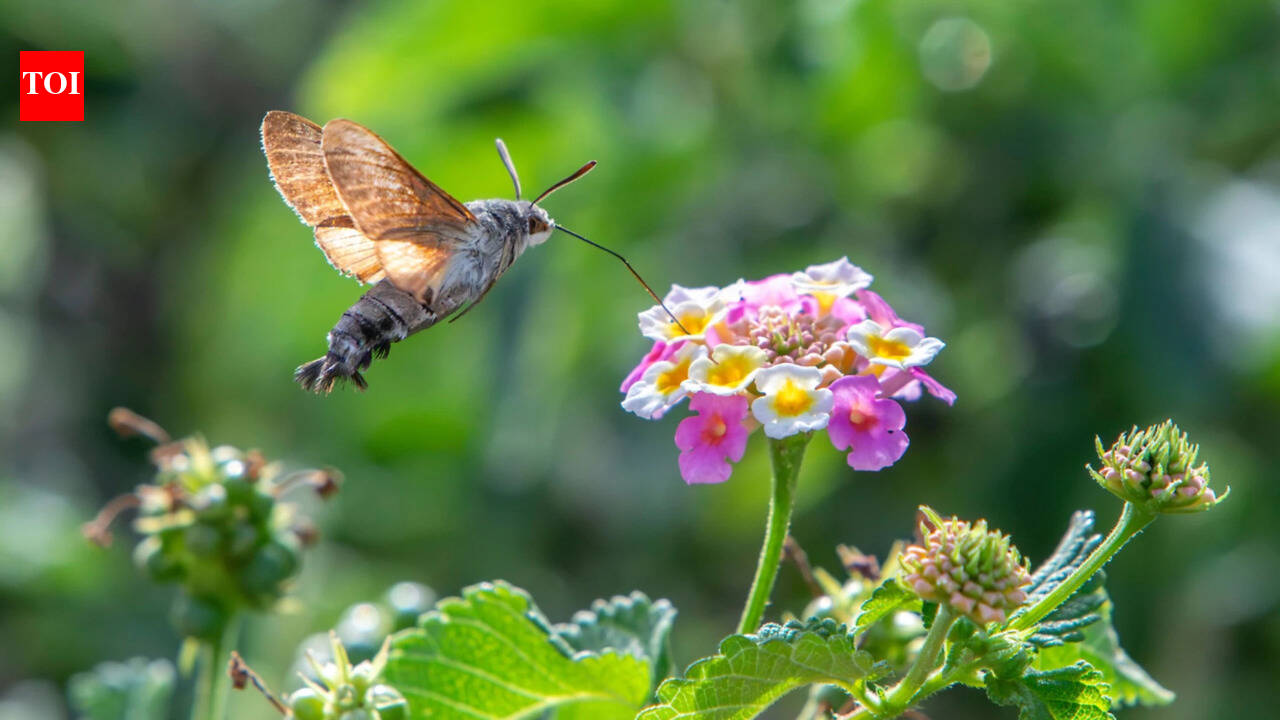
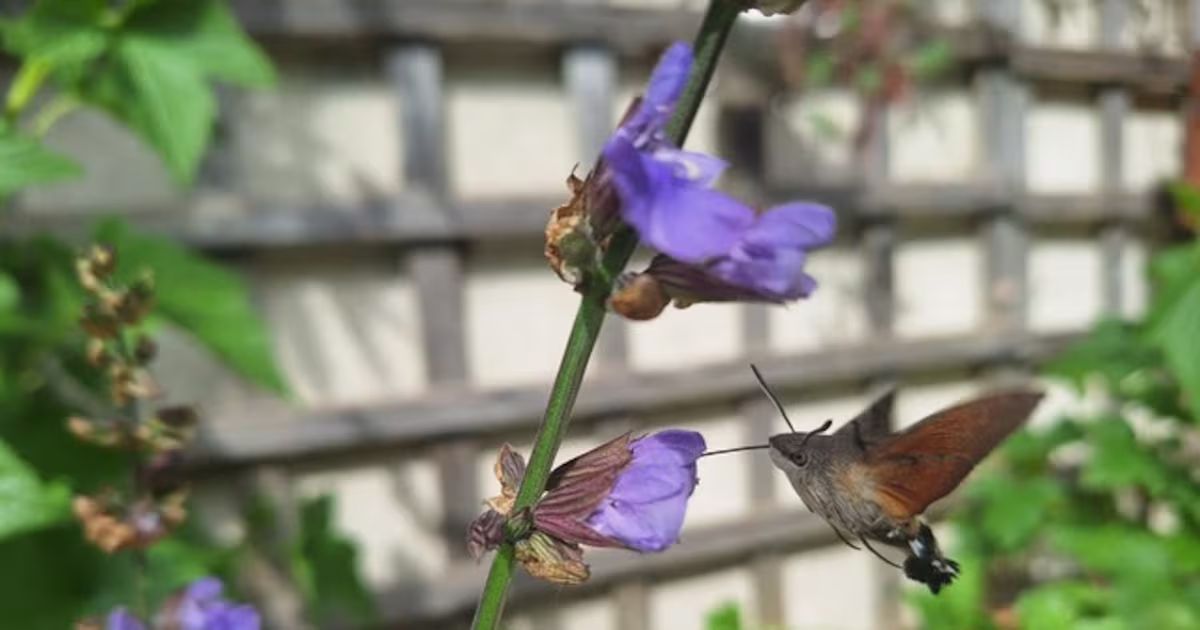
Insect wings are bristling with senses, feeling the wind blowing and even tasting potential mates, but little was known about whether moth wings are equipped with a sense of smell. Sonja Bisch-Knaden and Bill Hansson from the Max Planck Institute for Chemical Ecology, Germany, had a hunch that moth wings might be able to sniff out certain aromas. Taking a close look at the surface of tobacco hawkmoth (Manduca sexta) wings and measuring the electrical signals produced by the wing, Bisch-Knaden and colleagues publish their discovery in Journal of Experimental Biology that the moth’s wings have a sense of smell and can sniff out the plants that they lay their eggs on.
Bisch-Knaden says, ‘The tobacco hawkmoth was recently found to have receptor proteins in its wings that could detect different smells and tastes’. But receptor proteins are only the beginning of the sensory cascade that converts scents into nerve signals to transmit the sense of smell. She knew that tobacco hawkmoth wings would also require specialised odour-sensitive hairs distributed along the edges of their wings to have a true sense of smell. The team looked for the essential scent hairs.
After gently snipping the edges from tobacco hawkmoth wings, Ahmed Ismaieel (Max Planck Institute for Chemical Ecology) carefully sprayed a fine mist of gold over the portions before scrutinising them with a scanning electron microscope.