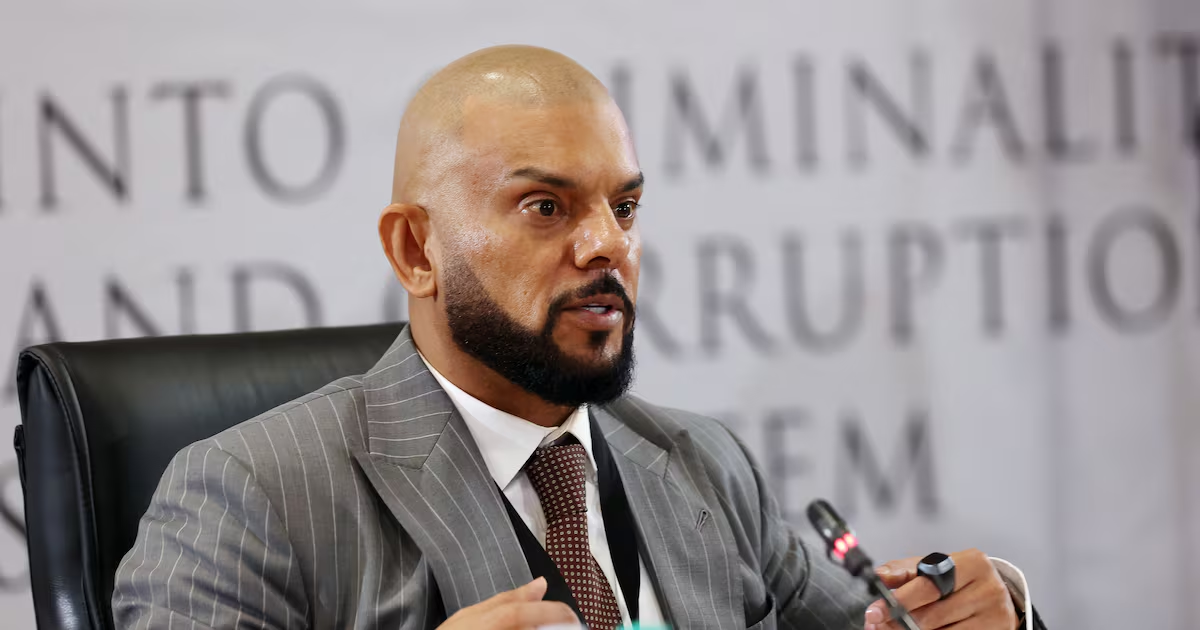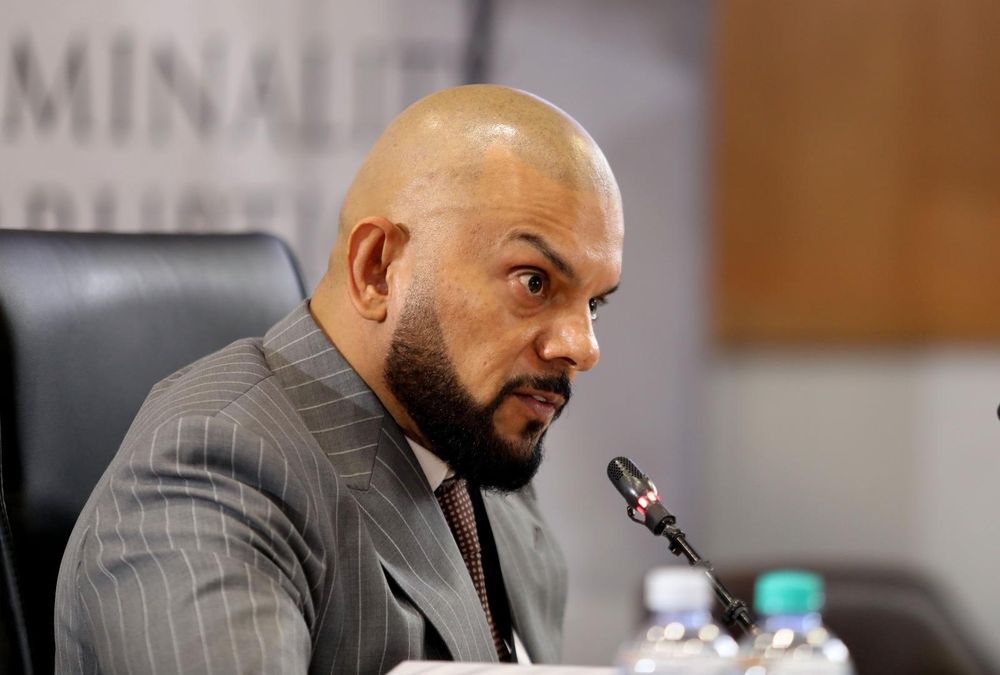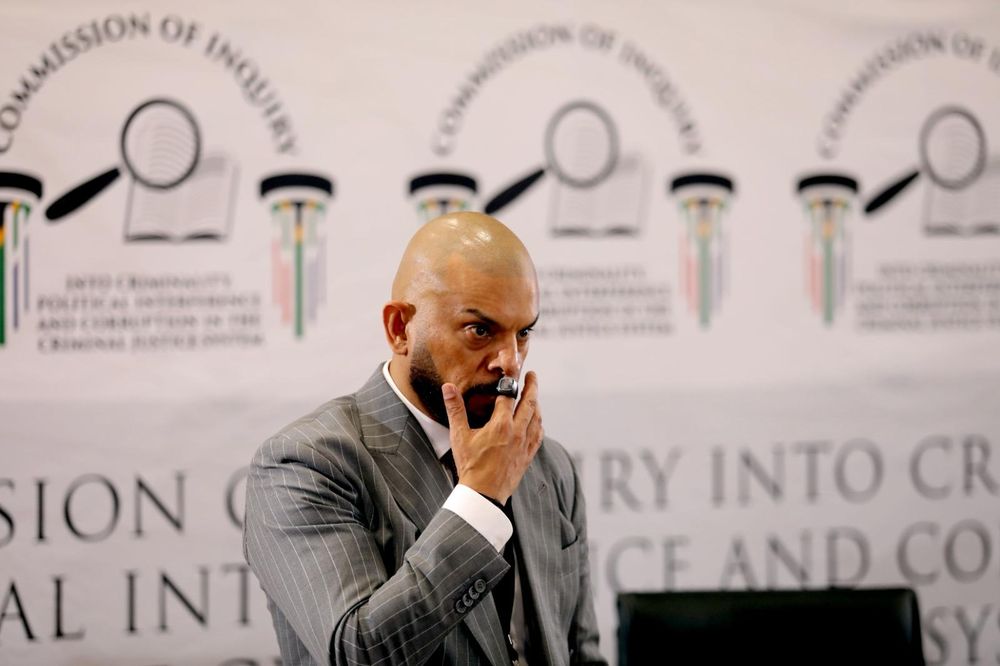
The case of Suliman Carrim illustrates how delay has been weaponised, and how institutions are tested not by evidence alone but by their capacity to enforce consequence, says the writer.
South Africa’s justice system cannot survive if illness becomes the most reliable shield against accountability.
The case of Suliman Carrim illustrates how delay has been weaponised, how vagueness and frailty are performed when they serve, and how institutions are tested not by evidence alone but by their capacity to enforce consequence.
Carrim is not where he claims to be. Hospital records, doctors and CCTV footage were subpoenaed after whistleblowers placed him at a Cape Town shopping centre on a day his sick note excused him from testifying. He visited Woolworths, then lunched with an entourage, corroborated by eyewitnesses.
The significance lies in what he is avoiding. Until recently Carrim served as ANC treasurer in the Ngaka Modiri Molema region. During that period his companies secured more than R300 million in tenders from municipalities he represented. Provincial disclosures add a further R251 million in contracts, largely for security and transport, including a R168 million commuter contract shared between Tansnat Coachlines and Ziggy Investment. In total, state entities funnelled over R550 million into companies linked to Carrim.