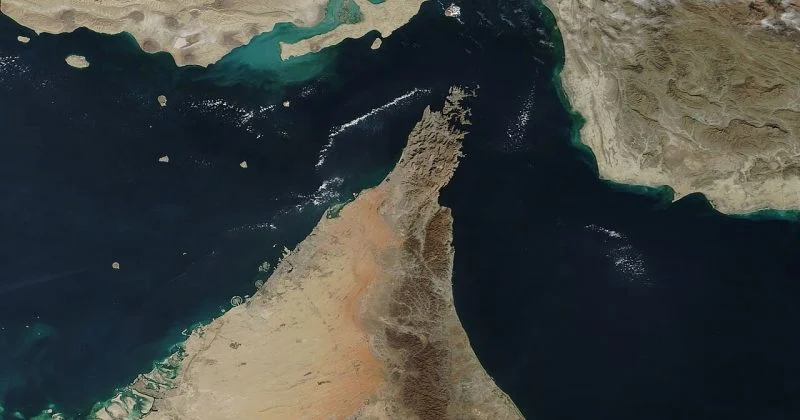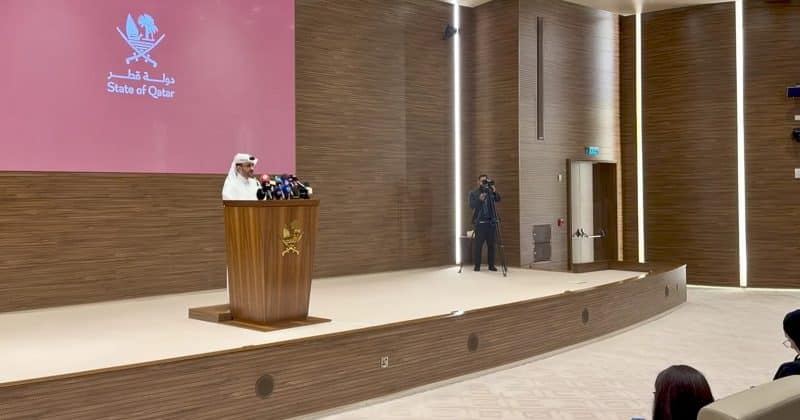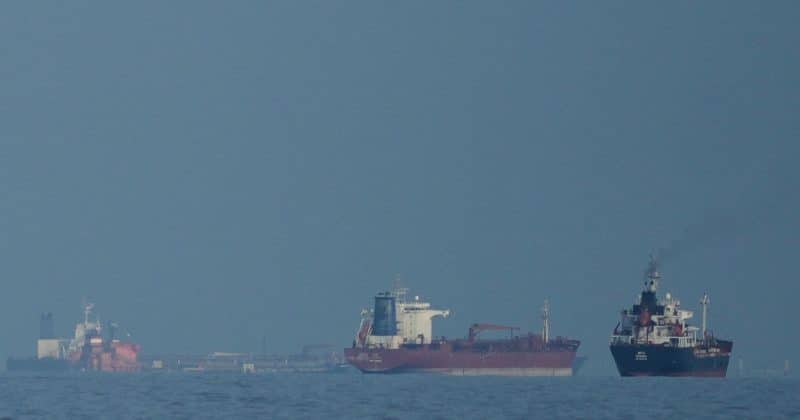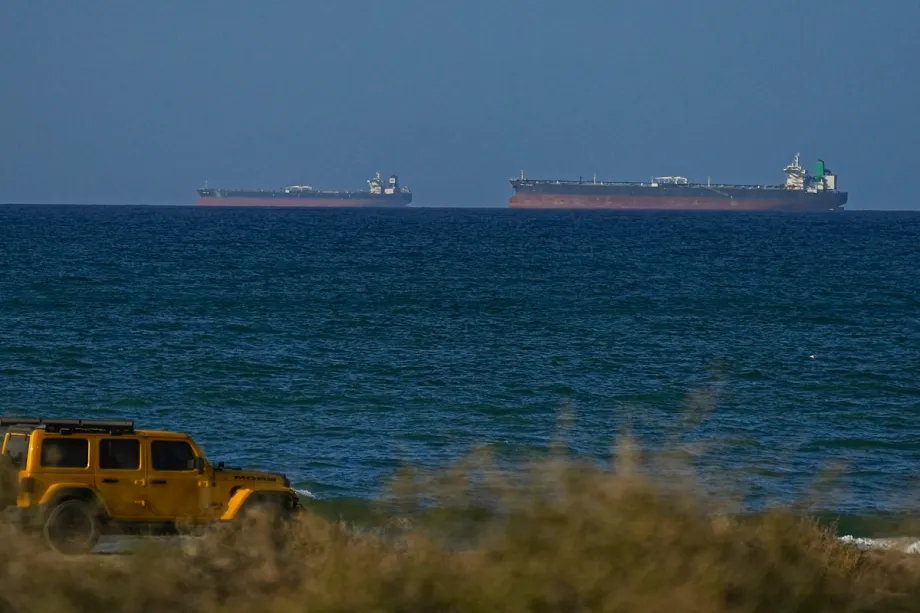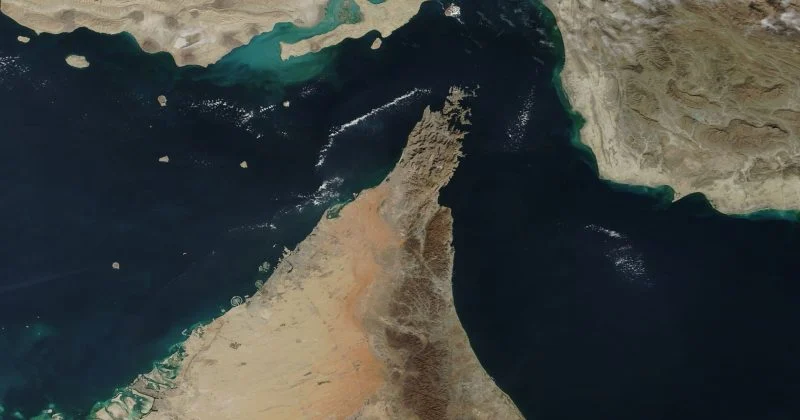
Mediators from Qatar and Pakistan have pushed the US and Iran closer to the negotiating table than they’ve been in years, with both nations submitting responses to a joint proposal aimed at resuming dialogue. The talks, centered in Doha, have focused on easing tensions around the Strait of Hormuz, through which approximately 20% of the world’s seaborne oil passes daily.
Iran has reportedly begun accepting Bitcoin and USDT as payment options for Strait of Hormuz transit fees, priced at roughly $1 per barrel. That’s a sovereign nation using crypto to route around the sanctions wall that traditional finance built around it.
What happened in Doha
Indirect talks held in late June and early July 2026 produced what mediators described as “positive progress” on maritime issues in the Hormuz corridor. Qatar and Pakistan served as the go-betweens, a role Qatar has refined over years of shuttle diplomacy and Pakistan has increasingly stepped into given its geographic and diplomatic positioning between the Gulf and Central Asia.
As of July 26, 2026, both the US and Iran had submitted their feedback on the Qatari-Pakistani proposal. The framework builds on the Islamabad Memorandum signed digitally in June 2026, which established a 60-day timeline for reaching further agreements, with emphasis falling on maritime access and broader peace-building measures in the region.