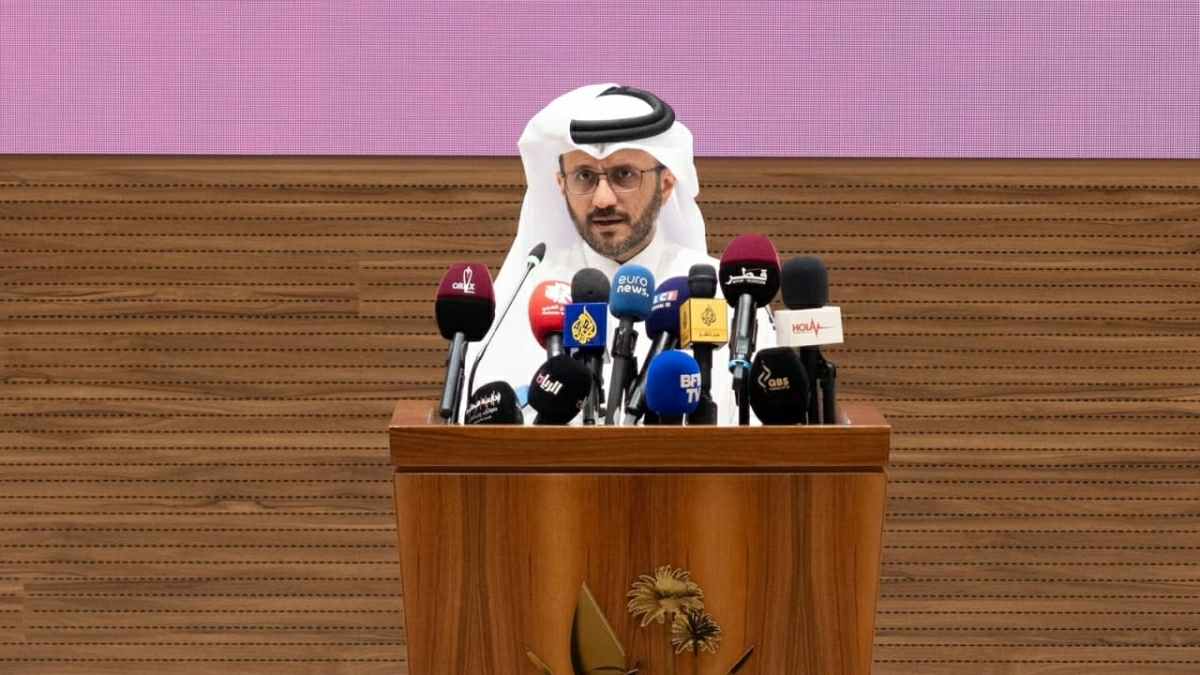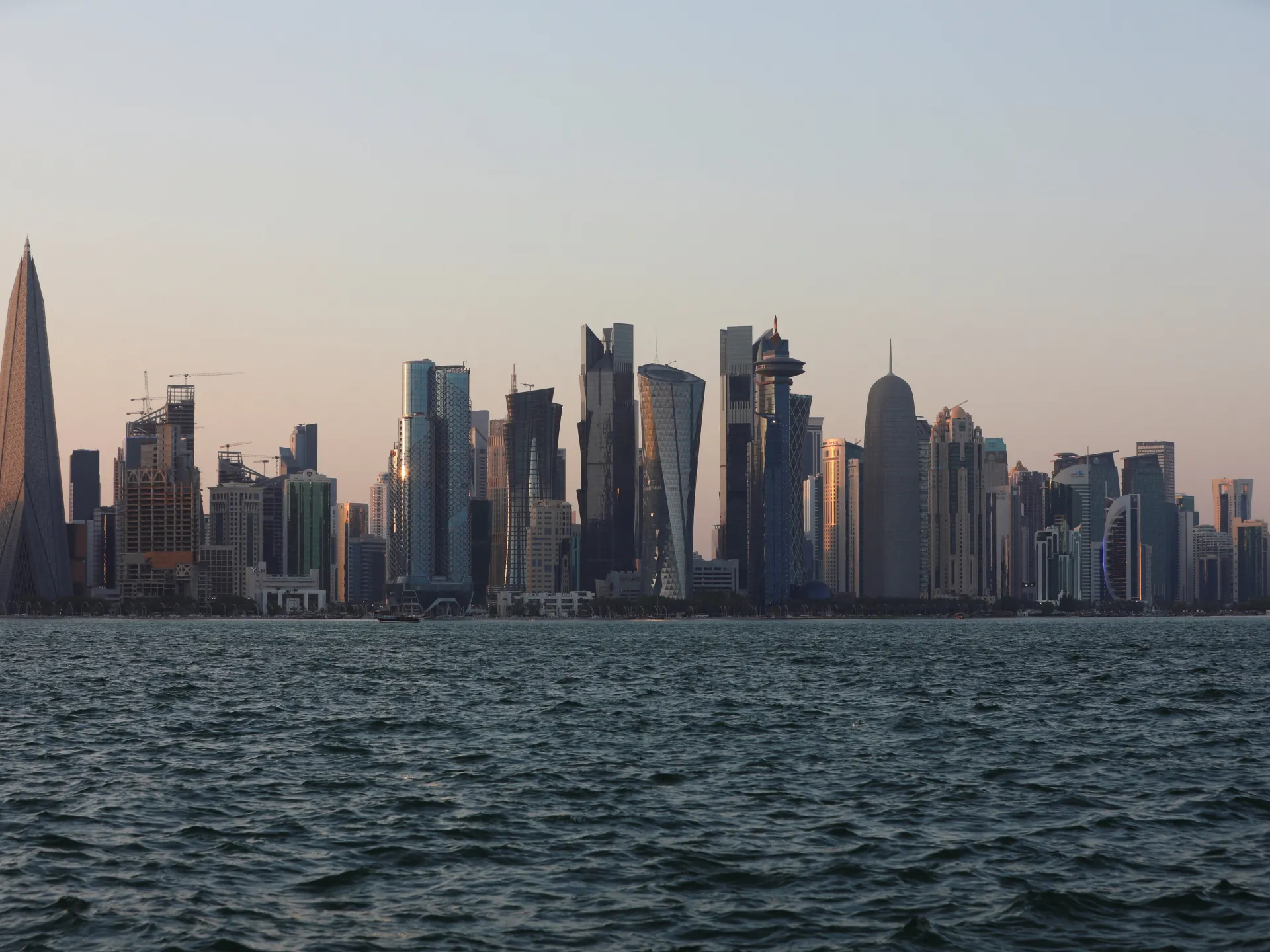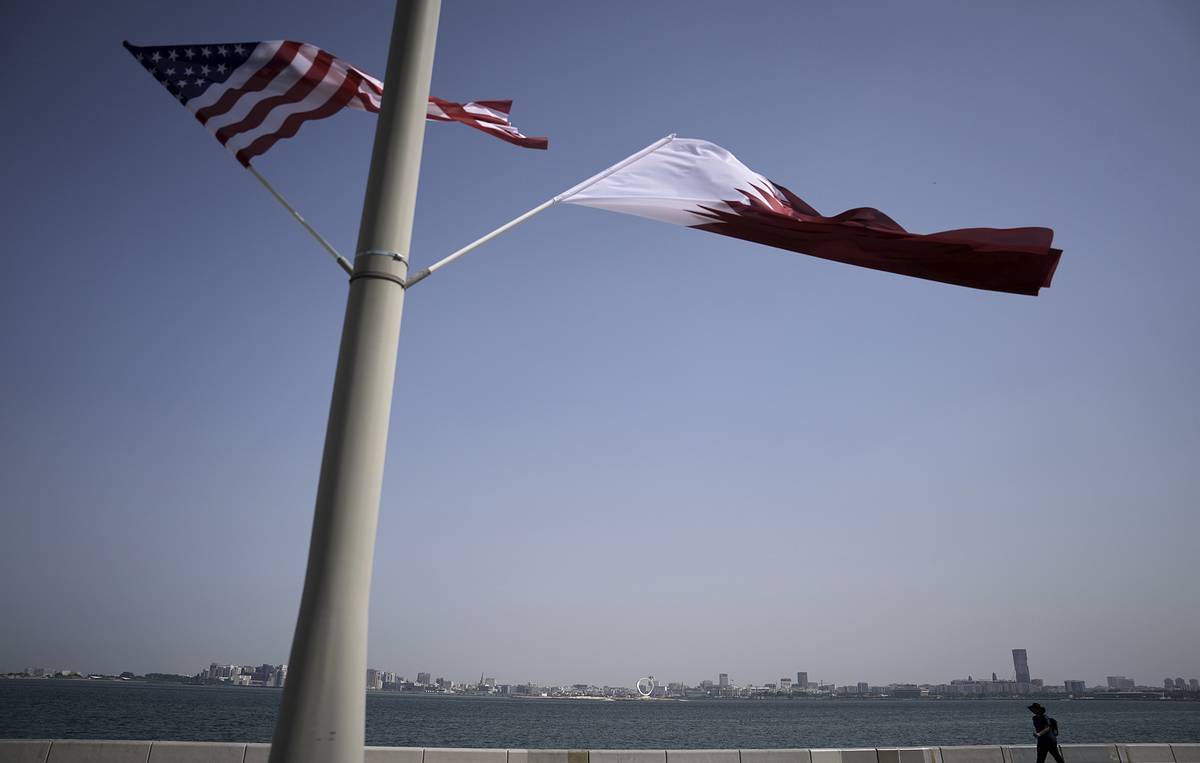
Indirect negotiations between the US and Iran moved forward in Doha on July 1, with Qatar announcing “positive progress” on implementing the June 17 memorandum of understanding that was designed to wind down hostilities between the two nations.
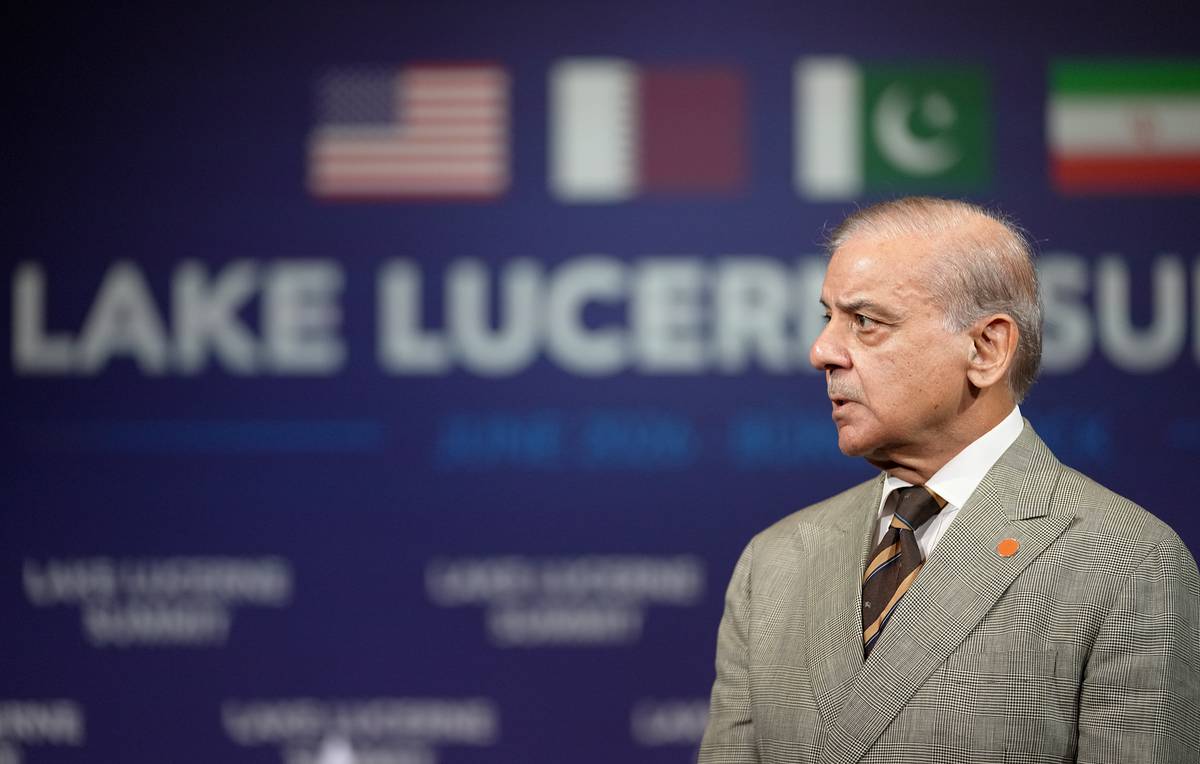
The talks, brokered through Qatari and Pakistani mediators, represent the most concrete diplomatic momentum since the Islamabad MoU was remotely signed on June 17, 2026. No direct high-level meetings took place between US and Iranian officials. Instead, mediators shuttled between the two delegations separately, a format that has become the default choreography for these negotiations.
What the Islamabad memorandum actually covers
The Islamabad MoU was crafted to end the conflict that escalated after US-Israeli strikes on Iran on February 28, 2026. The memorandum focuses on two priorities: halting military operations, particularly in Lebanon, where fighting had intensified in the months prior, and reopening crucial shipping lanes, most notably the Strait of Hormuz.
Roughly 20% of the world’s oil and gas shipments pass through the Strait of Hormuz, a narrow waterway that sits next to an active conflict zone.