Story audio is generated using AI
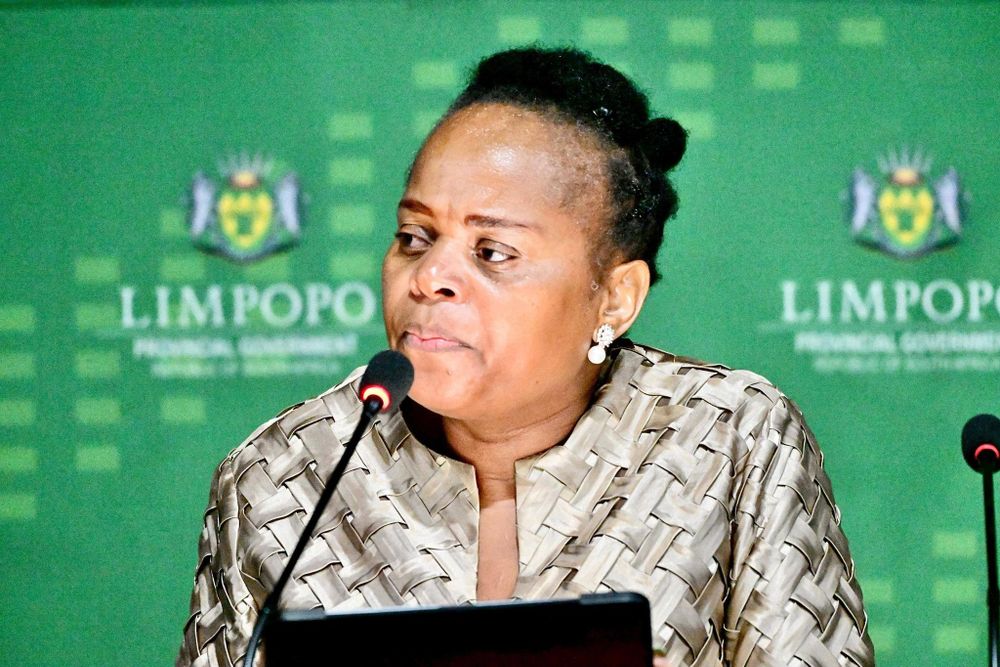
The ANC should centralise coalition negotiations under its national leadership while allowing provinces to shape decisions based on local conditions, Limpopo premier and provincial chair Phophi Ramathuba said as the party seeks to avoid the electoral setbacks that forced it into coalition politics in much of the country.Ramathuba, whose province delivered the ANC’s strongest result in the 2024 national election, said the party’s national executive committee (NEC) must retain overall authority on coalition arrangements because it is ultimately accountable for the organisation’s electoral performance.Limpopo has largely avoided the power-sharing arrangements that have destabilised councils elsewhere. Ramathuba pointed to Johannesburg, where coalitions involving as many as 15 parties since 2016 have coincided with deteriorating service delivery, as a cautionary example her province wants to avoid. The ANC holds outright majorities in all but a small number of Limpopo’s municipalities.“The material conditions in Limpopo might not be the same in Gauteng. Therefore, when we deal with those coalitions, we should be alive to the reality to say this is what needs to be done,” Ramathuba told Business Day. “If things go wrong, the blame is placed on the NEC. So you must understand to say sometimes when the NEC intervenes in a province like Limpopo, at the end of the day, they must account to the branches of the NEC to say where was the NEC when things were going wrong.” Her remarks come as the ANC attempts to rebuild ahead of this year’s local government elections after losing its national majority in 2024. The party subsequently dissolved its provincial executive committees in Gauteng, KwaZulu-Natal and the Western Cape after poor electoral performances, while Limpopo remained one of its strongest organisations after delivering 74% of the provincial vote.“The national [body] must continue to provide the political guidance up to its lowest level which is the local municipality,” Ramathuba said in an interview with Business Day.She said the ANC’s structures already ensured provinces were represented in national decision-making through their chairs and secretaries serving on the NEC, allowing coalition decisions to reflect local political realities while maintaining national oversight.She dismissed questions about potential successors to ANC president Cyril Ramaphosa in 2027 when the party heads to its internal elections, saying discussions about the party’s future leadership risked distracting members from campaigning.“Right now we are focusing on local government elections,” she said. Ramathuba’s administration has placed water, roads and job creation at the centre of its programme, while increasing oversight of municipalities through district development forums and service delivery interventions. The approach comes as the National Treasury has intensified scrutiny of municipal finances, temporarily withholding billions of rand in equitable share transfers from municipalities that failed to comply with financial management requirements, including several councils in Limpopo.The Treasury said this month it would temporarily withhold R13.5bn in July equitable share transfers from 69 municipalities found to be non-compliant with reporting and spending rules. The list includes Limpopo’s Fetakgomo Tubatse, Musina, Thabazimbi and Modimolle-Mookgophong local municipalities, along with the Mopani district municipality.“When you take the president and make him appear as if he’s lying to the public, heads will roll. And indeed heads rolled. The person who was responsible, he’s out,” Ramathuba said.