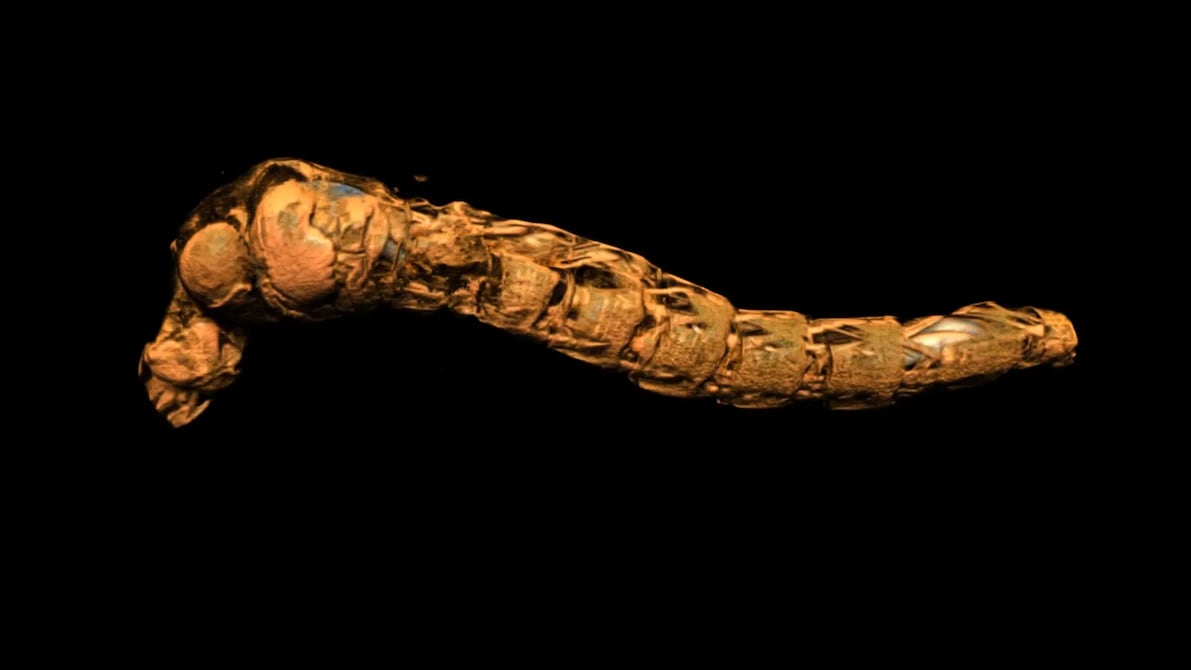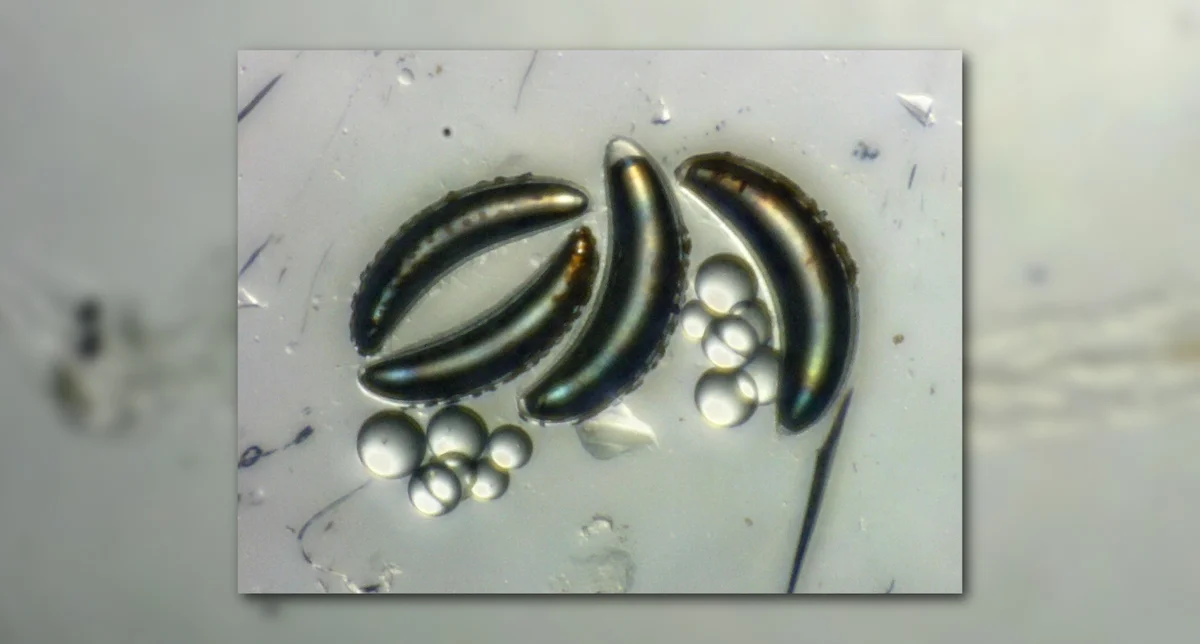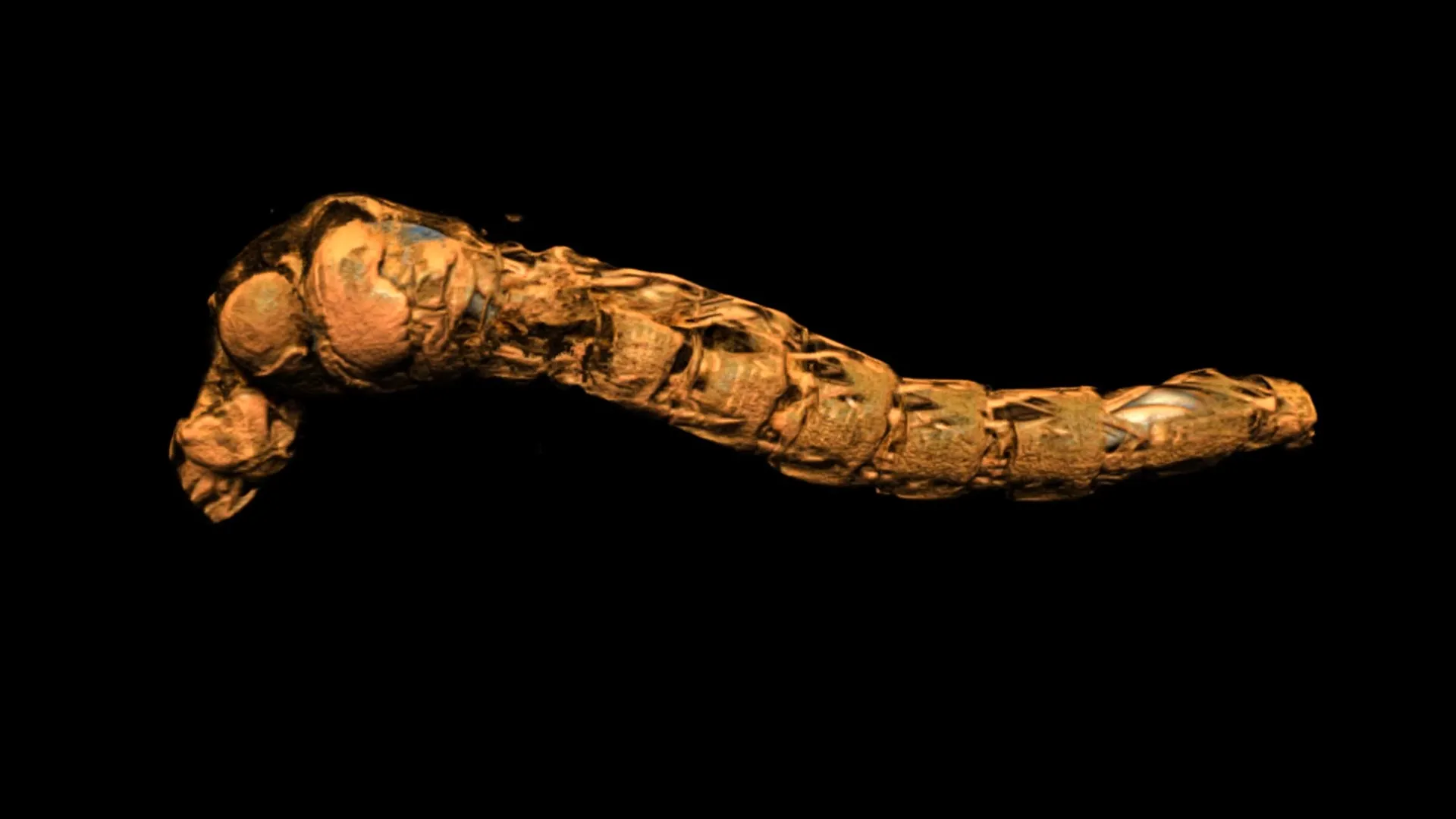
Deep-diving insect larvae in an African lake are forcing scientists to reconsider a popular explanation for why insects are almost entirely absent from the open ocean. Their secret is a remarkably durable system of air sacs that can tolerate far more pressure than researchers expected.
Billions of lake fly larvae (Chaoborus edulis), living in Lake Malawi in East Africa, complete an extraordinary vertical migration every day.
During daylight hours, the larvae descend more than 200 meters into a deep region of the lake with very little oxygen. This area, often called a dead zone, offers shelter from predators that cannot easily survive there. After dark, the larvae rise toward the surface to feed, although they must first pass through large numbers of fish waiting to eat them.
To track this daily movement, UBC researchers Drs. Philip Matthews and Evan McKenzie placed a sonar system on the lake floor. The equipment allowed them to observe the enormous groups of larvae as they moved through the water.
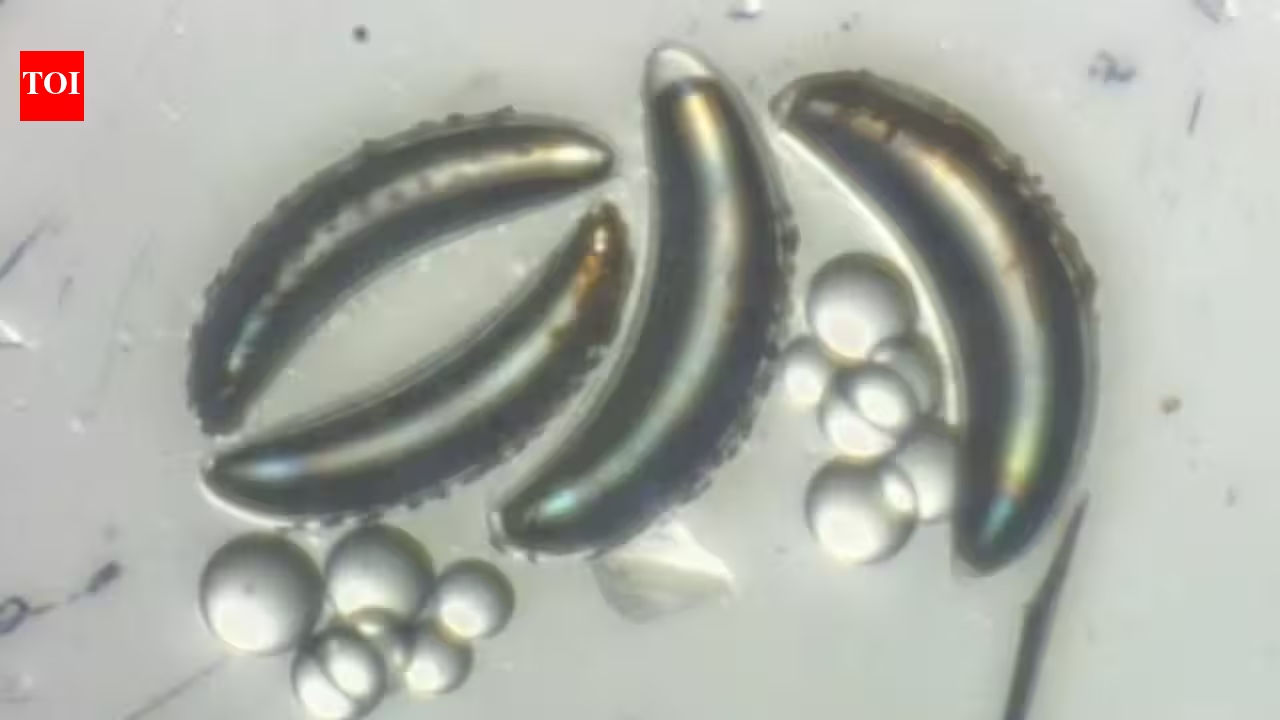
Tiny Air Sacs Work Like Ballast Tanks