view more
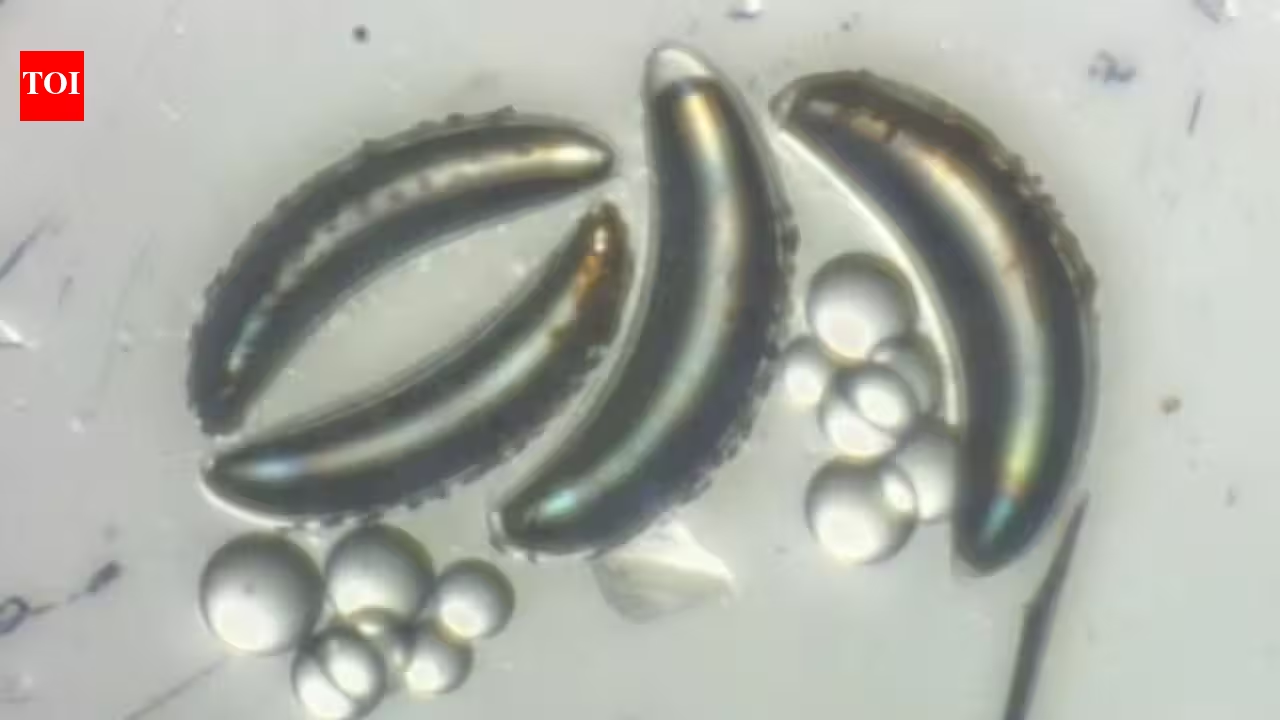
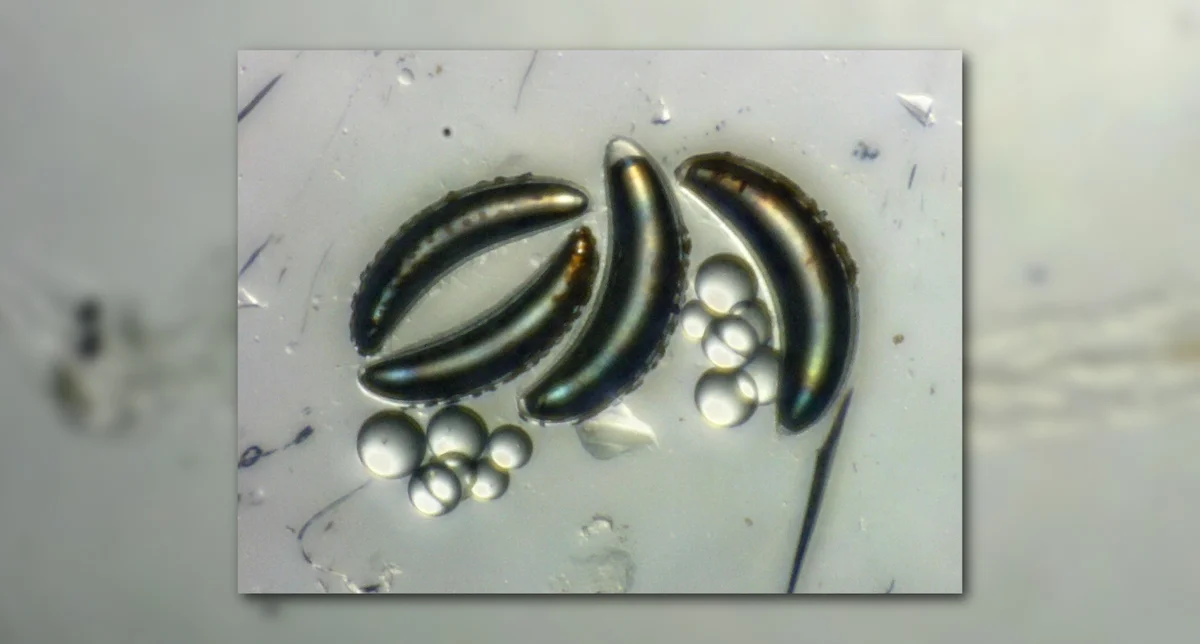
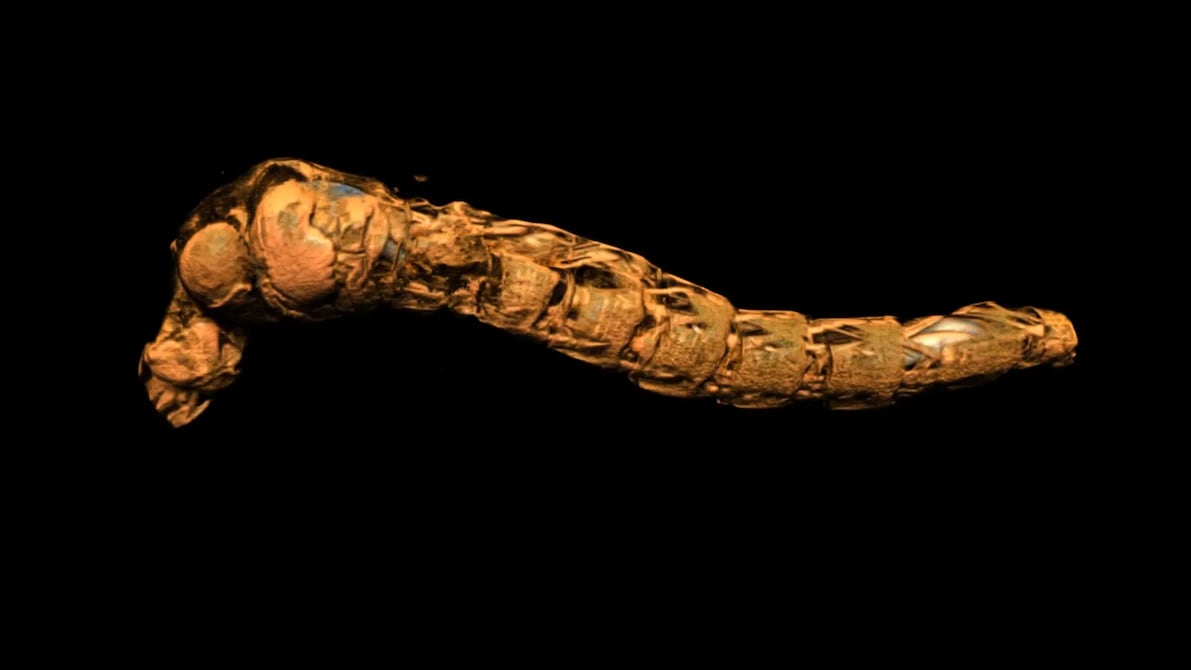
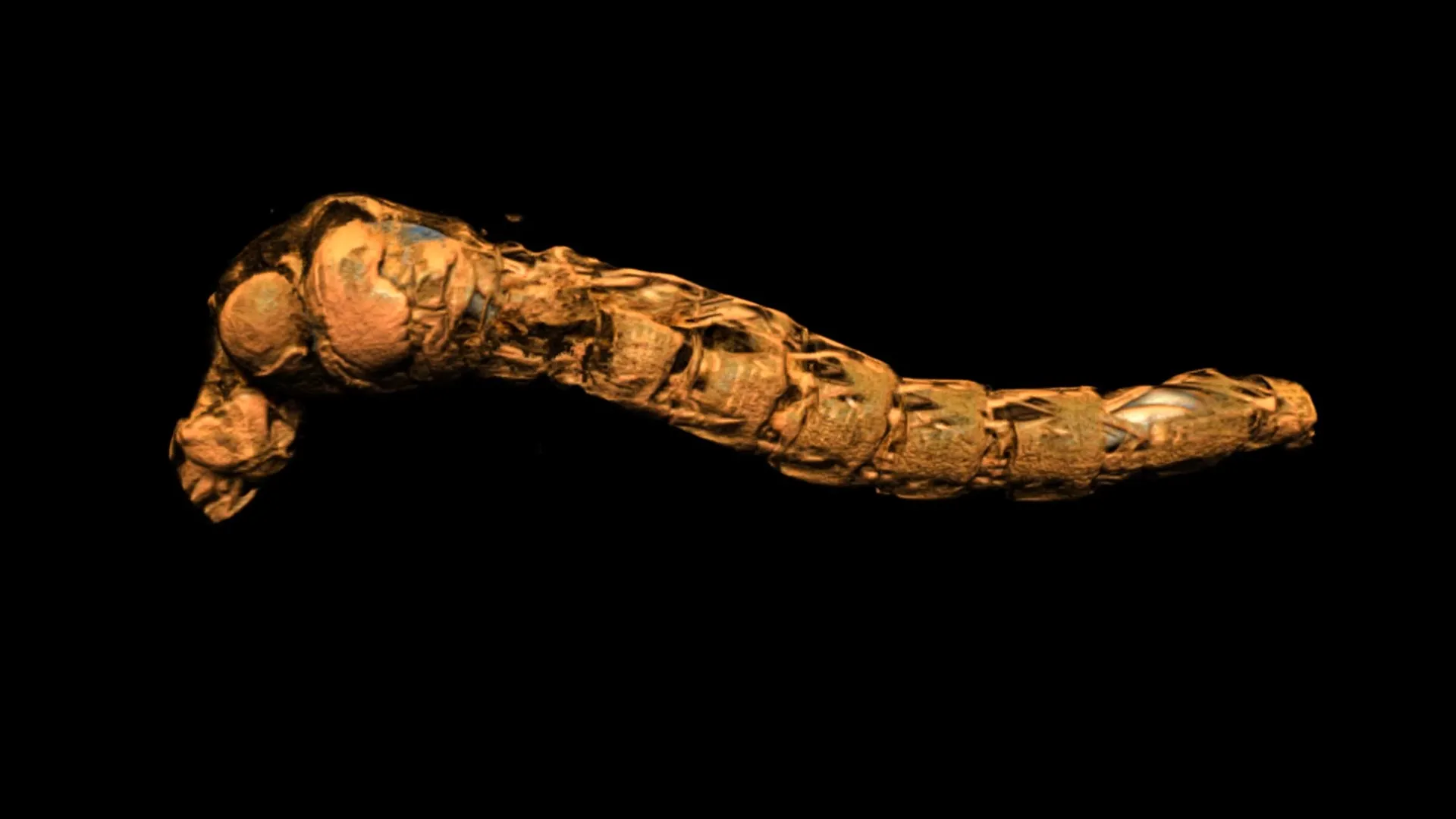
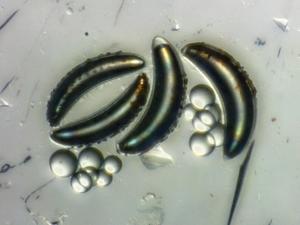
Deep-diving insect larvae are challenging a long-held idea about why there are no insects in the ocean, thanks to sturdy air sacs.
Daily dive to dodge death
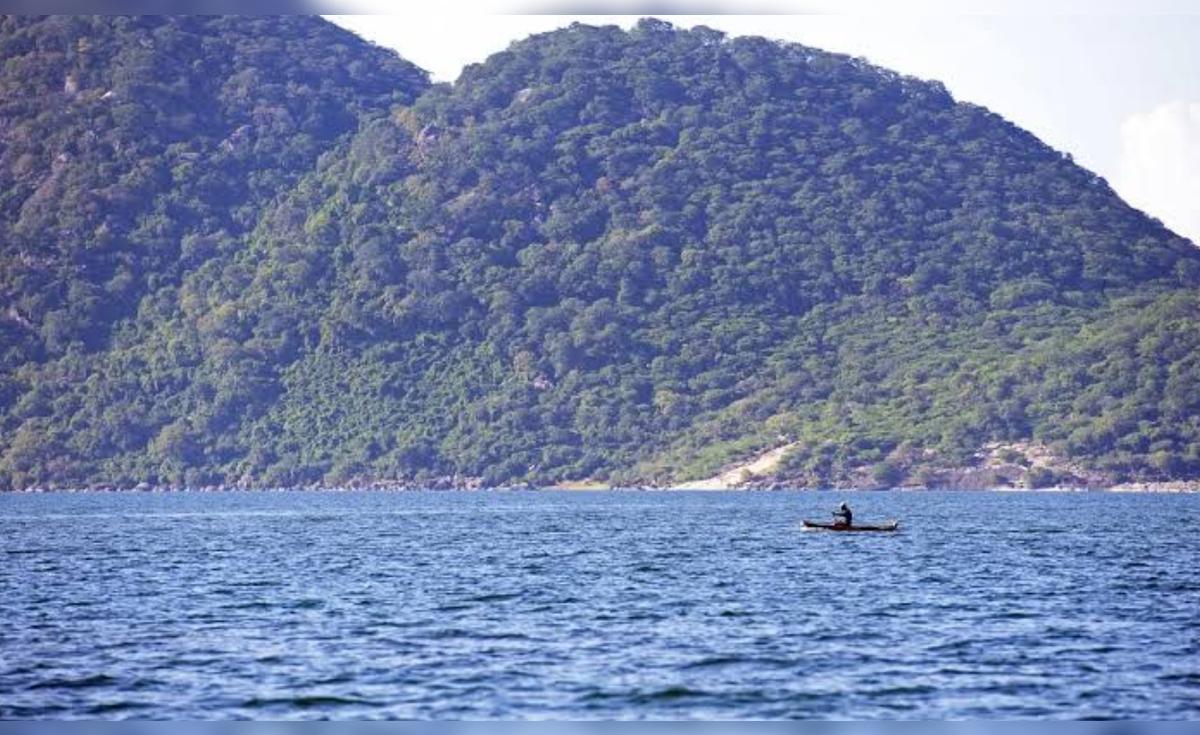
In Lake Malawi in East Africa, billions of lake fly larvae (Chaoborus edulis), make an unusual commute: By day, they sink more than 200 metres into the lake’s oxygen-starved “dead zone” to hide from predators. By night, they rise to safely feed – but not before passing through a horde of waiting fish.
UBC researchers Drs. Philip Matthews and Evan McKenzie deployed a sonar system at the bottom of the lake to map these daily dives.