Today’s guest columnist is Buchalter attorney and former college soccer player Douglas DePeppe.
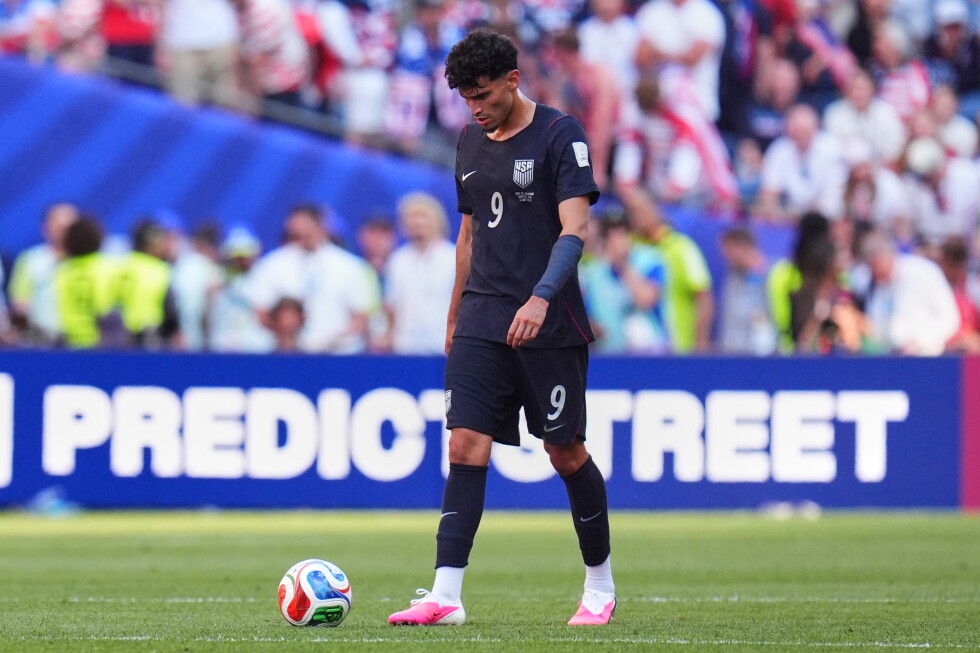
The U.S. Men’s National Team was supposed to break through at this summer’s World Cup. Every ingredient for success was there: co-host status, a roster more seasoned in European competition than any generation before it, a proven manager in Mauricio Pochettino … yet the team failed to advance past the round of 16. Worse, its performance during its 4-1 loss to Belgium has been roundly blasted as inept.
The autopsy since has been thorough. Commentators have pointed to a lack of accountability at U.S. Soccer’s leadership level, to a youth sports culture that prices out talent and rewards early specialization over development, and to the USMNT’s lack of composure, even a dearth of heart. Given all the promotion and promises, the criticism is fair.
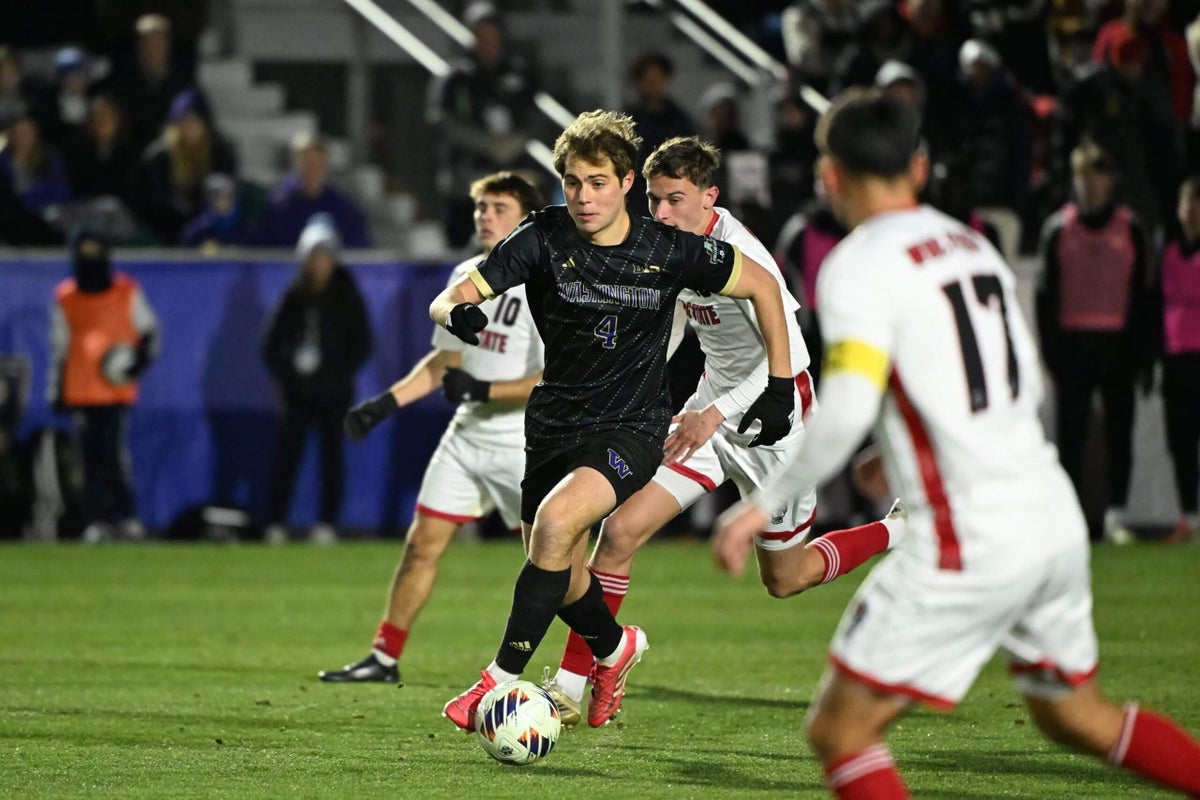
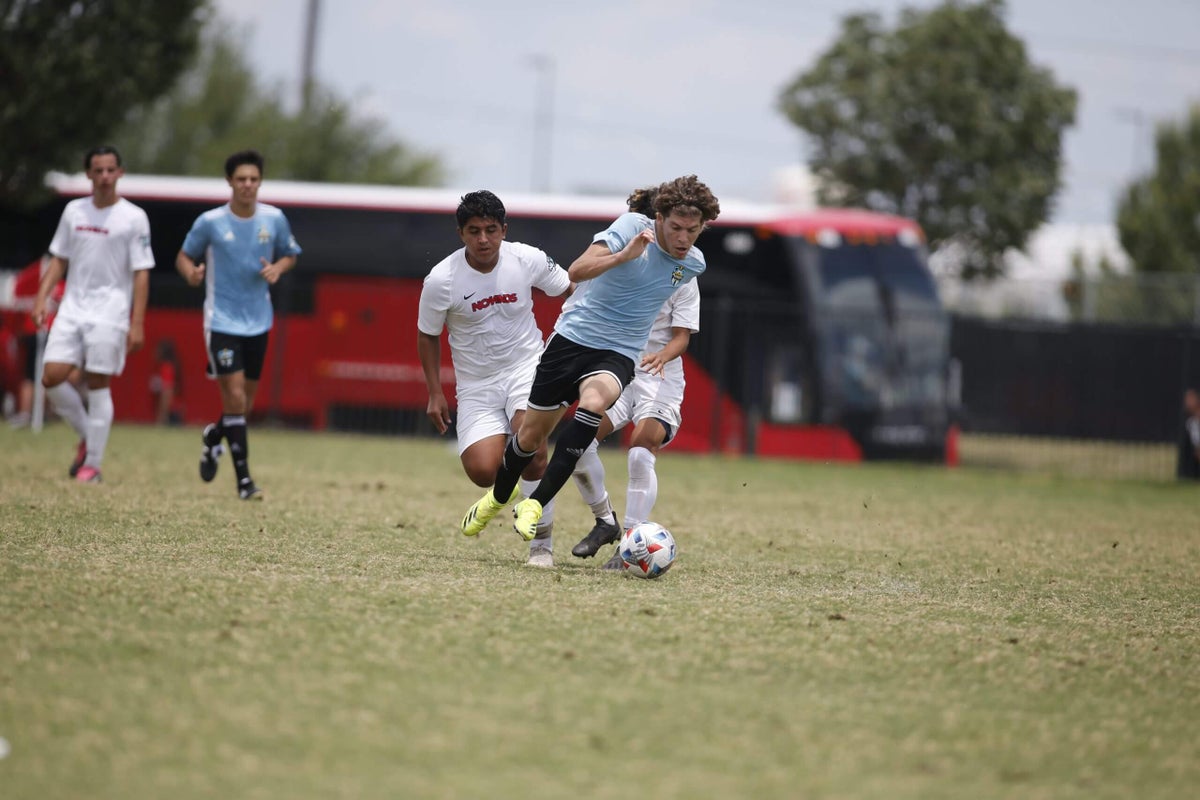
But there’s a data point missing from the conversation, and it sits closer to a data project I undertook, and self-published on Medium, during the 2025 college soccer national championships: Who is actually filling the rosters of America’s elite college soccer programs, the younger tier immediately below the professional and national team pipeline?
Last December, before this World Cup even began, my published analysis revealed the roster composition across all 216 teams that competed in the 2025 national championship tournaments spanning NCAA Divisions I, II and III, NAIA and NJCAA—7,183 players in total. The goal was to measure something nobody seemed to be tracking systematically: how much of the talent pool in American college soccer is now international. Indeed, this project roughly coincided with a hearing in Congress in 2025 where Michigan Rep. Tim Walberg called attention to “international student athletes taking away important scholarship opportunities or participation opportunities from American born kids.”