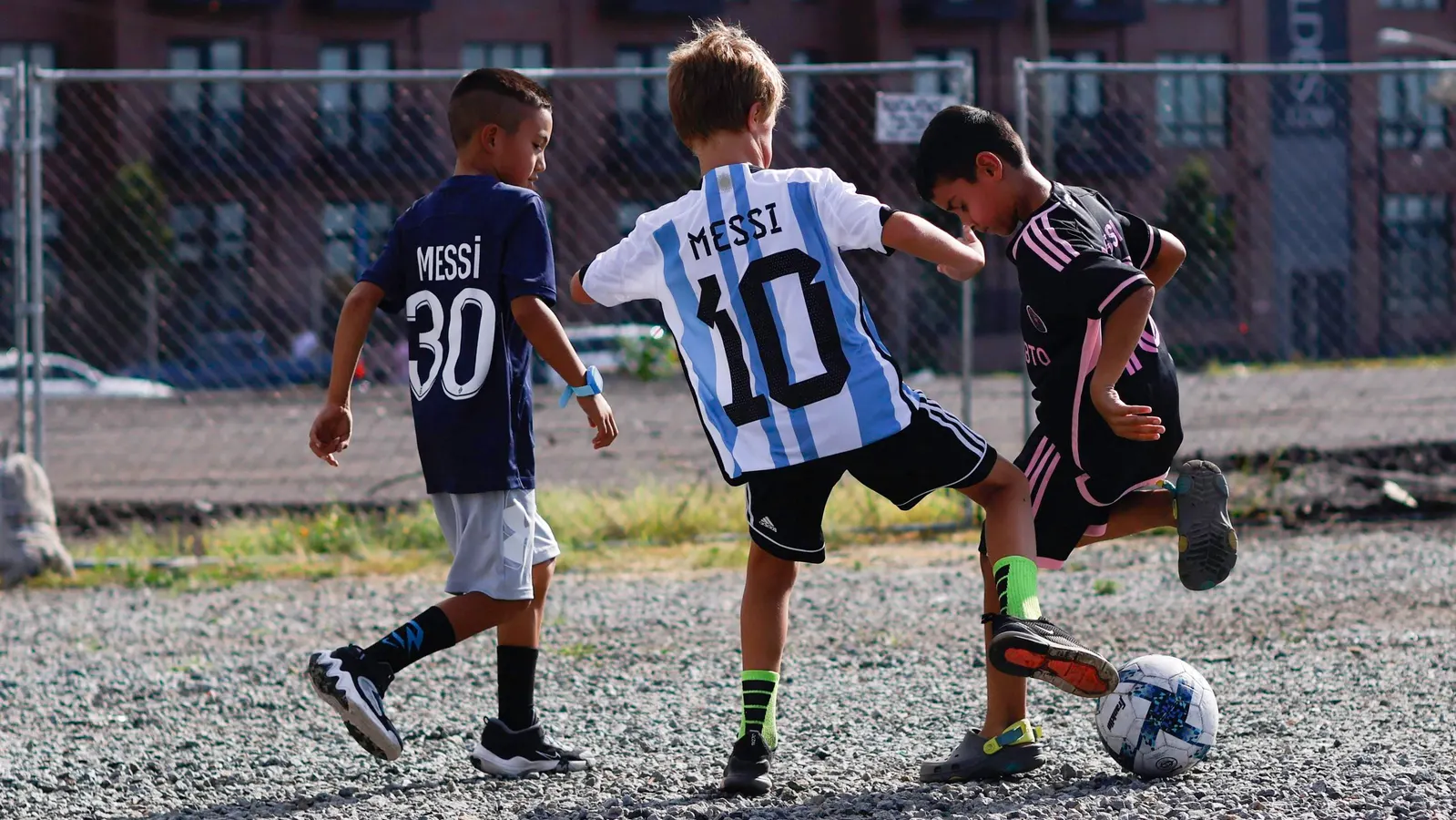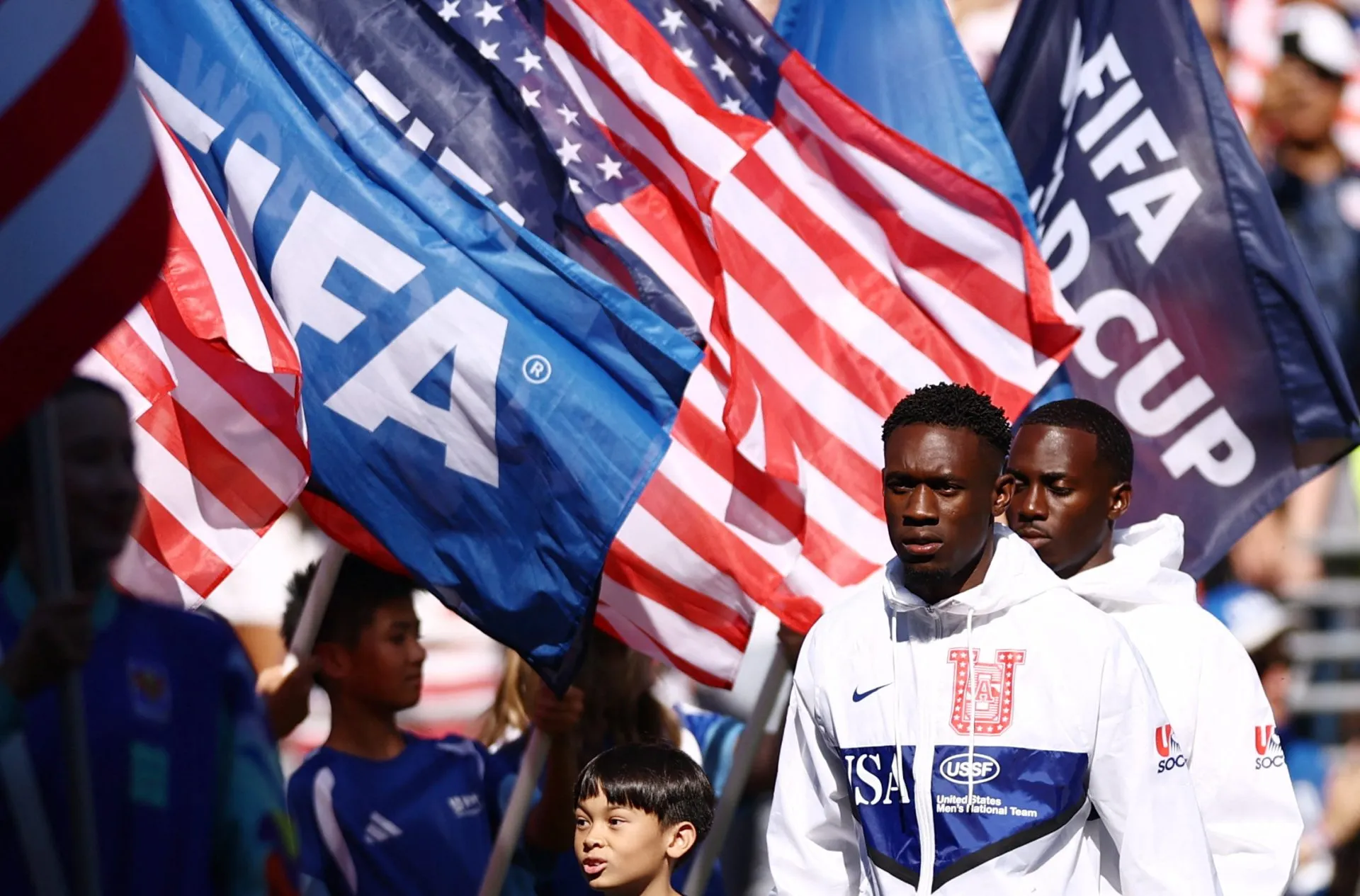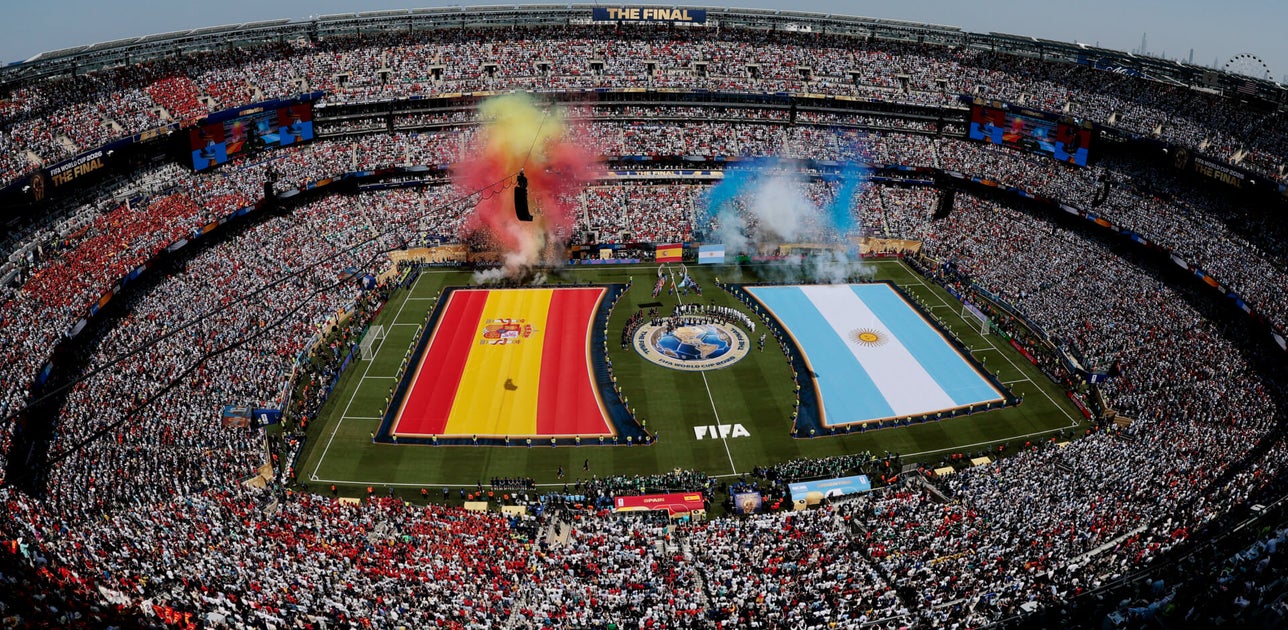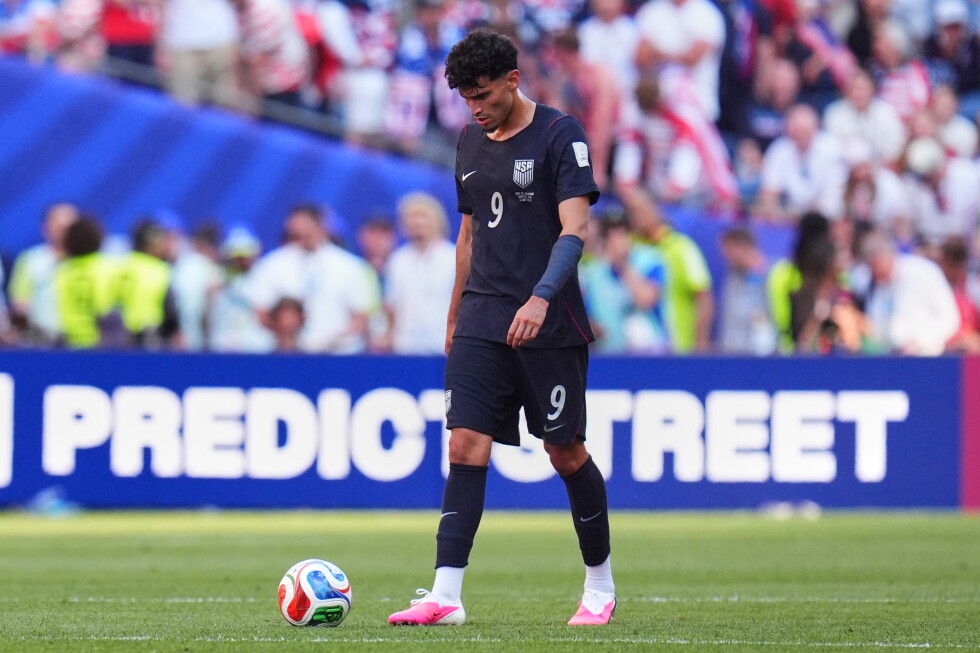
In Argentina, one of the greatest honors for a local soccer club might be to produce a player who moves to an even bigger club, then maybe becomes part of the country’s storied national team. In the United States, if a player like that walked into a local soccer program, it would surprise nobody if that program tried to eke every penny out of the player’s parents before showing him or her off to the world.Therein lies one of the crucial differences between a nation of 46 million that plays Spain on Sunday for a fourth World Cup title and another with more than seven times the population that has never sniffed that kind of success. America’s early departure from the 2026 World Cup raised a question that arises every four years: What would it take to produce a global men’s soccer superpower in the United States? This time around, many of the answers appear to lie in retooling the so-called “pay-for-play” system that permeates youth sports in America. The majority of youth organizations in the U.S. stay in business by developing players for a fee, then keeping them in the program for as long as their family is willing to pay.Upending this dynamic in soccer won’t happen in four, eight or 12 years. Figuring out how to get better results from it could happen sooner.“Our strategy should not be to copy and paste what works in another country,” said JT Baston, the CEO of the U.S. Soccer Federation. “It’s, how do we, in partnership with the pro clubs, design the right youth pathways here. It looks like the hub-and-spoke model where you’re leveraging the best of the professional clubs, leveraging the best of the rest of the ecosystem here and the national team program.”
US must learn to navigate its pay-for-play world to find a pipeline to World Cup competitiveness
America’s early departure from the 2026 World Cup raised a question that arises every four years: What would it take to produce a global soccer superpower in the United States?
1,573 words~7 min read