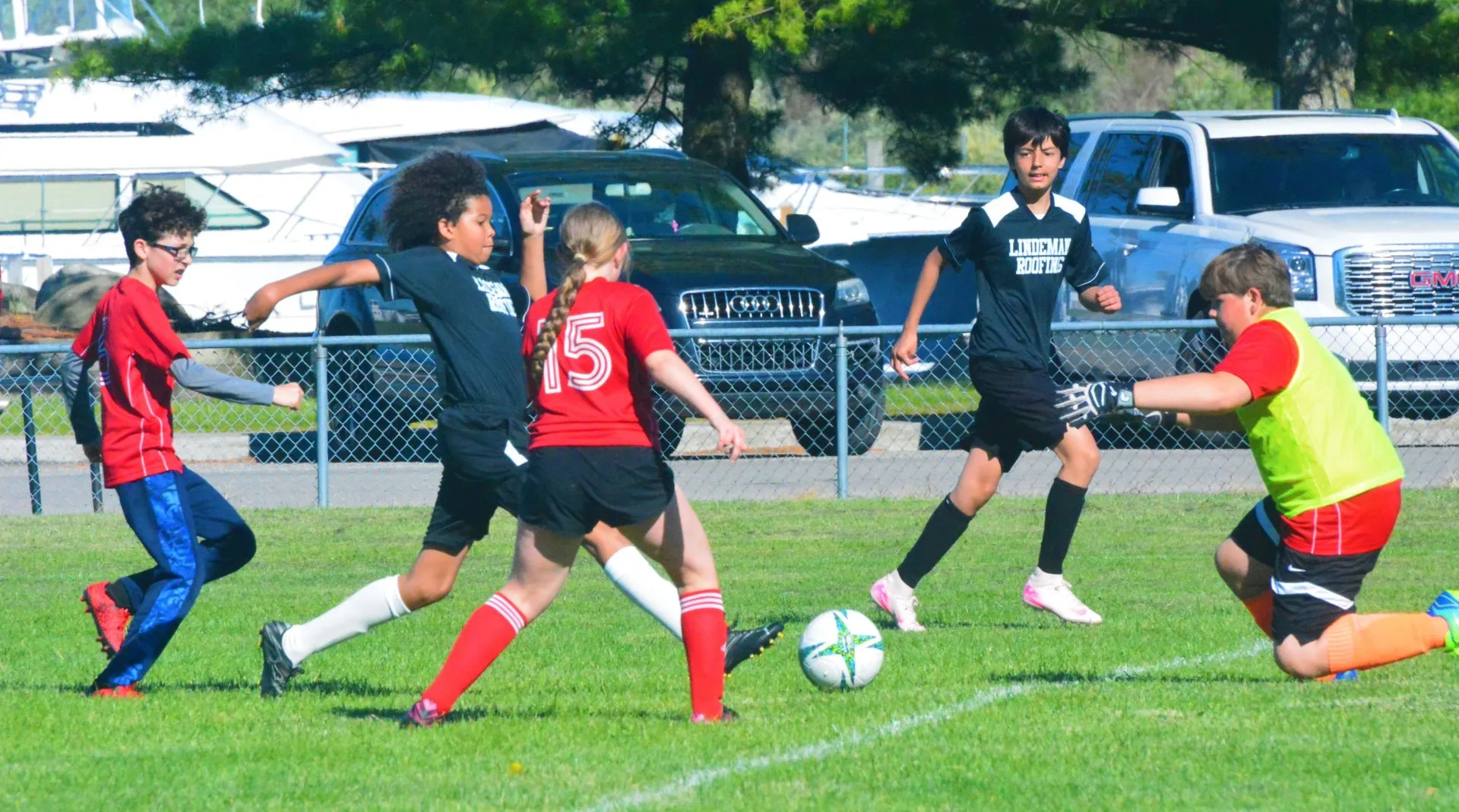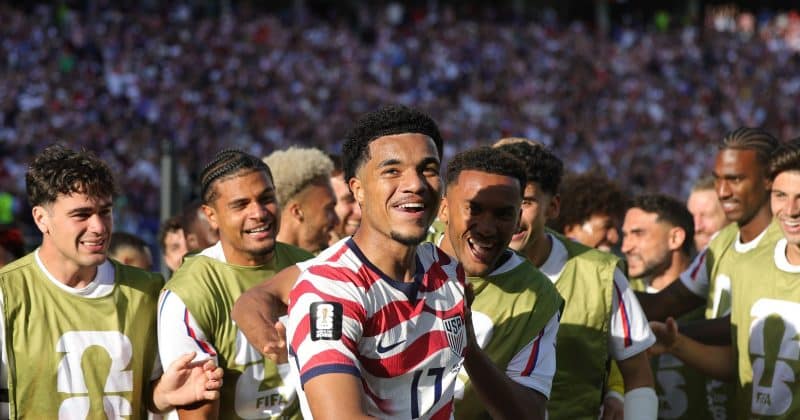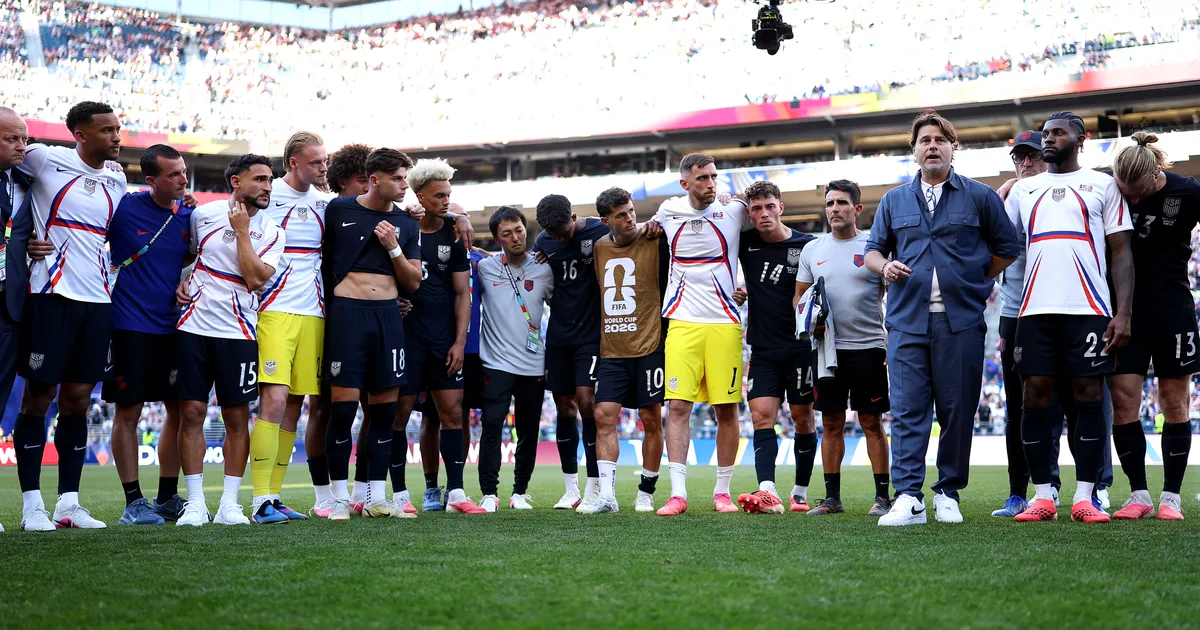
The inquest began before the final whistle even sounded, before Belgium Trump-danced on the U.S. men’s national team, before the USMNT’s World Cup officially ended. America began to ask why; why was it out in the round of 16 yet again? And why was a country of 11.8 million people so much better at soccer than one of 340 million?Inevitably, and often correctly, answers zeroed in on youth soccer.The “pay-to-play” system flooded to the forefront of discourse and shouldered blame.Behind the scenes, it was also a point of discussion, before and after the USMNT’s elimination, but solving this decades-old problem is a monumental task — because the “pay-to-play” moniker oversimplifies it.The term, “pay-to-play,” generally refers to a U.S. youth soccer landscape where families must pay for their kids to play on amateur teams. They pay hundreds of dollars annually for their 6-year-old to play recreational soccer; thousands of dollars for their 12-year-old to play competitive “travel soccer”; and in some extreme cases tens of thousands of dollars for their teenager to play for an elite club, perhaps to pursue a professional career or college scholarship.On the boys side, the most talented teens can ascend to the academies of Major League Soccer clubs, where they play for free; but to get noticed by MLS, they likely have to come through an amateur club that charges annual fees, plus additional money to travel to showcase tournaments. Developing into a top soccer player, therefore, requires some degree of privilege in the United States, contrary to other countries where the sport is an all-class game.The U.S., to be clear, is far from the only country where families pay for their kids to play soccer. But the costs are greater here than anywhere else.And soccer is not the only sport that’s expensive in the U.S. But it gets the most attention because it’s a global sport in which U.S. player development lags behind Europe.So, the U.S. system is worth an examination as the 2026 World Cup rolls on without its cohost.USMNT future and Poch's contract after exitWhy is ‘pay-to-play’ a problem?In some ways, the answer is obvious. If soccer costs money, millions of kids can’t afford to play it.In addition to being unfair on an individual level, the cost restricts the pool of talent available to U.S. national teams. A country of 340 million people becomes, in soccer terms, a country of much fewer. Many of the supposed advantages associated with a large population simply don’t apply.But the cost is also symptomatic of deeper structural issues that lead to other distinct problems. For example, because most youth clubs are not in any way connected to professional teams, A) there are no revenue streams to subsidize the club other than parents, hence “pay-to-play”; and B) the club’s main incentive is not to develop players into pros. Instead, it’s to win games — which enhances the club’s reputation and attracts customers (parents of soccer-playing kids). Oftentimes that desire to simply win clashes with individual player development — which is why some countries, such as Norway, a nation of 5.6 million people about to play a World Cup quarterfinal, effectively ban league tables and championships until a kid reaches adolescence.The U.S. system “is not a youth-centered or a talent-development system,” Tom Farrey, executive director of the Aspen Institute’s Sports & Society program, told The Athletic. “It’s primarily a system set up to use kids to make money for adults.”Players at an AYSO/U.S. Soccer youth soccer clinic in Atlanta in 2024 (Adam Hagy / ISI Photos / USSF / Getty Images)Why does ‘pay-to-play’ exist?Playing youth soccer costs money in the U.S. because:
U.S. soccer’s ‘pay-to-play’ problem: The lightning-rod issue explained in a World Cup context
USMNT's World Cup ouster has plenty focused on the country's youth development system, a complex —and costly — element in a bigger picture
2,170 words~10 min read