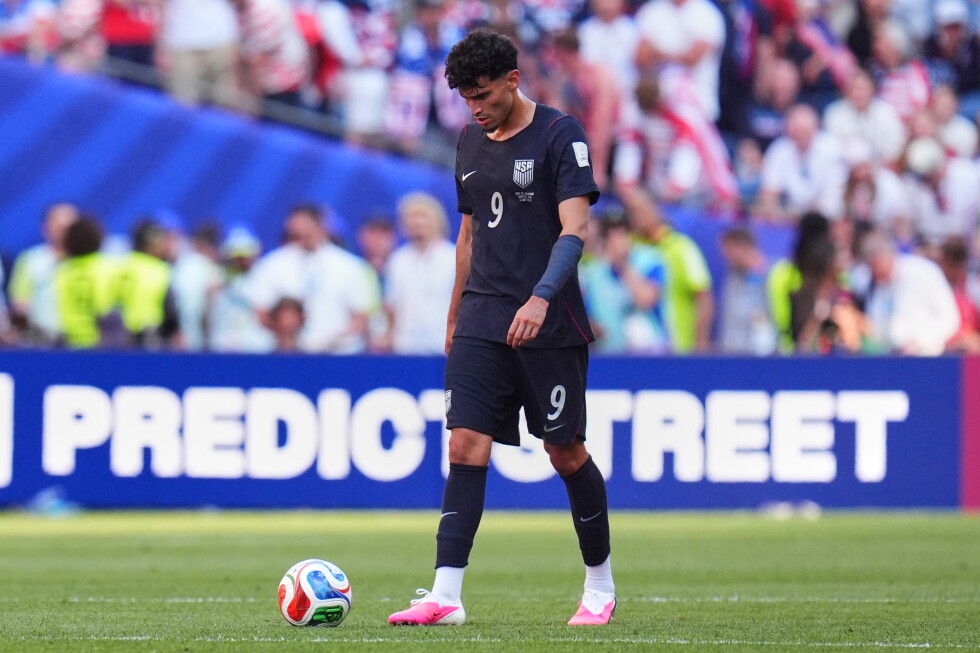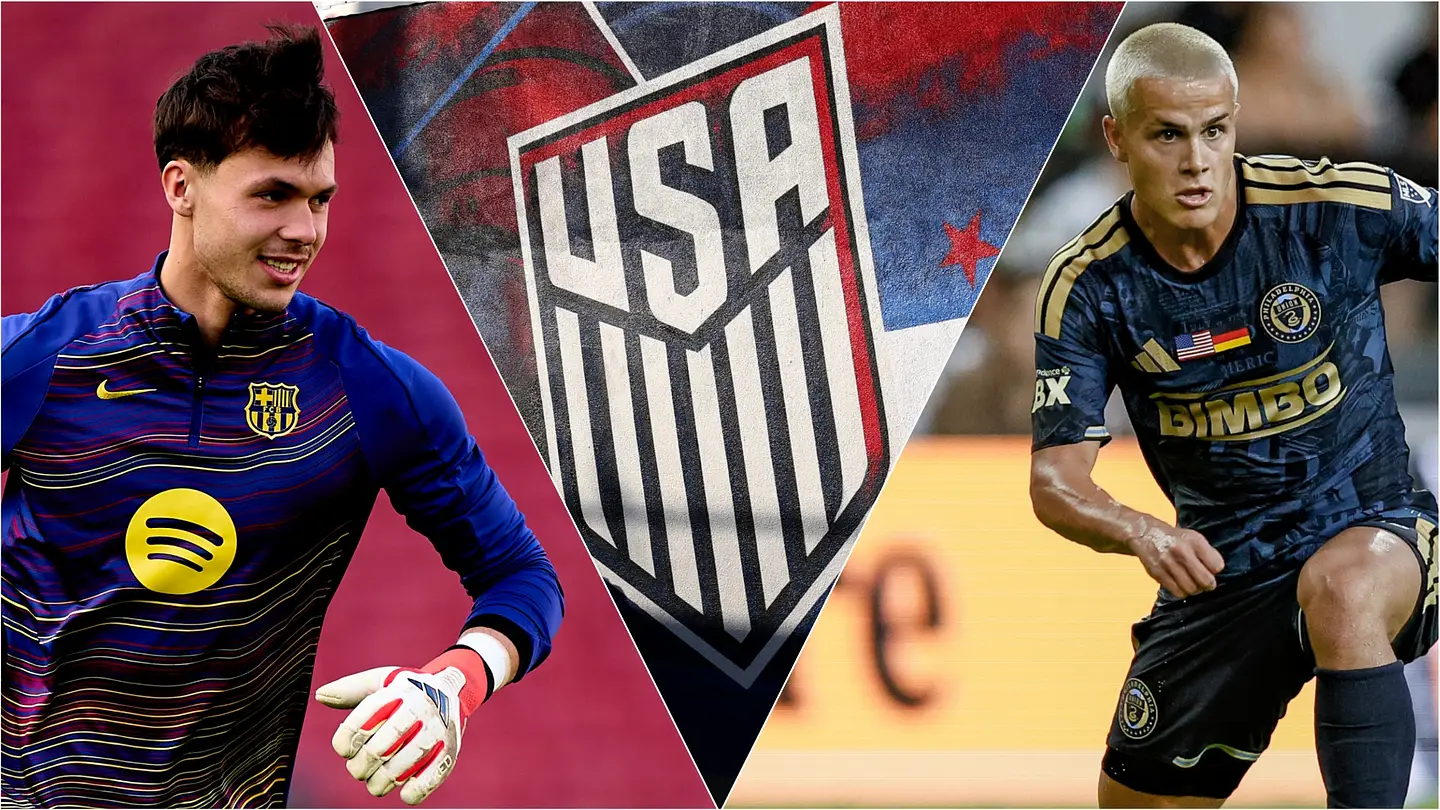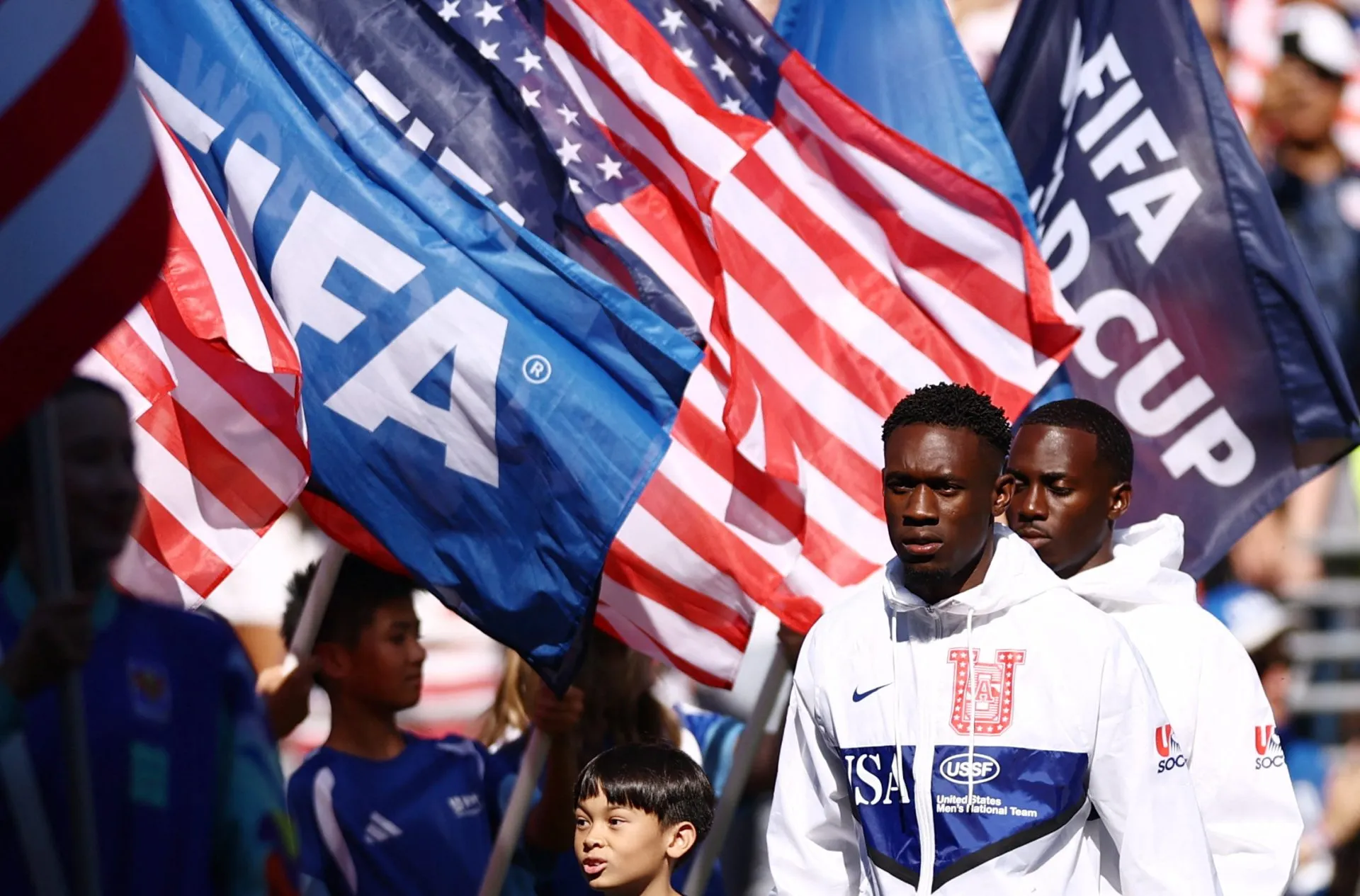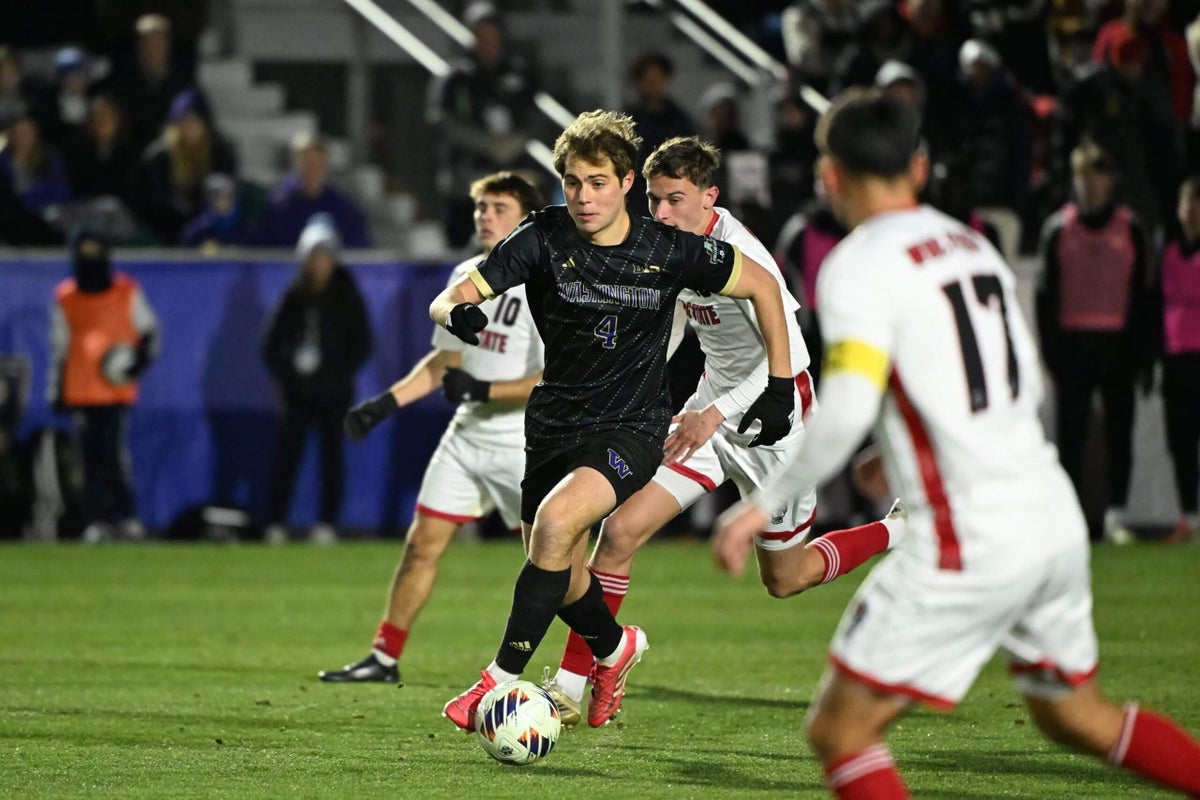
When Sasho Cirvoski took over as the Maryland men’s soccer coach in 1993, the soccer landscape in the United States looked much different.For years, with more than 200 Division I programs and few professional teams, college soccer was the place for the top young players in the sport to prove themselves before moving on to the professional and international ranks.But so much changed after the U.S. hosted the 1994 World Cup.Major League Soccer launched in 1996 as the top-flight men’s professional league in the U.S., and since then the ratio between college programs and professional leagues has shifted. There are 55 teams between MLS and the USL Championship and even more in developmental leagues like MLS Next Pro and USL League One, plus top youth players filtering through MLS teams’ academies.So as the United States men’s national team tries to figure out what’s next after a Round of 16 exit at another World Cup on home soil, what’s next for college soccer?World Cup final set and USMNT futureThe men’s college game is hardly dead. As the sport looks to modernize itself with a two-semester schedule — a calendar similar to most professional leagues around the world, including MLS starting in 2027 — and navigates the struggles and benefits of the transfer portal, revenue sharing and name, image and likeness deals, many people in the industry still believe the college route can be successful for the right player.The World Cup has shown that. The United States had eight former Division I players on its roster, including captain Tim Ream (Saint Louis) and goalkeeper Matt Freese (Harvard). Five of Canada’s starters in its final game against Morocco were Division I soccer players.“It’s clear there’s still a pathway to realize your dream of playing professionally and then realizing your dream of representing your country in the World Cup,” Cirvoski said. “For a long time people thought the pathway through college would never get you to the World Cup, and I’m glad that’s been proven wrong. … Once we get this playing and practice season passed in October, college will play an even more important role for players who want to pursue their dreams, but also get an education.”It’s never been harder for college coaches to convince top domestic talent to play for them.On one hand, there’s a public perception that has swept social media since the World Cup began: that college soccer isn’t a viable path to the top levels of the sport. There are also MLS directors, coaches and general managers who have discouraged players from going to college.“That’s been disappointing,” Cirvoski said.Seattle Sounders general manager Craig Waibel is not one of those people. He is a product of the college system. He played at Washington from 1995-98 and coached as an assistant at Michigan and Washington from 2011-13 before moving to MLS.The Sounders have 14 former college players. Waibel believes going to college is necessary for some players who might not be mentally, physically or tactically ready to make the professional jump at a young age.“There’s security in the knowledge that you do get to develop, you do get to make some mistakes, you do get another chance, inevitably,” Waibel said. “Not always, because you can screw up bad enough anywhere, right? But the idea when you go to college, knowing you got three years, four years to impress a coach and earn playing time is way different than, ‘I might get one chance in the next 18 months and if I don’t take it, they’ve got someone else or they’ll go buy someone else.’”
Is men’s college soccer a viable path to the World Cup? Here’s how it’s changing
The men's college game is hardly dead, but it is not necessarily a destination for top domestic talent.
1,531 words~7 min read