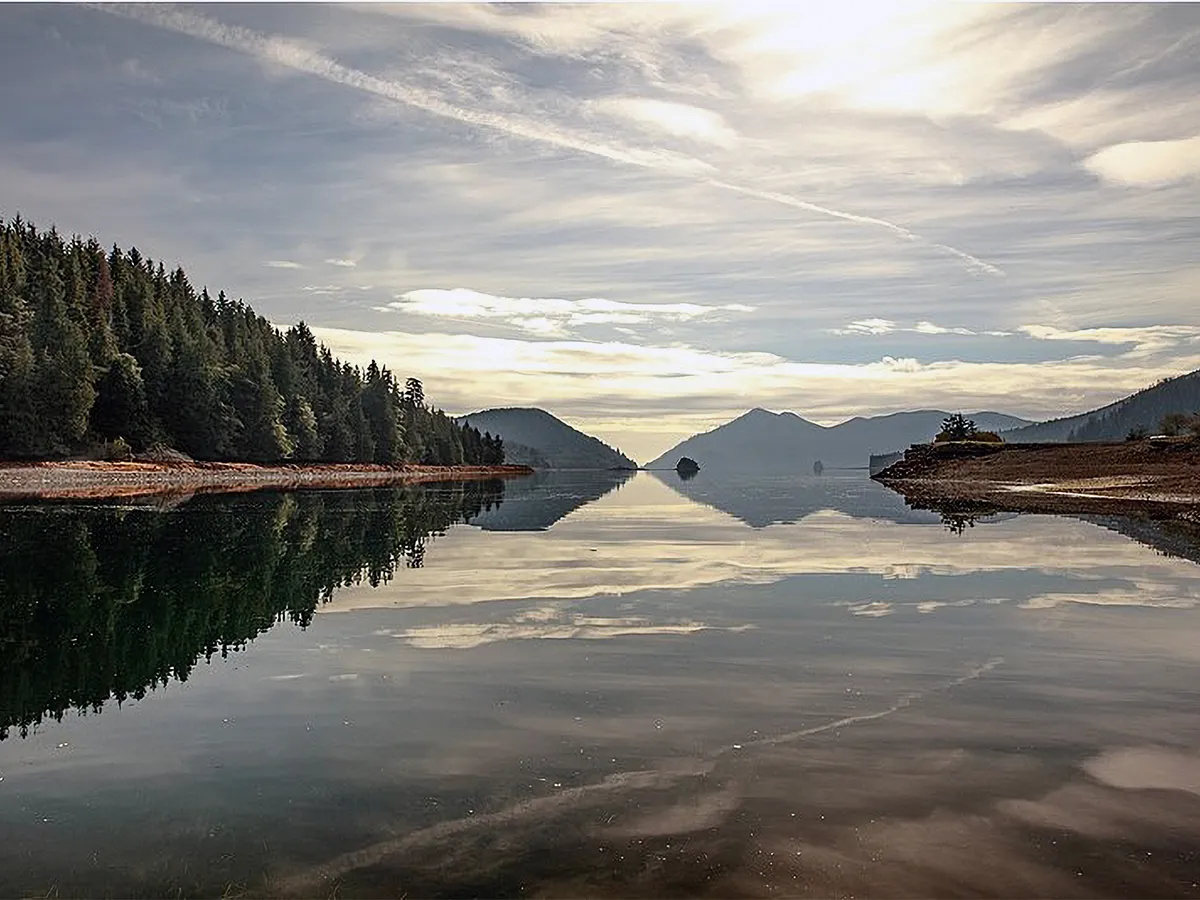
Skip to Content Subscribe Our Offers My Account Manage My Subscriptions FAQ Newsletters Canada Canadian True Crime Canadian Politics Health World Israel & Middle East Financial Post NP Comment Longreads Puzzmo Diversions Comics NP News Quiz New York Times Crossword Horoscopes Life Eating & Drinking Style Sponsored Play for Ontario Travel Travel Canada Travel USA Travel International Cruises Travel Essentials Culture Books Celebrity Movies Music Theatre Television Business Essentials Advice Lives Told Tails Told Shopping Buy Canadian Home Living Outdoor Living Kitchen & Dining Tech Style & Beauty Personal Care Entertainment & Hobbies Gift Guide Travel Guide Amazon Prime Day Deals Savings National Post Store More Sports Hockey Baseball Basketball Football Soccer Golf Tennis Driving Vehicle Research Reviews News Gear Guide Obituaries Place an Obituary Place an In Memoriam Classifieds Place an Ad Celebrations Working Business Ads Archives Healthing Epaper Manage Print Subscription Profile Settings My Subscriptions Saved Articles My Offers Newsletters Customer Service FAQ Newsletters Canada World Financial Post NP Comment Longreads Puzzmo Diversions Life Shopping Epaper Manage Print Subscription HomeNP CommentGeoffrey Moyse: Haida land deal enabled by legal subterfugeGovernments secretly negotiated recognition of Aboriginal title over entire Haida Gwaii archipelago without any legal proofLast updated 29 minutes ago You can save this article by registering for free here. Or sign-in if you have an account.An undated photo taken in the Haida Gwaii archipelago, formerly known as the Queen Charlotte Islands. Both the B.C. NDP government and the federal Liberals secretly negotiated with the Haida to give the First Nation title to about a million hectares of land, water and seabed, writes Geoffrey Moyse. Photo by Murray Foubister / Government of B.C.In a recent op-ed in the National Post, Josh Dehaas of the Canadian Constitution Foundation wrote: “Last September, many Canadians were shocked to learn through a Haida Nation news release that British Columbia and Canada had gone behind closed doors in judges’ chambers and signed an agreement that recognized Aboriginal title over all of Haida Gwaii. Without having to prove their title in court, the Haida gained constitutionally protected rights over the entire archipelago.”Enjoy the latest local, national and international news.Exclusive articles by Conrad Black, Barbara Kay and others. Plus, special edition NP Platformed and First Reading newsletters and virtual events.Unlimited online access to National Post.National Post ePaper, an electronic replica of the print edition to view on any device, share and comment on.Daily puzzles including the New York Times Crossword.Support local journalism.Enjoy the latest local, national and international news.Exclusive articles by Conrad Black, Barbara Kay and others. Plus, special edition NP Platformed and First Reading newsletters and virtual events.Unlimited online access to National Post.National Post ePaper, an electronic replica of the print edition to view on any device, share and comment on.Daily puzzles including the New York Times Crossword.Support local journalism.Create an account or sign in to continue with your reading experience.Access articles from across Canada with one account.Share your thoughts and join the conversation in the comments.Enjoy additional articles per month.Get email updates from your favourite authors.Create an account or sign in to continue with your reading experience.Access articles from across Canada with one accountShare your thoughts and join the conversation in the commentsEnjoy additional articles per monthGet email updates from your favourite authorsSign In or Create an AccountorHis basic point was that governments have been negotiating Aboriginal title and then seeking court declarations of such title over vast parts of British Columbia — areas that would almost assuredly never pass the test of being subject to Aboriginal title if litigated in the courts.The National Post newsletter that doesn’t hold back, giving readers the unvarnished truth on media, politics and culture.By signing up, you consent to receive the above newsletter from Postmedia Network Inc.A welcome email is on its way. If you don't see it, please check your junk folder.The next issue of Right? will soon be in your inbox.We encountered an issue signing you up. Please try againThe legal subterfuge to which Dehaas alluded — a process of concurrent bilateral negotiations between the Haida and the provincial and federal governments — goes back more than a few years.Both the B.C. NDP government and the federal Liberals secretly negotiated with the Haida independent but largely mirror agreements, with the goal of legally recognizing Aboriginal title over the entirety of the Haida Gwaii archipelago (formerly called the Queen Charlotte Islands), including both Crown and private lands, rather than continuing to insist that the title claim be proven in the courts.The Haida refused to negotiate a treaty (which would have involved proper tripartite negotiations with B.C. and the federal government), and instead negotiated and finalized in July 2024 a bilateral agreement with the B.C. government called the “Rising Tide Agreement.”At the same time however, they also negotiated a very similar agreement with Ottawa for the same territorial Aboriginal title recognition. This was finalized with the federal government in November of 2024 and is called the “Big Tide (Low Water) Agreement.”On Sept. 5, 2025, the B.C. Supreme Court was asked by the Haida and the federal and provincial governments to recognize the “negotiated” agreements and issue a Consent Order declaring Aboriginal title recognized and affirmed by Section 35 of the Constitution to the entirety of the Haida archipelago, including all private fee simple lands.This Aboriginal title consent declaration covers about a million hectares of land, water and seabed. By comparison, the Cowichan case in Richmond, B.C., found Aboriginal title to about 324 hectares of land.The Consent Order regarding Aboriginal title to Haida Gwaii was not a court declaration borne of a lengthy Aboriginal title trial ultimately decided by the courts as in the Cowichan case, but rather a court deferring to what it was told those three parties had “agreed to” for a title outcome on Haida Gwaii.To repeat what Josh Dehaas rightly said in his op-ed:“Without having to prove their title in court, the Haida gained constitutionally protected rights over the entire archipelago.”Since the federal government, British Columbia and the Haida agreed to the Consent Order, there are no other parties to that litigation who would be in the position to appeal the declaration by the B.C. Supreme Court. As soon as the declaration was issued by the court, Aboriginal title under Section 35 crystallized as a constitutional right that can never be extinguished except by way of a future constitutional amendment either removing Section 35 from Canada’s Constitution or removing the concept of “Aboriginal title” from Section 35.There is little chance that the Haida, had they proceeded with a court case to prove the extent of their Aboriginal title on Haida Gwaii, would have obtained a judgment that confirmed they had met the test for Aboriginal land title set out by the Supreme Court of Canada in the 1997 Delgamuukw and 2014 Tsilhqot’in decisions.Dehaas also asks if this process is about to repeat with the Tahltan First Nation in northwestern B.C. over a territory that is roughly the size of Portugal. The only way it won’t is for the British Columbia public at large to shout “Stop this now,” and to loudly demand that their elected representatives actually listen to them on this issue, instead of carrying on with secret Aboriginal title negotiations to rapidly divest the public of vast areas of the Crown land base of British Columbia, without any testing of the legal validity of their assumptions.Special to National PostGeoffrey S. Moyse, KC, is a retired senior lawyer who served as legal counsel to the Province of B.C., advising six successive governments on Aboriginal law over more than 30 years. He is principal at Moyse Law and an adviser to the Public Land Use Society. Join the Conversation This website uses cookies to personalize your content (including ads), and allows us to analyze our traffic. Read more about cookies here. By continuing to use our site, you agree to our Terms of Use and Privacy Policy.
Geoffrey Moyse: Haida land deal enabled by legal subterfuge
Governments secretly negotiated recognition of Aboriginal title over entire Haida Gwaii archipelago without any legal proof
1,311 words~6 min read