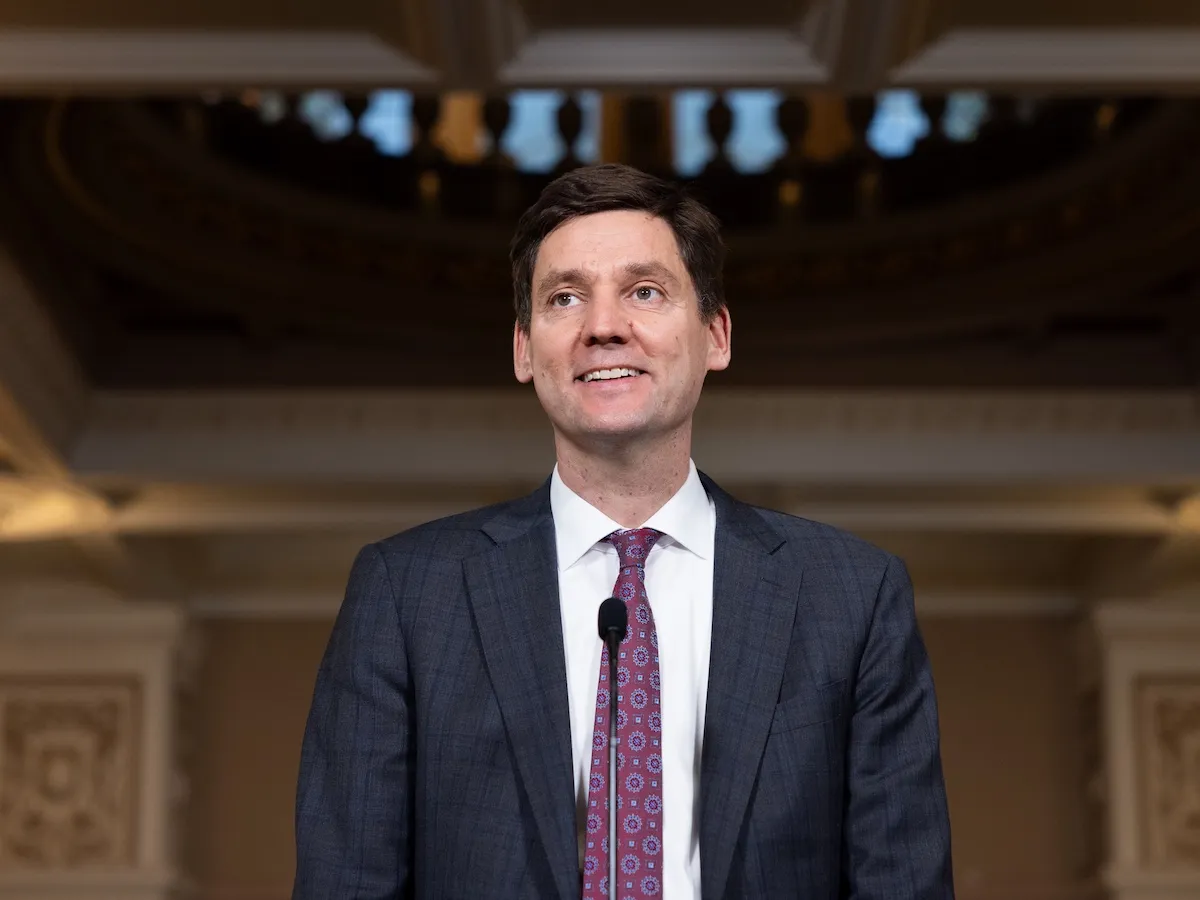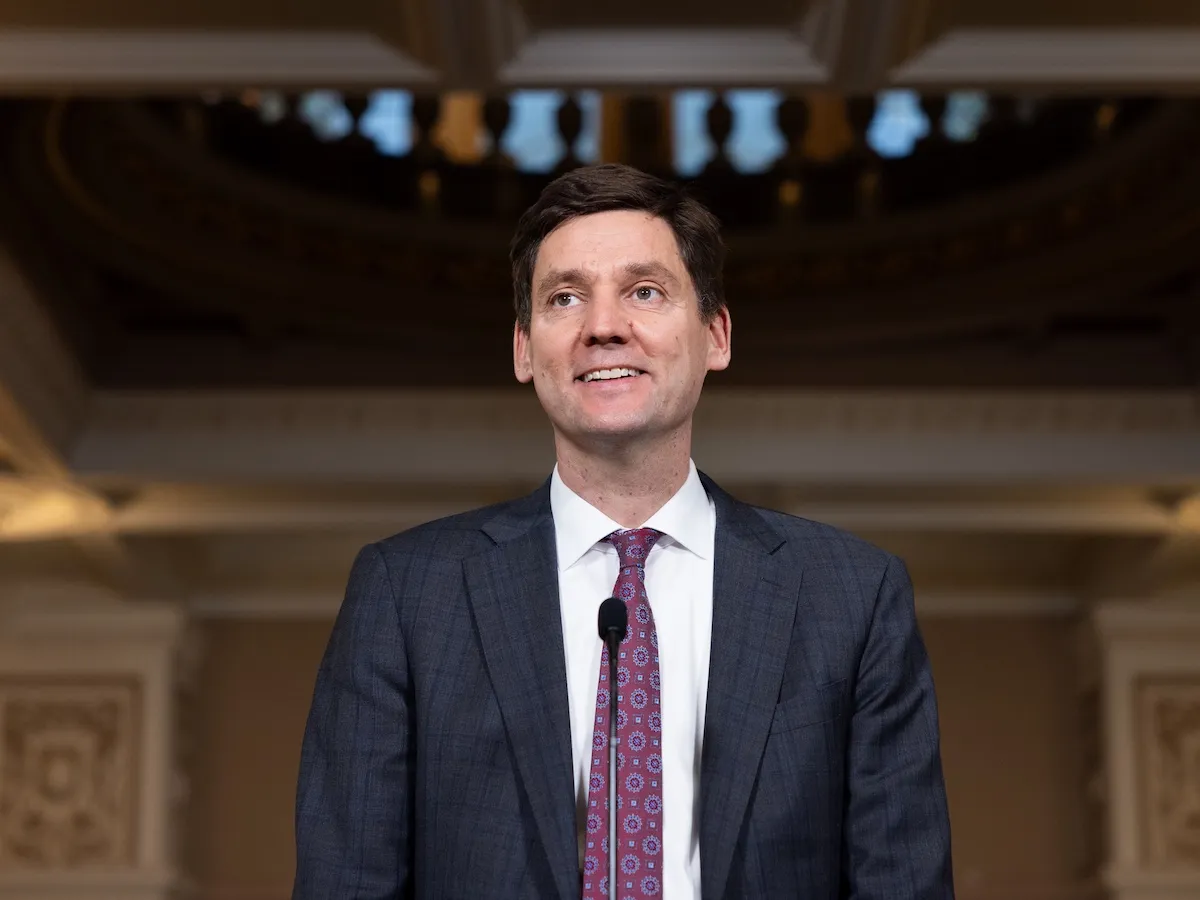
Skip to Content Subscribe Our Offers My Account Manage My Subscriptions FAQ Newsletters Canada Canadian True Crime Canadian Politics Health World Israel & Middle East Financial Post NP Comment Longreads Puzzmo Diversions Comics NP News Quiz New York Times Crossword Horoscopes Life Eating & Drinking Style Sponsored Play for Ontario Travel Travel Canada Travel USA Travel International Cruises Travel Essentials Culture Books Celebrity Movies Music Theatre Television Business Essentials Advice Lives Told Tails Told Shopping Buy Canadian Home Living Outdoor Living Tech Style & Beauty Kitchen & Dining Personal Care Entertainment & Hobbies Gift Guide Travel Guide Deals Savings National Post Store More Sports Hockey Baseball Basketball Football Soccer Golf Tennis Driving Vehicle Research Reviews News Gear Guide Obituaries Place an Obituary Place an In Memoriam Classifieds Place an Ad Celebrations Working Business Ads Archives Healthing Epaper Manage Print Subscription Profile Settings My Subscriptions Saved Articles My Offers Newsletters Customer Service FAQ Newsletters Canada World Financial Post NP Comment Longreads Puzzmo Diversions Life Shopping Epaper Manage Print Subscription HomeNP CommentGeoff Russ: The South Africanization of B.C.The province's obsessions with name changes has become retributive, like in the former apartheid countryLast updated 6 minutes ago You can save this article by registering for free here. Or sign-in if you have an account.B.C. Premier David Eby addresses a news conference at the legislature in Victoria on April 2, 2026. Credit: Government of B.C.The likely renaming of the small British Columbia community of Okanagan Falls exemplifies the toxicity, unworkability, and power of the Declaration on the Rights of Indigenous Peoples Act (DRIPA) and “decolonization” more broadly. It is a top-down, legally binding process, not an organic or democratic one.Enjoy the latest local, national and international news.Exclusive articles by Conrad Black, Barbara Kay and others. Plus, special edition NP Platformed and First Reading newsletters and virtual events.Unlimited online access to National Post.National Post ePaper, an electronic replica of the print edition to view on any device, share and comment on.Daily puzzles including the New York Times Crossword.Support local journalism.Enjoy the latest local, national and international news.Exclusive articles by Conrad Black, Barbara Kay and others. Plus, special edition NP Platformed and First Reading newsletters and virtual events.Unlimited online access to National Post.National Post ePaper, an electronic replica of the print edition to view on any device, share and comment on.Daily puzzles including the New York Times Crossword.Support local journalism.Create an account or sign in to continue with your reading experience.Access articles from across Canada with one account.Share your thoughts and join the conversation in the comments.Enjoy additional articles per month.Get email updates from your favourite authors.Create an account or sign in to continue with your reading experience.Access articles from across Canada with one accountShare your thoughts and join the conversation in the commentsEnjoy additional articles per monthGet email updates from your favourite authorsSign In or Create an AccountorDRIPA, passed by the B.C. NDP government in 2019, requires the province to align its laws with the UN Declaration on the Rights of Indigenous Peoples (UNDRIP), which includes recognizing and restoring traditional Indigenous place names. The mandate to rename Okanagan Falls stems from these legal obligations.A dual name has been proposed by the province as a compromise, in both the English and local Indigenous Syilx language, partially to appease the Osoyoos Indian Band, whose leadership is resolute on the matter. The potential Syilx name remains undetermined.This newsletter from NP Comment tackles the topics you care about. (Subscriber-exclusive edition on Fridays)By signing up you consent to receive the above newsletter from Postmedia Network Inc.We encountered an issue signing you up. Please try againChief Clarence Louie said, “When it comes to reconciliation and land claims and Indigenous people having rights, those aren’t up for a vote.”Okanagan Falls is seeking to become B.C.’s newest municipality. However, through the incorporation process, the very name of the community itself has become subject to a higher dispensation.This is the South Africanization of B.C., in which an ideology of historical accusation, and the causes of “reconciliation” and “decolonization,” are turned into a permanent regime of racial political privilege, with undemocratic renamings only part of it. Unlike South Africa, Canada has no legacy of apartheid, and there is no reason for us to conduct our politics as if such a legacy exists.What we call a place matters greatly. If it did not, those on the political left and radical Indigenous activists would not devote so much time and energy to changing place names.After the end of apartheid in 1994, South Africa’s new, supposedly post-racial government for the “Rainbow Nation” also began to wrap itself in the language of reconciliation. Rather than becoming a movement for national healing, the politics that followed evolved into something that included almost punitive dispossession of property, vicious rhetoric, and history wars. Sound familiar?Much of Canada is walking the same road, especially in B.C., and DRIPA has been made into a legal weapon.Following rulings that found DRIPA was legally binding to all past and future laws, rather than merely a guideline, NDP Premier David Eby attempted to suspend the legislation. He stopped himself in his tracks after the First Nations Leadership Council (FNLC) warned that any amendments without its permission would result in the pursuit of “every available avenue, legal, political and through direct action.”Faced with a situation that stopped barely short of open rebellion, Eby backed down. New powers have been unintentionally ceded to unelected Indigenous authorities, and they will fight to keep them. These powers include the ability to change what is on the maps of the province.Regarding democracy, the true spirit of “reconciliation” and “decolonization” has driven a wedge through Powell River, a small city on the B.C. coast. The local Tla’amin Nation has demanded that the city be renamed, and has rejected a referendum or opinion poll on that change, arguing that “the human rights of a minority should not be decided by a majority.”Even Powell River’s own Joint Working Group has said a poll is “not the appropriate tool.” Local power players have staked much on the renaming. After a wave of pushback, they are afraid of losing in the public square.The replacement of Powell River is already occurring, piece by piece and without public consultation. Powell River General Hospital was renamed in 2022, followed by the school board, both replacing “Powell River” with the name “qathet,” which means “working together.” Furthermore, the regional Vancouver Island University satellite campus was renamed to “tiwšɛmawtxʷ,” meaning “house of learning,” to eliminate references to Israel Powell, a controversial colonial official.Very ugly racial language has accompanied these changes. Former Tla’amin leader Maynard Harry went on the record declaring that, “the white people in Canada are subhuman because of what they’ve allowed to happen.” He repeated the word “subhuman” several times. There is no healing to be found in those words, and they make suspect the very notion that healing was ever the goal, rather than power.South Africa has already renamed more than 1,500 communities since 2000 on the basis of race, reconciliation, and retribution.Historic towns like Port Elizabeth, Uitenhage, and East London, all of which have great importance to Afrikaners and Anglo-South Africans, have had their names replaced. These changes were often made despite public surveys indicating fierce opposition, including from some Black South Africans, from the residents of these communities. These name changes have occurred alongside land and property seizures in the “public interest,” often with little or no compensation.Even if one were to concede that South Africa’s renaming policy is justified on the basis of correcting historic wrongs, that doesn’t justify emulating those policies in Canada.Even so, the B.C. NDP has fully embraced this worldview, such as Premier Eby calling B.C.’s origins an “original colonial mistake,” while his MLA Rohini Arora said in the legislature that India, Pakistan, and Canada “share the same colonizer.”In this worldview, B.C. is a sin that must be purged and remade into something new. The NDP has authorized literature that declares the term “British Columbian” to be exclusionary. It publishes official guides for immigrants where the only history section is about the mistreatment of First Nations. Newcomers are being taught to despise B.C. before even signing a lease.B.C. is obviously not materially, economically or historically comparable to South Africa, but its political narratives are converging. Black nationalists in South Africa chant “Kill the Boer” as a threat to white farmers, while Indigenous chiefs in B.C. speak of non-Indigenous people as “subhuman.”In both cases, enmity and resentment mobilize power players and move politics. Obviously, calling people “subhuman” is not a common practice or sentiment among Indigenous leaders in B.C., but it reveals that extreme sentiment is indeed present in decolonization discourse.B.C. does not need to import these crude politics. Its towns, laws, parks, and mountains belong to its citizens, not modern racial categories.Let the people of Okanagan Falls and Powell River choose to keep the names that they and their children have grown up with. Let B.C. not be renamed, replaced, and remade beyond recognition. Let us not walk on the road to becoming South Africa.National Post Join the Conversation This website uses cookies to personalize your content (including ads), and allows us to analyze our traffic. Read more about cookies here. By continuing to use our site, you agree to our Terms of Use and Privacy Policy.
Geoff Russ: The South Africanization of B.C.
The province's obsessions with name changes has become retributive, like in the former apartheid country
1,544 words~7 min read