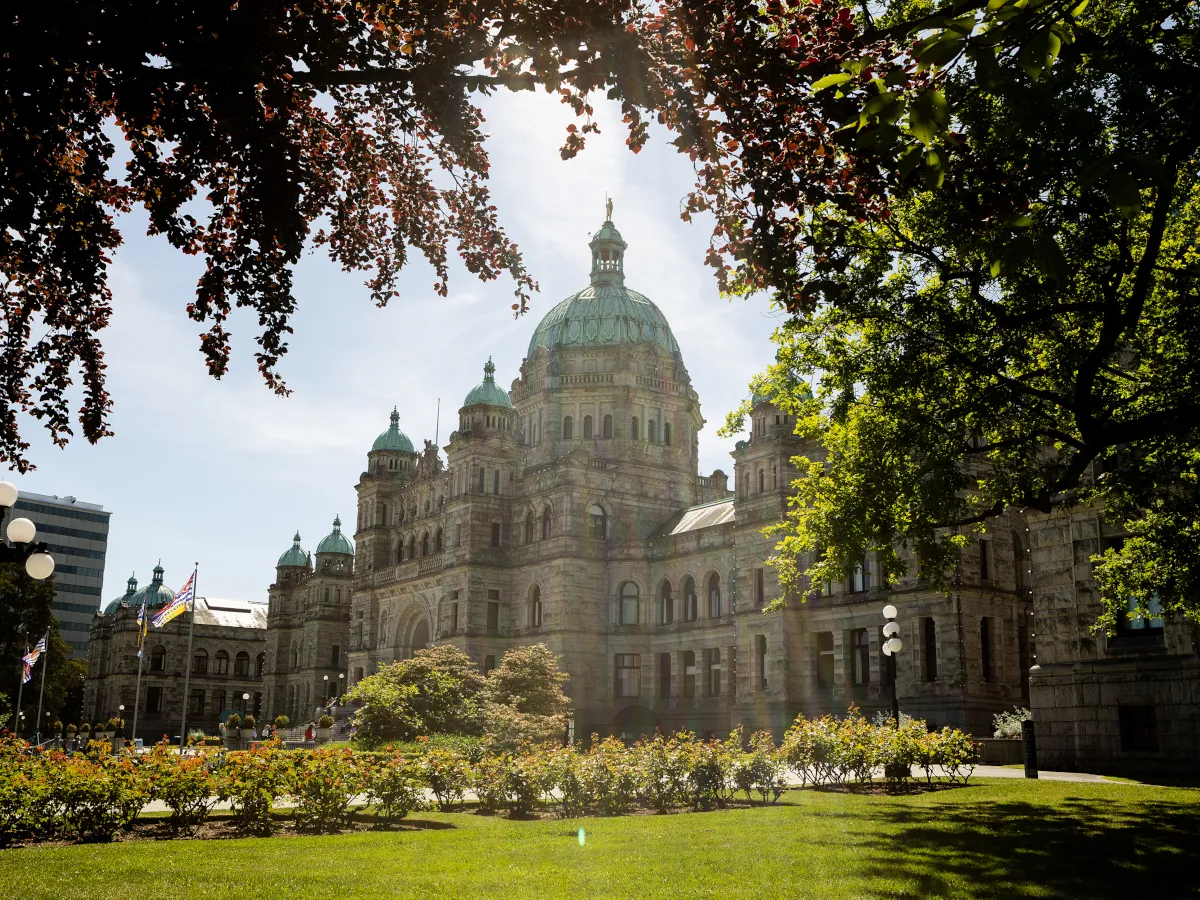
Skip to Content Subscribe Our Offers My Account Manage My Subscriptions FAQ Newsletters Canada Canadian True Crime Canadian Politics Health World Israel & Middle East Financial Post NP Comment Longreads Puzzmo Diversions Comics NP News Quiz New York Times Crossword Horoscopes Life Eating & Drinking Style Sponsored Play for Ontario Travel Travel Canada Travel USA Travel International Cruises Travel Essentials Culture Books Celebrity Movies Music Theatre Television Business Essentials Advice Lives Told Tails Told Shopping Buy Canadian Home Living Outdoor Living Tech Style & Beauty Kitchen & Dining Personal Care Entertainment & Hobbies Gift Guide Travel Guide Deals Savings National Post Store More Sports Hockey Baseball Basketball Football Soccer Golf Tennis Driving Vehicle Research Reviews News Gear Guide Obituaries Place an Obituary Place an In Memoriam Classifieds Place an Ad Celebrations Working Business Ads Archives Healthing Epaper Manage Print Subscription Profile Settings My Subscriptions Saved Articles My Offers Newsletters Customer Service FAQ Newsletters Canada World Financial Post NP Comment Longreads Puzzmo Diversions Life Shopping Epaper Manage Print Subscription HomeNP CommentGeoffrey Moyse: B.C.'s DRIPA law is irredeemable and must be scrappedRather than a vehicle for reconciliation, the legislation is tearing the province apartLast updated 0 minutes ago You can save this article by registering for free here. Or sign-in if you have an account.The B.C. legislature in Victoria. Photo by Chad Hipolito/PostmediaAt the beginning of May, Tod Stone, a former B.C. cabinet minister and current CEO of the Association for Mineral Exploration, noted the many problems with the province’s Declaration on the Rights of Indigenous Peoples Act (DRIPA), but then claimed that it “has the potential to advance reconciliation in a respectful and meaningful way” (B.C.’s DRIPA Law Should Be Fixed, Not Scrapped, Todd Stone, May 3). This is simply not the case.Enjoy the latest local, national and international news.Exclusive articles by Conrad Black, Barbara Kay and others. Plus, special edition NP Platformed and First Reading newsletters and virtual events.Unlimited online access to National Post.National Post ePaper, an electronic replica of the print edition to view on any device, share and comment on.Daily puzzles including the New York Times Crossword.Support local journalism.Enjoy the latest local, national and international news.Exclusive articles by Conrad Black, Barbara Kay and others. Plus, special edition NP Platformed and First Reading newsletters and virtual events.Unlimited online access to National Post.National Post ePaper, an electronic replica of the print edition to view on any device, share and comment on.Daily puzzles including the New York Times Crossword.Support local journalism.Create an account or sign in to continue with your reading experience.Access articles from across Canada with one account.Share your thoughts and join the conversation in the comments.Enjoy additional articles per month.Get email updates from your favourite authors.Create an account or sign in to continue with your reading experience.Access articles from across Canada with one accountShare your thoughts and join the conversation in the commentsEnjoy additional articles per monthGet email updates from your favourite authorsSign In or Create an AccountorDRIPA, which was passed by the government of former B.C. premier John Horgan in 2019, cannot provide a viable framework for reconciliation in British Columbia, because the United Nations Declaration on the Rights of Indigenous Peoples (UNDRIP) is not a viable framework for reconciliation in an advanced western democracy such as Canada, which already recognizes and affirms Aboriginal and treaty rights in its Constitution.This newsletter from NP Comment tackles the topics you care about. (Subscriber-exclusive edition on Fridays)By signing up you consent to receive the above newsletter from Postmedia Network Inc.We encountered an issue signing you up. Please try againThe suggestion that UNDRIP ought to be Canada’s reconciliation framework came from the Truth and Reconciliation Commission’s calls to action. As a recommendation, it was seriously flawed.Sec. 35 of the Constitution Act, 1982, states, “The existing aboriginal and treaty rights of the aboriginal peoples of Canada are hereby recognized and affirmed.” The Supreme Court has interpreted this as the proper vehicle for reconciliation in Canada. While Sec. 35 has been criticized, it at least provides a balanced approach to reconciling the pre-existence of Indigenous societies with the imposition of sovereignty by the Crown.UNDRIP is inconsistent with Sec. 35 and is contrary to what the Supreme Court has determined to be the constitutional obligations of governments and the rights they are supposed to protect. Governments simply cannot accept UNDRIP as an alternative pathway to reconciliation in the Canadian context.Apparently the B.C. government’s view was that it never intended DRIPA to be legally enforceable by the courts, or to cause UNDRIP itself to be the law of the land. Yet in December 2025, the B.C. Court of Appeal disagreed with that interpretation of both DRIPA and Sec. 8.1 of the Interpretation Act, which states that, “Every Act and regulation must be construed as being consistent with the Declaration.”The court determined that, “Properly interpreted, the Declaration Act incorporates UNDRIP into the positive law of British Columbia with immediate legal effect.” This has created enormous levels of legal uncertainty in the province and opened the door for First Nations to litigate, and potentially upend, any provincial laws if they so choose.Even American First Nations have cited DRIPA and UNDRIP in legal challenges to provincial government decisions, including the government’s approval of the Eskey Creek mine in northern B.C.Recently, the Business Council of British Columbia surveyed its members and found that 98 per cent of them are “very concerned” about DRIPA “applying to all laws in the province. The same share of respondents also said that they do not believe DRIPA is living up to its original promise of creating greater investment certainty in B.C.”This is a far cry from how the province’s NDP government pitched DRIPA in 2019, when it claimed in a press release that the “legislation aims to create further certainty for investment and reaffirms B.C. as a world-class destination providing opportunities for business.”Once hailed by the B.C. NDP as a sort of holy grail of reconciliation, blindly following the recommendations of the Truth and Reconciliation Commission, DRIPA is now clearly causing havoc throughout the province, as the business community is now bluntly stating.Far from being a framework for advancing reconciliation in a “respectful and meaningful way,” there are now existential reasons to insist upon the full and outright repeal of DRIPA, to ensure that UNDRIP ceases to have any application at all in British Columbia.National PostGeoffrey S. Moyse is a retired senior lawyer who served as legal counsel to the Province of British Columbia, advising six successive governments on Aboriginal law over more than 30 years. He is now principal at Moyse Law. Join the Conversation This website uses cookies to personalize your content (including ads), and allows us to analyze our traffic. Read more about cookies here. By continuing to use our site, you agree to our Terms of Use and Privacy Policy.
Geoffrey Moyse: B.C.'s DRIPA law is irredeemable and must be scrapped
Rather than a vehicle for reconciliation, the legislation is tearing the province apart
1,130 words~5 min read