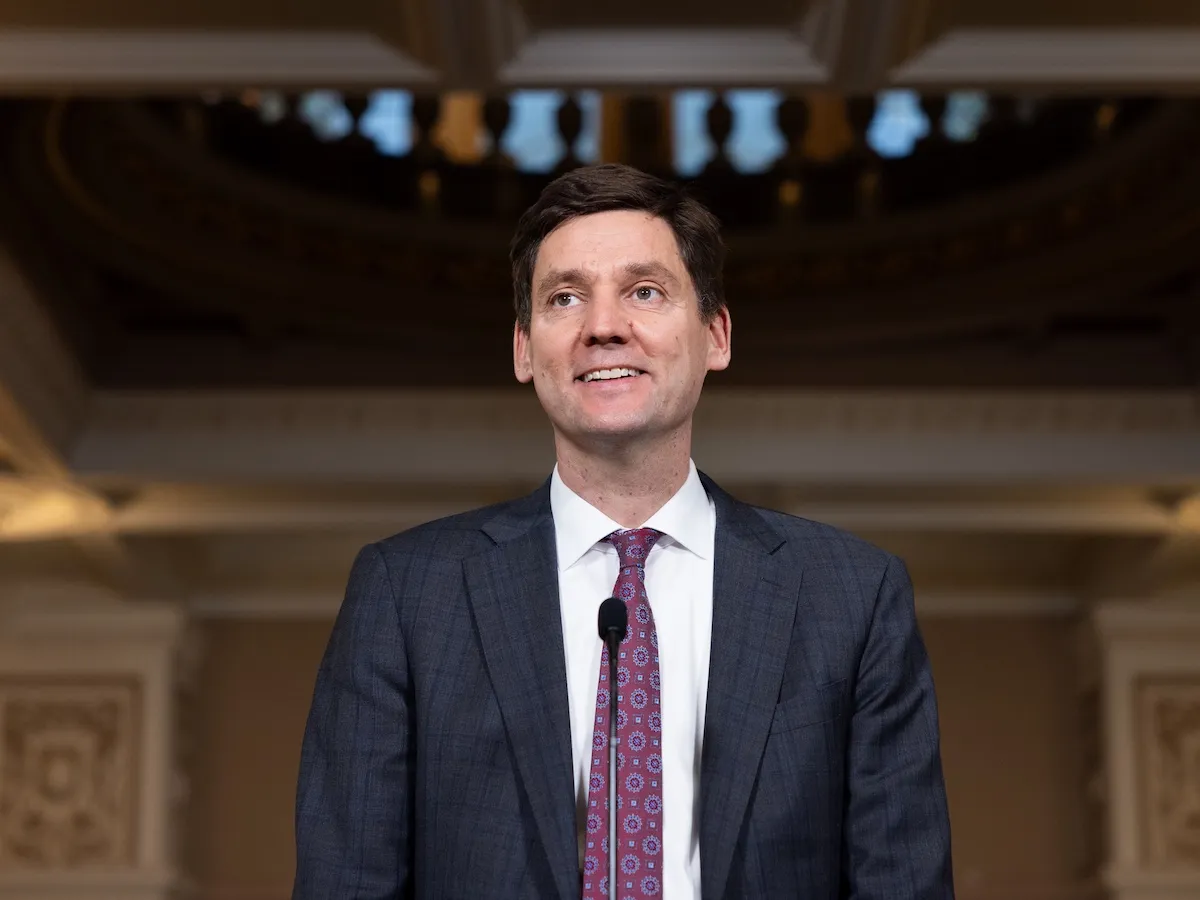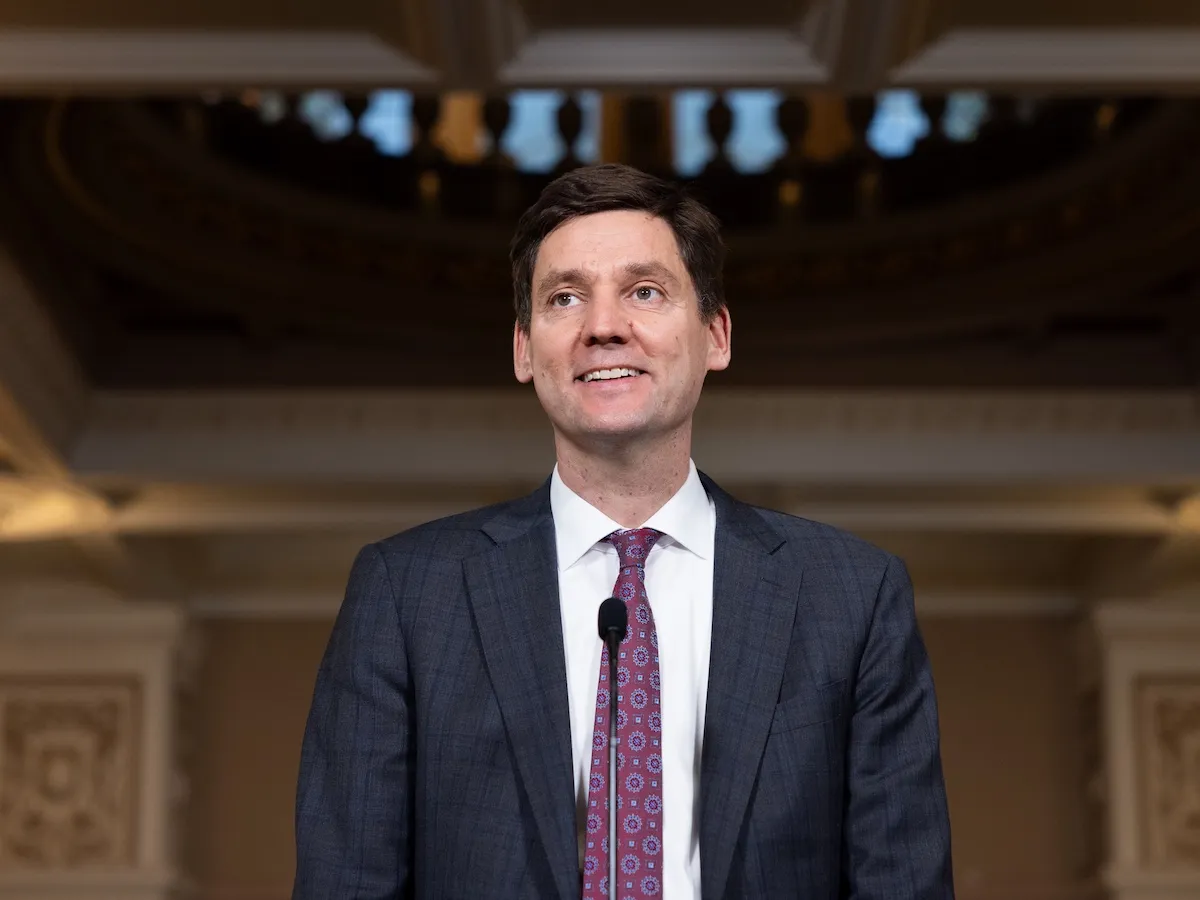
Skip to Content Subscribe Our Offers My Account Manage My Subscriptions FAQ Newsletters Canada Canadian True Crime Canadian Politics Health World Israel & Middle East Financial Post NP Comment Longreads Puzzmo Diversions Comics NP News Quiz New York Times Crossword Horoscopes Life Eating & Drinking Style Sponsored Play for Ontario Travel Travel Canada Travel USA Travel International Cruises Travel Essentials Culture Books Celebrity Movies Music Theatre Television Business Essentials Advice Lives Told Tails Told Shopping Buy Canadian Home Living Outdoor Living Kitchen & Dining Tech Style & Beauty Personal Care Entertainment & Hobbies Gift Guide Travel Guide Amazon Prime Day Deals Savings National Post Store More Sports Hockey Baseball Basketball Football Soccer Golf Tennis Driving Vehicle Research Reviews News Gear Guide Obituaries Place an Obituary Place an In Memoriam Classifieds Place an Ad Celebrations Working Business Ads Archives Healthing Epaper Manage Print Subscription Profile Settings My Subscriptions Saved Articles My Offers Newsletters Customer Service FAQ Newsletters Canada World Financial Post NP Comment Longreads Puzzmo Diversions Life Shopping Epaper Manage Print Subscription HomeNP CommentGeoff Russ: Eby's gross mishandling of property rights is uniting the province against himThe public has had enough of the reconciliation agendaLast updated 2 days ago You can save this article by registering for free here. Or sign-in if you have an account.B.C. Premier David Eby addresses a news conference at the legislature in Victoria on April 2, 2026. Photo by Government of B.C.When British Columbians next go to the polls, the election will be fought over the endless quagmires of reconciliation, affordability, and addiction. It will also be fought over property rights, and that issue promises to overshadow all the others.Enjoy the latest local, national and international news.Exclusive articles by Conrad Black, Barbara Kay and others. Plus, special edition NP Platformed and First Reading newsletters and virtual events.Unlimited online access to National Post.National Post ePaper, an electronic replica of the print edition to view on any device, share and comment on.Daily puzzles including the New York Times Crossword.Support local journalism.Enjoy the latest local, national and international news.Exclusive articles by Conrad Black, Barbara Kay and others. Plus, special edition NP Platformed and First Reading newsletters and virtual events.Unlimited online access to National Post.National Post ePaper, an electronic replica of the print edition to view on any device, share and comment on.Daily puzzles including the New York Times Crossword.Support local journalism.Create an account or sign in to continue with your reading experience.Access articles from across Canada with one account.Share your thoughts and join the conversation in the comments.Enjoy additional articles per month.Get email updates from your favourite authors.Create an account or sign in to continue with your reading experience.Access articles from across Canada with one accountShare your thoughts and join the conversation in the commentsEnjoy additional articles per monthGet email updates from your favourite authorsSign In or Create an AccountorDo British Columbians actually own the property they have purchased? The question has gone unanswered since last summer, when the B.C. Supreme Court ruled that Aboriginal title was senior to fee simple in the Cowichan case. Now, that same question has escaped B.C.’s borders and become an issue in Ottawa.Last month, the Conservative Party of Canada forced a vote on an opposition motion that called on the federal government to put private property first in its litigation of the Cowichan case. It contained demands to replace federal litigation guidance that Conservatives say softens the defence of property rights, require explicit protections for fee simple property in future First Nations agreements, and strike a special committee on private property rights.This newsletter from NP Comment tackles the topics you care about. (Subscriber-exclusive edition on Fridays)By signing up you consent to receive the above newsletter from Postmedia Network Inc.We encountered an issue signing you up. Please try againUnfortunately, the motion was defeated 199 to 139, but it shows how B.C.’s property rights battle has spilled beyond the province, and with good reason. In fact, property rights are the biggest issue to hit B.C. politics since COVID-19.During the COVID-19 pandemic, then-Premier John Horgan’s management of the crisis saw him ride a wave of immense public trust to a historic majority. Horgan won that majority by calling an opportunistic snap election, but that is politics. During the campaign, the Angus Reid Institute found that the B.C. New Democratic Party (NDP) held a staggering 18-point lead, with voters trusting the party on COVID-19, health care, and housing.By the end of election day, the NDP won 57 seats and the B.C. Liberals retained just 28. The election broke the old B.C. Liberal “free enterprise” coalition. The party never recovered and, in 2023, rebranded itself into erasure as BC United, while the resurgent B.C. Conservatives monopolized the right-of-centre vote.Horgan’s successor is David Eby, and the property-rights issue is doing to him what COVID-19 did for Horgan, only in reverse. The pandemic supercharged confidence in the NDP government, while the government’s lack of action on property rights is destroying that confidence.The NDP has nobody to blame but itself. For years, it treated “reconciliation” as a painless, symbolic gesture that elites from both sides could rally around, assuming that expanding consultation with First Nations would cause no fundamental change.Then, the NDP passed the Declaration on the Rights of Indigenous Peoples Act (DRIPA), which was intended to guide government decisions affecting Indigenous peoples. The courts then acted again, ruling in the Gitxaała case that DRIPA went beyond guidance and became a legally enforceable constraint on provincial lawmaking. The bodies that determine those constraints are Indigenous governing bodies that are not accountable to the 95 per cent of British Columbians who are non-Indigenous.Now, there is growing uncertainty about the basic foundations of the economy: land title, permits, investment, and even democracy itself. Angus Reid Institute data suggest that 53 per cent of British Columbians think DRIPA has gone too far in curbing the authority of the provincial legislature. Last year, it was 44 per cent. Two-thirds want private property rights to come first if those rights come into conflict with First Nations authorities.The business community is even less convinced by assurances that DRIPA and Aboriginal title controversies will have little effect. A survey of members of the Business Council of British Columbia found that 98 per cent of respondents believed DRIPA was not living up to its promise of creating greater investment certainty. Seventy-four per cent of respondents said the changes were actually reducing investment plans in B.C., and a majority wanted DRIPA repealed.The whole province is fatigued by the “reconciliation” and “decolonization” movements, which have been unethically transformed from moral causes into a rearrangement of the instruments of power.Lawyers and constitutional scholars can bicker about the extent of the Cowichan decision and DRIPA, or about whether people might lose their homes. All of this misses the point.Like the economy, politics is not dictated by academic debates. Trust is key. Currently, the B.C. NDP government is trying to assure property owners that there is nothing to worry about regarding Cowichan, while appealing that same decision. That is the behaviour of a government that knows it has made a potentially fatal mistake and is talking out of both sides of its mouth.Newly elected B.C. Conservative leader Kerry-Lynne Findlay is poised to make property rights and DRIPA’s repeal into two centrepieces of her efforts to dislodge Eby and the NDP, and with good reason.“British Columbia cannot build a strong economy when property owners, resource workers, farmers, municipalities, and investors no longer know where they stand,” read a statement from her campaign.Unlike other issues, no government in B.C. history has any example to follow for handling property rights, and the situation is made worse by the fact that DRIPA has created a two-tier system of citizenship by giving Indigenous governing bodies an effective veto.If the NDP thought reconciliation would permanently divide its opponents over how to approach it, Cowichan and DRIPA have united them. Lawyerly evasions will not save the NDP, and British Columbians will not stop asking: Who really owns B.C. now?The party that answers, “British Columbians do,” will win the next election.National Post Join the Conversation This website uses cookies to personalize your content (including ads), and allows us to analyze our traffic. Read more about cookies here. By continuing to use our site, you agree to our Terms of Use and Privacy Policy.
Geoff Russ: Eby's gross mishandling of property rights is uniting the province against him
The public has had enough of the reconciliation agenda
1,381 words~6 min read