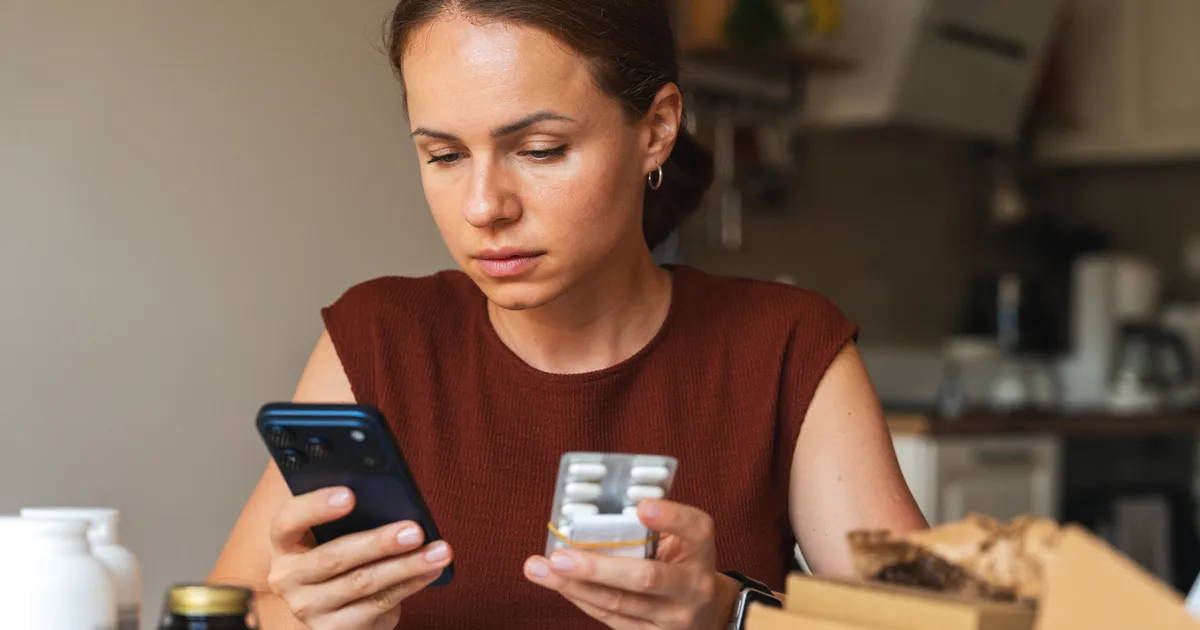
The advice arrives in the confident cadence of a physician. Microwaving food in plastic gives you cancer, a spoonful of Coca-Cola mixed with onion will ease your pain, and a supplement called “Hyalethinap Plus Pro Max” will fix your hair, nails, and joints in one go. The doctor delivering it does not exist.
A study published this month by Hallam, a UK digital marketing agency, found that AI-generated content appeared in 40% of the most-viewed health videos on TikTok, rising to 84% of the clips surfaced by searches for “health tips”. The researchers analysed 1,198 videos, and the top AI-generated ones averaged 2.5 million views apiece.
The findings land on a platform already thick with synthetic media. Nearly 60% of the videos TikTok shows new users are AI slop, a separate study found earlier this year, and dubious claims that AI outperforms doctors have already prompted warnings that patients could be misled at scale.
The doctors quoted in the research were blunt about the stakes. “Platforms like TikTok must do more to stop the rise of dangerous fake medical advice,” said Dr Emma Runswick, deputy chair of the British Medical Association council.
The 💜 of EU techThe latest rumblings from the EU tech scene, a story from our wise ol' founder Boris, and some questionable AI art. It's free, every week, in your inbox. Sign up now!Professor Frankie Swords, NHS England’s national medical director, said many clinicians “are reporting an increasing number of patients who feel worried and confused due to false advice”.