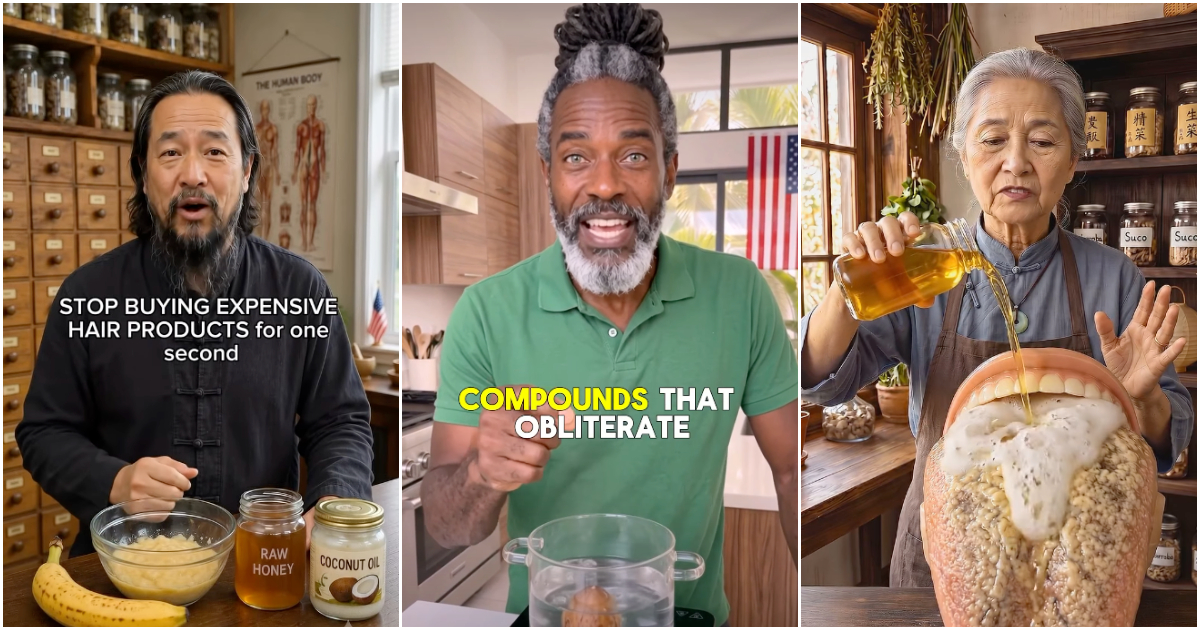
Recent reports have highlighted AI-generated “doctors” spreading dubious health advice to millions of social media users. Fabricated wellness trends can travel just as quickly. A supposed “pink jelly” weight-loss treatment, for example, reportedly fooled at least one celebrity.These examples gain credibility in different ways. Influencers can appear familiar and sincere, while AI-generated doctors can look like qualified professionals. Neither familiarity nor the appearance of expertise tells us whether a medical claim is accurate.Turning to friends and family for health advice is understandable. They may know our circumstances in ways that a healthcare professional cannot during a brief appointment. They can provide emotional support and practical help, and their advice is usually well meant. But somebody can care about us, speak honestly and still be wrong.Truth and trustMy own research and wider research on digital health misinformation shows that trust can play an important part in deciding which claims people accept. Trust in clinicians and scientific institutions is generally associated with lower susceptibility to false health claims. Misinformation can nevertheless spread through trusted social networks when people share it because they want to help or warn others.Social media influencers can reproduce some of the signals of friendship without having a personal relationship with their followers. They address followers directly, share details about their lives and communicate in an informal style. Over time, followers may develop what researchers call a parasocial relationship: a one-sided sense of familiarity with a media figure. A recent meta-analysis found that parasocial relationships can influence health attitudes and behaviour, although their effects vary across different contexts.AI-generated doctors use a different route to credibility. Accounts designed to resemble real clinicians can borrow the appearance and language of medical authority without providing any reliable way to check who created the content, what qualifications lie behind it or whether the advice is supported by evidence.Personal stories are especially persuasive. Someone describes being ill, discovering a treatment and recovering. The account is easy to follow and often more memorable than a discussion of probabilities.
Misinformation about health and wellness can be convincing – here is how to spot it
Claims spread through trusted social networks when people share it because they want to help or warn others.
347 words~2 min read