Deepfakes are rife online, jeopardising health and eroding trust in authorities
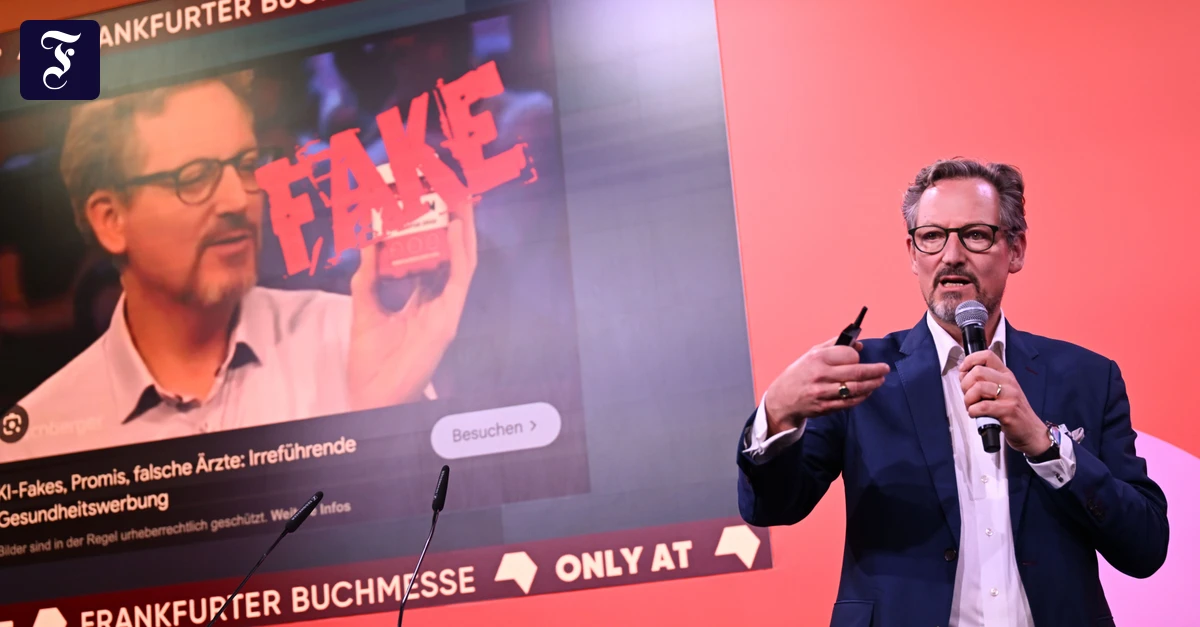
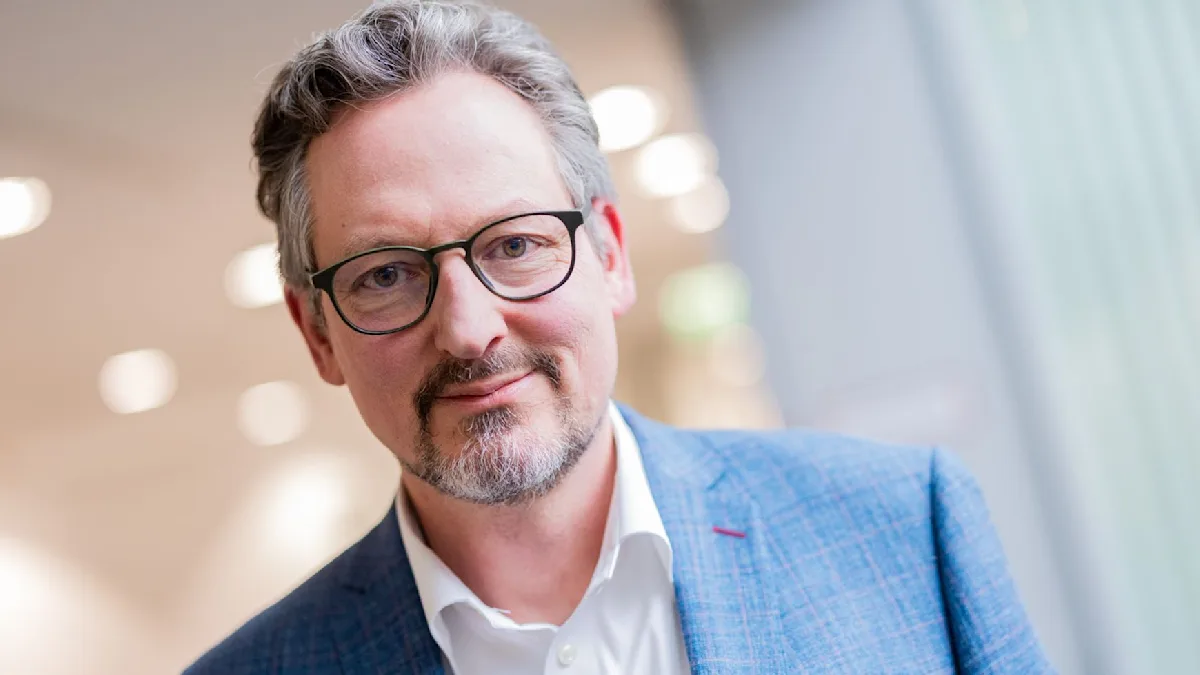
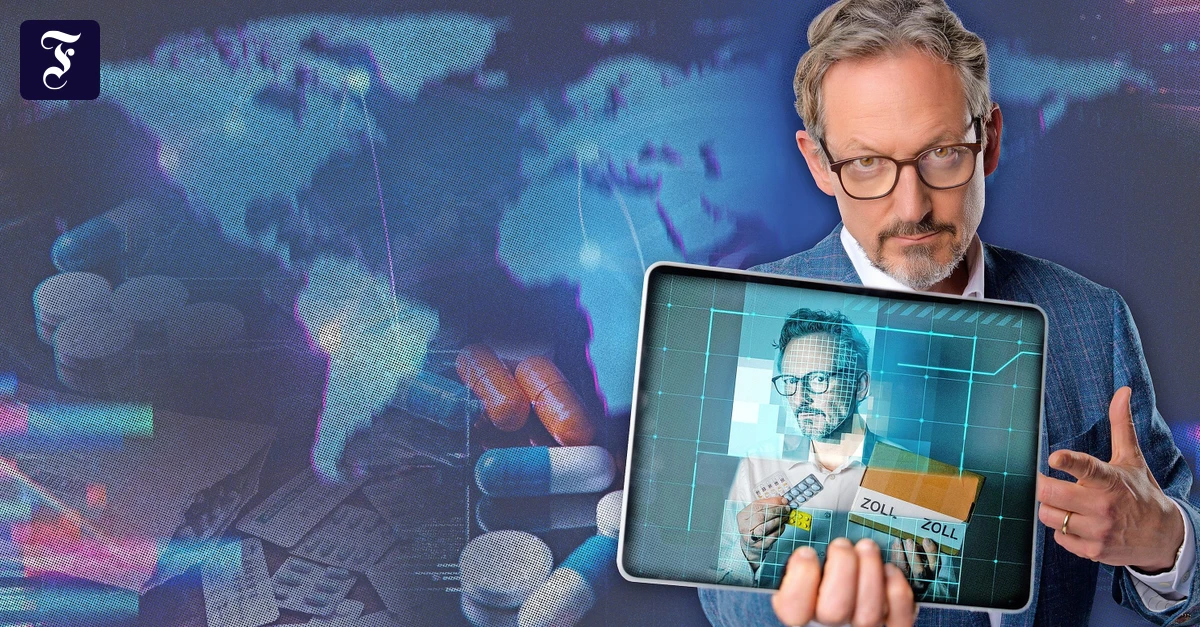
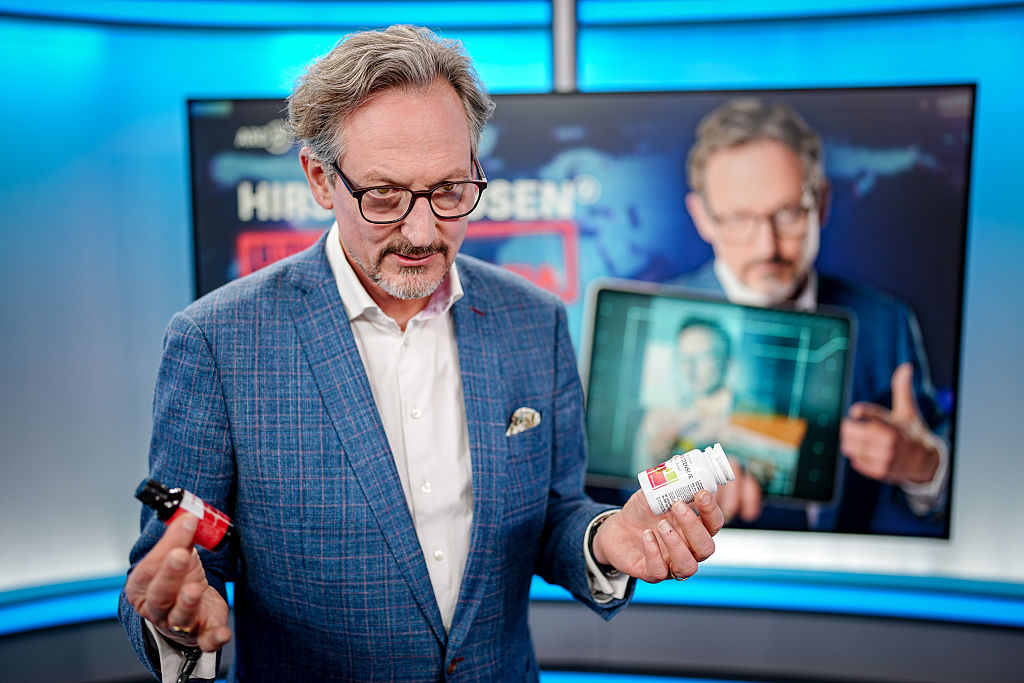
Eckart von Hirschhausen is one of Germany’s best-known TV doctors, celebrated for his blend of medical expertise and humour. But a video of him was trending on social media in June 2024 in which he appeared to recommend a “breakthrough supplement”, claiming that users could “get rid of diabetes in just 17 hours without leaving their home”.
It was a bold endorsement and, if true, would represent a major medical breakthrough.
The problem is that von Hirschhausen never actually said this and never recommended a product that could harm users.
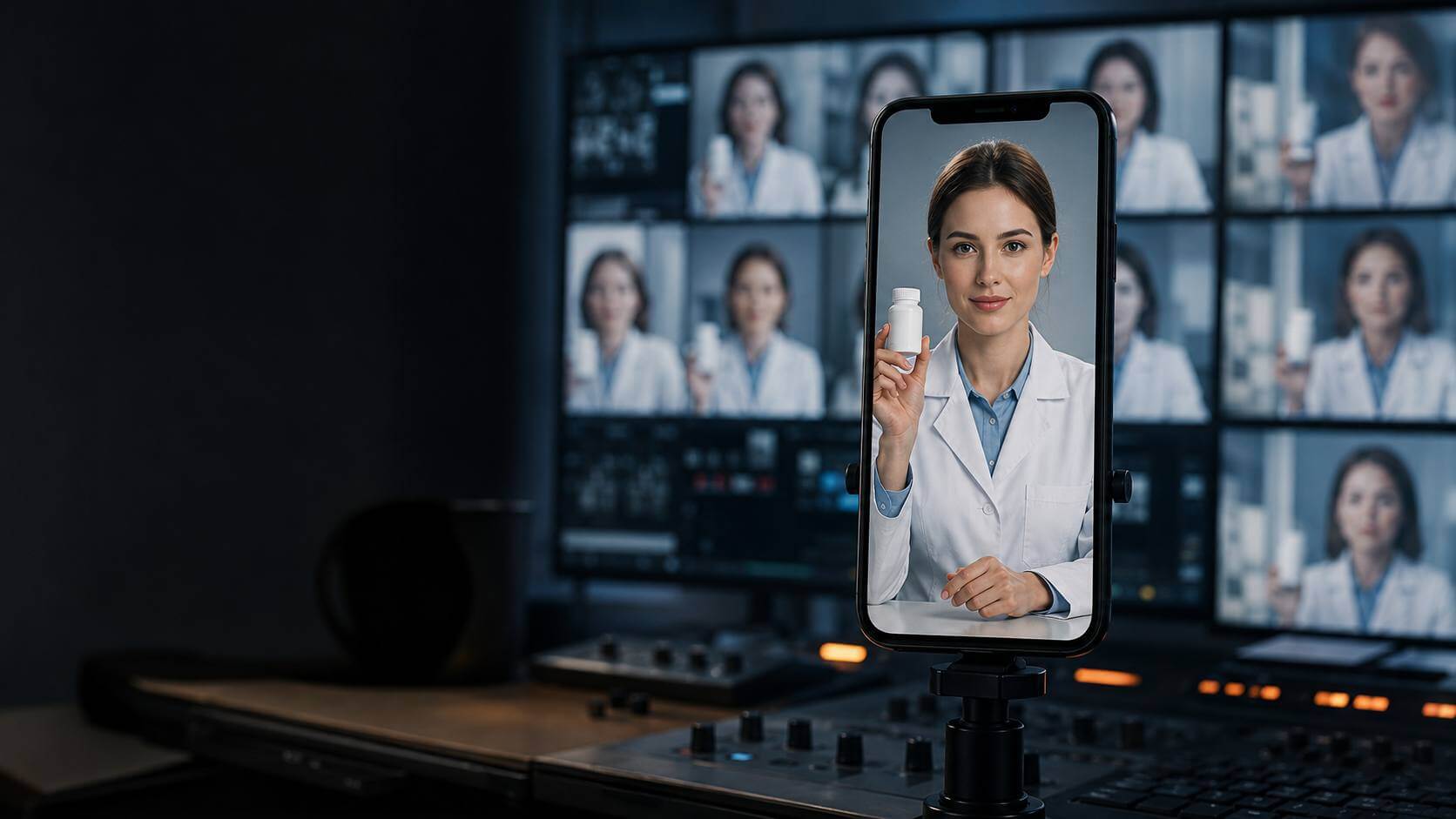
The clip is a medical deepfake, a phenomenon that has been on the rise since AI technology makes it easy for scammers to turn existing footage into something entirely different. The result is an AI-generated synthetic video that convincingly imitates a person’s face, voice and mannerisms. Von Hirschhausen has also been the subject of several similar scams, with over 2,000 such fakes existing of him on the internet.