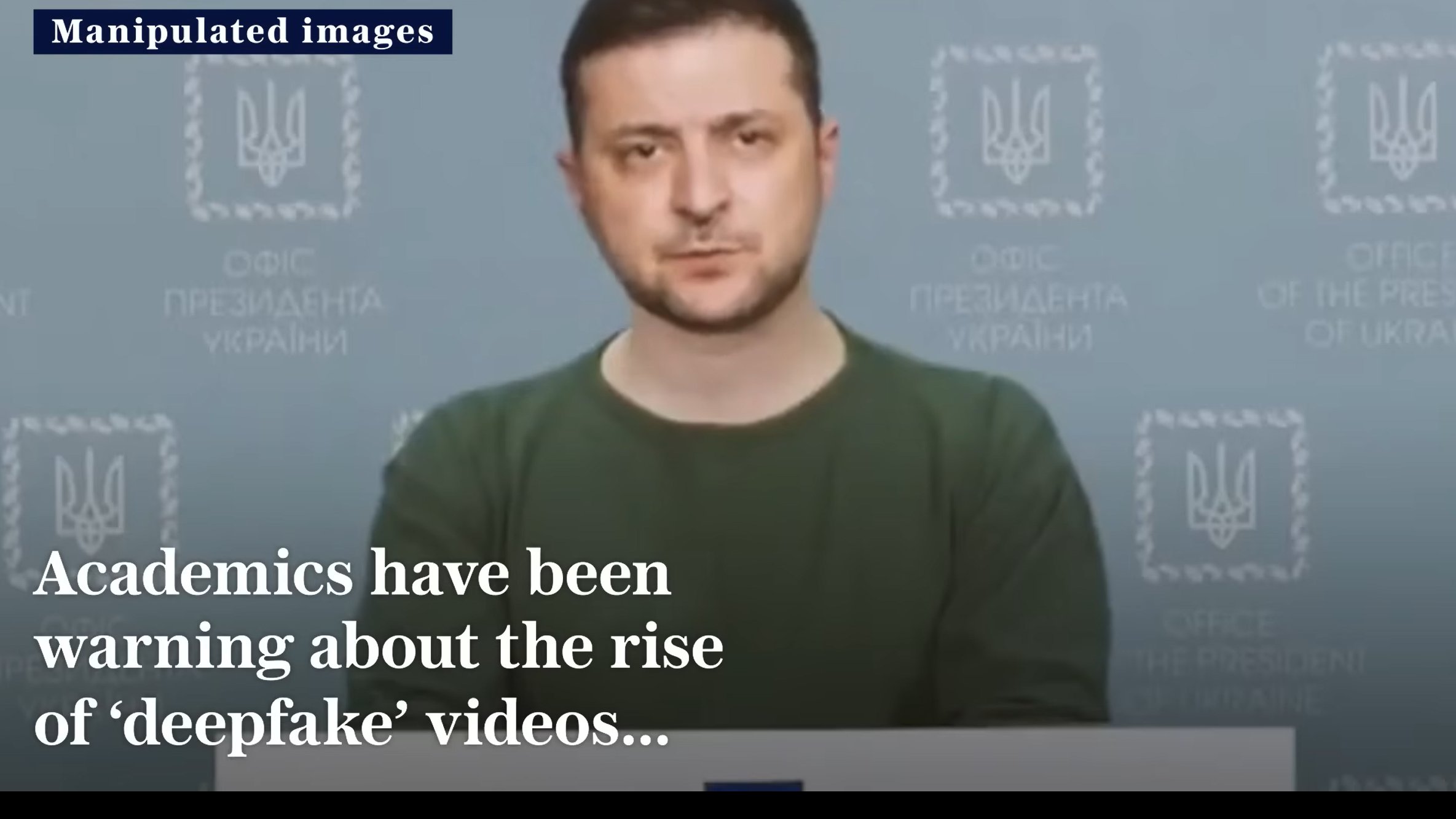
But the physician never recorded that message. Someone built a deepfake from online recordings, including interviews, webinars, and patient-facing videos, and used the synthetic likeness to sell an unregulated product. This scenario is no longer hypothetical. Investigations have documented AI-generated videos impersonating specific clinicians whom they name to promote supplements and other dubious treatments on major platforms.
Medical misinformation is often treated as a content problem: debunk falsehoods, reduce amplification, pressure platforms to remove harmful posts. Deepfakes push this problem into new terrain. They undermine the credibility that makes digital care, ranging from telehealth visits to patient portals and even social media, possible. And they raise a basic question: What, and whom, can patients trust?
Call this underlying requirement ”epistemic security”: the degree to which clinicians and patients can believe that what they see, hear, and document is authentic enough to act on safely. In digital medicine, that trust rests on three layers: identity (who is speaking), record (what belongs in the chart), and evidence (what we accept as real findings). Deepfakes threaten all three.