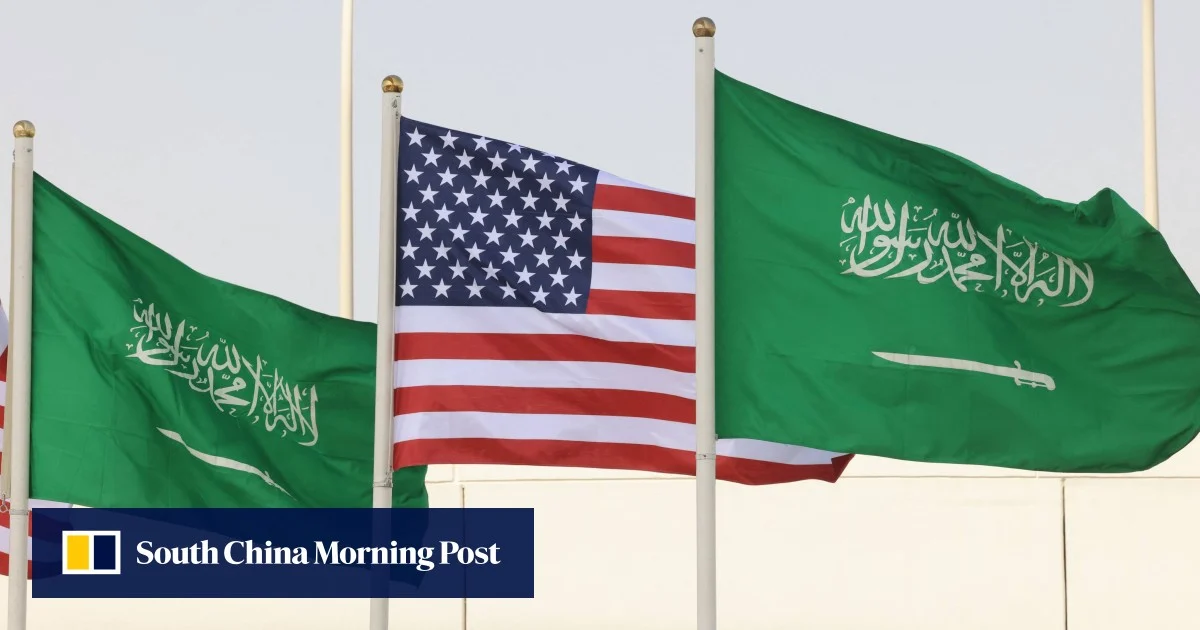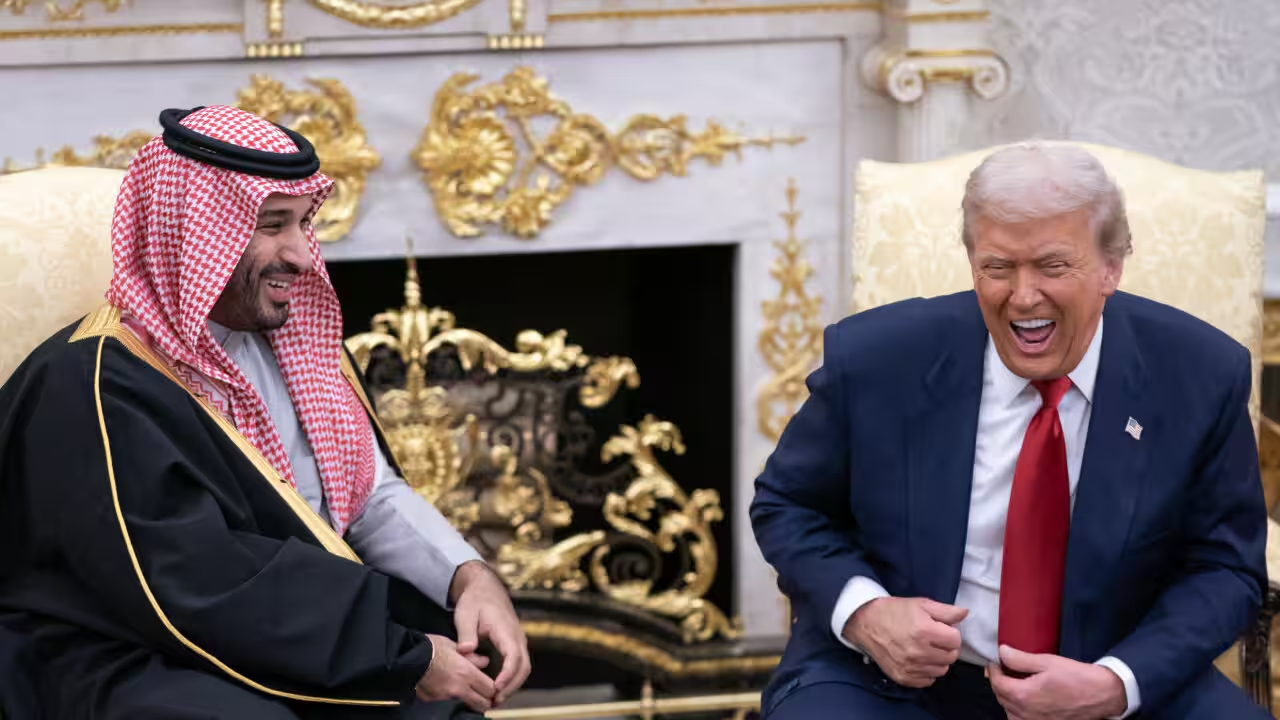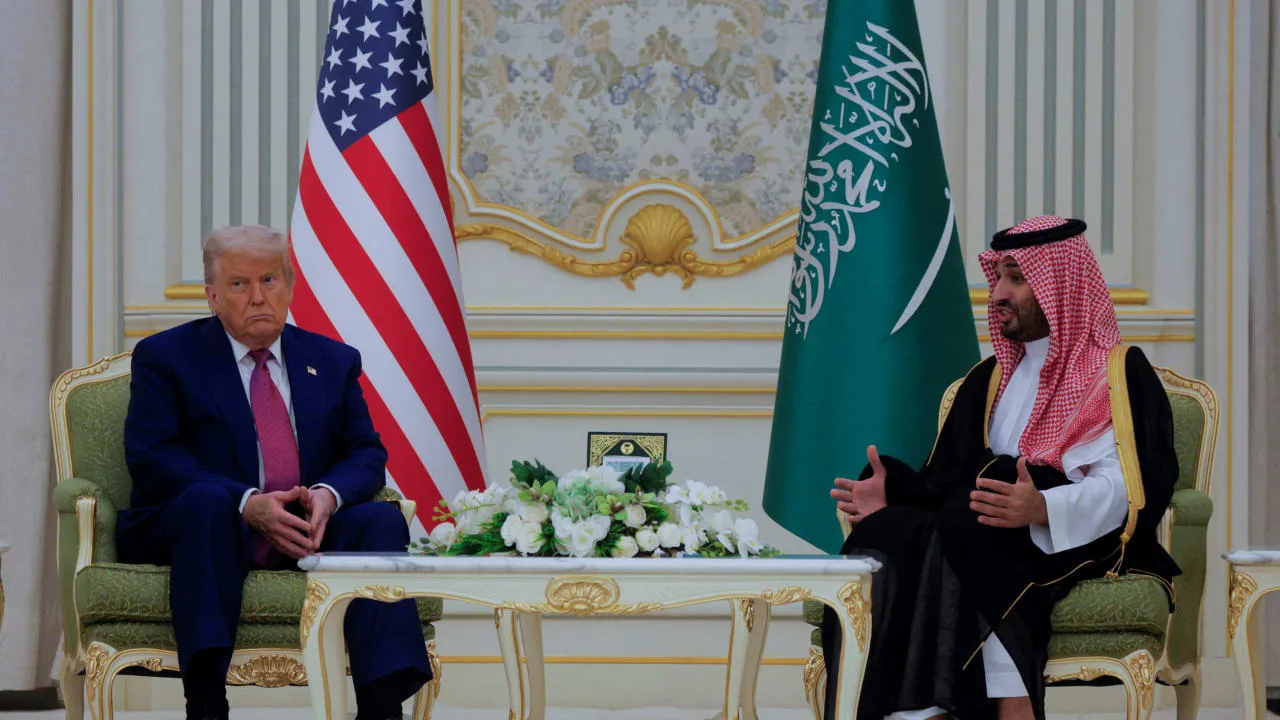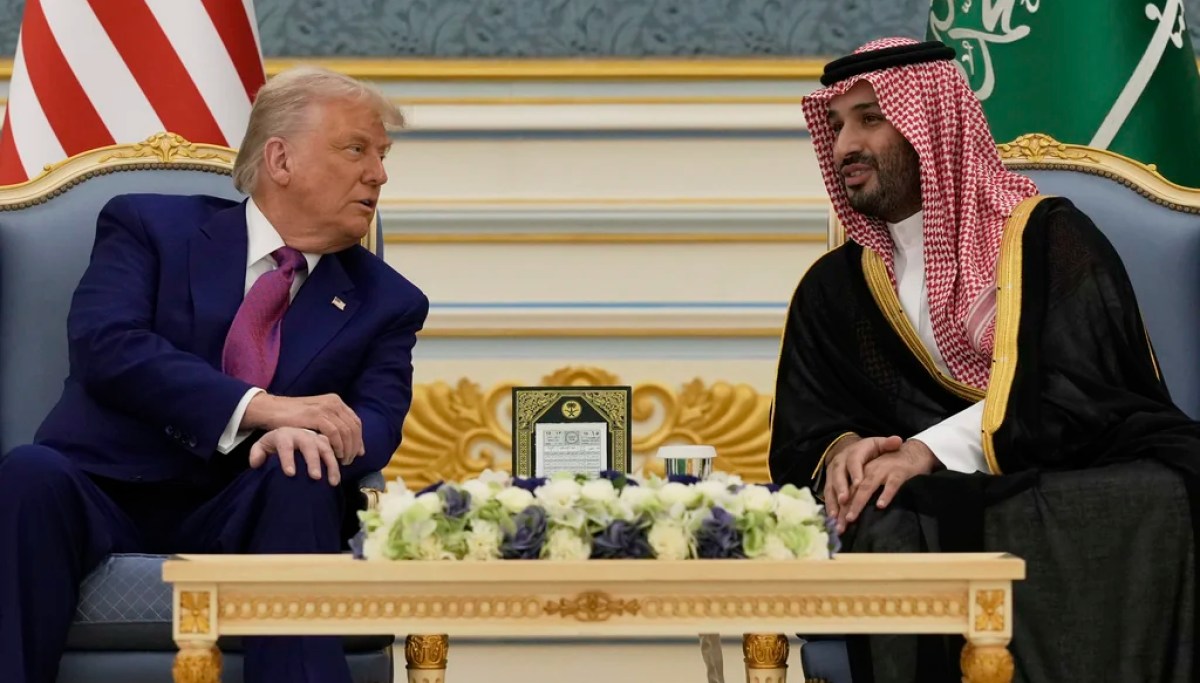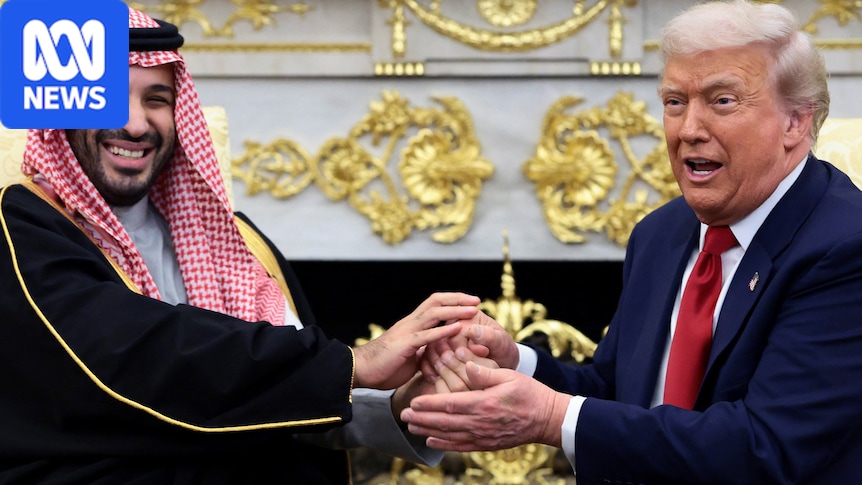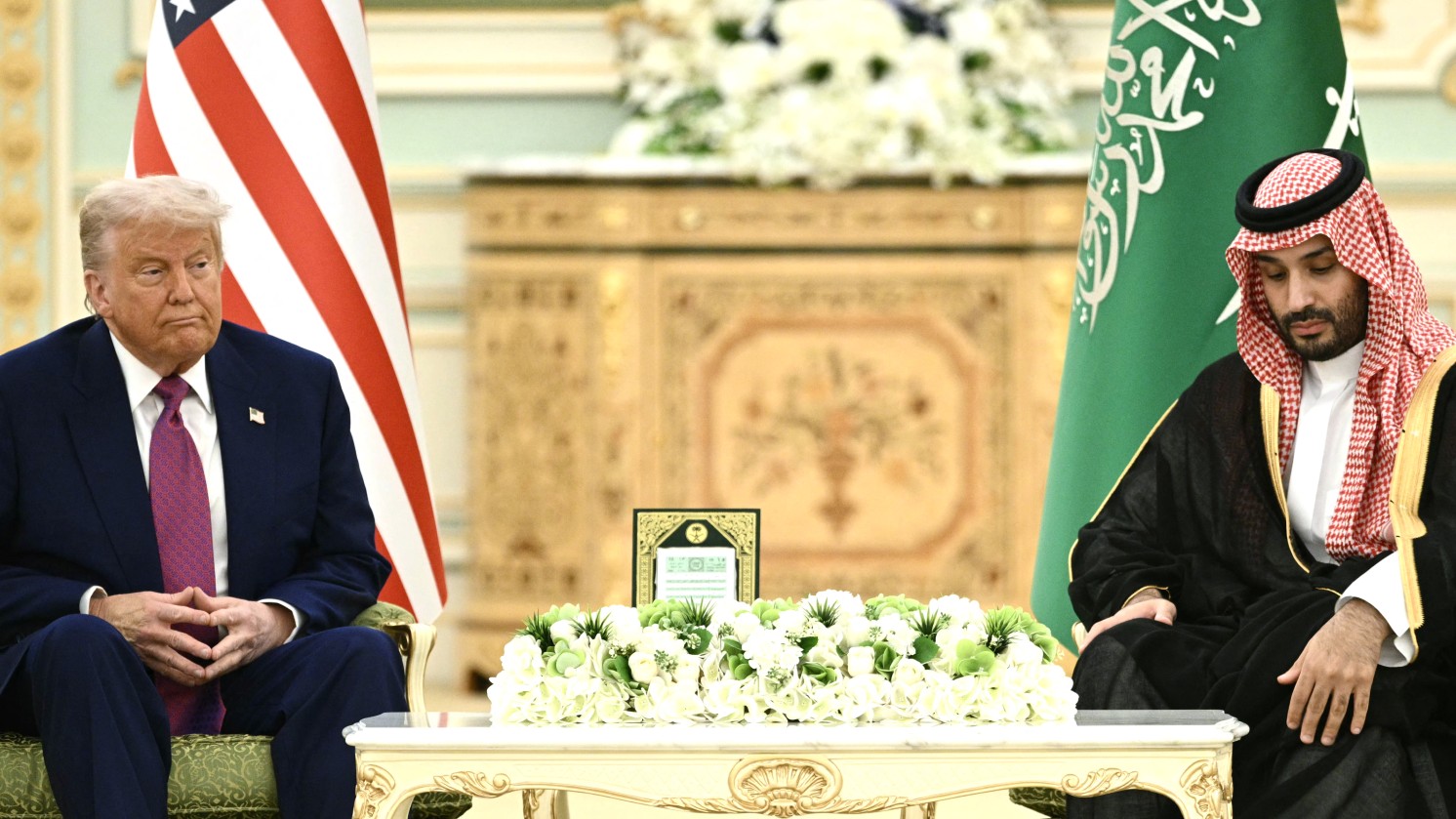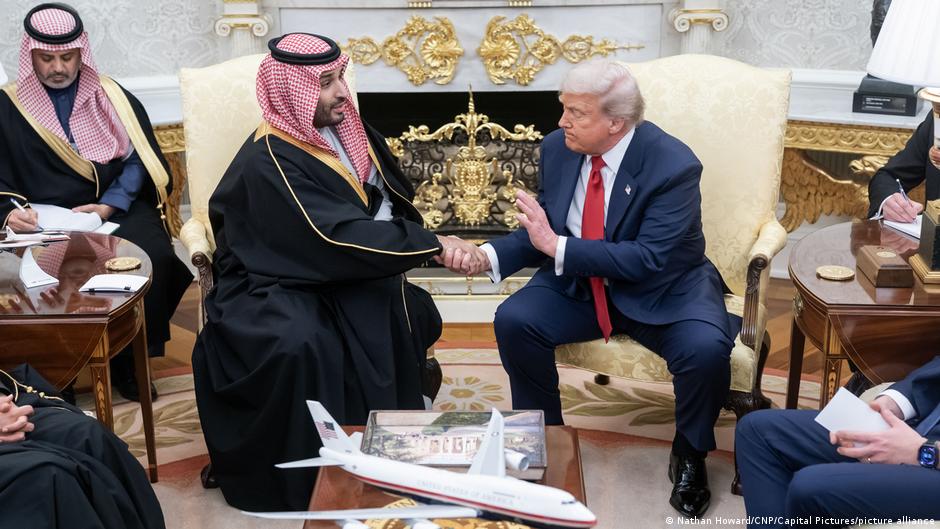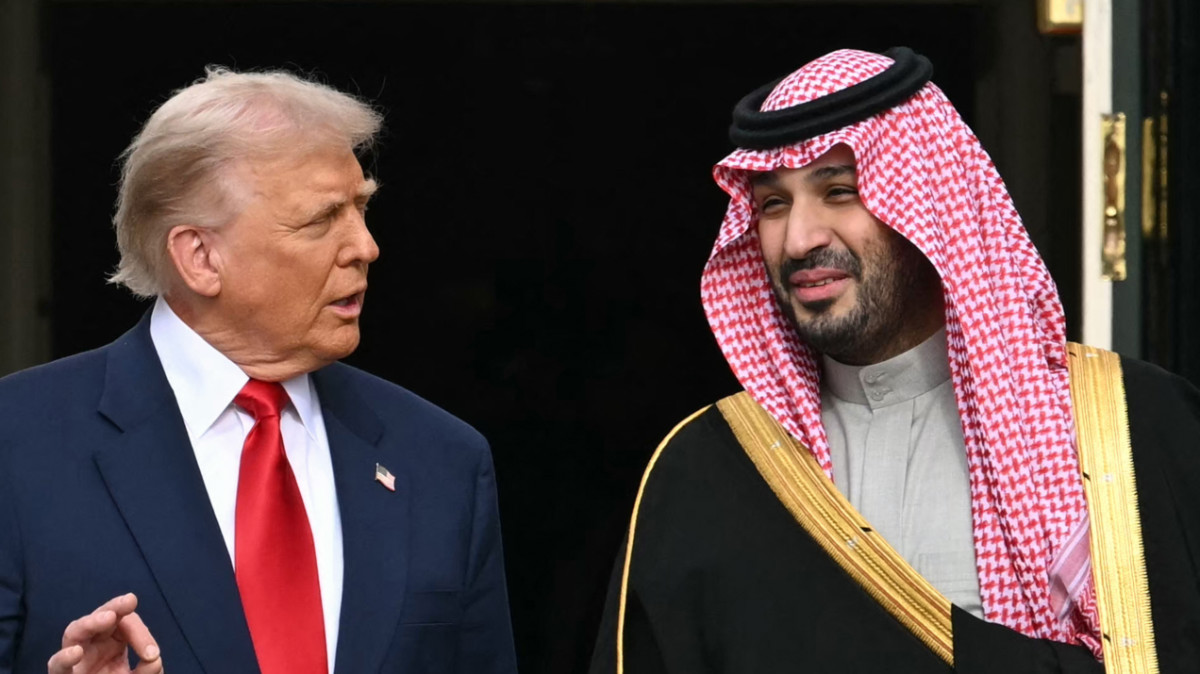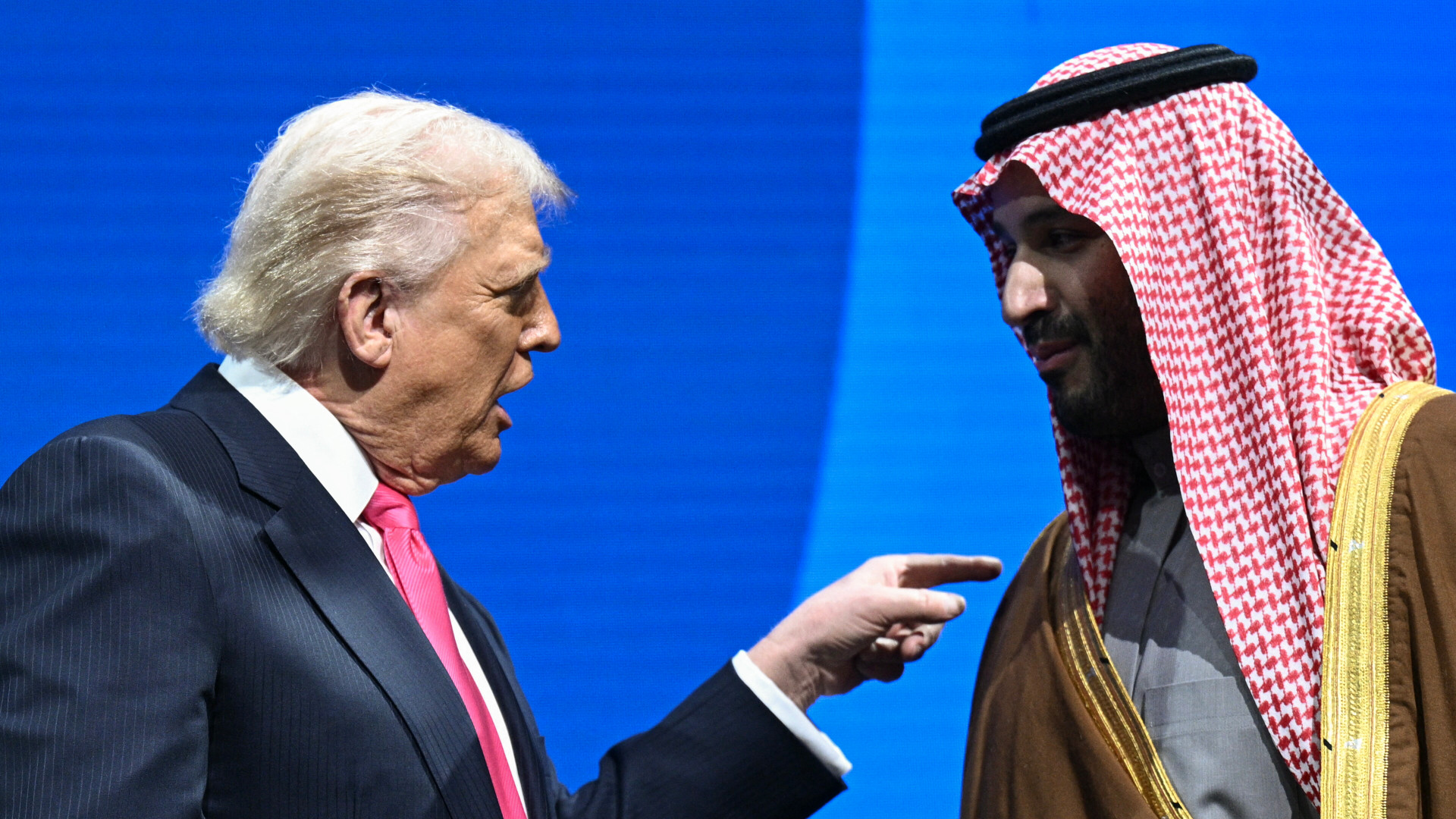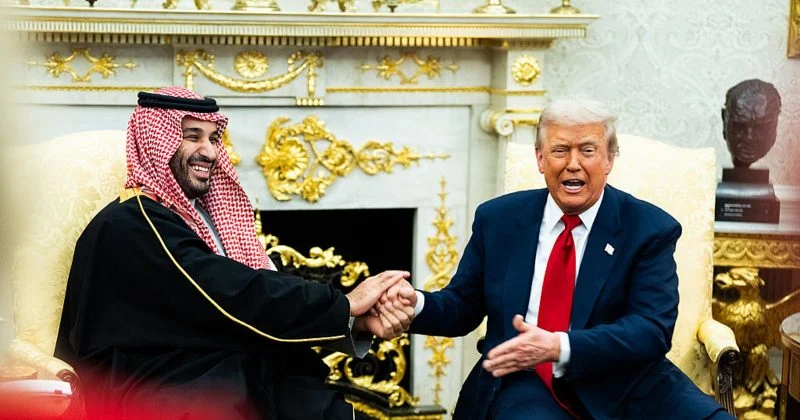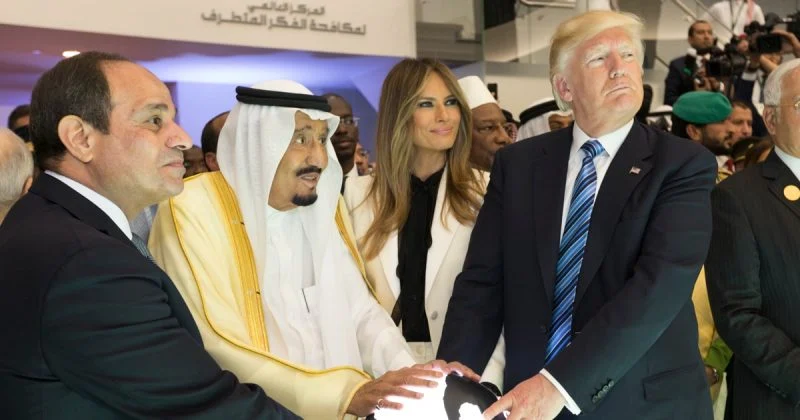
The United States is reportedly willing to risk a significant nuclear agreement with Saudi Arabia if the kingdom does not move toward normalizing relations with Israel. This development comes amid ongoing tensions in the Middle East, including the Israel-Gaza conflict and a U.S.-Iran maritime crisis over the Strait of Hormuz. The proposed nuclear deal involves a civilian nuclear cooperation agreement, but its linkage to Israeli normalization efforts underscores the U.S.’s strategic interests in reshaping regional alliances. The Saudi position, however, remains firm, with officials indicating that normalization with Israel is contingent upon progress toward a Palestinian state.
Key Takeaways
The U.S. appears to be leveraging a nuclear agreement with Saudi Arabia to push for Saudi-Israeli normalization, which may indicate a strategic shift in Middle East alliances.
This stance introduces uncertainty into ongoing U.S.-Iran negotiations, potentially affecting market expectations for Iran reconstruction funding in any future deal.
Market pricing suggests a decrease in the likelihood of certain terms being included in a potential U.S.-Iran agreement, reflecting geopolitical tensions.