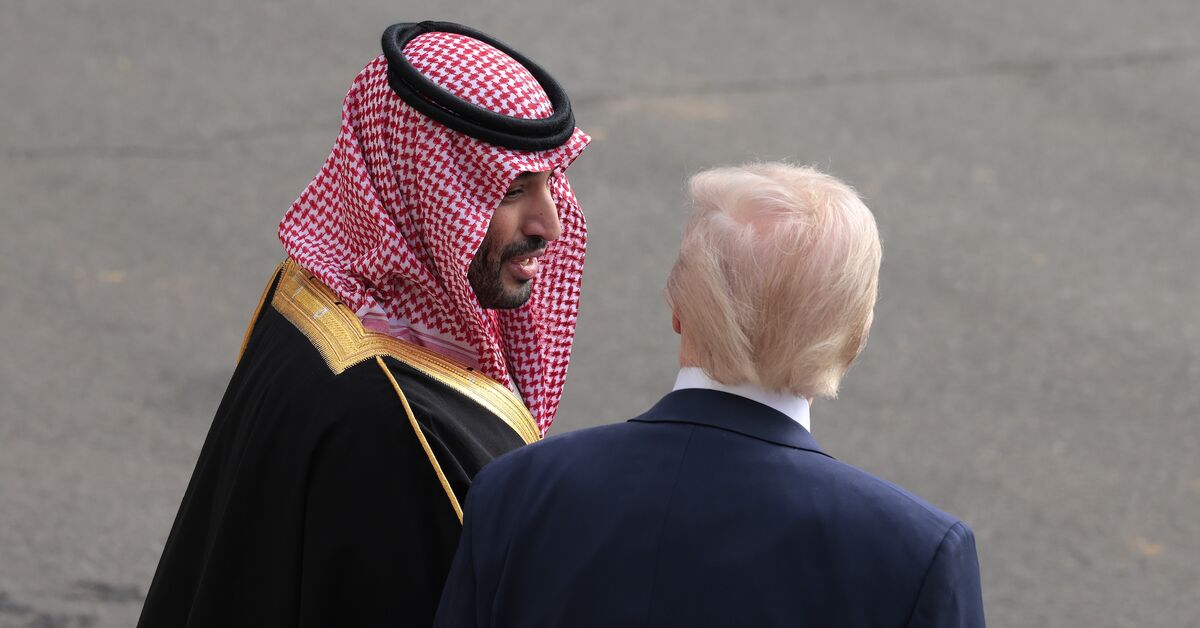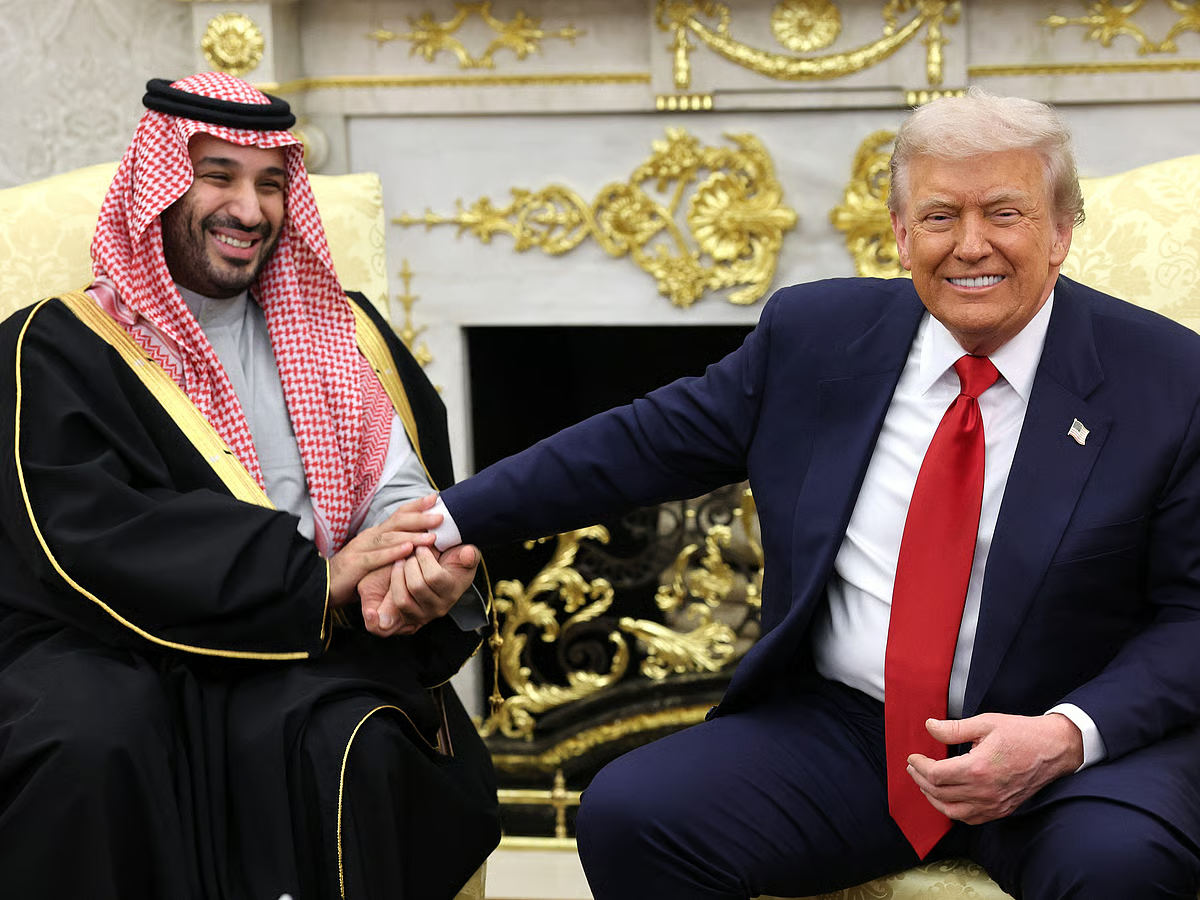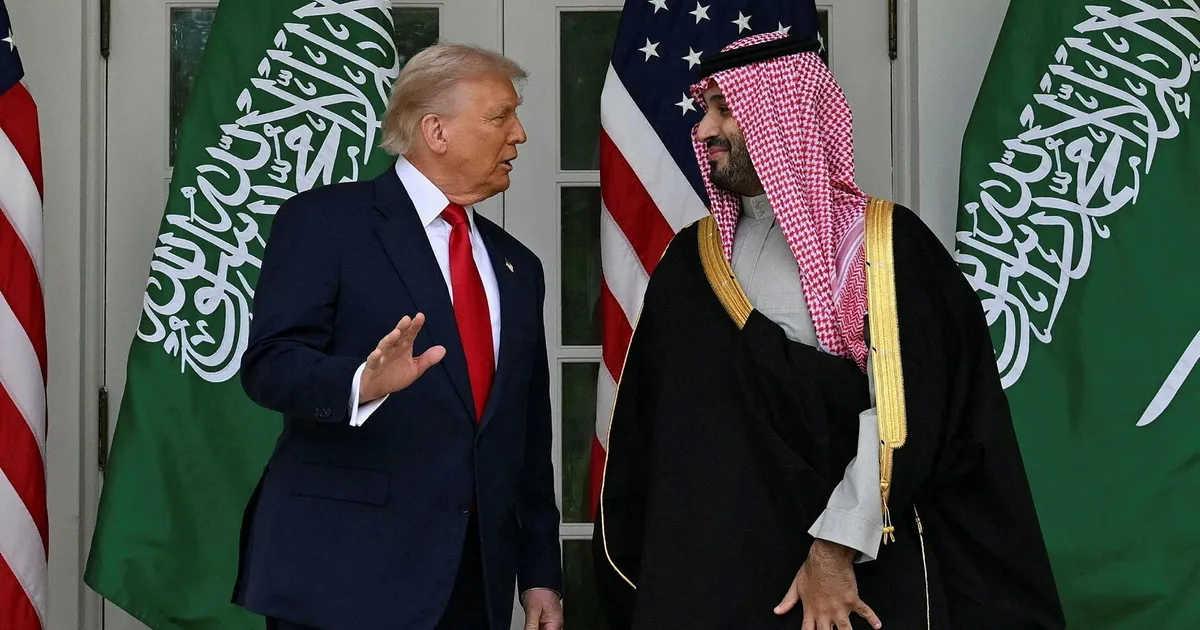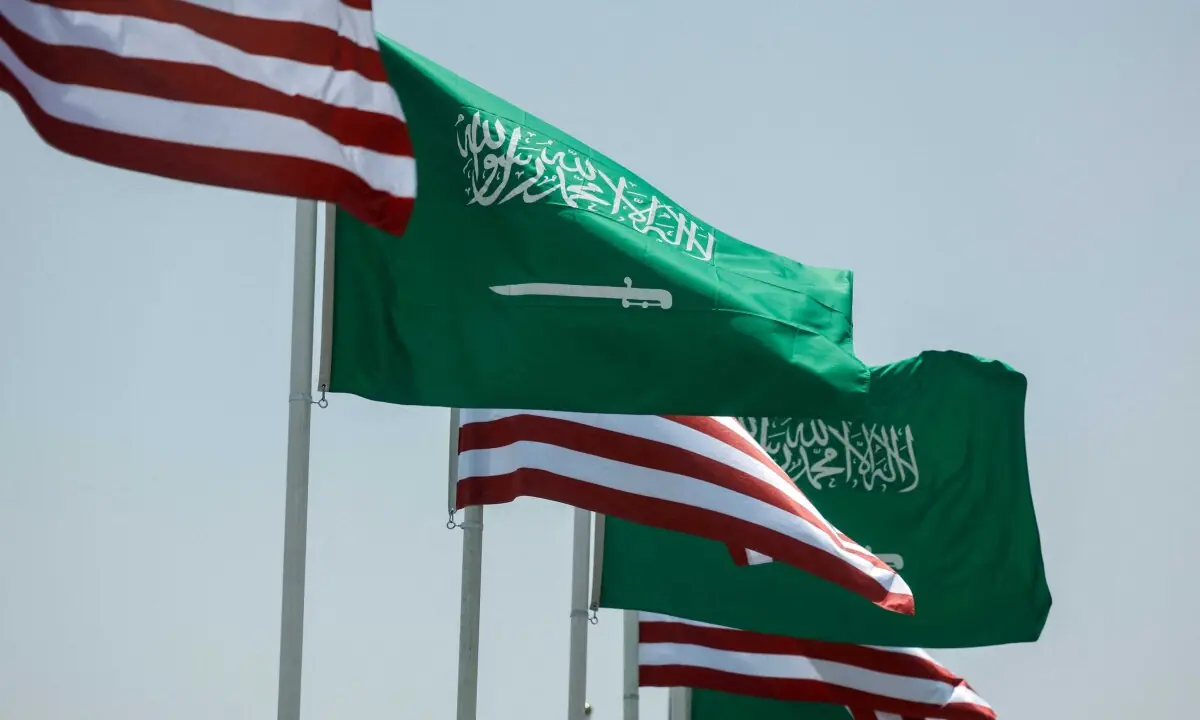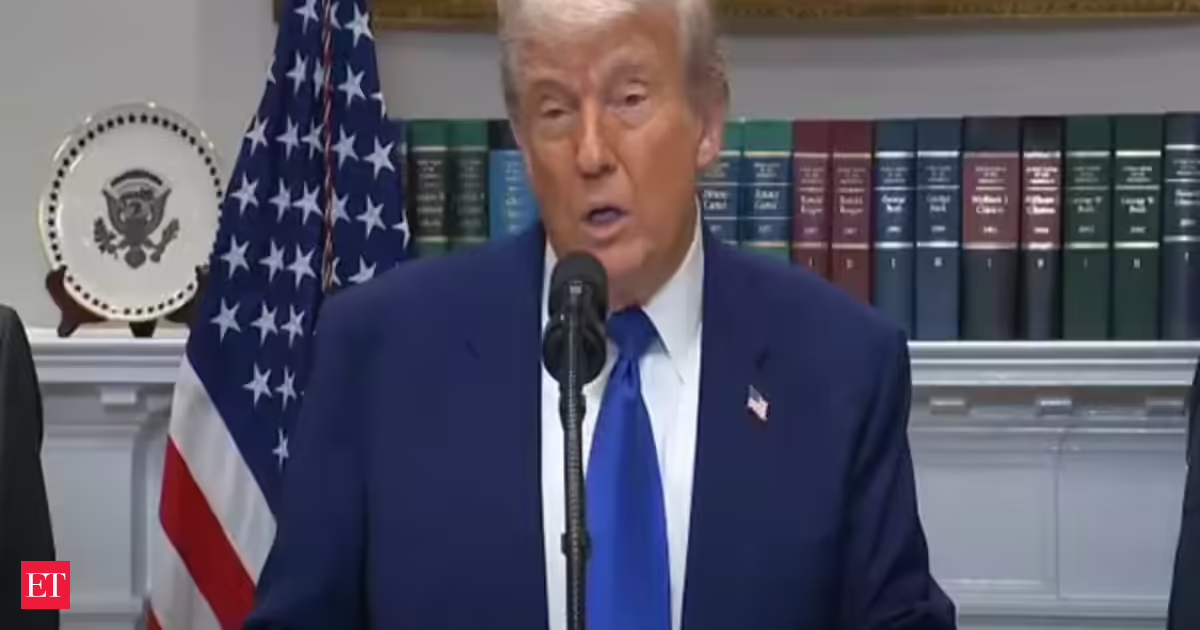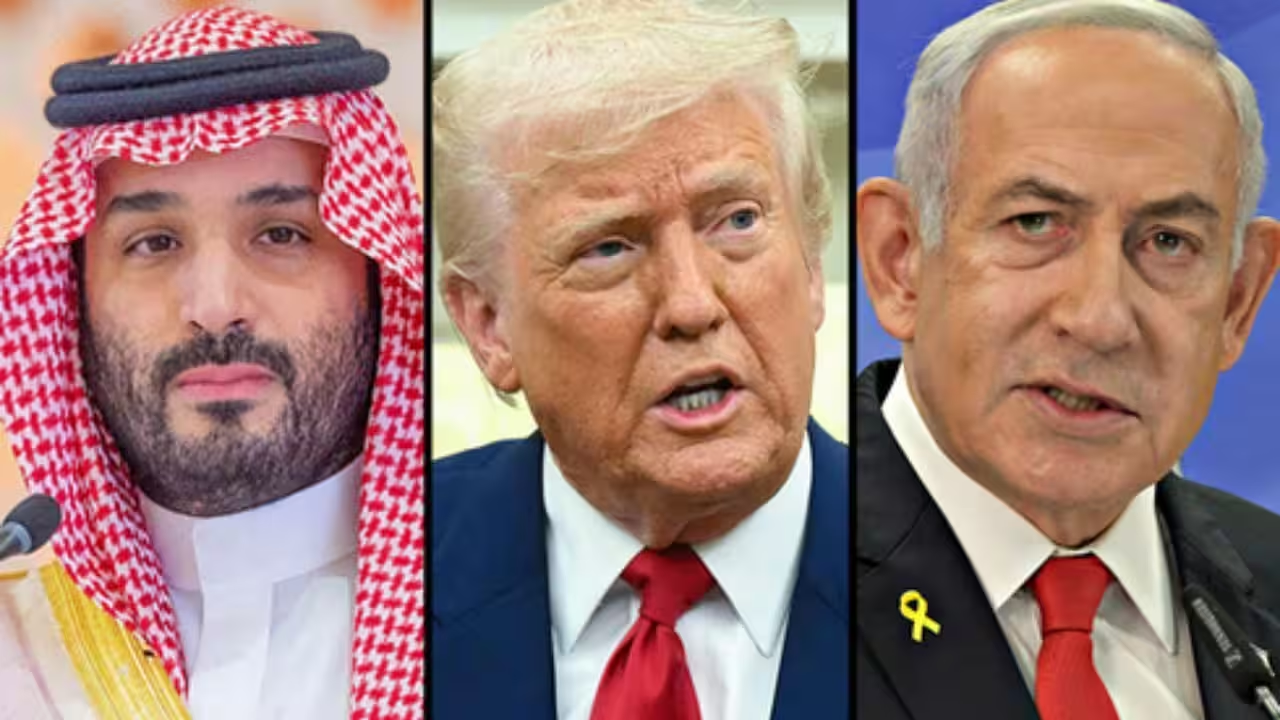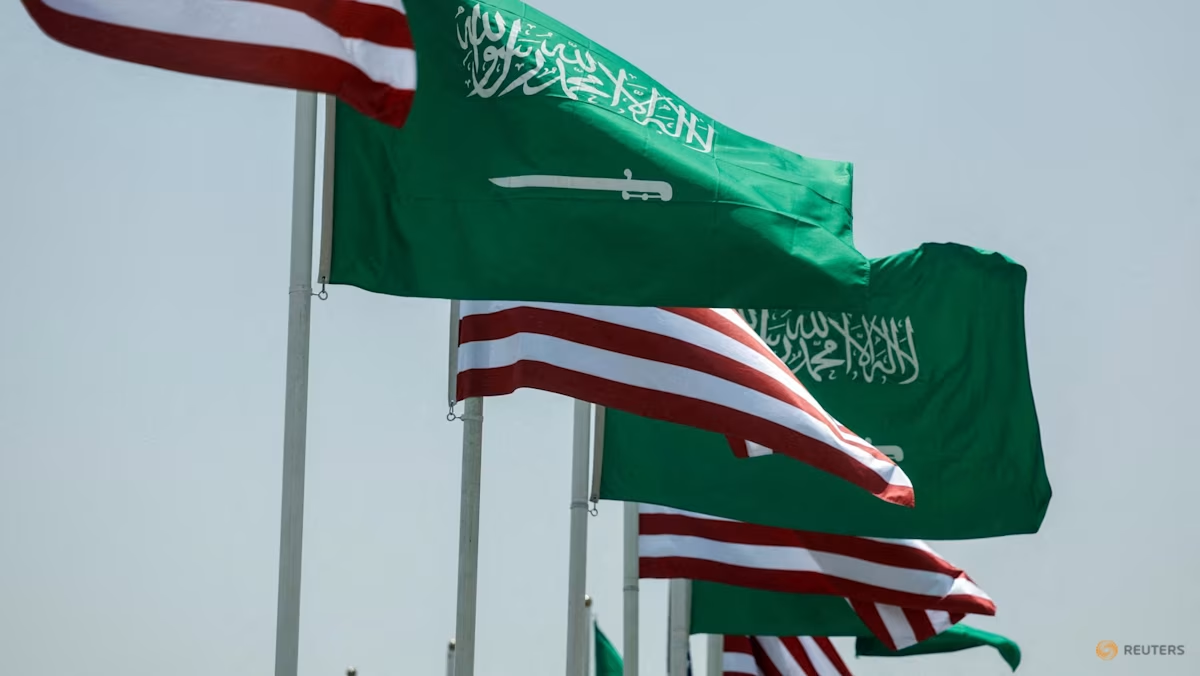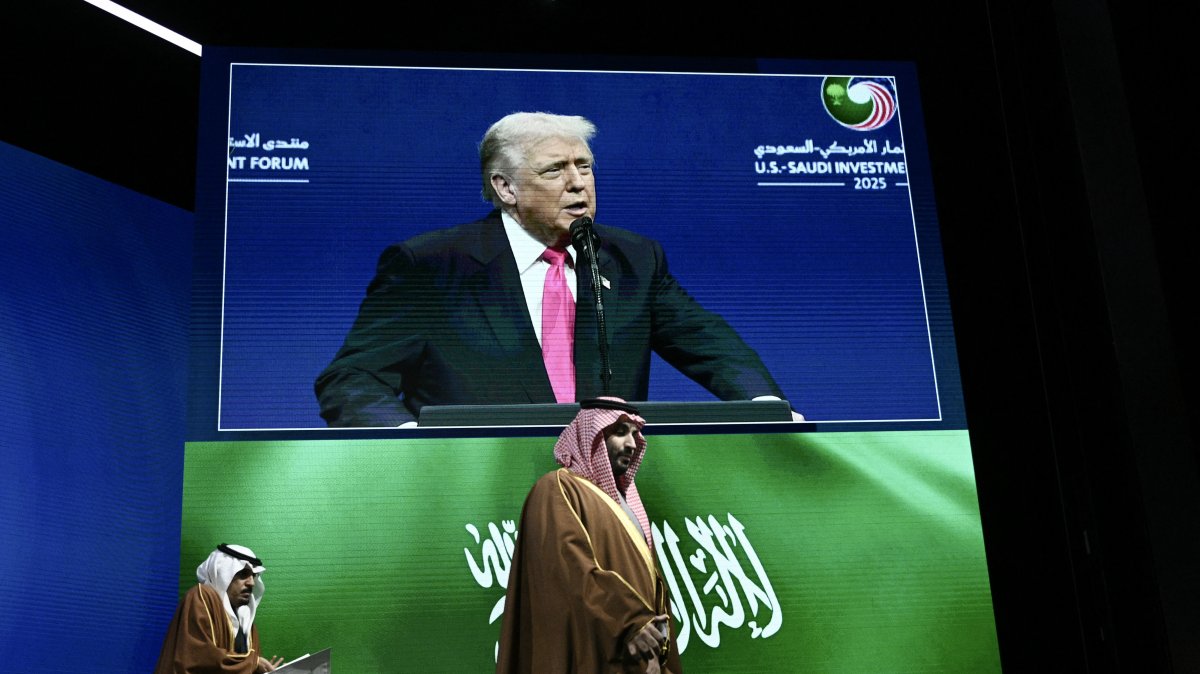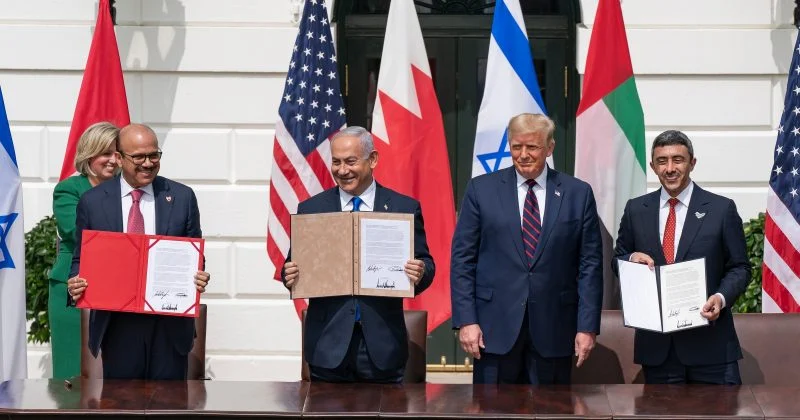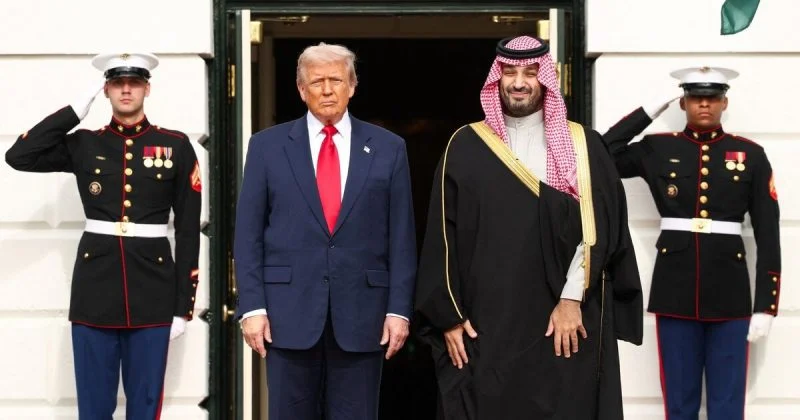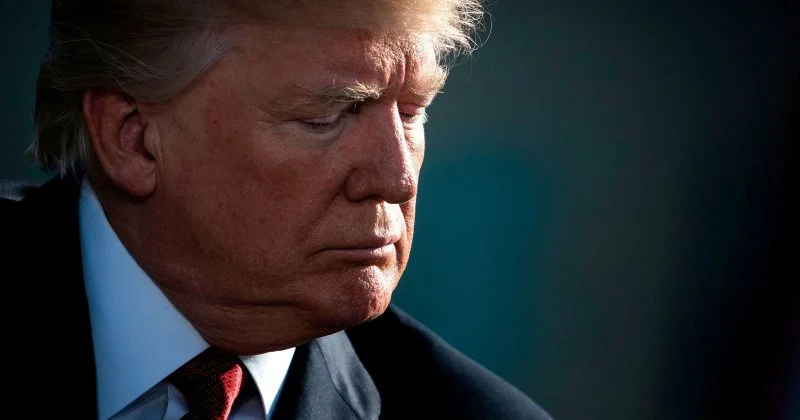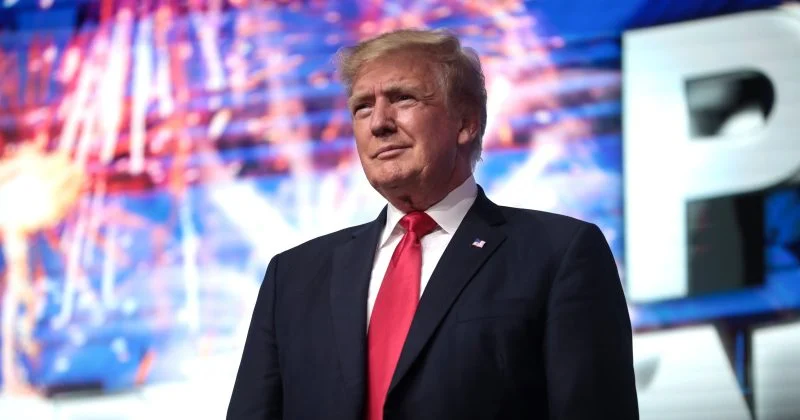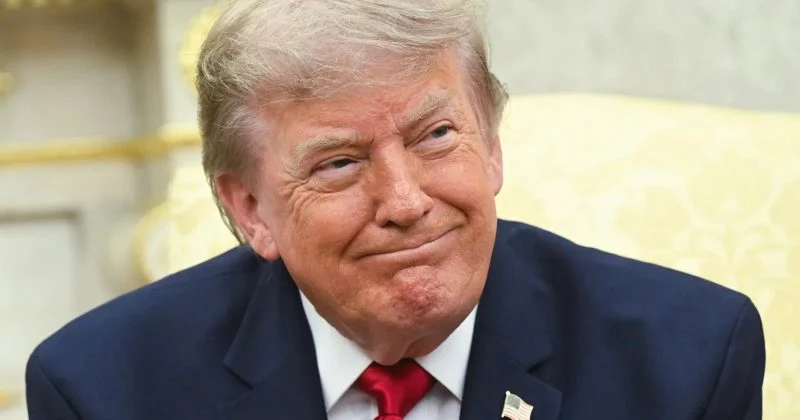
The U.S.-Saudi nuclear deal, initially signed without conditions, is now reportedly contingent on Saudi Arabia normalizing relations with Israel, as part of the Abraham Accords. This shift was highlighted by former President Donald Trump, who indicated that the entire agreement is “totally subject” to Saudi participation in the accords. Concurrently, the U.S. has expanded its defense cooperation with Israel, a move that faced no opposition in Congress, suggesting continued commitment to the strategic partnership despite the evolving diplomatic landscape.
The development introduces new variables into the broader Middle East diplomatic efforts, particularly affecting the U.S.-Iran negotiations. The conditional linkage between the nuclear deal and Saudi-Israel normalization could complicate the ongoing discussions around a potential U.S.-Iran nuclear agreement. The market response has been a notable decline in confidence regarding the inclusion of reconstruction funding in a potential U.S.-Iran deal, reflecting increased uncertainty.
This change in the U.S.-Saudi deal’s terms may also impact regional alliances and negotiations, as Saudi Arabia’s engagement with Israel becomes a pivotal factor. The situation remains dynamic, with potential repercussions for U.S. diplomatic strategy and regional stability.