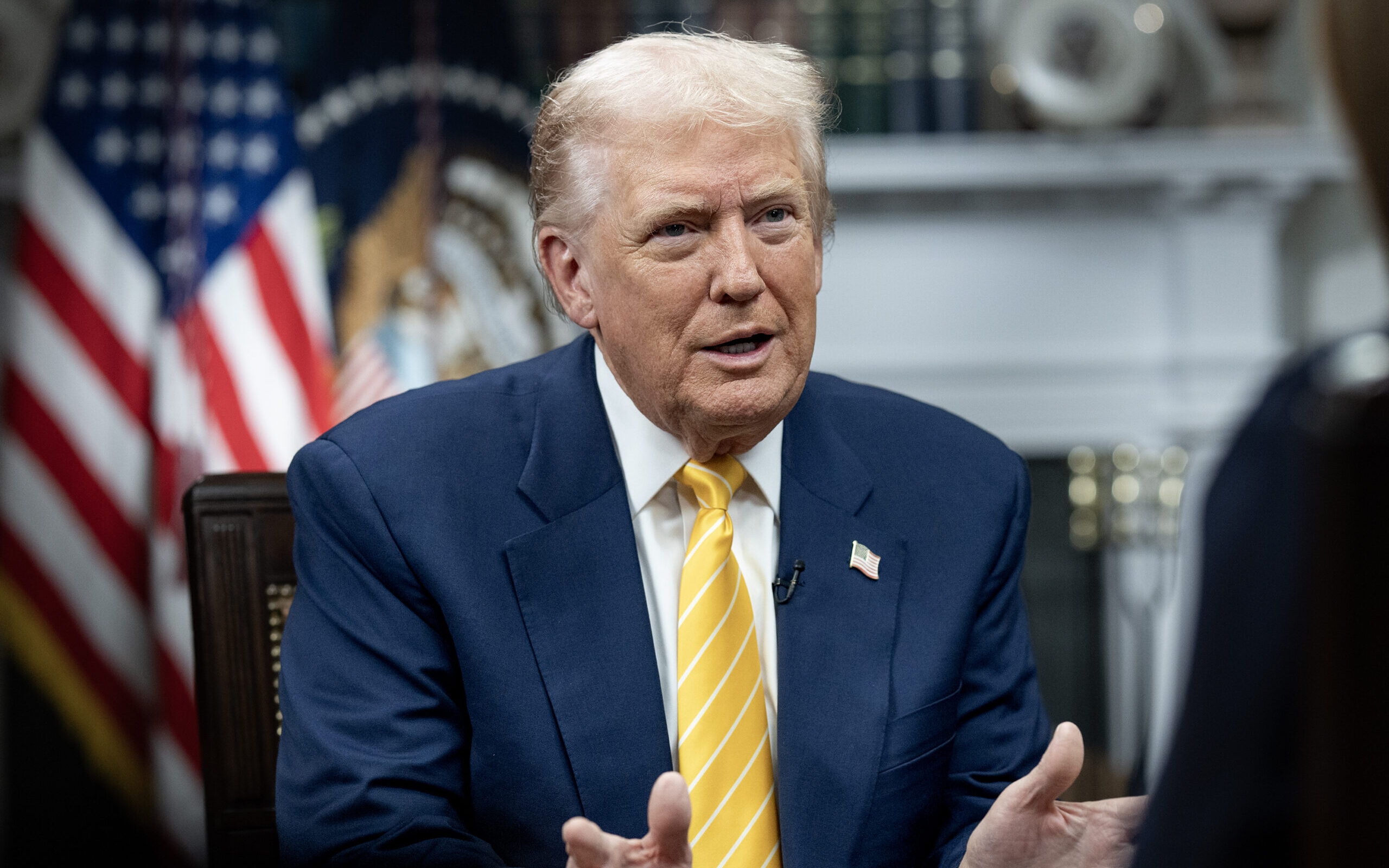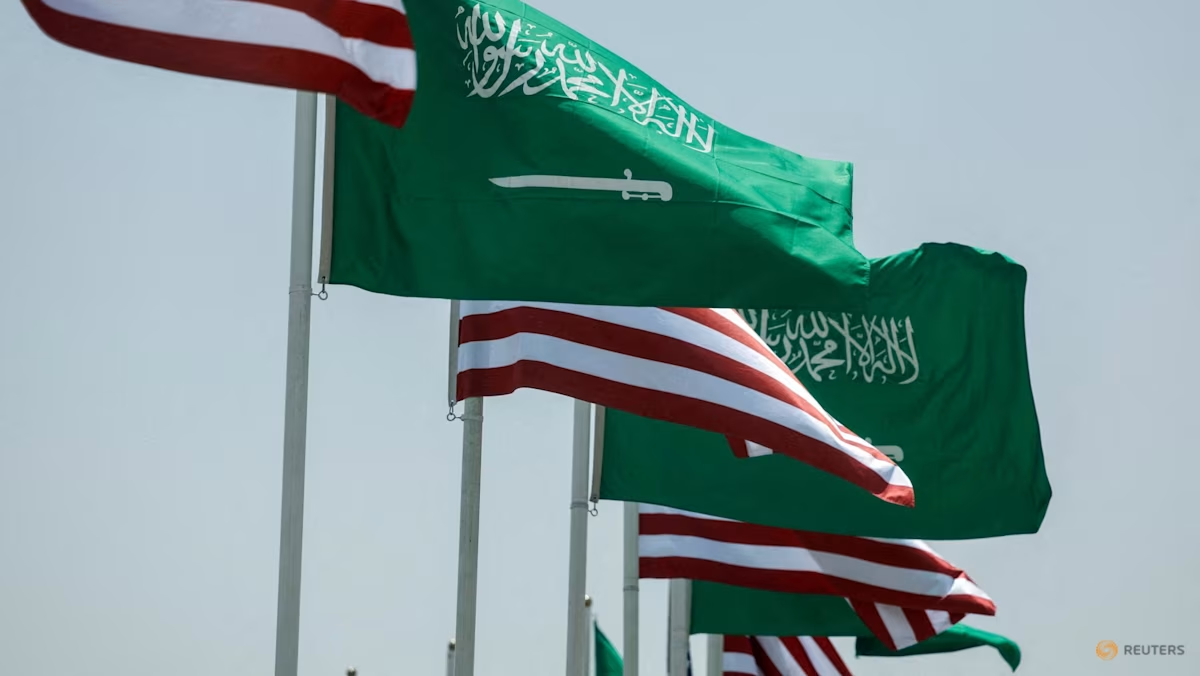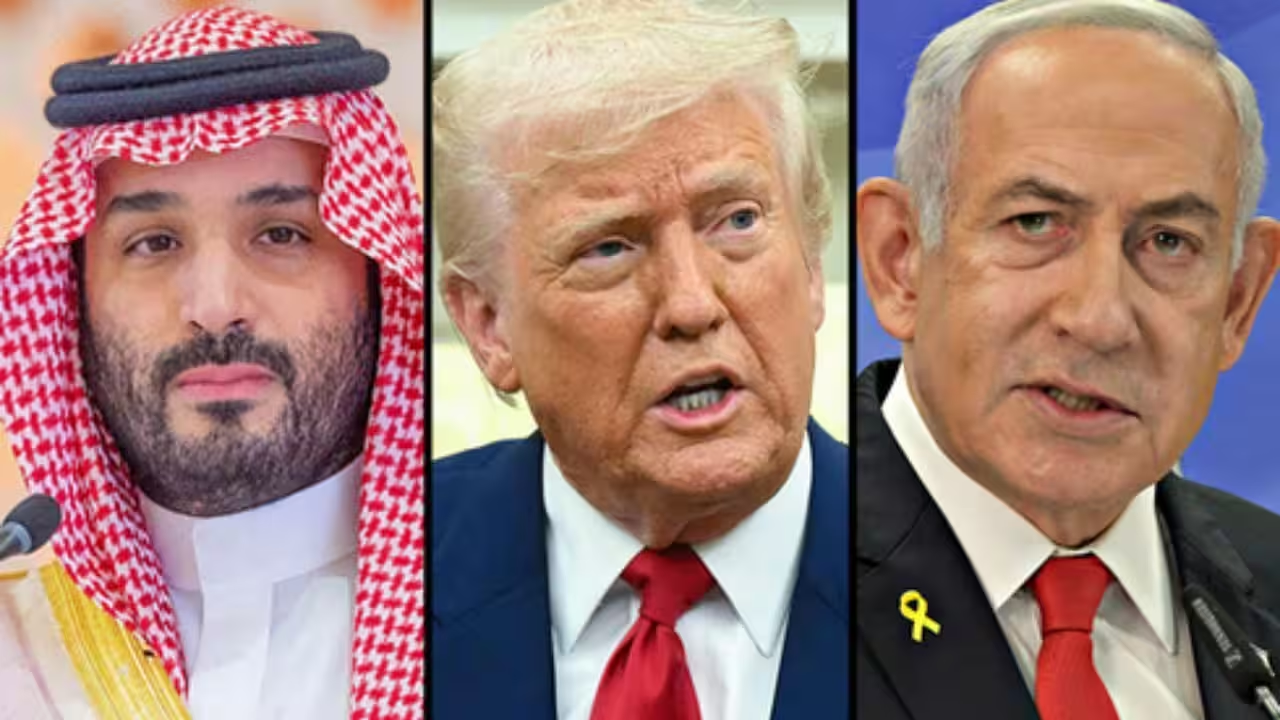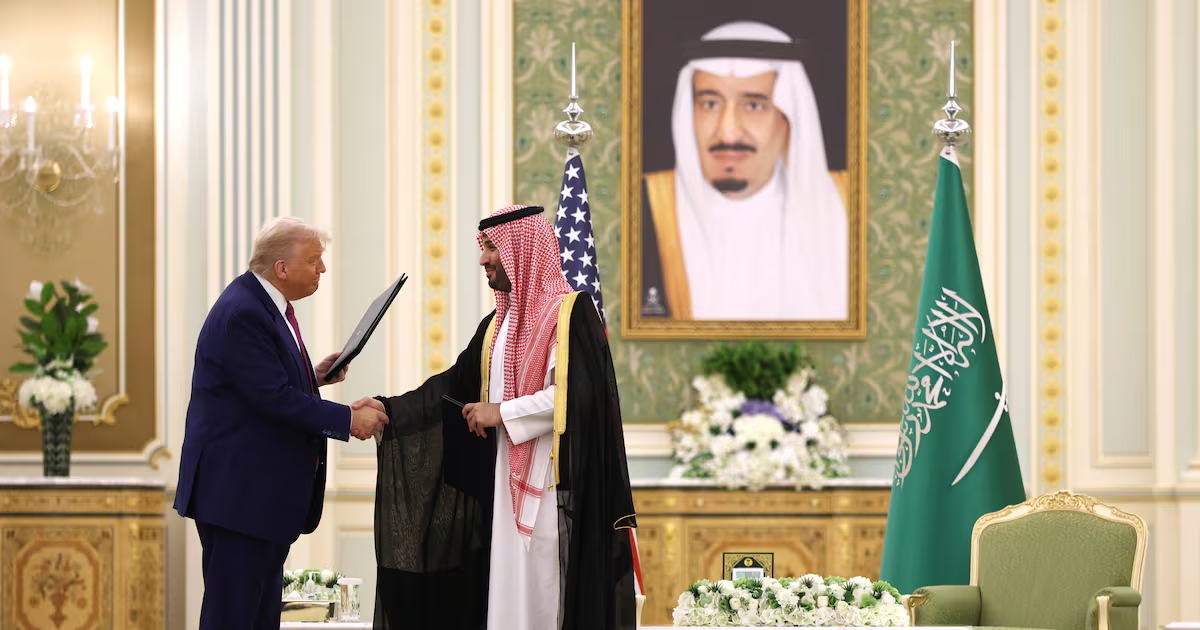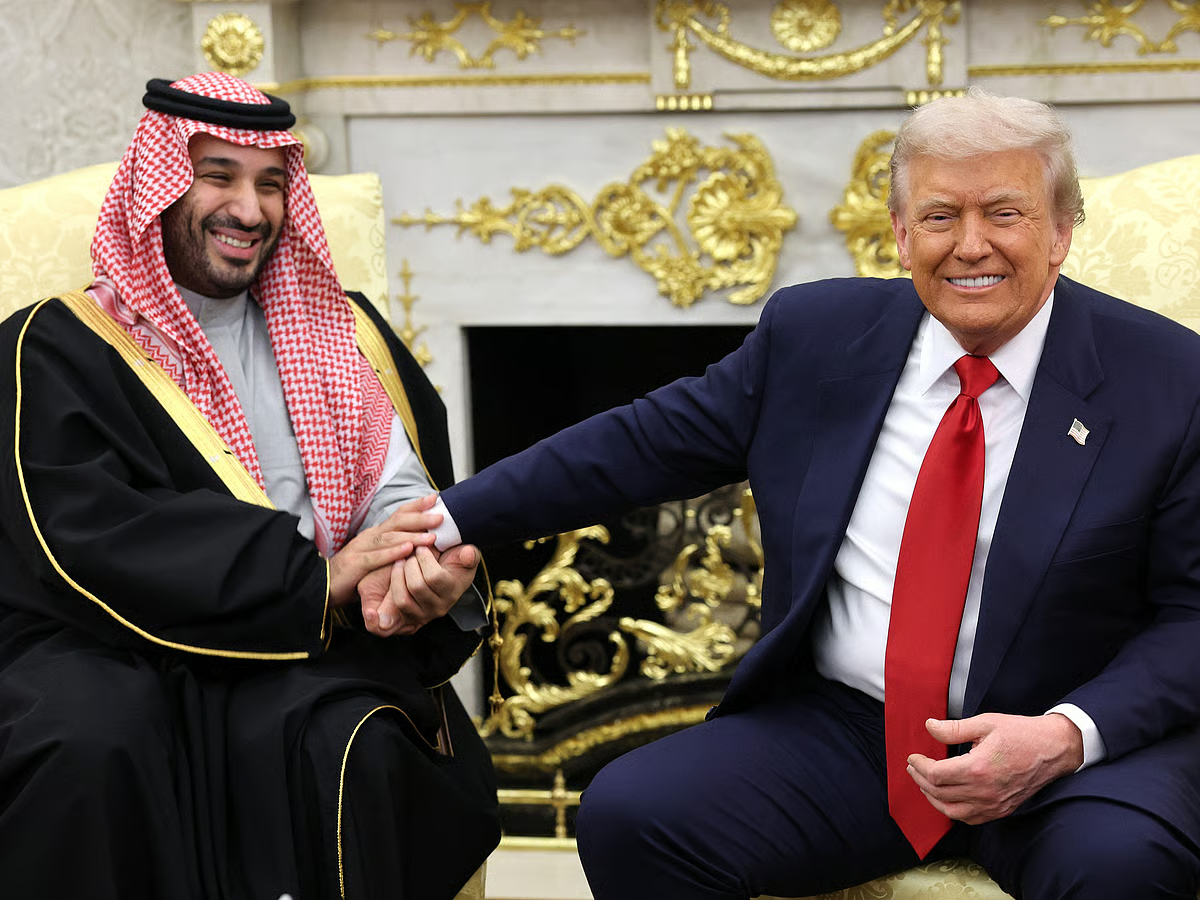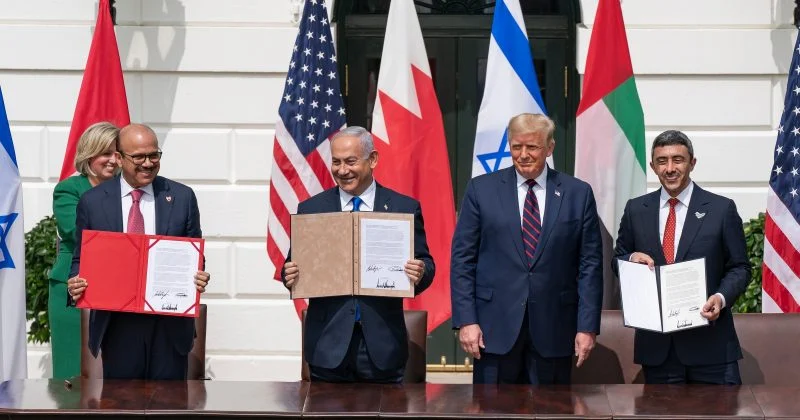
The US and Saudi Arabia signed a landmark 30-year nuclear cooperation agreement in late July 2026, but the deal’s path forward just got considerably more complicated. President Trump has attached a significant political condition to the arrangement: Saudi Arabia must join the Abraham Accords and normalize relations with Israel.
What the deal actually involves
The agreement, known formally as a “123 agreement” (named after Section 123 of the US Atomic Energy Act), was confirmed by the US Department of Energy. It establishes a framework for bilateral civilian nuclear cooperation between Washington and Riyadh.
The deal reportedly allows for potential domestic uranium enrichment in Saudi Arabia, which represents a major departure from what’s traditionally called the “gold standard” of non-proliferation agreements. Previous US nuclear deals with other countries typically prohibited the partner nation from enriching uranium or reprocessing plutonium on their own soil. This agreement relaxes that standard in favor of a more bilateral, partnership-oriented approach.
For Saudi Arabia, the nuclear program is part of a broader energy diversification strategy. Using nuclear energy for domestic electricity generation would free up more oil and gas for export.