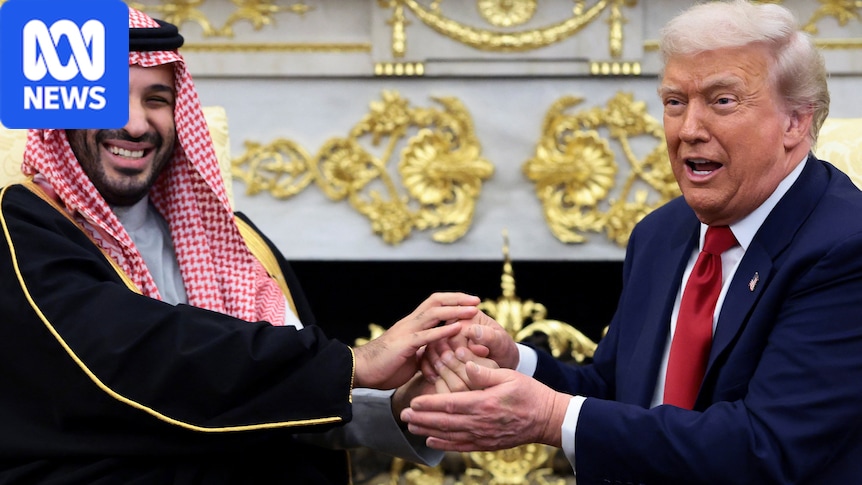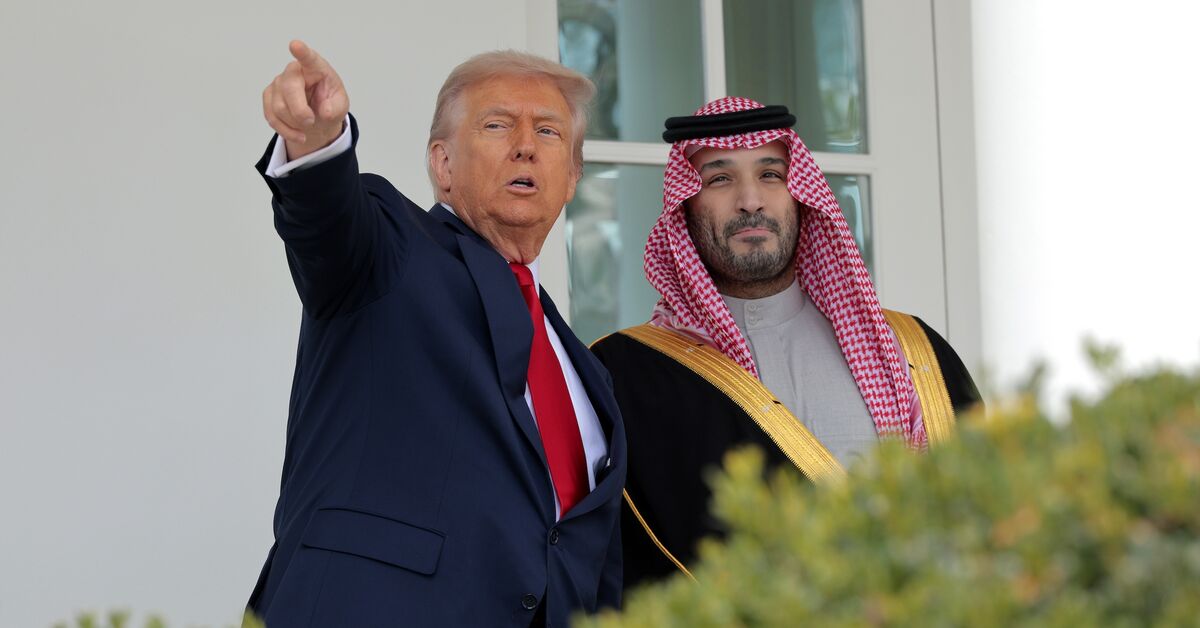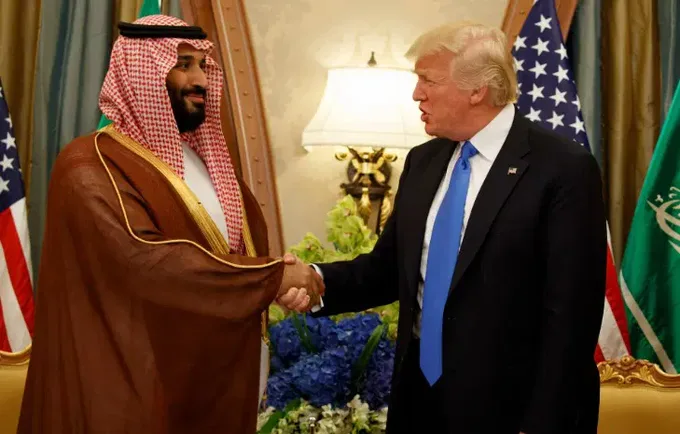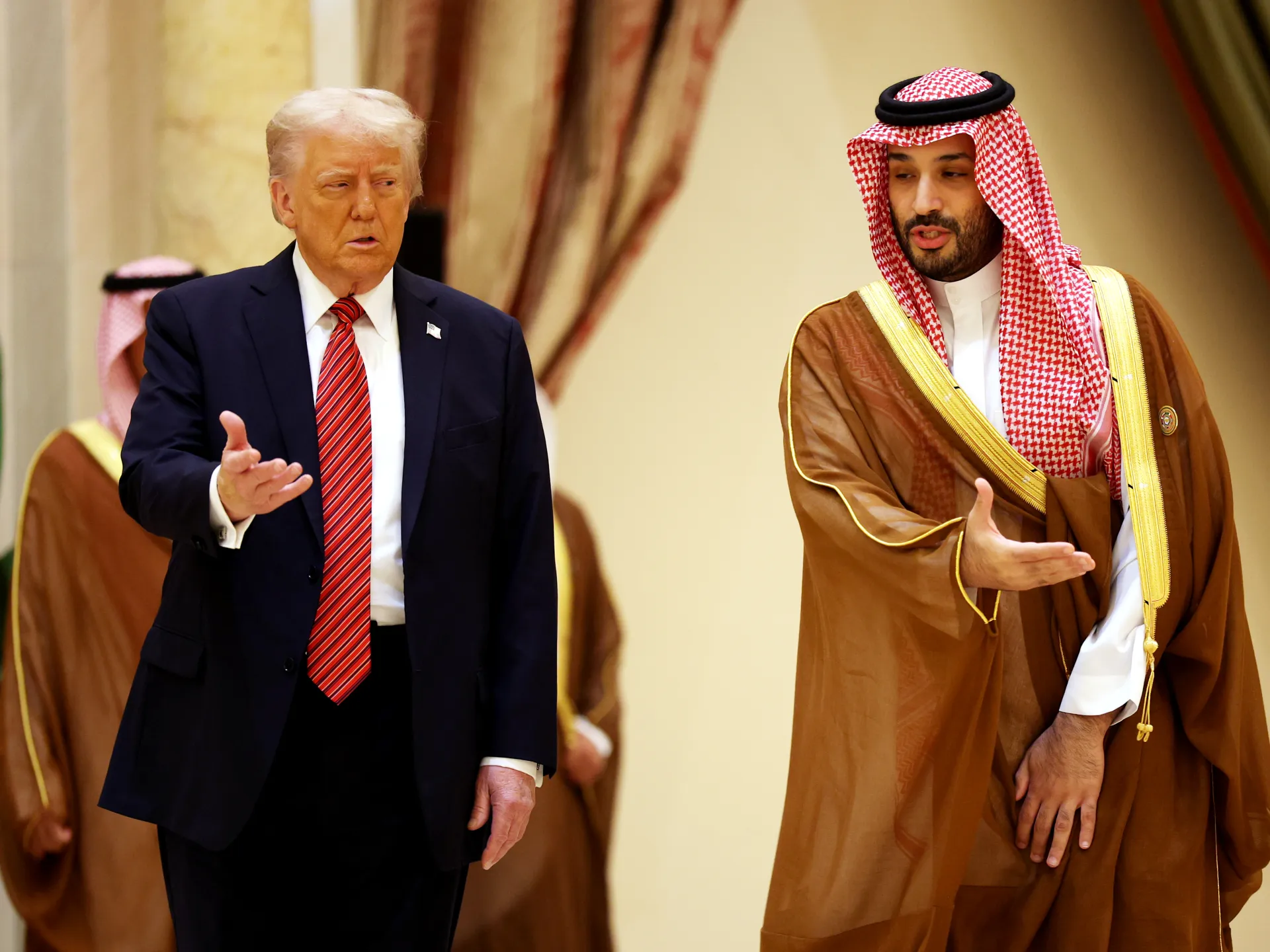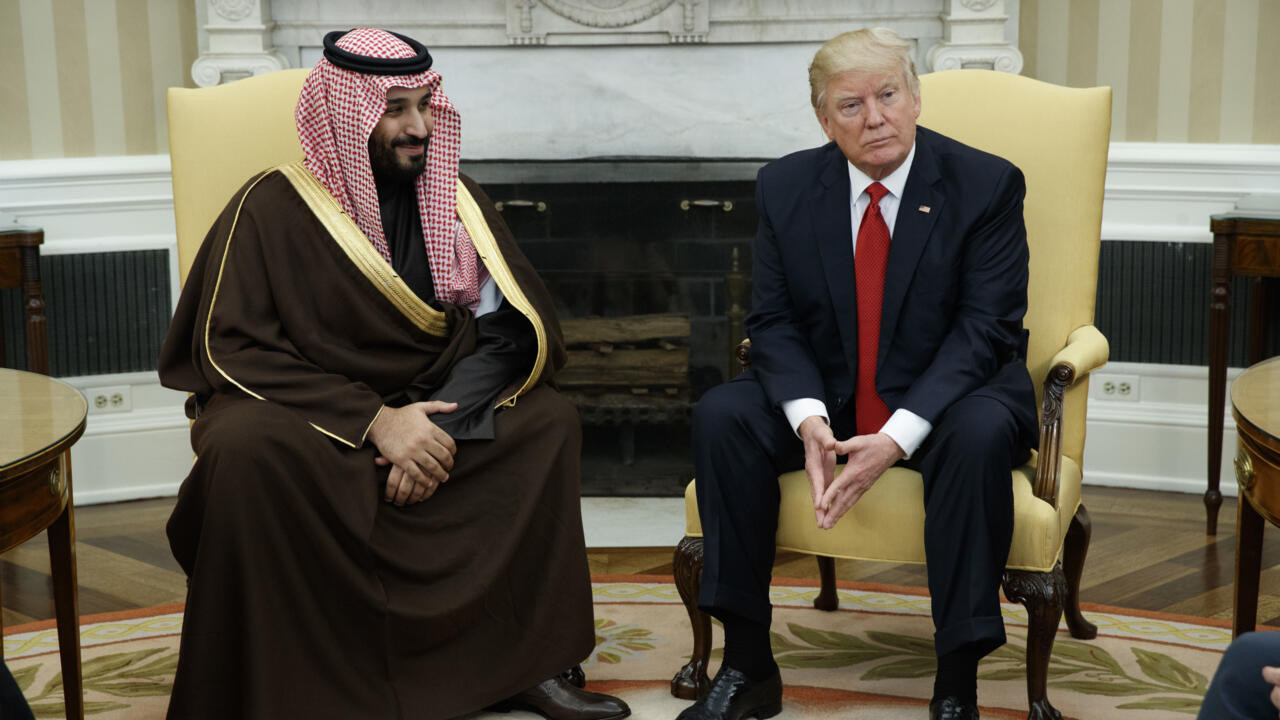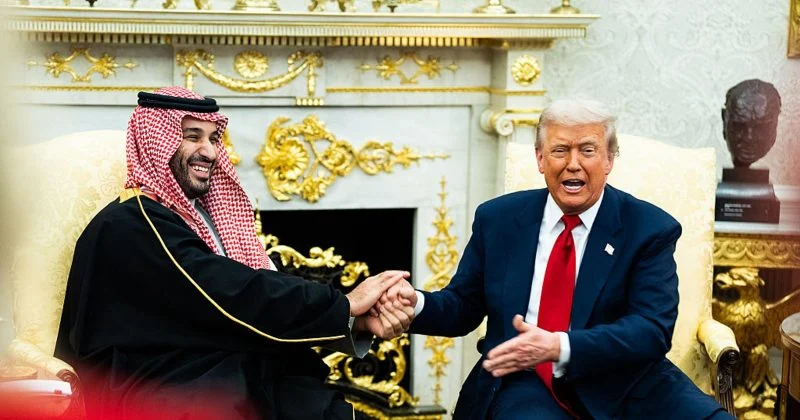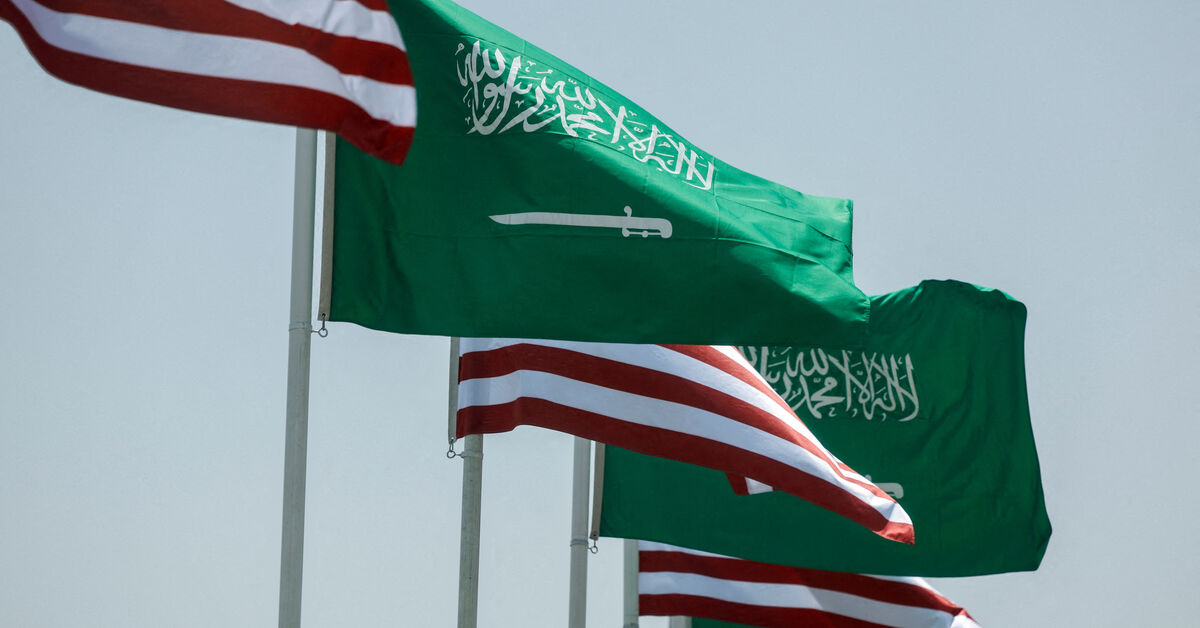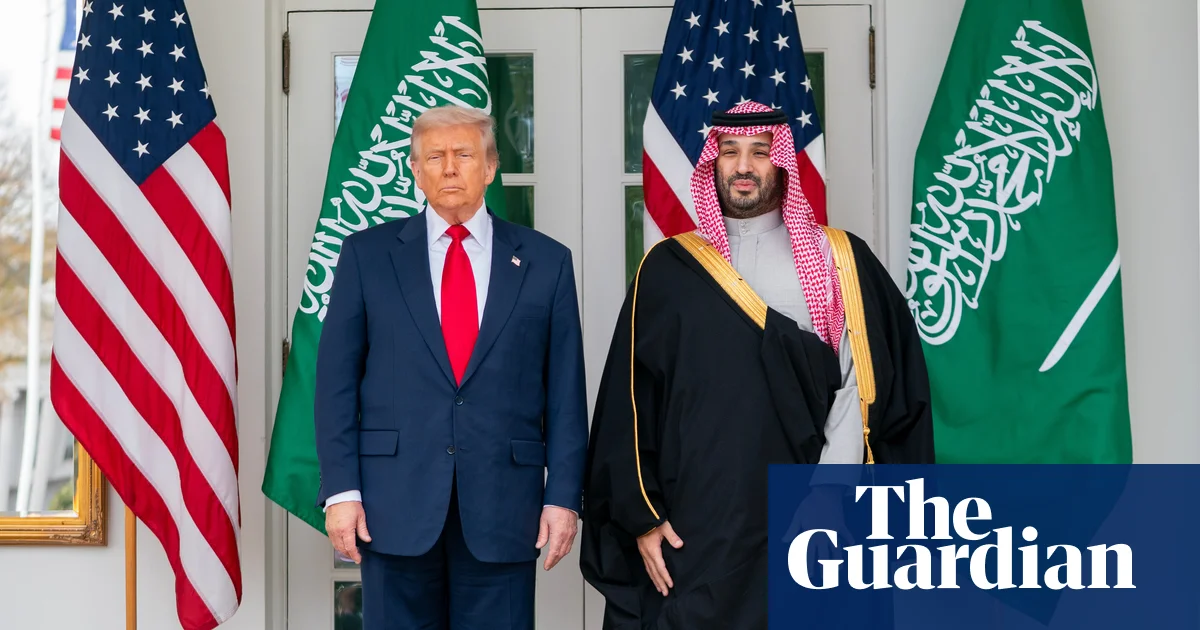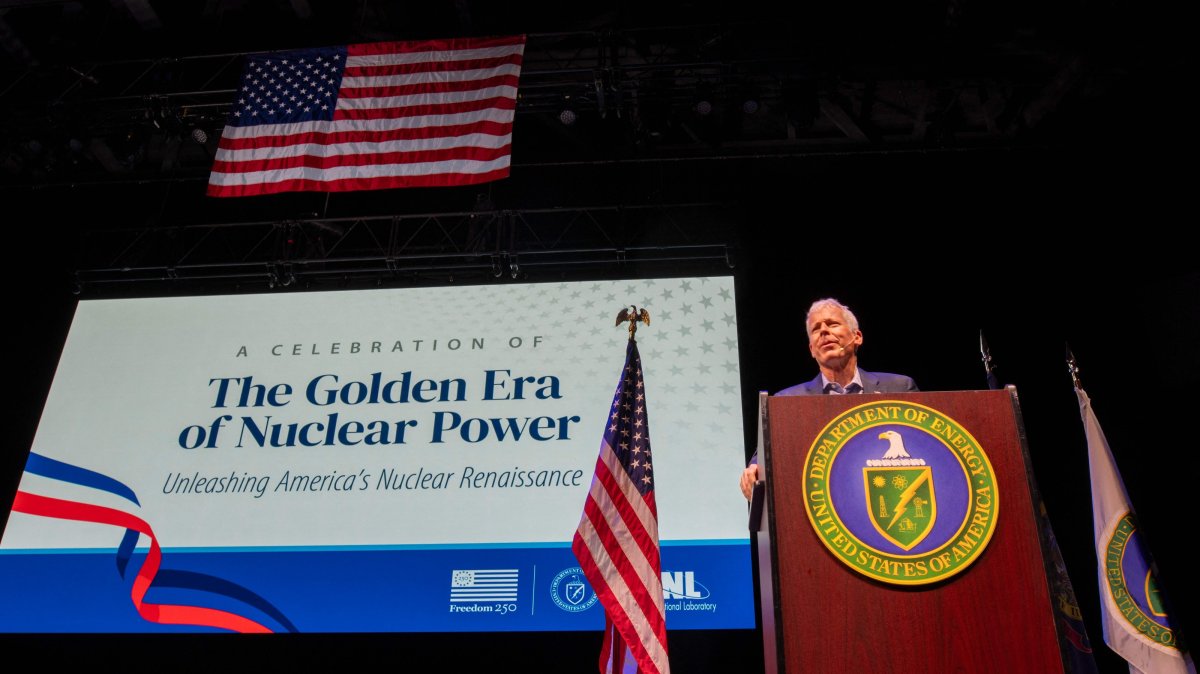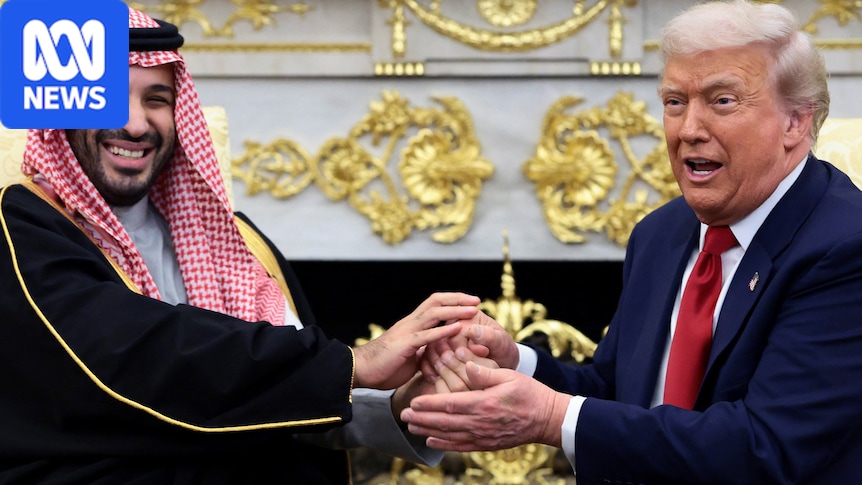
The United States is expected to sign an agreement with Saudi Arabia that could provide the kingdom with uranium enrichment capability for its civilian nuclear program. The deal between the US and Saudi Arabia, was expected to last 30 years and involve US firms in developing the program, according to multiple US media outlets.President Donald Trump's administration said the agreement would provide billions of dollars for the US nuclear industry.It comes as Washington continues its war with Iran that began partly due to US concerns over Tehran's nuclear program and remains a key point of contention during the now-stalled peace talks.But US politicians from both parties and Israeli officials had voiced opposition to a civilian nuclear project for Saudi Arabia over fears it could be converted to eventually develop nuclear weapons.US Secretary of State Marco Rubio refused to confirm the Saudi Arabia deal but dismissed fears it could lead to nuclear proliferation. (Reuters: Julia Demaree Nikhinson)The deal is expected to be submitted to Congress in the coming days, but its approval is not required for it to go through.The White House and Saudi officials in Riyadh did not immediately respond to multiple requests for comment on the decision, which has been reported by multiple US media outlets.US would not agree to deal that risked proliferation, Rubio saysSaudi Arabia has long been adamant about its right to pursue a civilian nuclear program.US Secretary of State Marco Rubio earlier declined to confirm the Saudi Arabia deal in Manila, deferring to the White House."Suffice it to say, the US is not going to reach any agreement with any country in the world that leads to the risk of proliferation," he told reporters on the sidelines of a summit of Southeast Asian foreign ministers.Former Israeli prime minister Naftali Bennett said the agreement with Saudi Arabia represented a "severe strategic failure" for Israel that could endanger the country's security."Enrichment of nuclear material on Saudi soil could lead to a regional arms race and a dangerous loss of control," he said."This failure joins a series of diplomatic failures centred on one key issue – Israel is losing influence over its own fate."Experts warn US not requiring Saudi to abide by highest safeguardsA nuclear expert at the International Institute for Strategic Studies in London, Alexander Bollfrass, called the deal "a revolutionary new approach" to nuclear nonproliferation policy."The revolutionary aspect of this agreement is that the United States is not asking Saudi Arabia to abide by the highest possible safeguards, internationally monitored safeguards that are standard and are available today, but instead is willing to at least theoretically transfer highly sensitive technology without the same level of oversight that one would expect," he said.Nonproliferation experts have warned Saudi Arabia could open the door to a possible weapons program for the kingdom, something its assertive de facto leader, Crown Prince Mohammed bin Salman, has suggested he could pursue if Tehran obtained an atomic bomb.The United States signed a nuclear agreement with the kingdom's neighbor the United Arab Emirates in 2009, although the country does not enrich its own uranium.A drone struck a generator in May near the UAE's Barakah nuclear plant, the Arab world's only such facility, causing a fire.AFP/AP
US and Saudi Arabia set to unveil nuclear power deal, media reports say
Israeli officials and US politicians from both parties have voiced concern that a civilian nuclear project in Saudi Arabia could be converted to eventually develop nuclear weapons.
531 words~2 min read