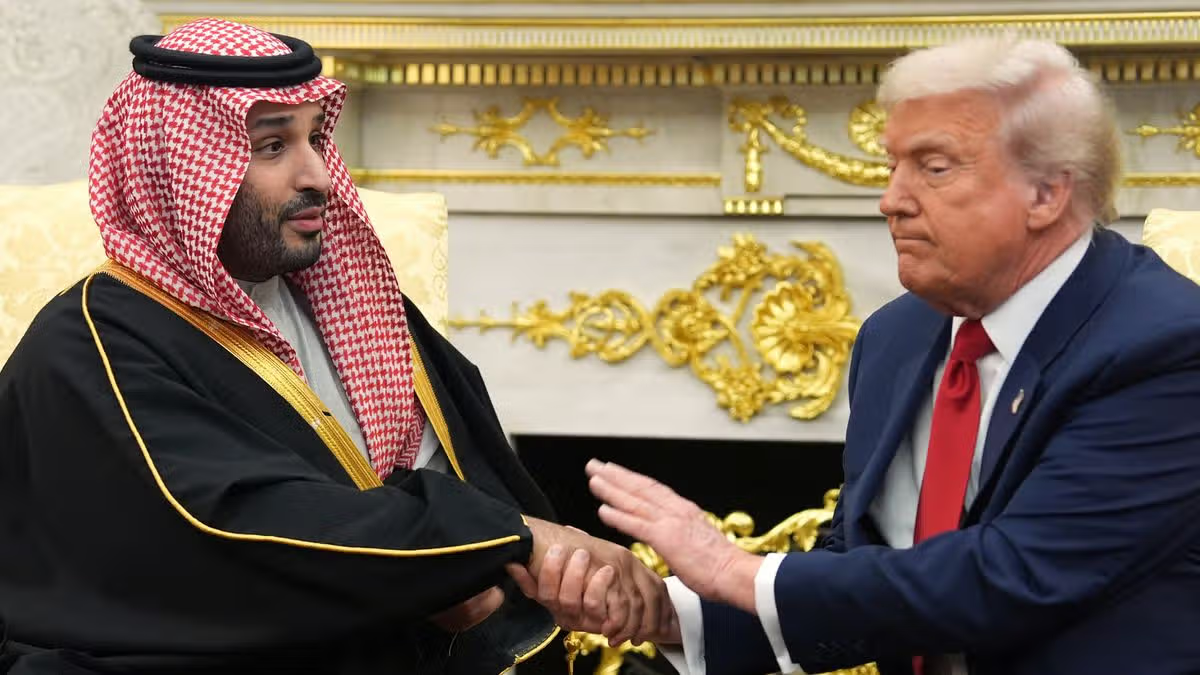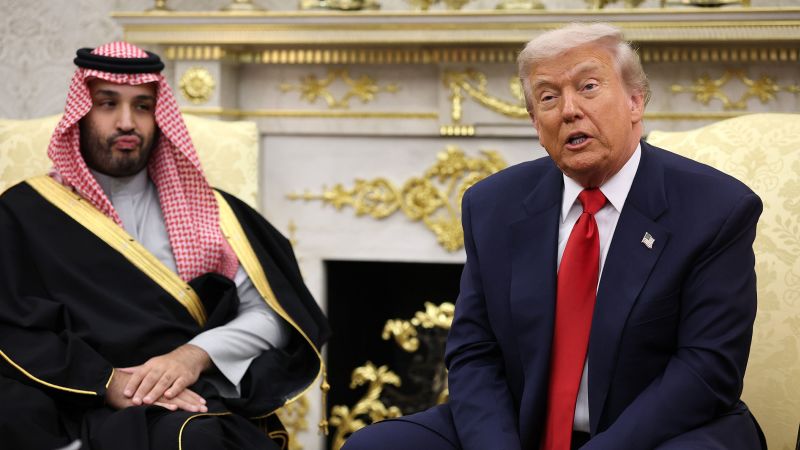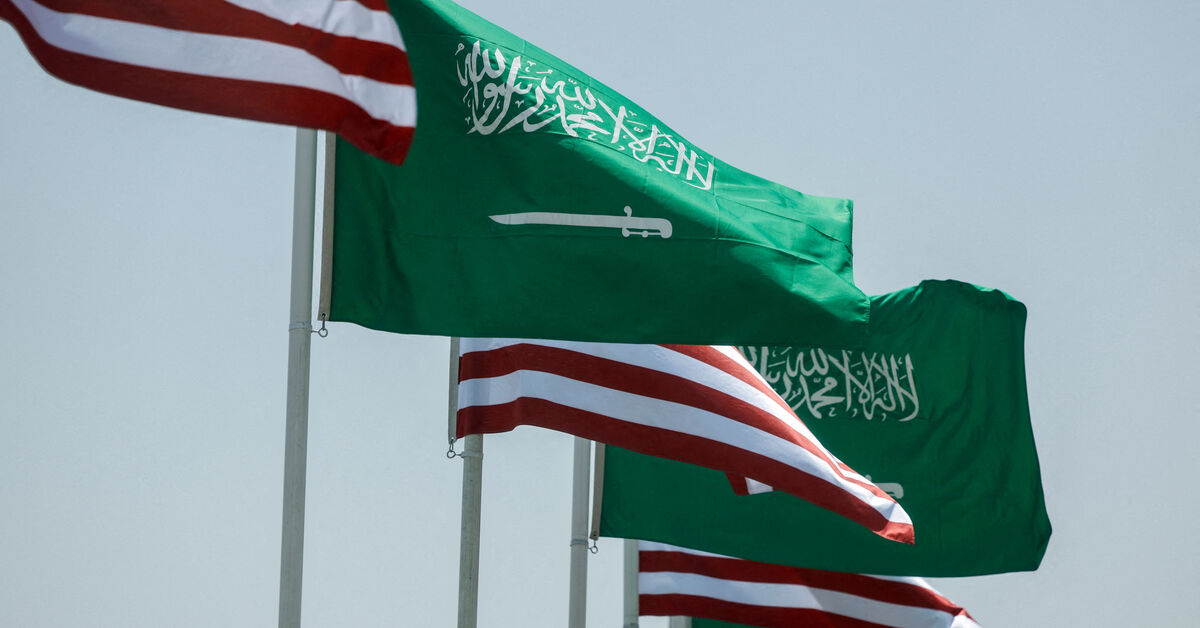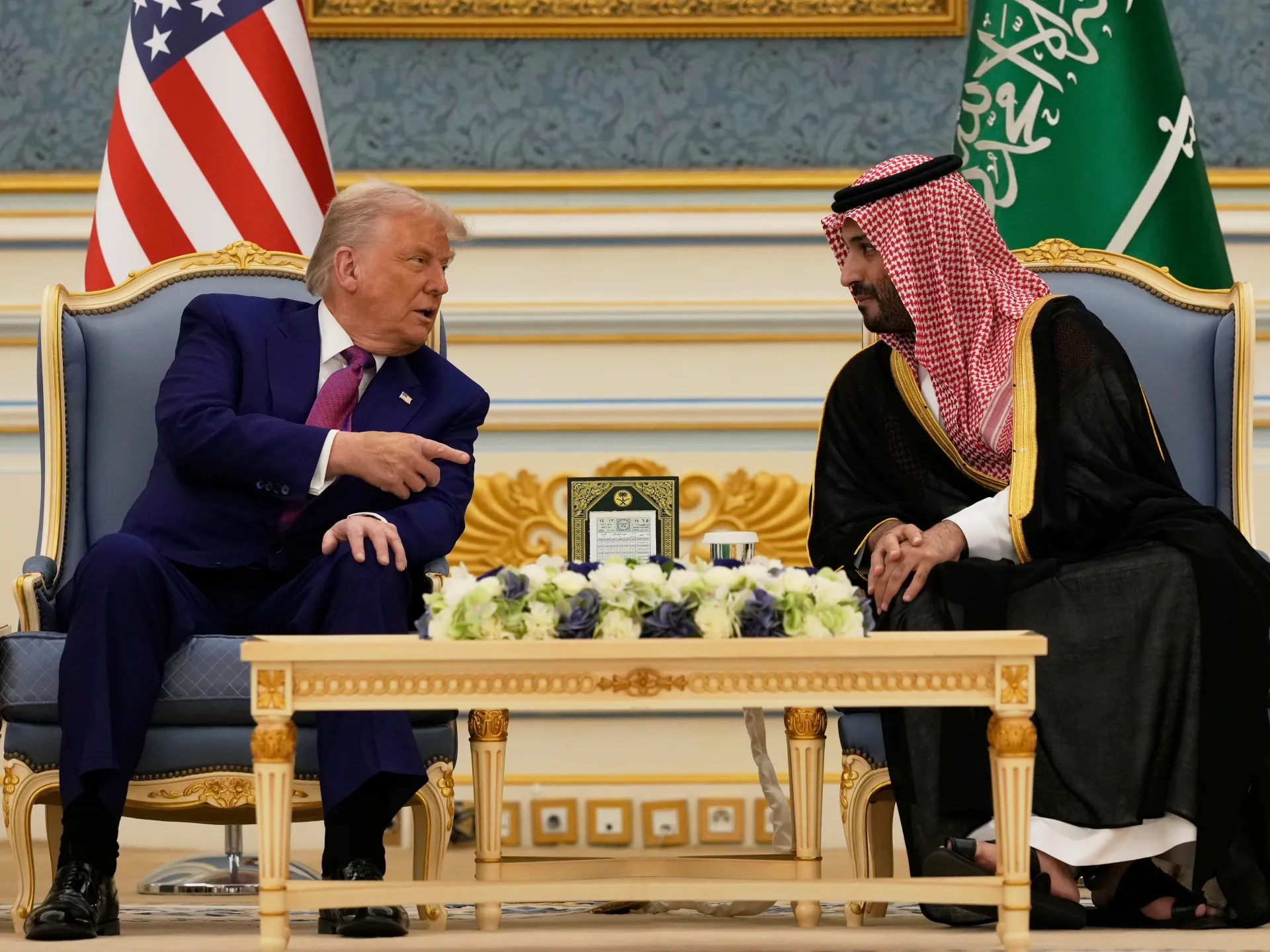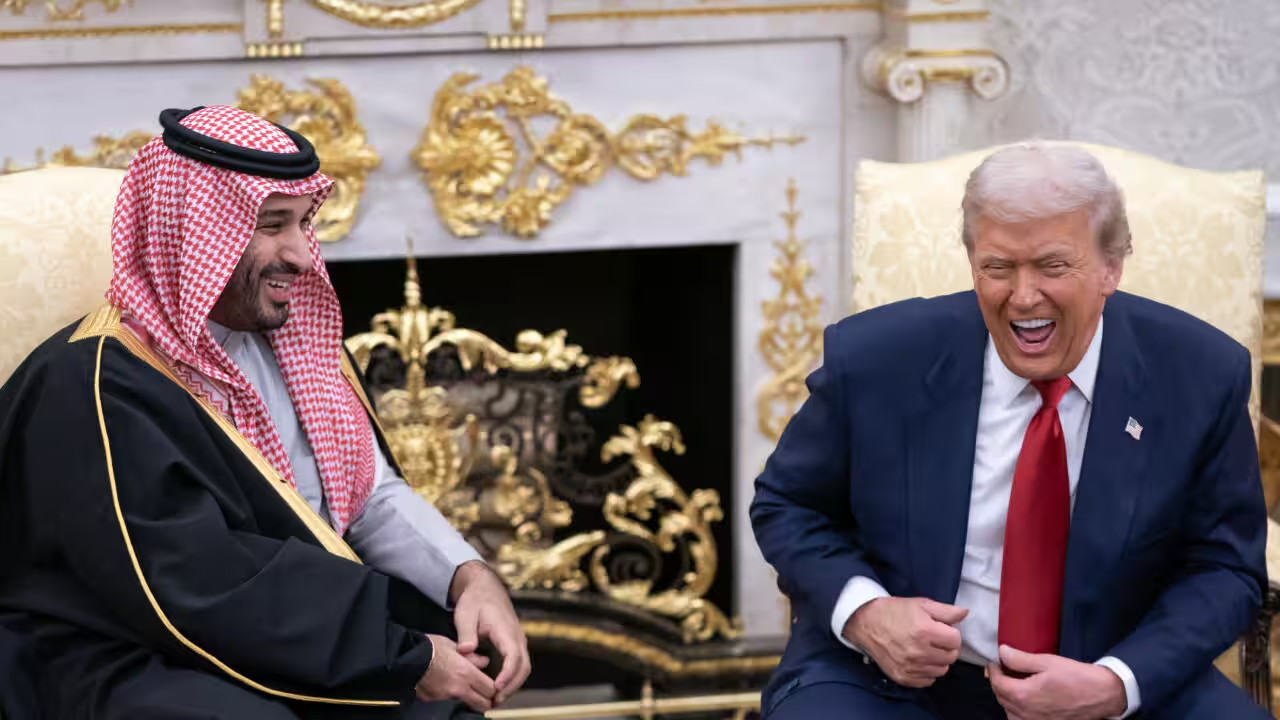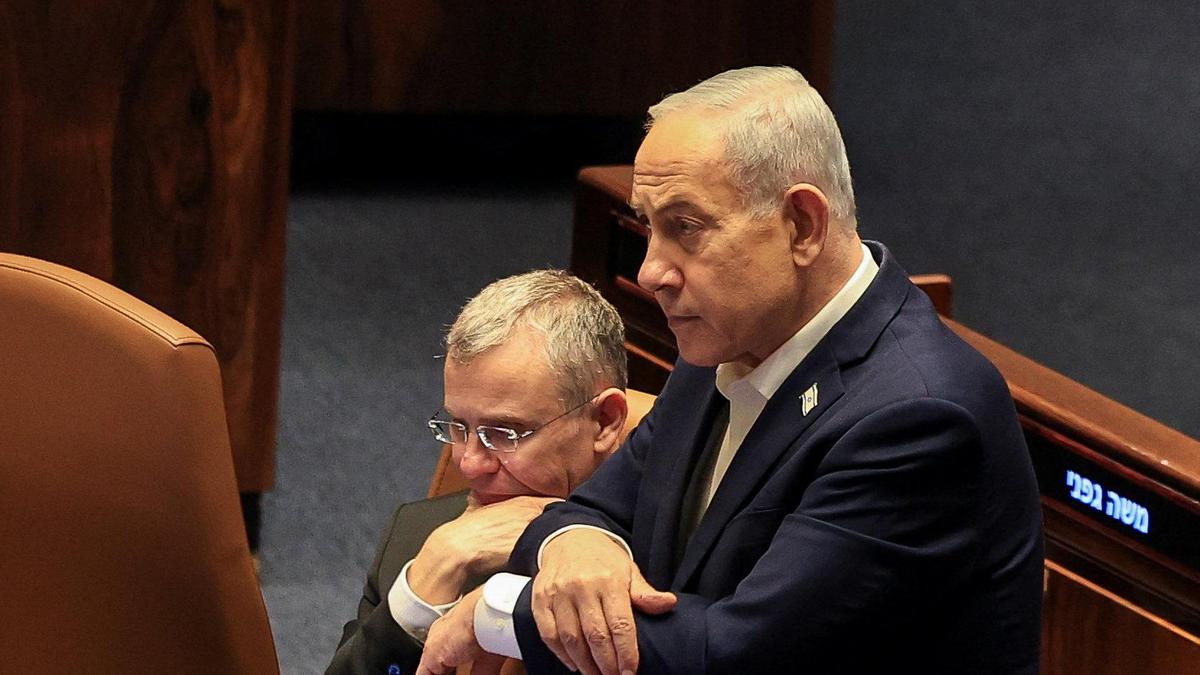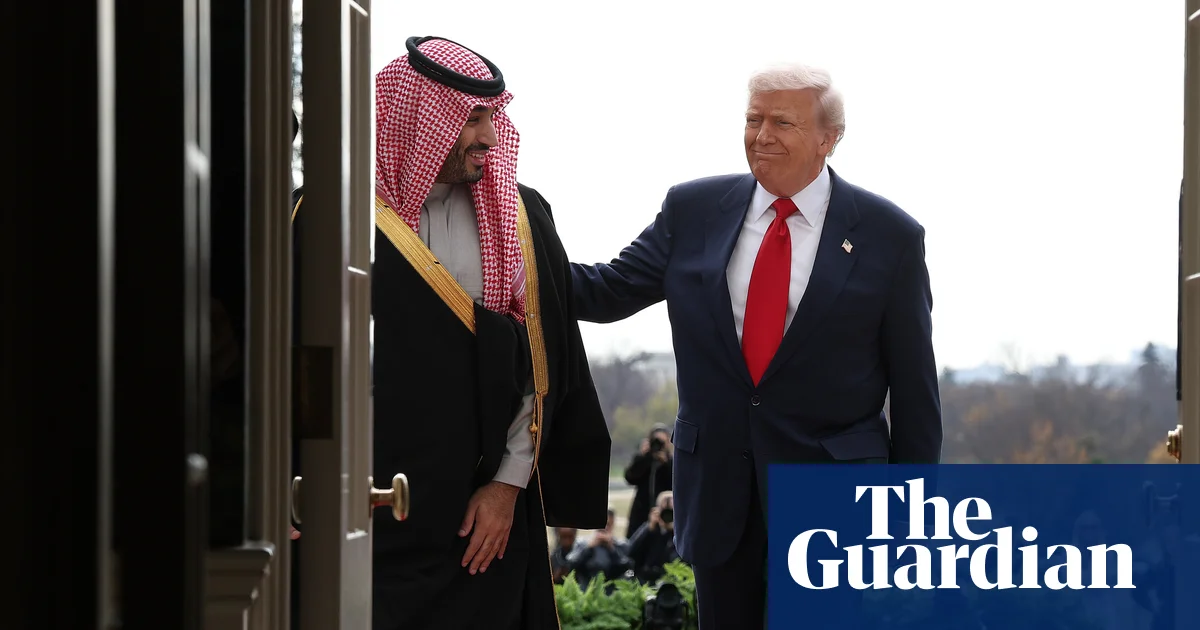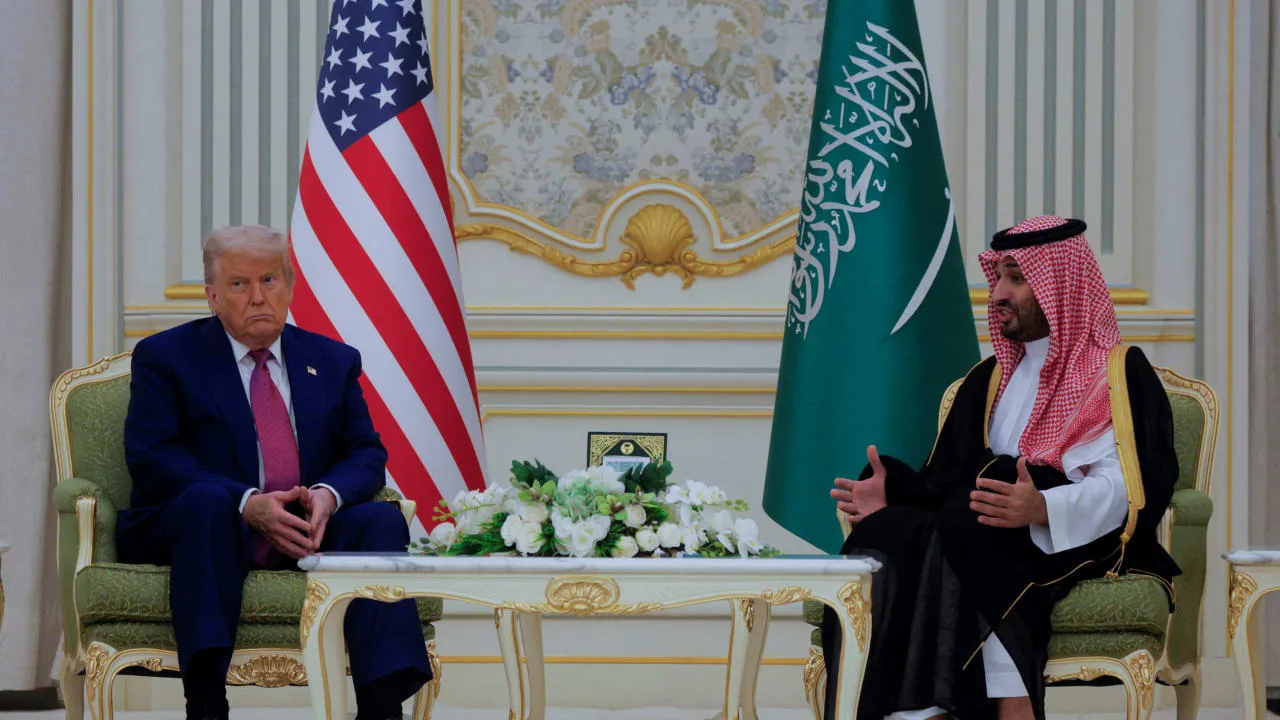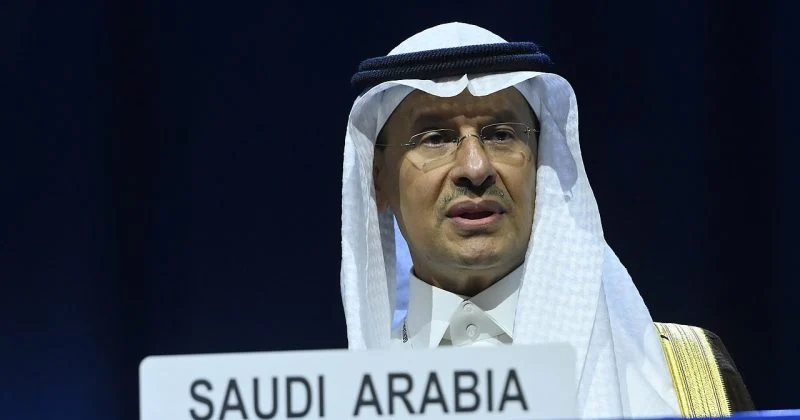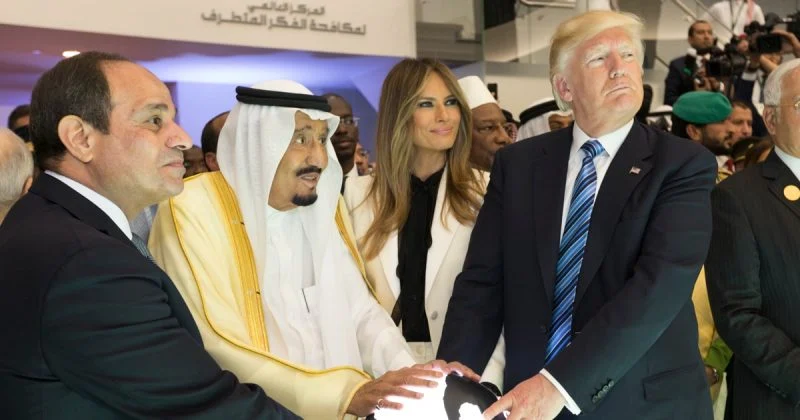
A potential agreement between the United States and Saudi Arabia enabling the kingdom to construct nuclear reactors with American technology has raised concerns of sparking a regional nuclear race, as expressed by former Israeli Prime Minister Naftali Bennett. The deal, which would allow Saudi Arabia to enrich uranium domestically, marks a significant shift in U.S. nuclear policy, historically tied to stringent nonproliferation safeguards. This development has intensified regional tensions, with Israel particularly apprehensive about the potential for nuclear proliferation in the Middle East. The agreement still requires U.S. congressional approval to proceed.
The news has implications for the ongoing U.S.-Iran negotiations, specifically concerning Iran reconstruction funding as part of a potential 2026 deal. Market data suggest that the likelihood of such funding being included in the agreement has decreased, reflecting concerns that increased regional tensions could complicate diplomatic efforts. Currently, the odds for Iran reconstruction funding being part of the 2026 U.S.-Iran deal stand at 28.5% YES, down from 30% a day earlier. This decline indicates that markets view the Saudi nuclear deal as a factor potentially hindering progress in U.S.-Iran relations.