Search+Investment IdeasSynopsisThe threat of a US tariff on Indian pharma is no longer a vague fear; or at least that is what President Trump wants us to believe. There is now an announcement, and a deadline, giving enough scope for him to wriggle out of what he has said. But an announcement and a real change to the business are two different things. Here is why the second may be much smaller than the first.In the next few weeks (or quarters), expect a lot of noise about pharma stocks. The reason: A tariff has been announced. But it is a reason that does not survive close inspection. So, don’t fall into the trap of selling on a scary headline. Here’s the question you should ask: Can the threat (100% tariff on generic drugs after two years, and 200% thereafter) actually be carried out in the time allowed? The answer, once you follow it through, is ETMarkets.com 13 mins read, Last Updated: Jul 27, 2026, 12:52:00 PM ISTGift this Story to your friendsFONT SIZEAbcSmallAbcMediumAbcLargeSAVEPRINTCOMMENTContinue reading with one of these options:Limited AccessFreeLogin to get access to some exclusive stories & personalised newslettersLogin NowUnlimited AccessStarting @ Rs120/monthGet access to exclusive stories, expert opinions & in-depth stock reportsSubscribe NowETUh-oh! This is an exclusive story available for selected readers only.Worry not. You’re just a step away.What’s Included withETPrime Membership
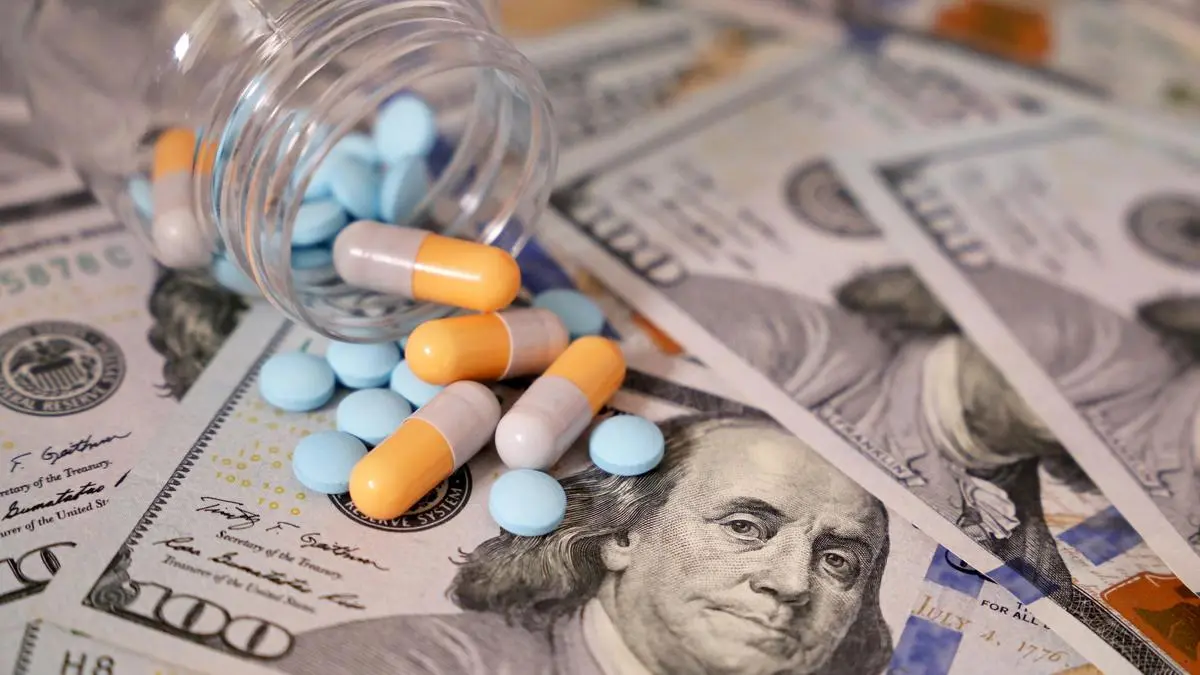
Tariff on generic drugs: Loud announcement, little consequence? 7 pharma stocks with upside potential of up to 31%
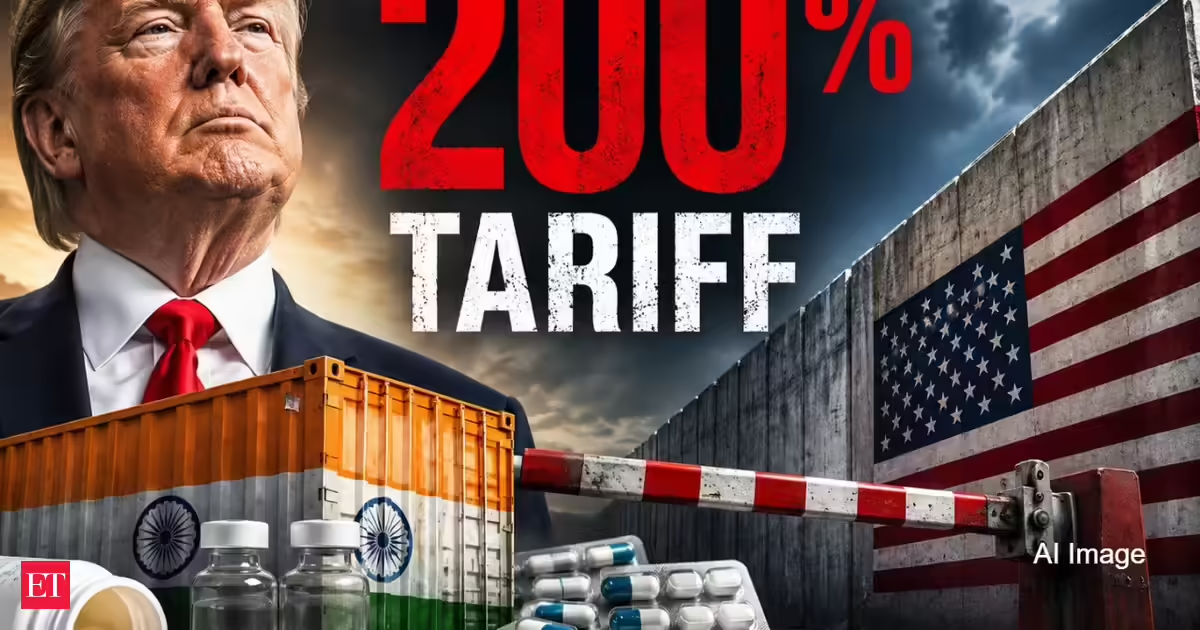
The threat of a US tariff on Indian pharma is no longer a vague fear; or at least that is what President Trump wants us to believe. There is now an announcement, and a deadline, giving enough scope for him to wriggle out of what he has said. But an announcement and a real change to the business are two different things. Here is why the second may be much smaller than the first.
TL;DRAI
Trump announces 100%-200% tariffs on Indian generics in two years; implementability doubts surface among analysts. Political announcements often exceed execution—a supply-chain volatility pattern critical for tech leaders evaluating vendor strategy and infrastructure resilience.
575 words~3 min read