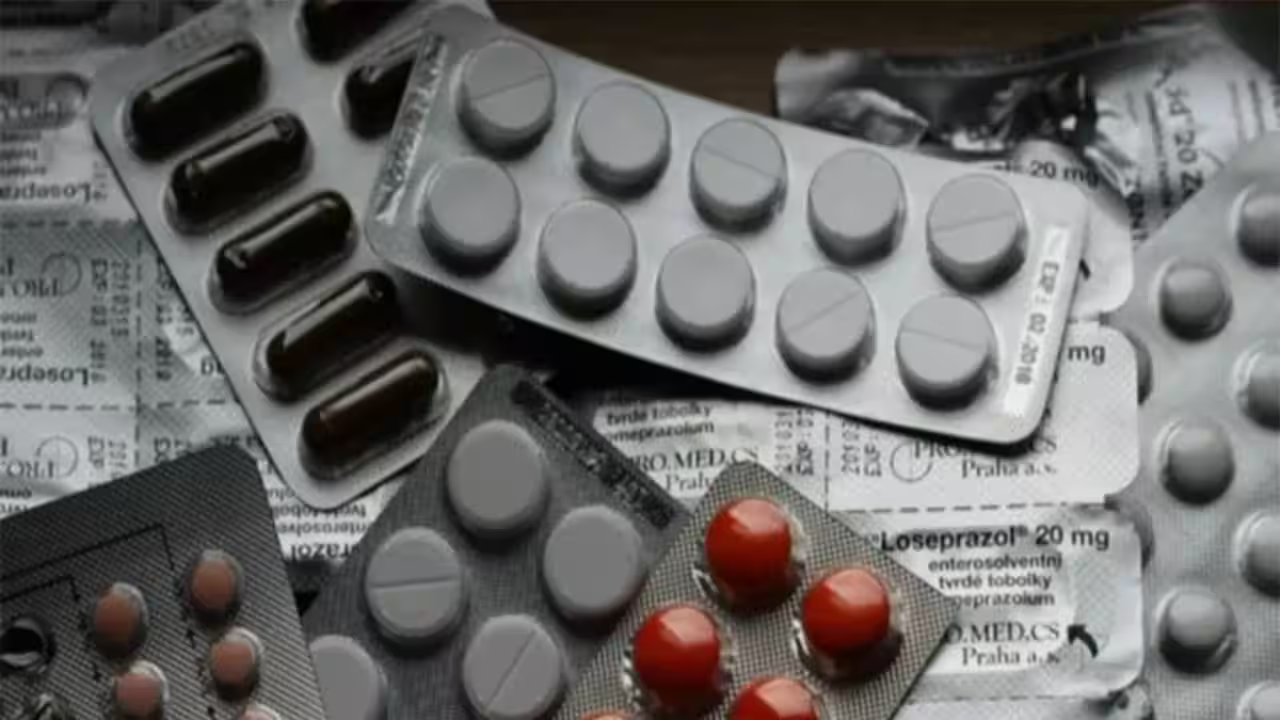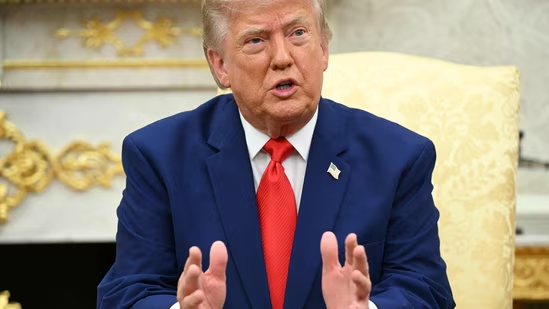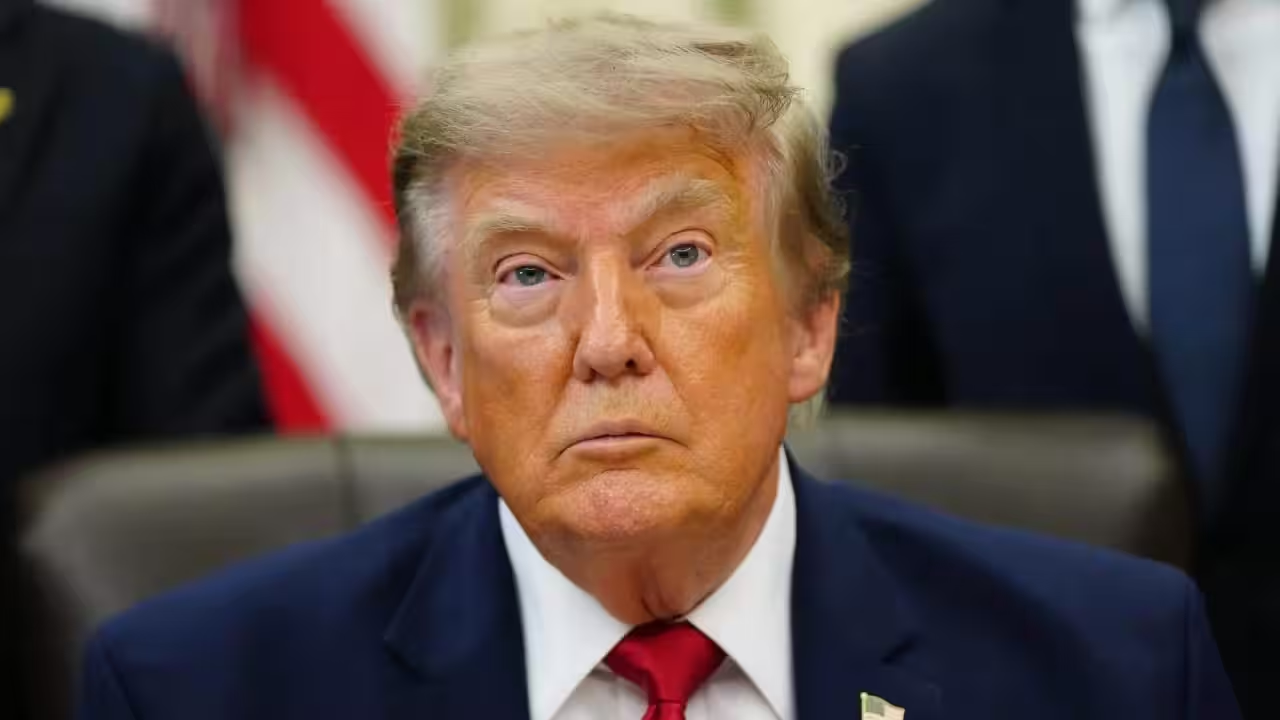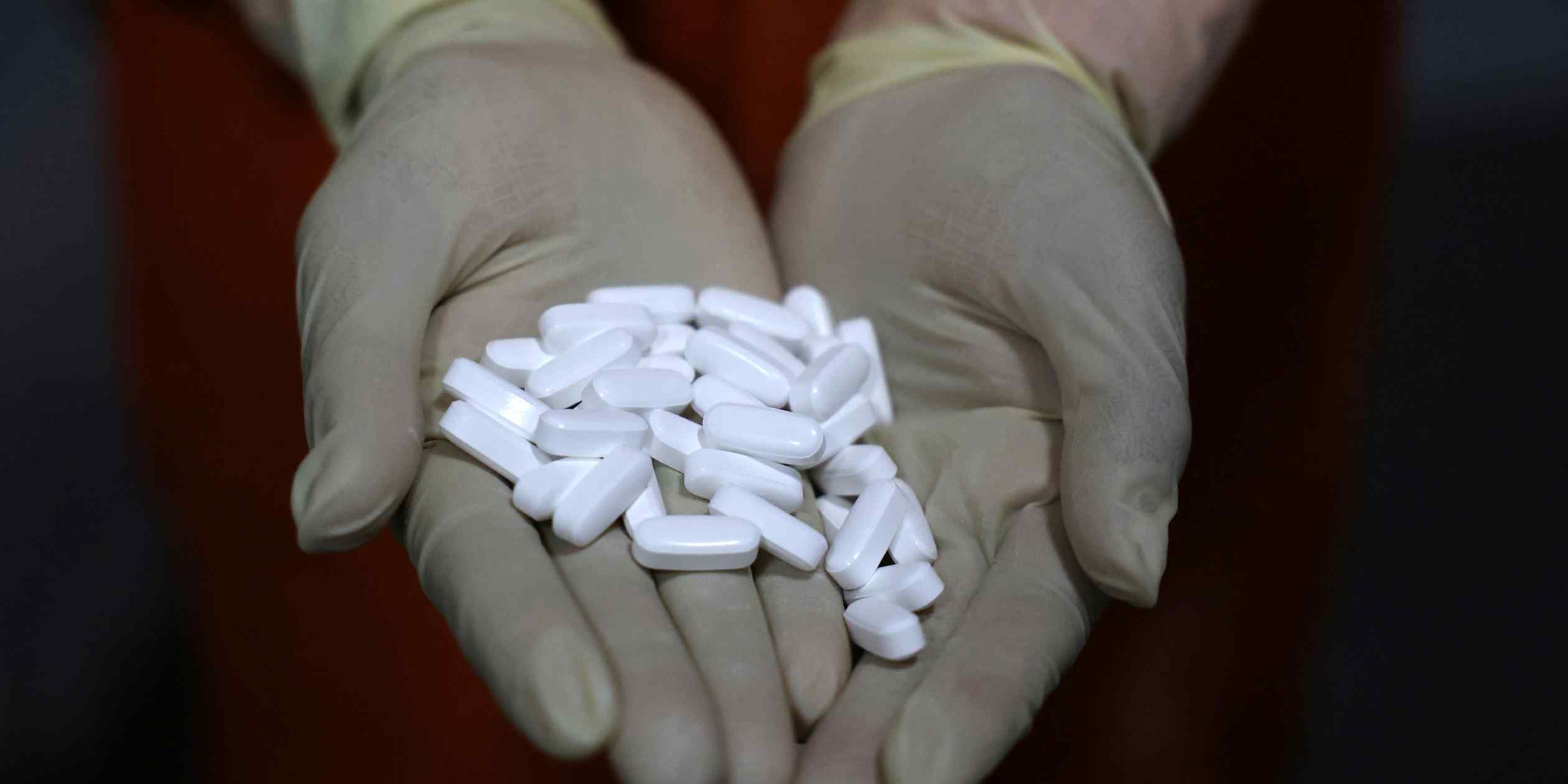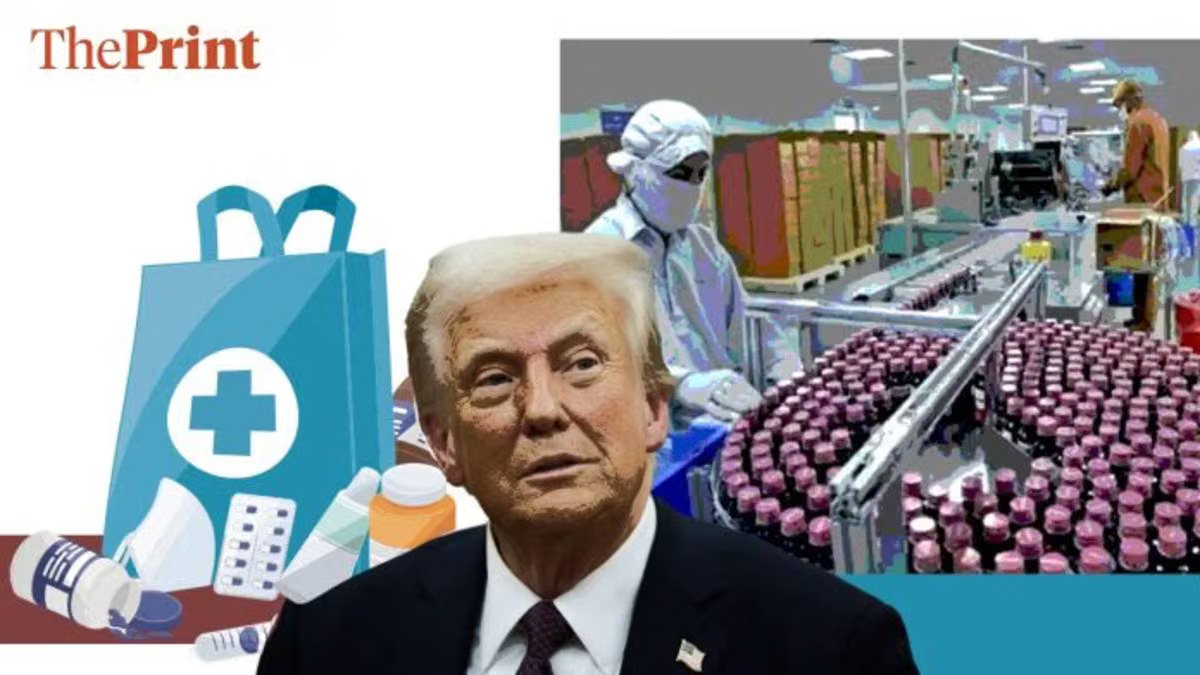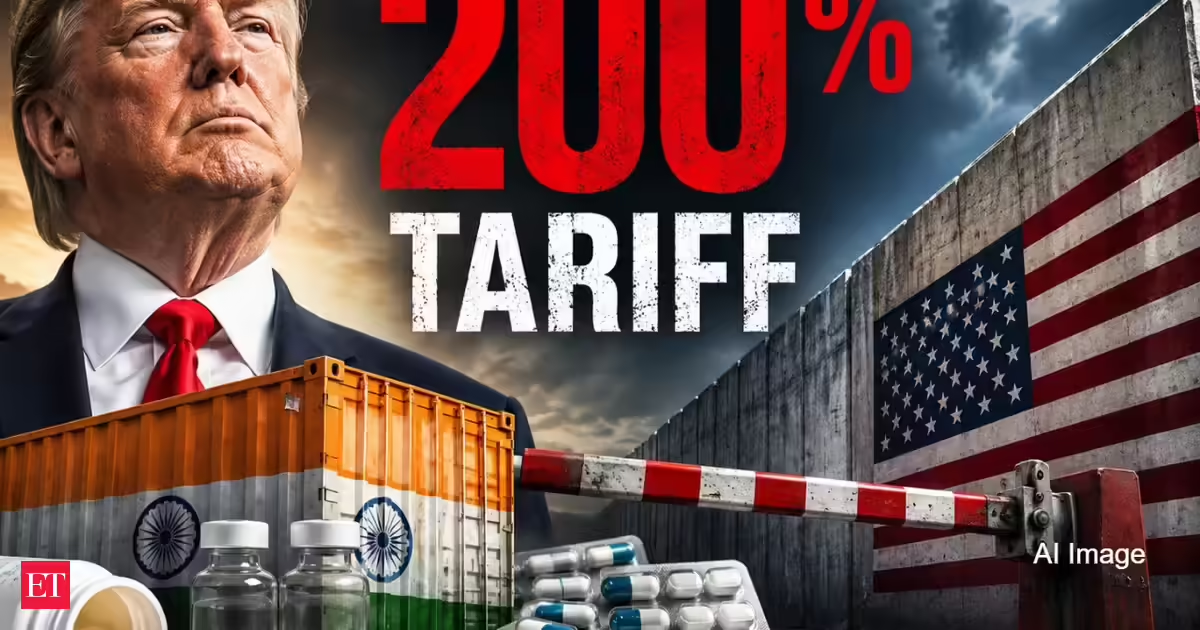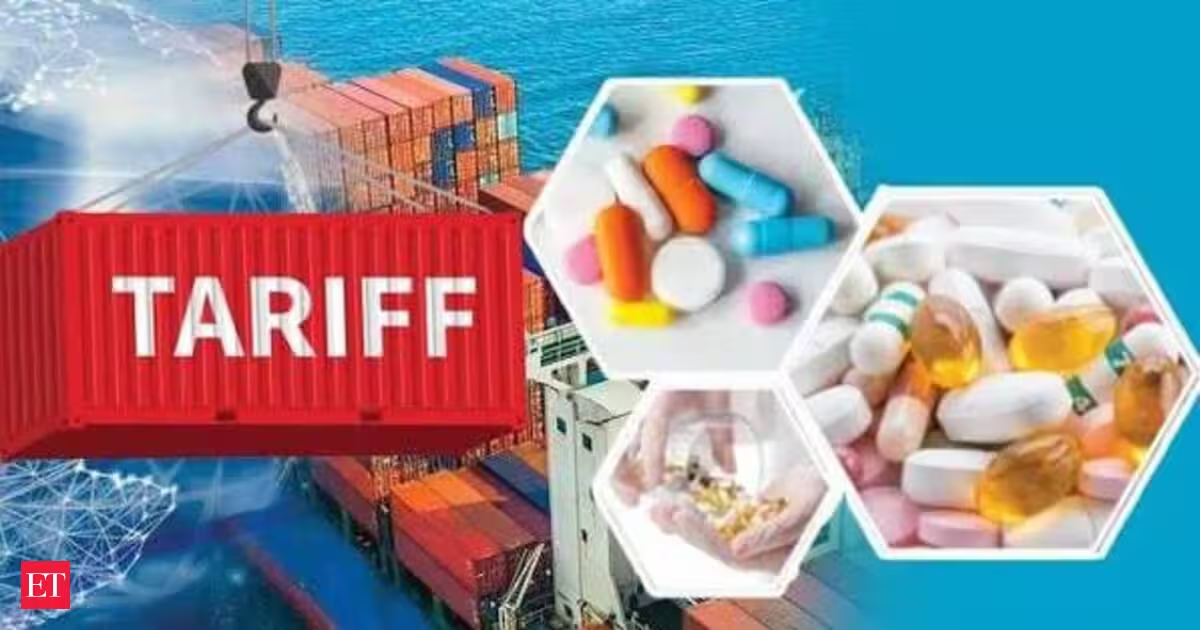
US President Donald Trump’s latest proposal to impose steep tariffs on imported generic medicines starting 2028 is unlikely to have any immediate impact on Indian drugmakers, industry officials said, although the market reacted negatively.India is the largest supplier of generic drugs to the US, having exported $9.7 billion worth that accounted for 38% of New Delhi’s pharma shipments. The threat should quicken the need to hunt alternative export markets.Also read: 200% Trump tariff shock? India’s cheap pills may still beat US rivalsExperts told ET the cost economics of generic drug manufacturing, long gestation periods for new facilities make large-scale reshoring difficult in the near term.Higher Healthcare Costs Seen in USAmerica also has dependence on low-cost imported drugs, they said. “There is no formal guidance (on US tariff) yet. We only have a tweet. We will see how the situation evolves because we’ve been in those cycles in the past.It is not practical to move operations like that to the US,” said Erez Israeli, chief executive of Dr Reddy’s Laboratories. “Obviously, if tariffs are imposed, we’ll have to raise the price in the US.ET BureauThe pills equation Even if it is made in the US, costs will be higher, which will lead to inflation for insurers and retailers.” Industry watchers also believe the two-year time window that Indian drugmakers now have before tariffs would kick in would give them sufficient lead time to diversify and adapt, while American patients and insurers brace for higher healthcare costs.“Effective August 1, 2026, all generic drugs being brought into the US will continue to have a tariff of zero percent for a two-year period of time, after which the tariff will be raised to 100% for a one-year period of time, and 200% thereafter,” Trump said in his Truth Social post.
Trump's 200% generic drug tariff threat puts $9.7 billion Indian pharma exports at risk; industry says reshoring not practical
US President Trump's proposed tariffs on imported generic drugs will not immediately affect Indian drugmakers. Indian companies export significant generic medicines to the United States market. The proposed tariffs are set to begin in 2028, offering a two-year window. This lead time allows Indian firms to explore alternative export markets and adapt. American patients and insurers will likely face increased healthcare costs after tariffs are imposed.
296 words~1 min read