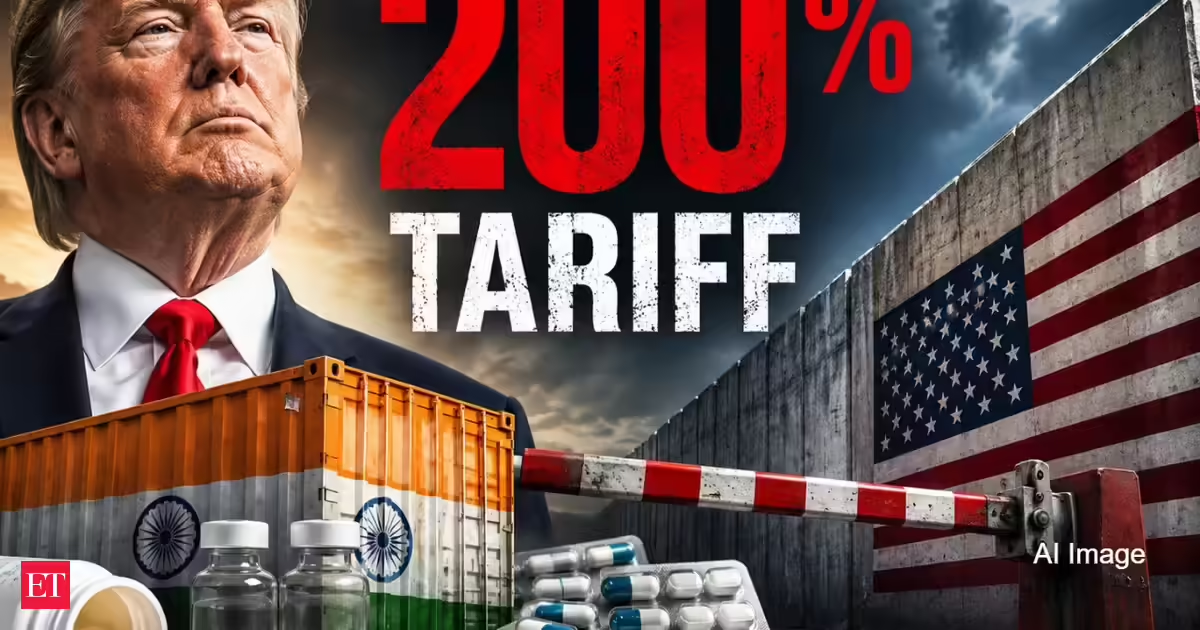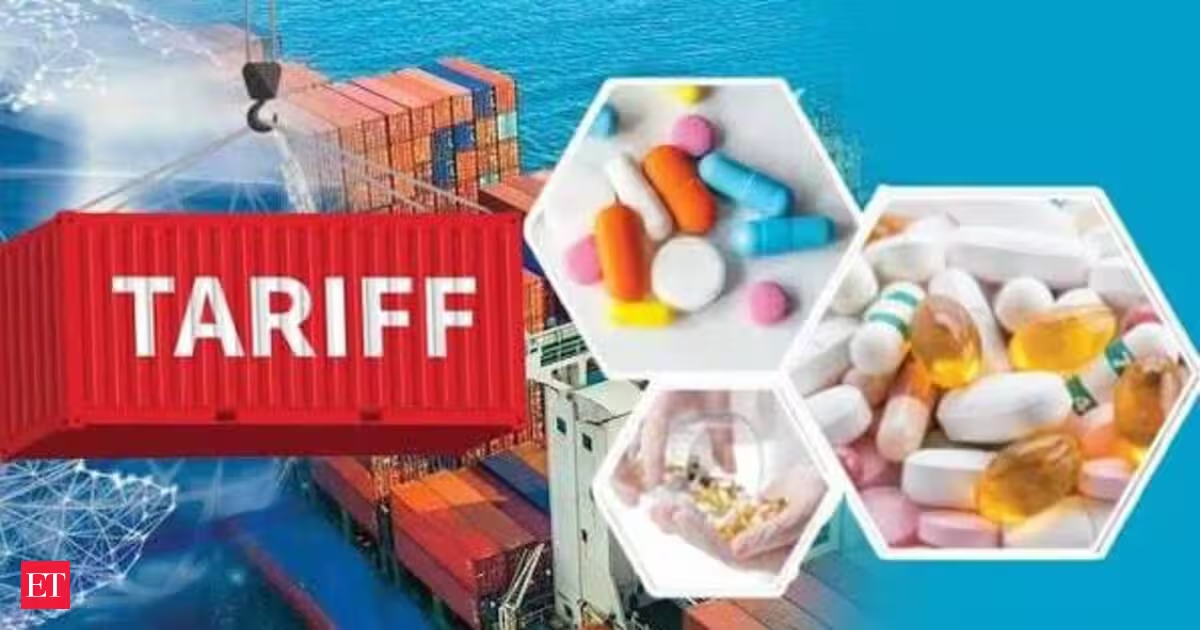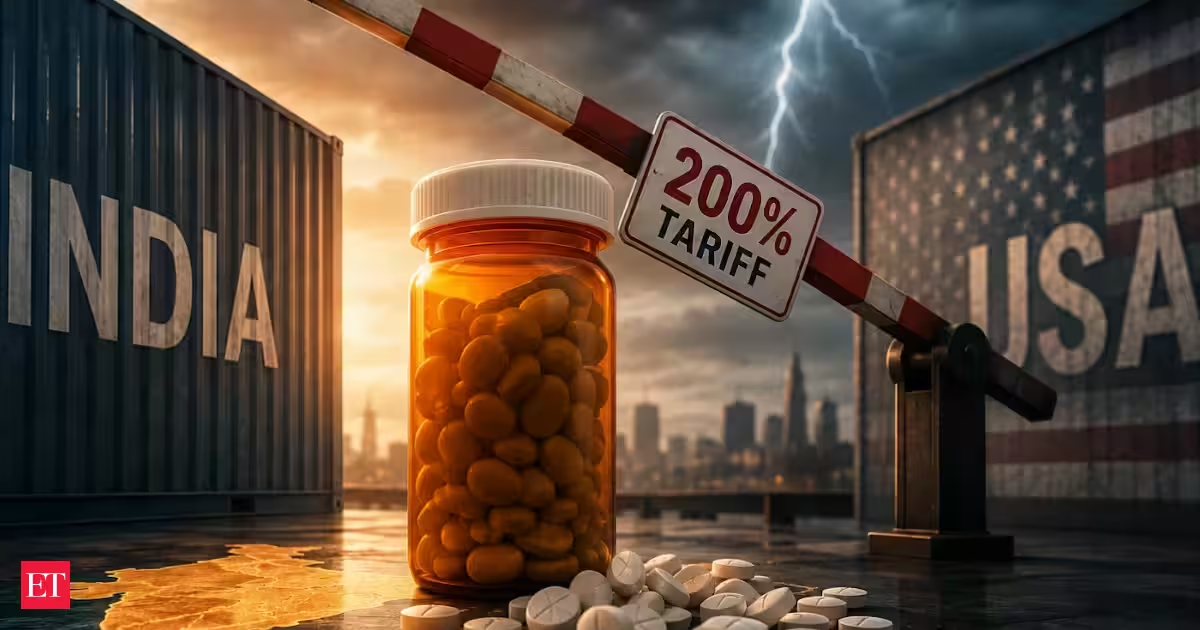
Representative imageNEW DELHI: India's $30-billion pharma industry is staring at a fresh challenge after US President Donald Trump announced that generic medicines imported into the US would face tariffs of 100% from Aug 2028 and 200% from Aug 2029, unless companies relocate manufacturing to America.The proposal, which completes Trump’s tariff strategy covering branded drugs, APIs and generics, has significant implications for India, which supplies nearly 47% of generic prescriptions dispensed in the US, and ships 38% of its pharma exports totalling $10 billion to the American market. While the immediate financial impact on Indian drugmakers is expected to be limited if generic medicines remain exempt over the next two years, companies are likely to incur costs related to supply-chain realignment, manufacturing plans and customer negotiations.The bigger challenge begins once the proposed tariffs take effect, with industry experts warning that such steep duties could render most generic exports commercially unviable and squeeze margins. They also caution that the move could have unintended consequences for American patients by raising the prices of low-cost essential medicines and, in therapeutic areas already vulnerable to shortages, increasing the risk of supply disruptions.For Indian exporters, the two-year tariff-free period offers additional time to reassess supply chains and investment plans. While the immediate impact on exports is likely to be limited, the proposed escalation to 100% and eventually 200% tariffs could significantly alter the economics of supplying generic medicines to the US if manufacturers do not establish a stronger local production footprint.It may be noted that India is among the largest suppliers of affordable generic medicines to the US. Companies such as Sun Pharma, Dr Reddy's Labs, Cipla, Lupin, Aurobindo Pharma and Zydus Lifesciences generate significant revenue ranging from 35 to 50% from the US market.Industry experts and analysts view the proposal primarily as a negotiating tool, given that implementation is deferred until August 2028, beyond the next US election cycle.Reshoring can be a tough and time consuming exercise, and not very viable for companies. Bharat Celly, Equity Research Analyst at Equirus Securities says ``Transferring an approved product to a US facility requires site transfer filings, process validation, stability data, and FDA approval for each ANDA. For Indian generic manufacturers with large approved portfolios, the cost and timeline of re-registering products significantly exceed the proposed transition period, while the economics of many products do not support such a move.The proposal also runs counter to the intent of the Hatch-Waxman framework, which was designed to reduce drug prices through greater generic competition. Imposing 100–200% tariffs on imported generics could instead raise the cost of low-priced medicines and, in shortage-prone categories, increase the risk of supply disruptions rather than drive reshoring''.
US tariffs could raise drug prices, squeeze Indian generics
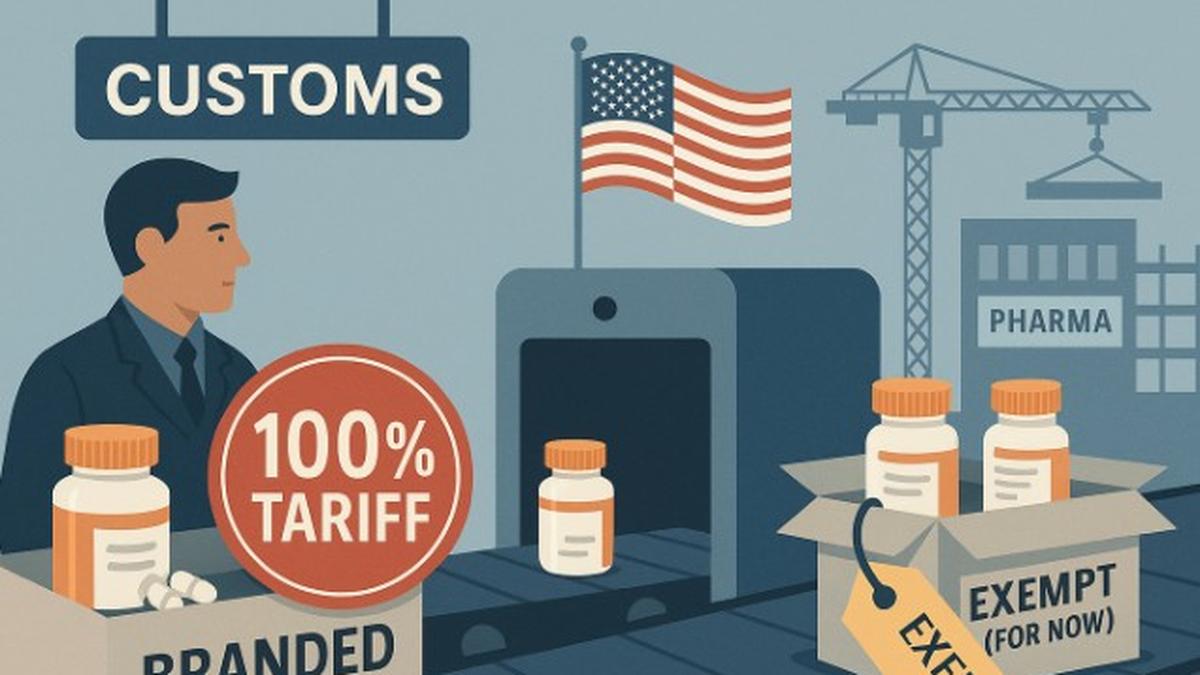
NEW DELHI: India's $30-billion pharma industry is staring at a fresh challenge after US President Donald Trump announced that generic medicines imported into the US would face tariffs of 100% from Aug 2028 and 200% from Aug 2029, unless companies relocate manufacturing to America.
442 words~2 min read