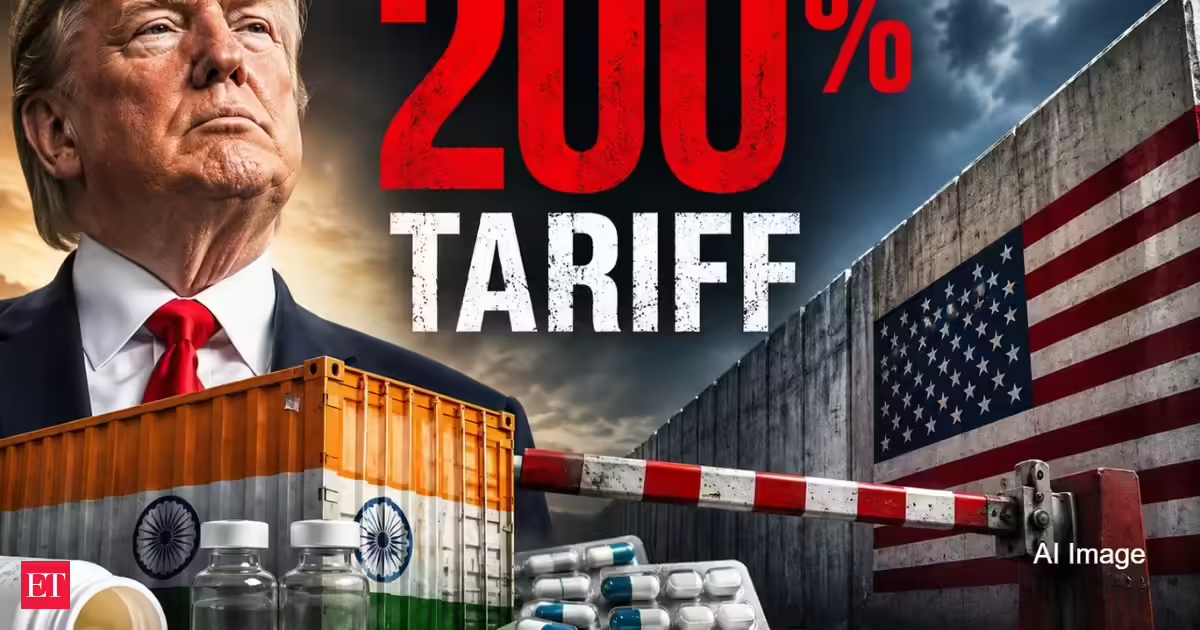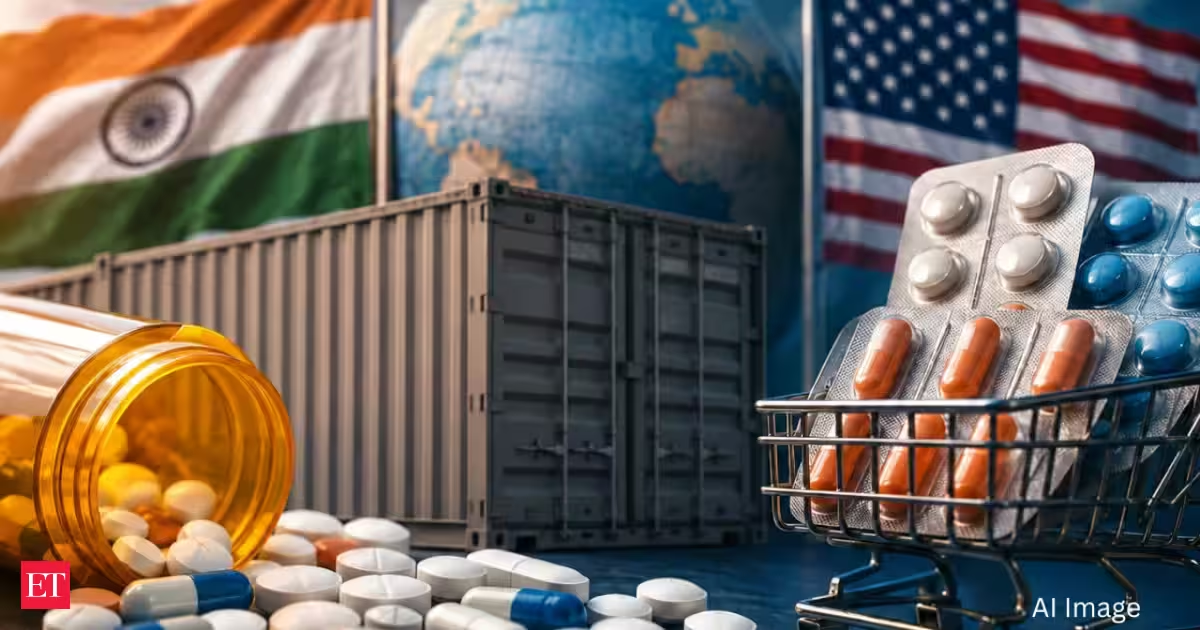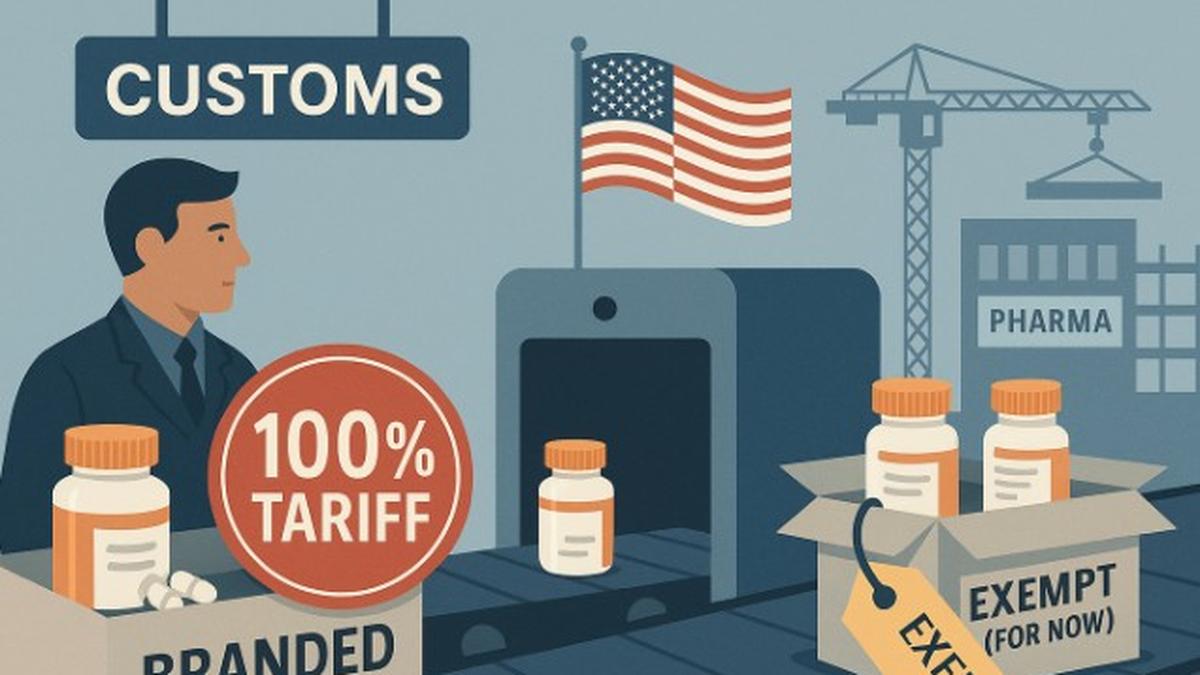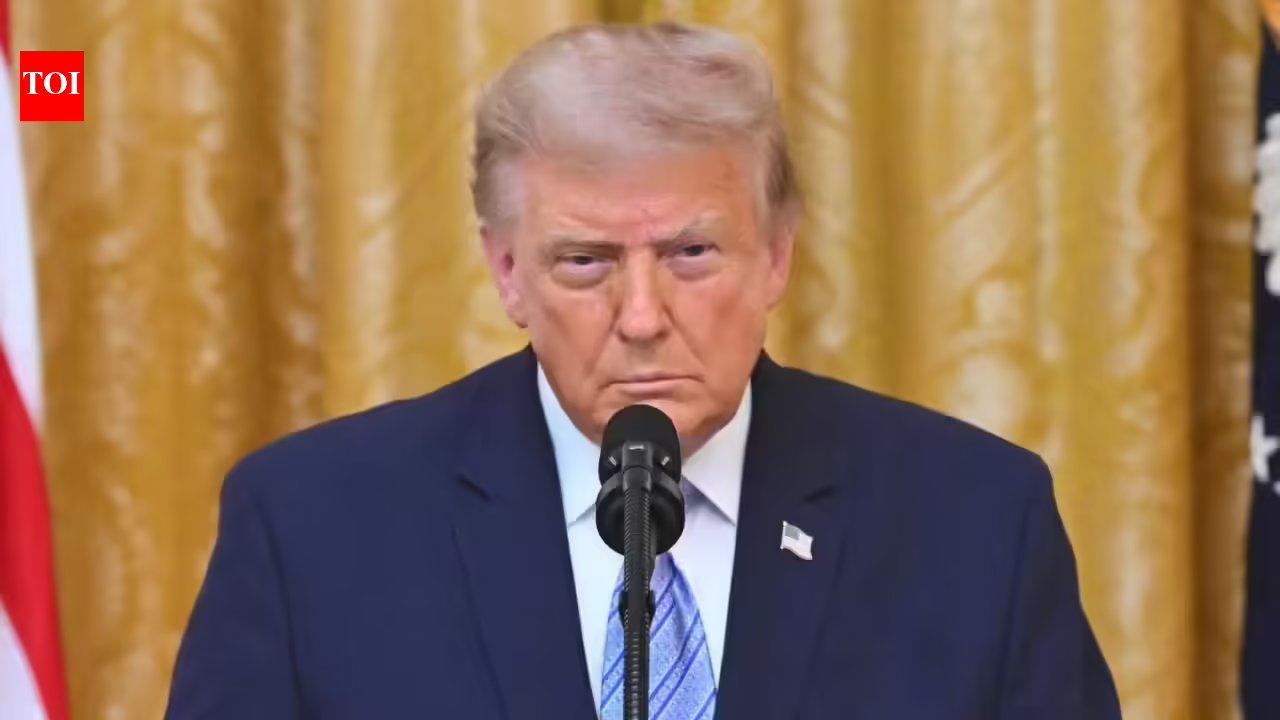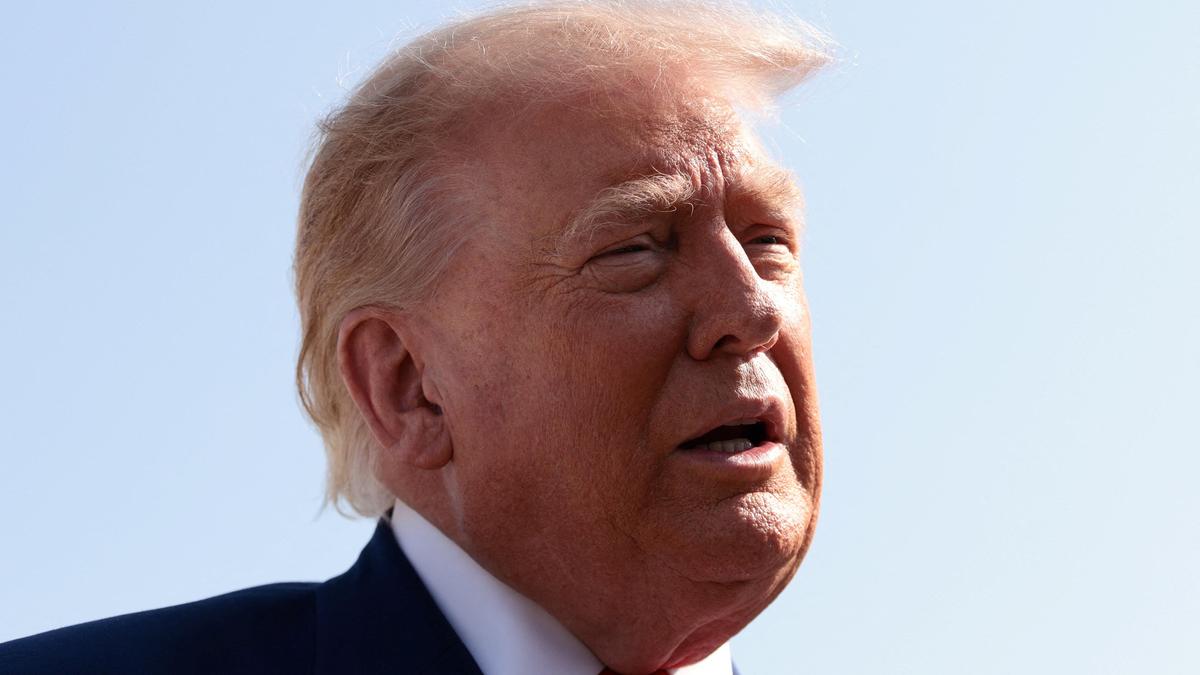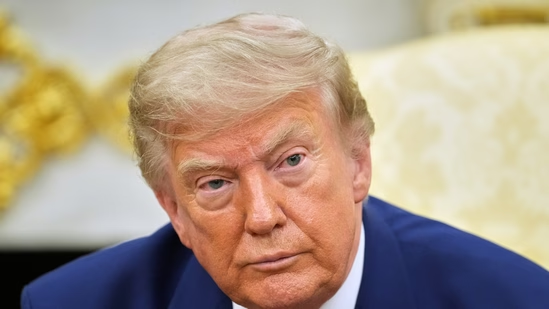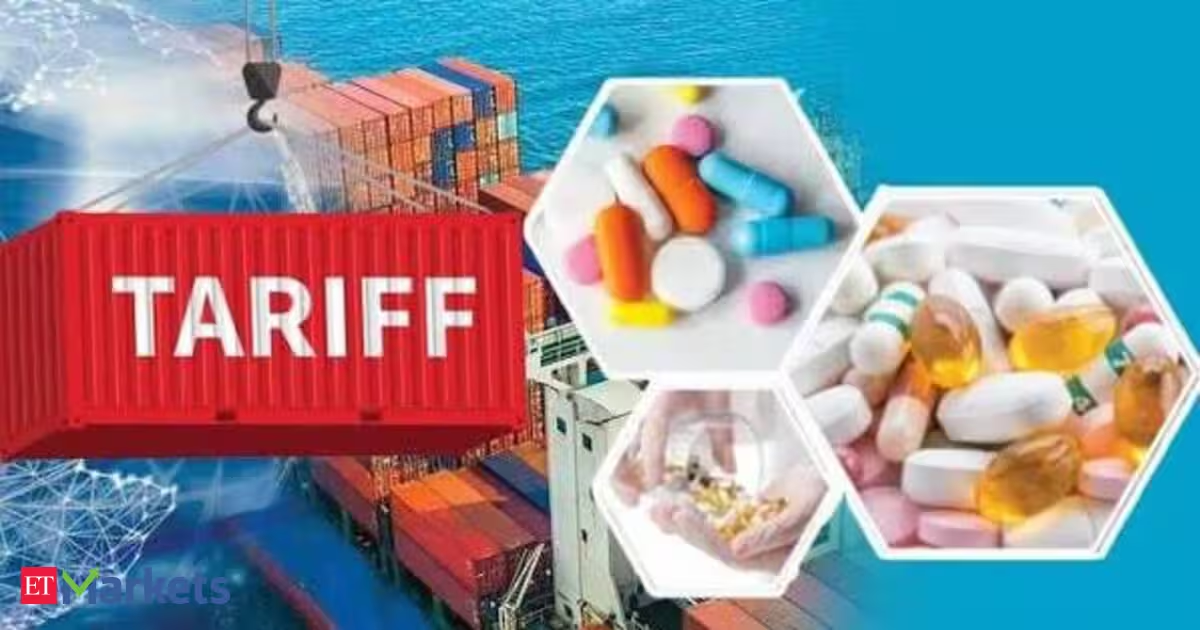
Just when it appeared that the tariff uncertainty had eased, US President Donald Trump on Tuesday announced that all generic drugs imported into the country will face a 100% tariff from August 1, 2028, followed by a steep 200% tariff from August 1, 2029.The announcement is significant as Trump's earlier pharmaceutical tariff measures were focused on branded and patented drugs, with that policy remaining unchanged. Generic medicines were not covered by the earlier measures, despite accounting for nearly 90% of prescriptions in the US.Following the announcement, pharma stocks including Sun Pharma, Cipla, Dr Reddy's, Lupin, Zydus and Alkem, among others, fell more than 2% in a knee-jerk market reaction. Experts seem less worried, here’s whyTushar Manudhane, Senior Vice President and Institutional Research Analyst, Healthcare, Motilal Oswal Financial Services, said multiple Indian pharmaceutical companies have subsidiaries in the US, creating a significant difference between the price at which products are transferred to the US market and the price at which they are eventually sold there. He said the proposed tariff is presumably likely to be applied to the price at which the products enter the US market.Also read: Trump announces new generic drugs tariff plan: No tariffs for 2 years, then 100%, and then 200%He also noted that around 90% of generic prescriptions in the US are imported, meaning the proposed tariffs, if implemented, would effectively increase costs for all companies supplying the US market and would not be specific to India. Manudhane said the rationale for outsourcing pharmaceutical manufacturing to countries such as India is based on manufacturing costs being 40-60% lower than in the US.According to him, even after the proposed tariffs, India's cost advantage in manufacturing would remain. He added that setting up a manufacturing plant in the US would itself take at least two years, followed by plant inspections and a product approval process that could take another 12-15 months. This would further delay the impact of any potential competition from local manufacturing.He therefore expects the proposed tariffs to have a minimal impact on Indian pharmaceutical companies supplying medicines to the US market.Param Desai, Research Analyst at PL Capital, said the announcement of the proposed tariffs was largely unexpected and there remains considerable ambiguity over how they will be implemented. Desai noted that several generic pharmaceutical companies already have manufacturing facilities in the US, which could partly mitigate the impact of the proposed tariffs. However, he said a two-year window appears too short to relocate the entire generic pharmaceutical value chain to the US. He also pointed out that US President Donald Trump's term ends in January 2029, while the major tariff impact begins in August 2028, making the eventual implementation uncertain if there is a change in administration.How are Indian pharma companies positioned?Aurobindo Pharma has a substantial local manufacturing presence in the US. Dr. Reddy's, Lupin, Cipla and Zydus Lifesciences have some manufacturing footprint, while Alkem Laboratories and Torrent Pharmaceuticals are largely dependent on Indian manufacturing facilities and have limited exposure to US generics in terms of cash flow generation.Biocon relies on manufacturing facilities in India and Malaysia for its biosimilar and generic products. Senores Pharmaceuticals has a local manufacturing presence catering to the US generics market.What did Trump say?Trump said the phased tariff structure is intended to encourage companies to set up manufacturing plants and related infrastructure in the US during the transition period. Companies that do not localise production would eventually face punitive import duties, in line with the administration's broader "America First" manufacturing agenda.The announcement comes as the Trump administration continues to push for changes in the pharmaceutical supply chain and reduce dependence on overseas manufacturing. It also complements the administration's most-favoured-nation drug pricing policy, which aims to bring US medicine prices closer to those in other developed economies. The policy covering patented and innovative medicines remains unchanged.Read more:100% tariff threat over Russian oil could roil India-US ties(Disclaimer: Recommendations, suggestions, views and opinions given by the experts are their own. These do not represent the views of The Economic Times)
Explained: What Donald Trump's up to 200% pharma tariffs mean for Indian investors
Donald Trump's announcement of tariffs of up to 200% on pharmaceutical imports triggered a selloff in Indian pharma stocks. However, analysts believe the long-term impact could be limited, citing India's manufacturing cost advantage, US-based production facilities of several drugmakers and uncertainty over how and when the tariffs will be implemented.
667 words~3 min read