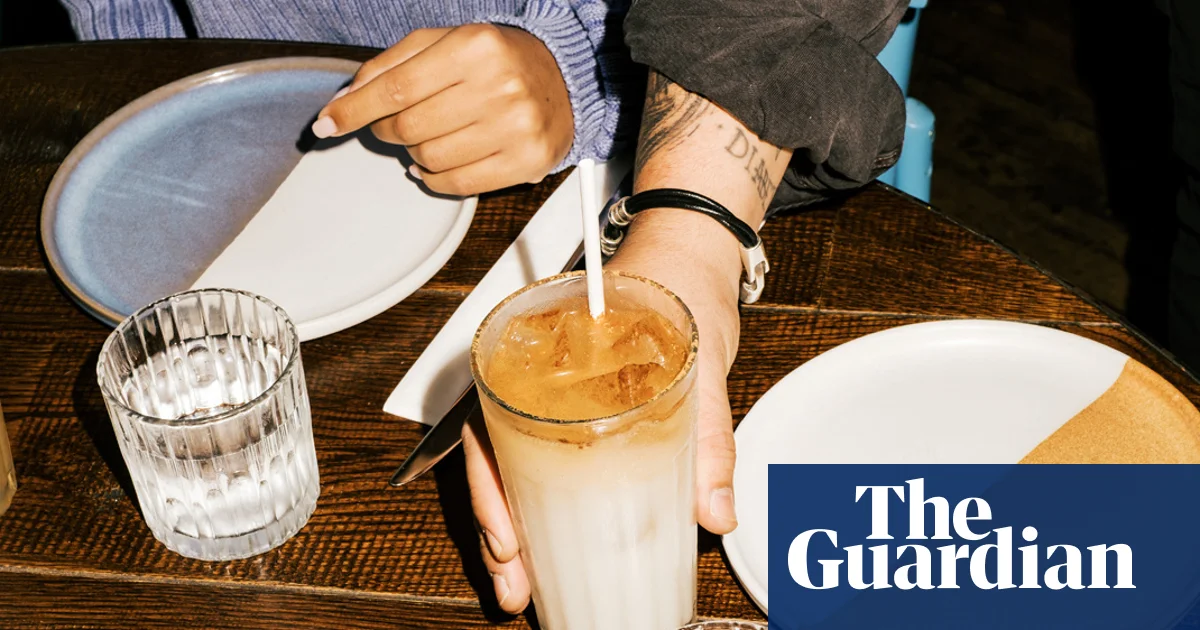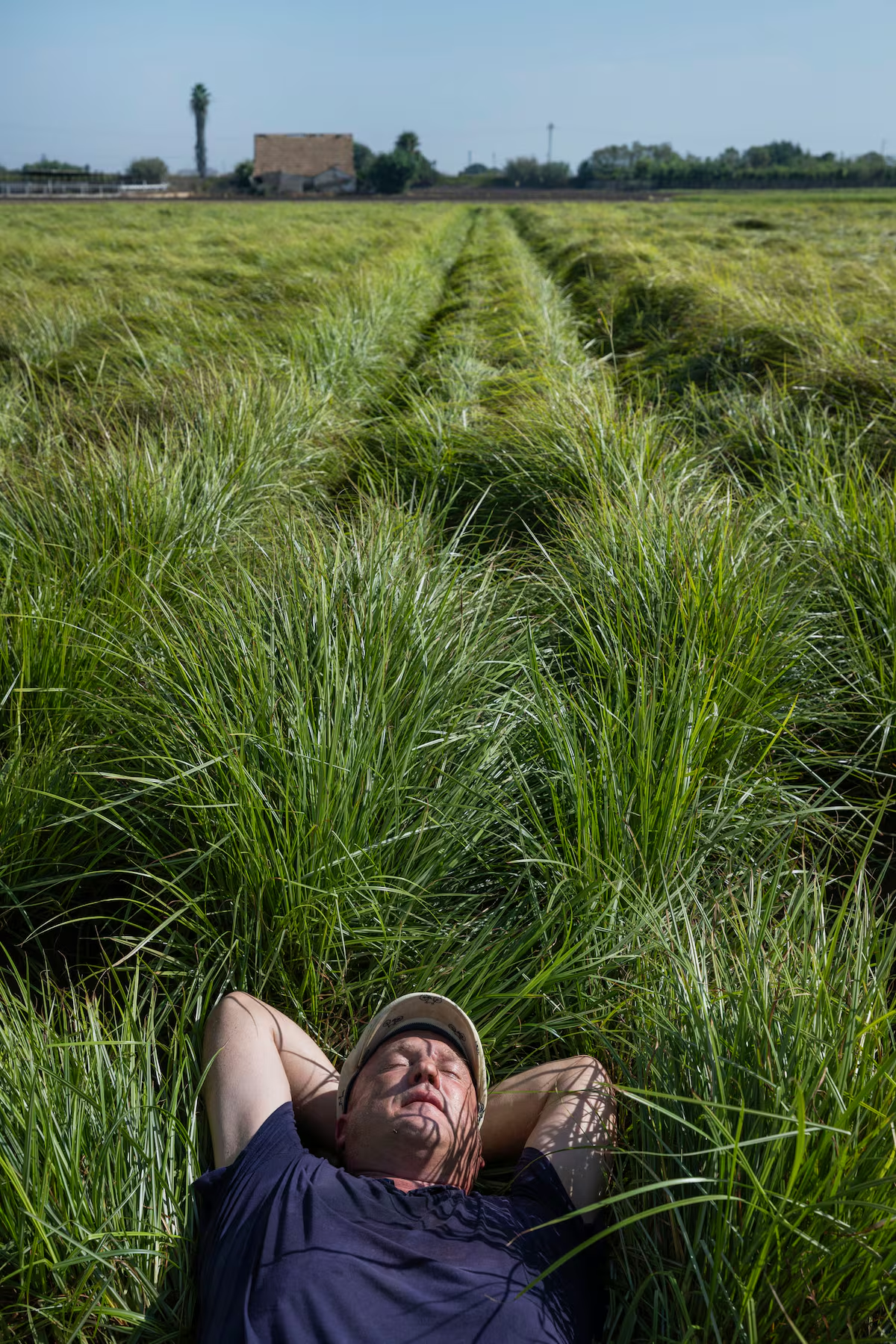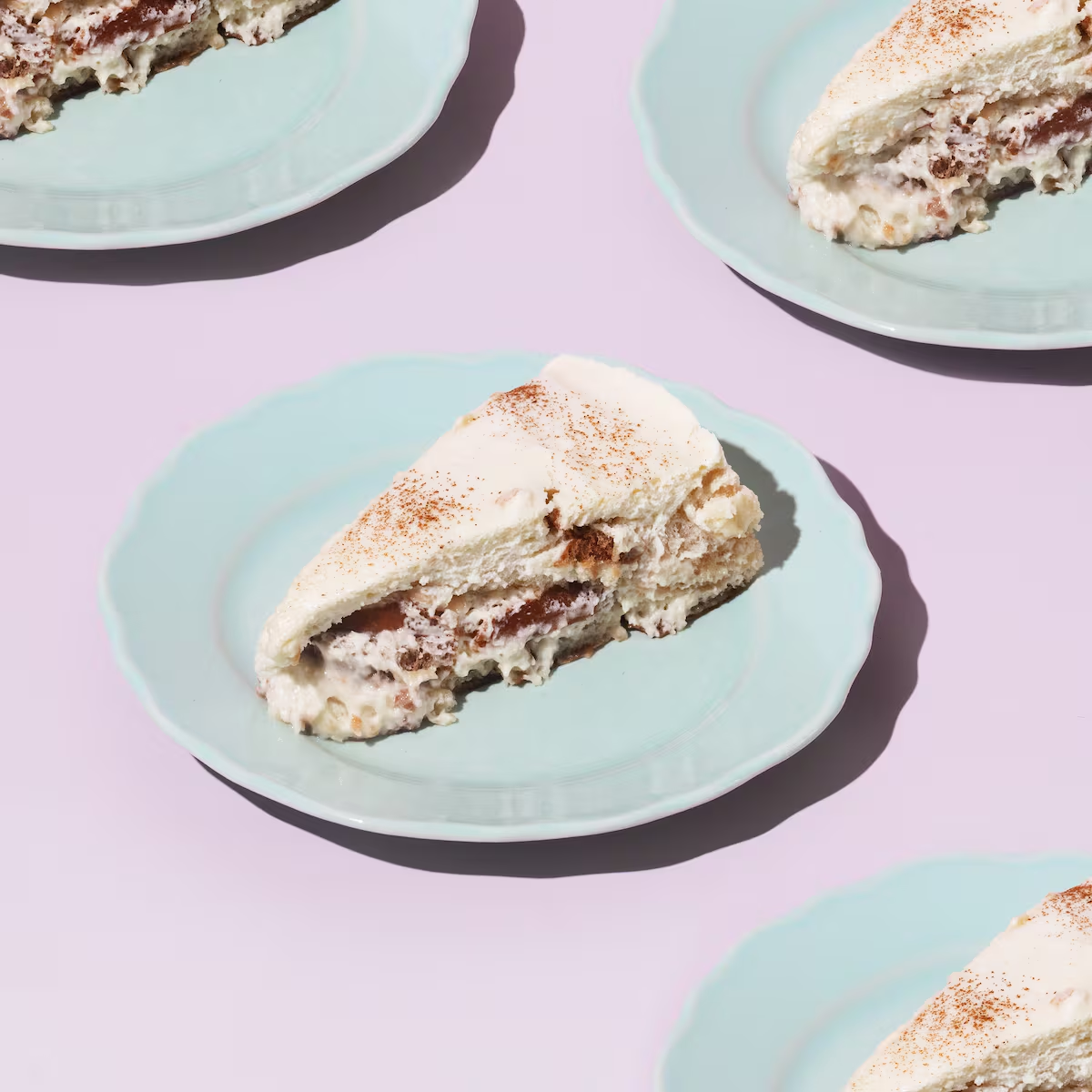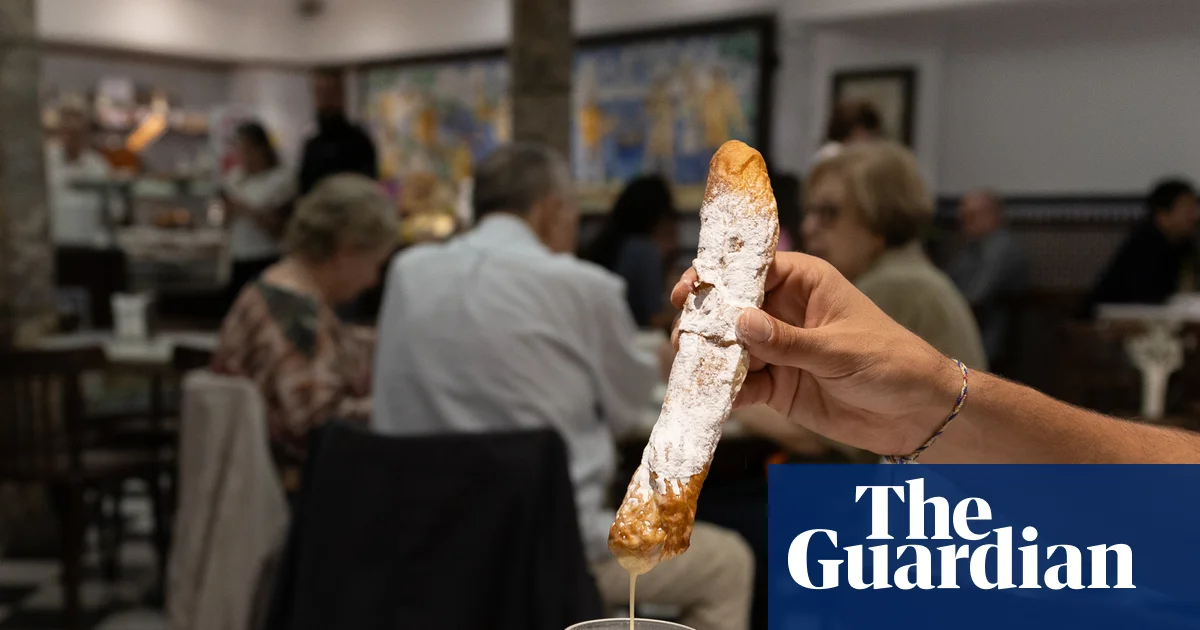
It was a glimpse of an old couple sharing a tender moment in the bustling horchatería that drew me into one of Valencia’s most storied culinary traditions. As he sipped his milky horchata de chufa and a white crescent moon appeared on his coiffed moustache, they shared a soft laugh and she dabbed it away from his upper lip.“There’s no fixed time to drink horchata,” the lady said. “As long we have at least one every day.”In Valencia, this refreshing, creamy, non-alcoholic drink is so beloved it is nicknamed “white gold”, and grand parlours dedicated to making it are still going strong in the city’s most sought-after locations. These often historic, traditional places are called horchaterías (or orxaterias in Valencian) and there are dozens dotted around the region.Production is authorised in 16 towns in the Valencia region, with the quaint town of Alboraya (Alboraia in Valencian), about 45 minutes’ walk from Valencia old town, acknowledged as its birthplace and global capital. Here, buried in the low-lying, fertile fields around the town, you’ll find the drink’s principal ingredient: the chufa.Chufas, known as tiger nuts in English, have been cultivated in Valencia for more than 1,000 years. They look like wooden raisins but taste nutty and slightly sweet when eaten raw. Tiger nuts are not actually nuts, but tubers of a grass-like plant from the sedge family. Valencia’s agricultural zone north of the city produces 5.3m to 8m kilograms of dried tiger nuts a year. Most of the harvesting takes place in spring to ensure ample supply for the balmy summer months.‘The horchata is darker, creamier and richer than most’ … a table at Horchatería De Santa Catalina in Valencia. To turn the wrinkly tubers into horchata, chufas are cleaned, soaked and crushed, then mixed with water. Nowadays, cinnamon, lemon or orange zest and sugar are added to boost the flavour.Alboraya is also the birthplace of horchata’s companion: the farton, a long, cigar-shaped pastry glazed with sugar, created in the 1960s by the Polo family to dip in and mop up every last drop of horchata from the bottom of the glass. Some stay loyal to its humble predecessor, rosquilletas (breadsticks), which are less absorbent but an intriguingly salty, anise-flavoured counterpart to horchata’s sweetness nonetheless.Leaving Alboraya with a bellyful of the indulgent combination, I weighed the task of finding the perfect horchatería. It felt wrong to split up horchata from its farton, so I would consider both. Horchaterías tend to offer three versions of horchata: líquida (liquid), granizada (semi-frozen slush) or mixta (a blend of liquid and slush). It would be the traditional classic líquida for me.In Valencia, there are hundreds of places serving horchata and fartons, but I wanted tradition and old-world charm – places that exist only to make horchata, not as an afterthought to spiced lattes or ice-cream. After sifting out the cafes, coffeehouses and ice-cream parlours, a handwritten list on a single sheet of A4 remained.Horchatería FabiánIt’s early evening in the old town, and the narrow shopping alley leading to my first stop, family-run Horchatería Fabián, is filled with tourists and an after-work crowd. Past bustling taverns and restaurant terraces, I glimpse its entrance and the date it was founded: 1975. Sounds promising, but something is missing. Where are the customers?Although the place is empty, the staff are distracted and cold. The horchata they unwillingly produce is over-sweet, almost artificial tasting, and the farton is parched and crumbles on to the plate. Horchata seeps into its pores nicely when I dip it into the glass, but the overriding sensation is a numbing sweetness.I slink out of the unwelcoming room, back on to the busy street and into a local tavern, fearing my high expectations for this jaunt are misplaced. Horchata €3, 4/10
In search of Valencia’s ‘white gold’: my hunt for the perfect horchatería
Horchata, the revered creamy drink made from tiger nuts, is still served in grand Valencian parlours – always accompanied by sugar-glazed pastries
1,404 words~6 min read