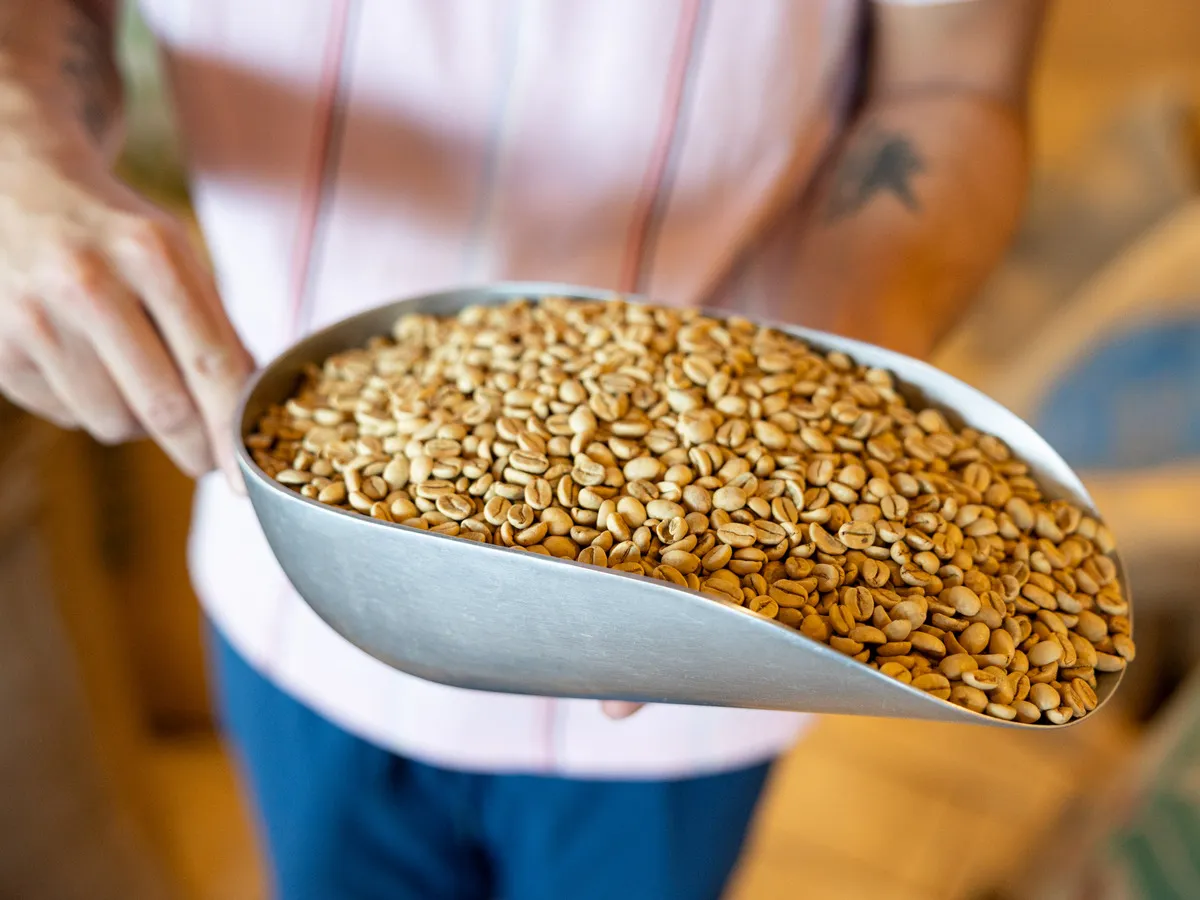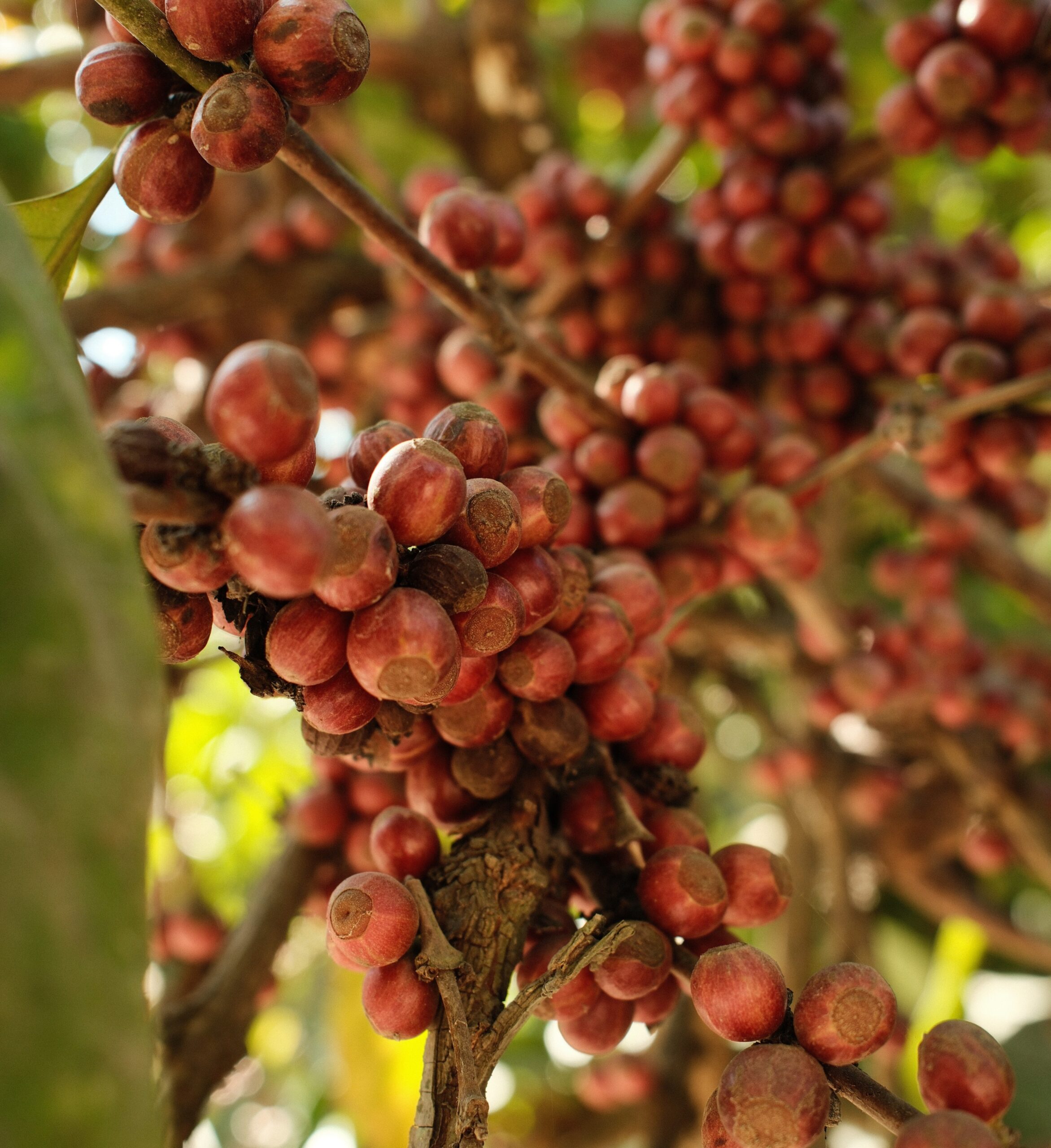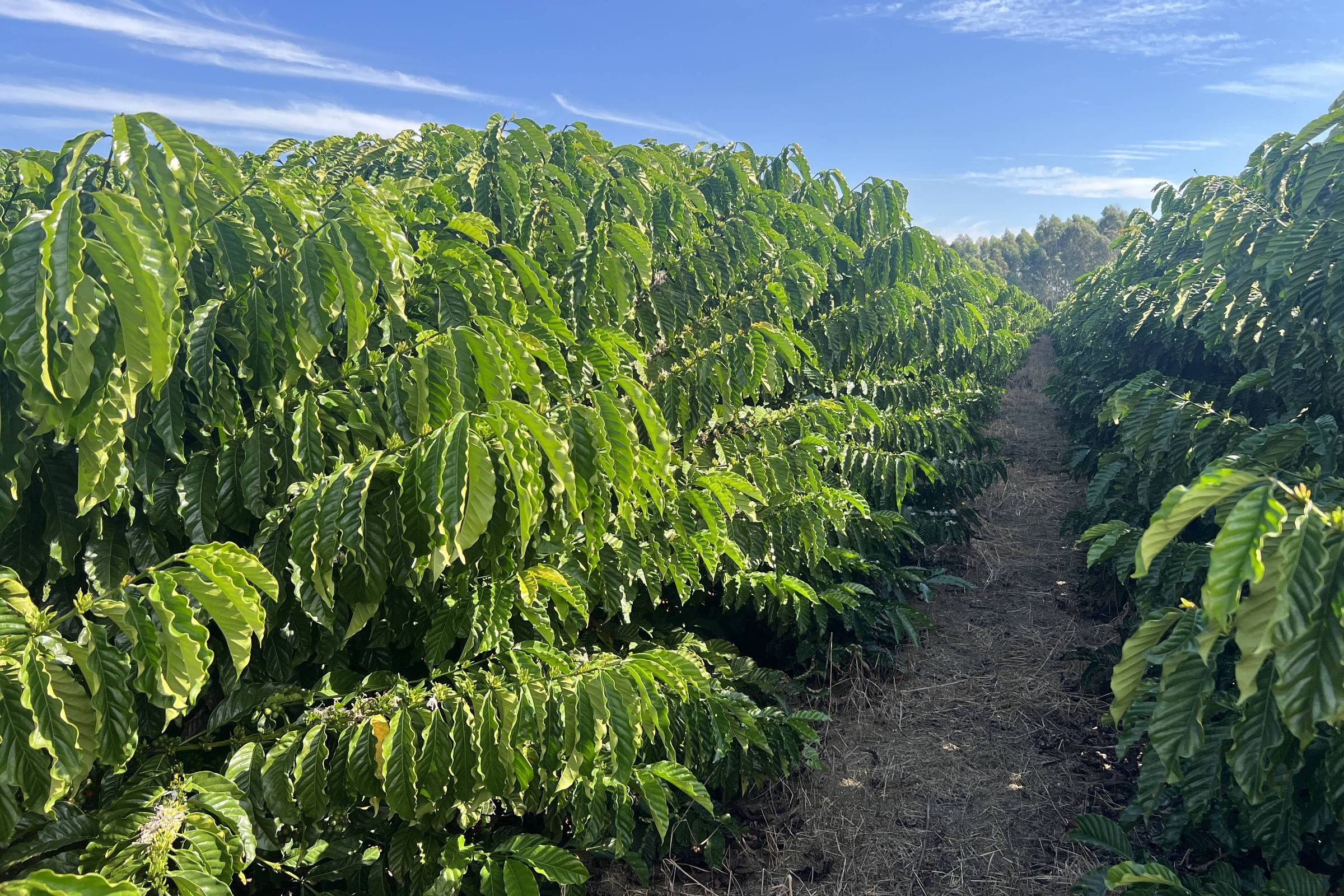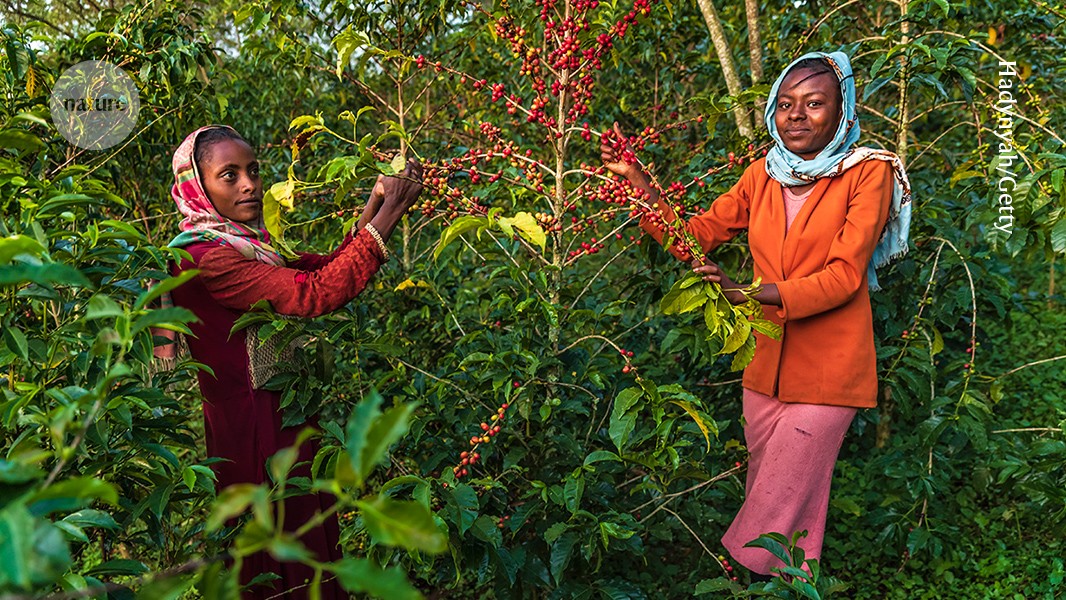
No morning ritual is safe from climate alarm. The journal Nature recently declared that coffee is “critically threatened by climate change” and described scientists racing to save your espresso from “extinction”. The New York Times blames sky-high coffee prices on climate-driven supply crunches in Brazil and Vietnam. And your olive oil? CNN and Bloomberg wail about a seemingly permanent “crisis”, with Mediterranean droughts foretelling a future in which an everyday staple vanishes for good.The message is unmistakable: global warming is coming for your family’s dinner table and only sweeping climate policy can save it. The message is also wrong. Cut through the hype and food is not only more plentiful, but its inflation-adjusted cost is near historic lows relative to any time since 1900.Start with coffee, supposedly on its deathbed. This year, global coffee production is expected to set yet another record — more than double the world’s output of 50 years ago. Crops on the brink of extinction don’t deliver record harvests. Despite recent price bumps the real price of coffee has trended downward since 1960. Adjusted for inflation, coffee this century has cost on average half of what it cost in the last century.How do outlets like the New York Times get it so wrong? By inexcusably ignoring inflation — comparing coffee prices from the 1970s, expressed in the dollars of that day, with prices expressed in today’s dollars. By that standard, everything is at a record high, always.Even Nature‘s own reporting on coffee undercuts its ominous headline, detailing “how scientists are fighting to save it from extinction.” Ethiopia keeps more than 12,000 arabica plants in living gene banks for breeding heat- and drought-tolerant varieties. The supposed olive oil crisis collapses under the same scrutiny. According to UN food statistics, global olive-oil production has tripled since 1961 and doubled since 1990. Last year and this year, together with the exceptional 2018 harvest, mark record highs for production of olive oil. Meanwhile, inflation-adjusted prices have not increased and have even slightly declined since 1990. Again, better farming and expanded cultivation outweigh any climate effect.Food scare stories follow a formula: take an isolated weather event, attribute it to global warming, skip inflation adjustment and ignore the long-term data. Natural year-to-year swings driven by economics, trade policy and subsidies get repackaged as apocalyptic trends. Rarely mentioned is that much of the real price pressure on food comes from fertiliser and transport costs — inflated, ironically, by climate policies that raise fossil fuel energy bills for the essentials of farming.Natural year-to-year swings driven by economics, trade policy and subsidies get repackaged as apocalyptic trends. Never mentioned are the ways climate change helps crops. Carbon dioxide is plant food, which is why commercial growers pump extra CO₂ into greenhouses to produce more tomatoes. Nasa satellites show that the planet has been greening for four decades, meaning the world has added additional leaves with an area equivalent to that of at least two Amazon rainforests.Climate change will, on balance, hurt agriculture. But its impact is dwarfed by rising productivity. One highly cited study in Nature finds that without any climate change, global food calorie production will increase by 51% in 2010-50. With extreme, unrealistic warming it still increases by 49%. Across all models and scenarios, the difference in calories available per person amounts to one tenth of 1%.That is because humanity keeps getting better at growing food. Cereal production has more than quintupled over the past century, while real food prices have more than halved. The task now is to finish the job. Innovation should extend to under-researched crops such as sorghum, cassava and millet — staples for 2-billion people in the developing world that have been largely ignored by commercial breeders.Investment in biotech, precision agriculture and drought-resistant crop varieties will do far more for the world’s poor — and for your grocery bill — than any emissions target.• Lomborg is president of the Copenhagen Consensus Centre and visiting fellow at Stanford University’s Hoover Institution.
BJORN LOMBORG | Climate change isn’t taking food off your table
Adaptation and innovation in agriculture outpace threats from global warming
661 words~3 min read