Arabica and Robusta, which dominate global coffee production, are increasingly vulnerable to climate change, including heat stress, erratic rainfall and pest pressures.Lesser-known species such as Excelsa are gaining attention for their resilience and adaptability.Growers and researchers, including those at the Royal Botanic Gardens, Kew, are studying underutilised coffee species to diversify crops and build resilience to climate change.
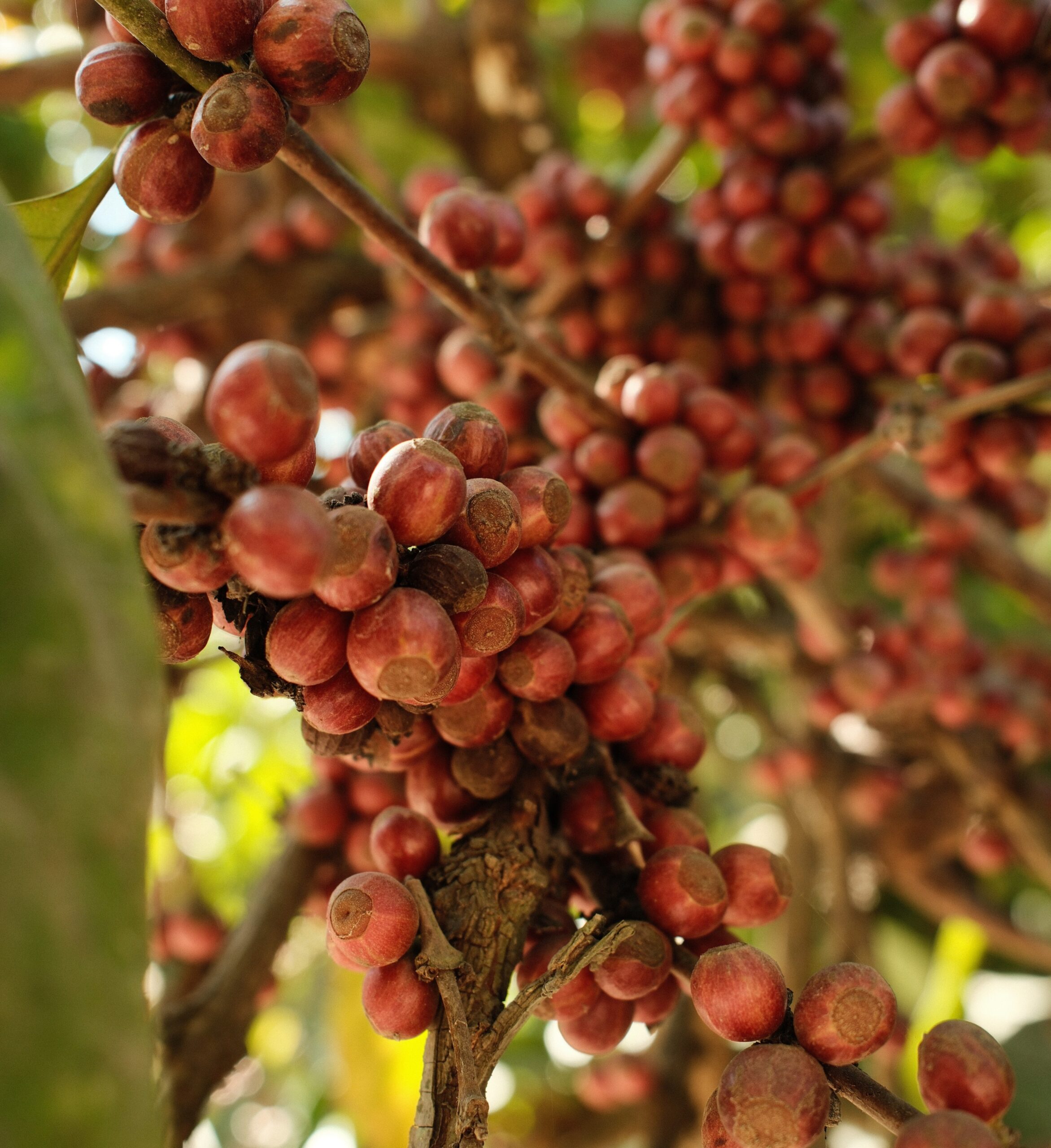
Blending coffee and music comes naturally to Carnatic musician and coffee roaster Akshay Vaidyanathan. In 2019, he founded Kapikottai, a coffee brand he describes as a fun entrepreneurial experiment. A year later, he launched a new specialty coffee roast using Excelsa coffee beans, a less popular species of coffee.
While he introduced it as a small, experimental batch, Vaidyanathan says, “It’s been an institution since then, and sells out fast. A lot of people don’t realise it is another species. They feel it’s just good coffee.”
That distinction may soon matter more than ever.
Both Arabica and Robusta, the two species that dominate global coffee production, face mounting stress from rising temperatures and shifting rainfall patterns. Temperatures above 30°C reduce yields, affect bean quality and increase plant stress, particularly for Arabica coffee, which is more heat-sensitive than Robusta. India grows both varieties, though primarily Robusta, largely across the Western Ghats.