Story audio is generated using AI
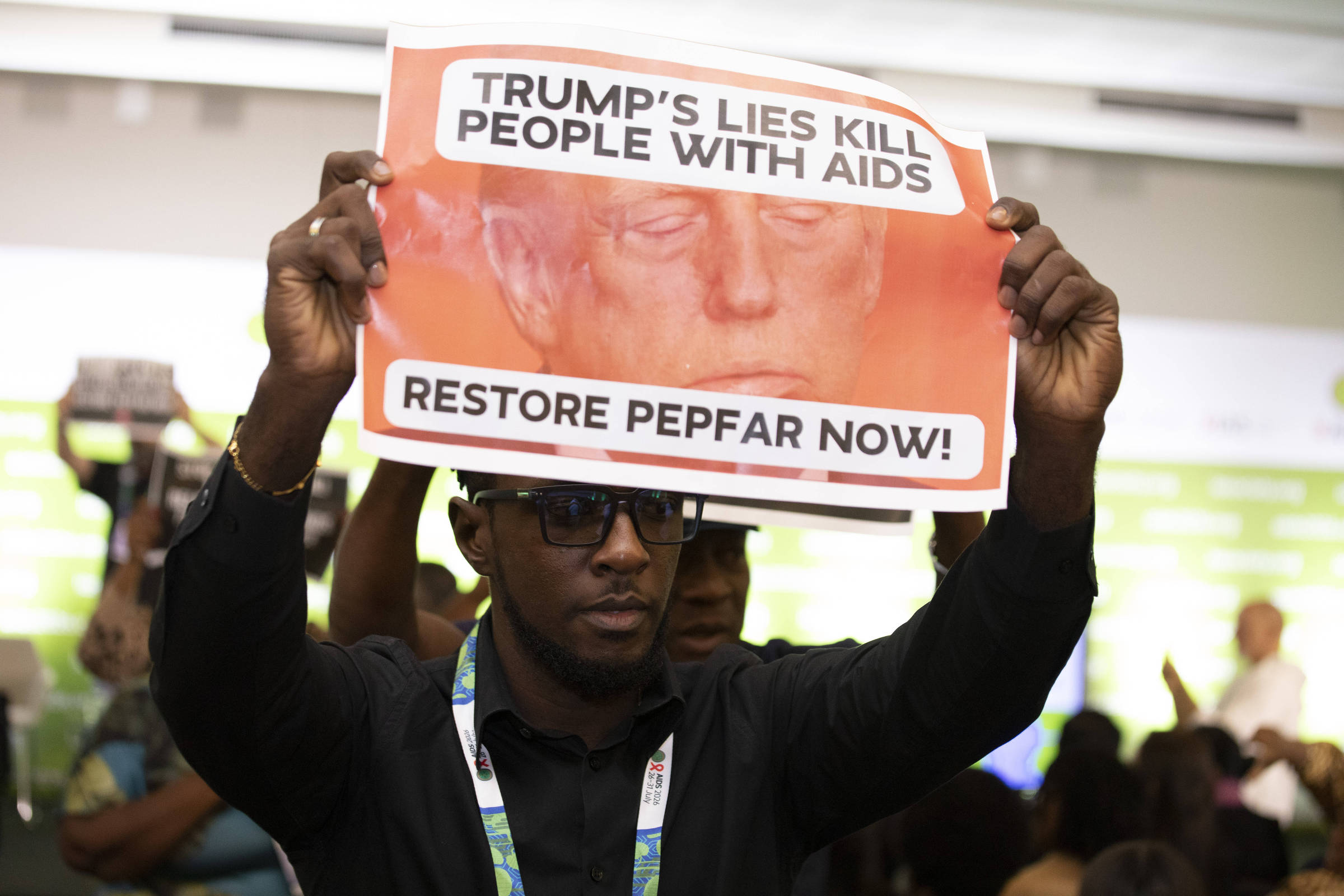
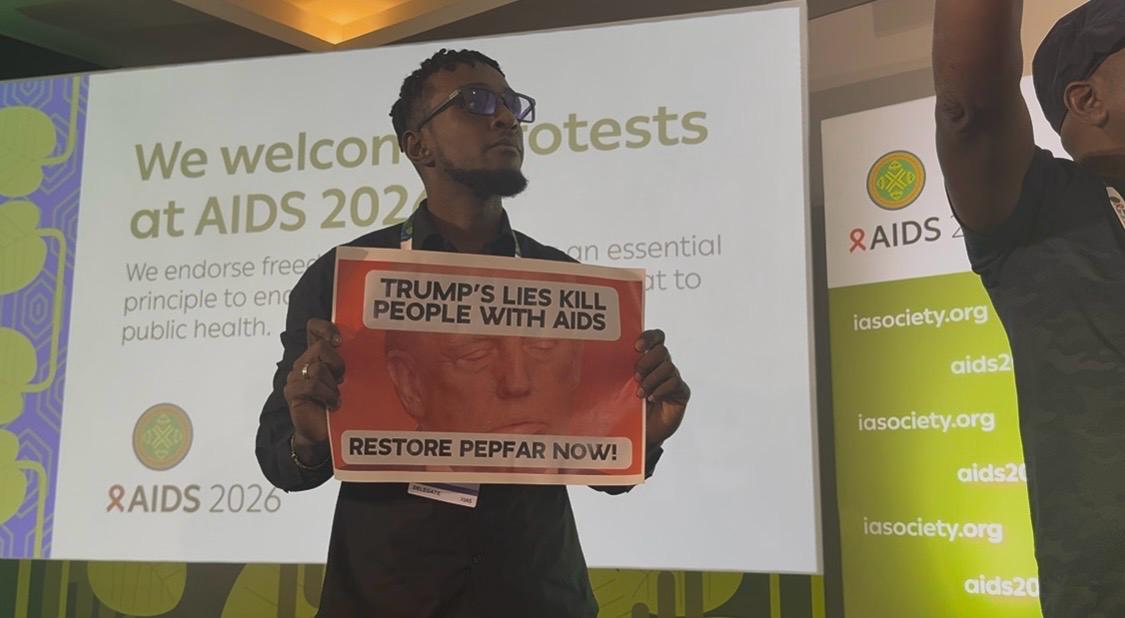
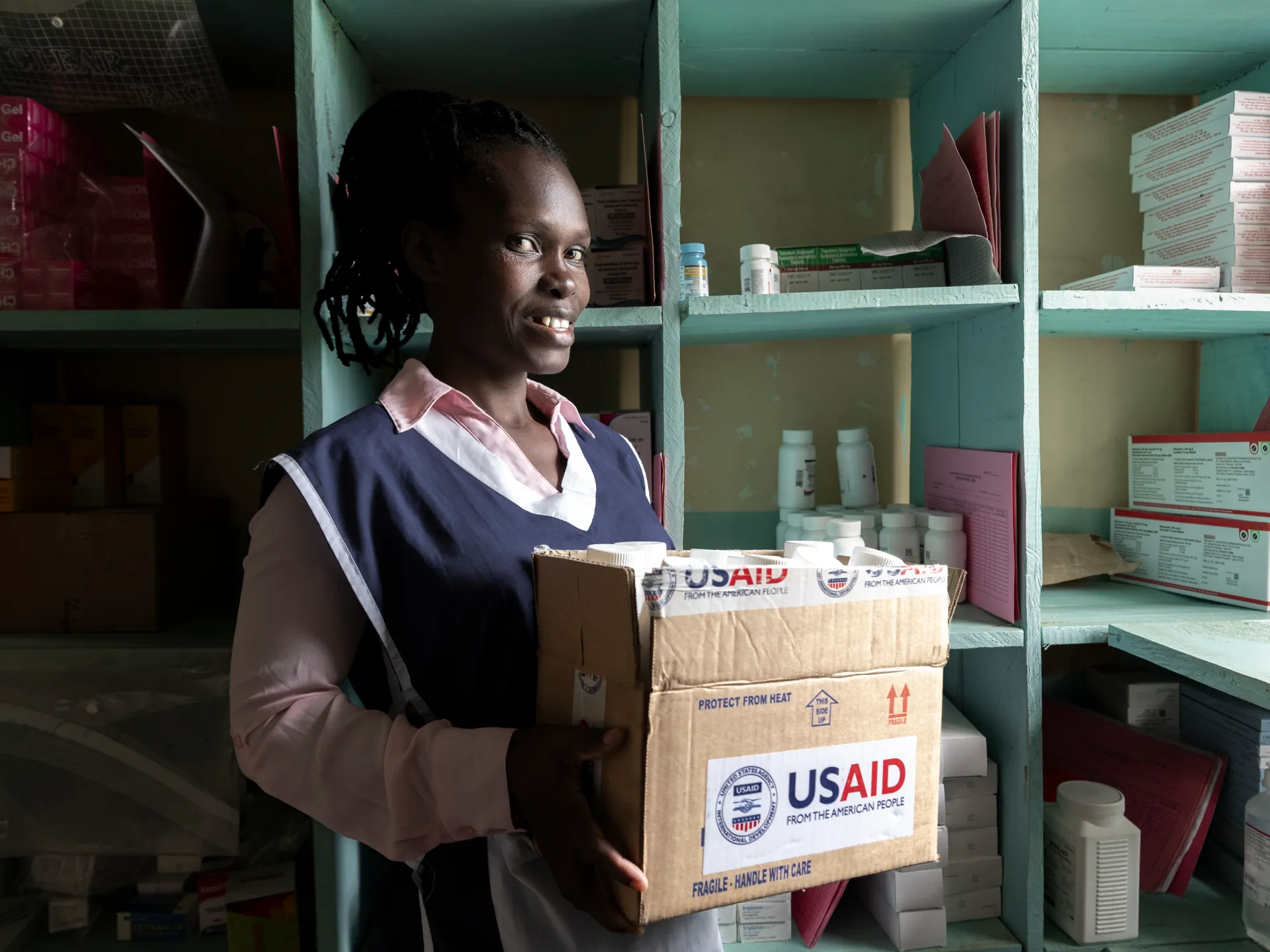
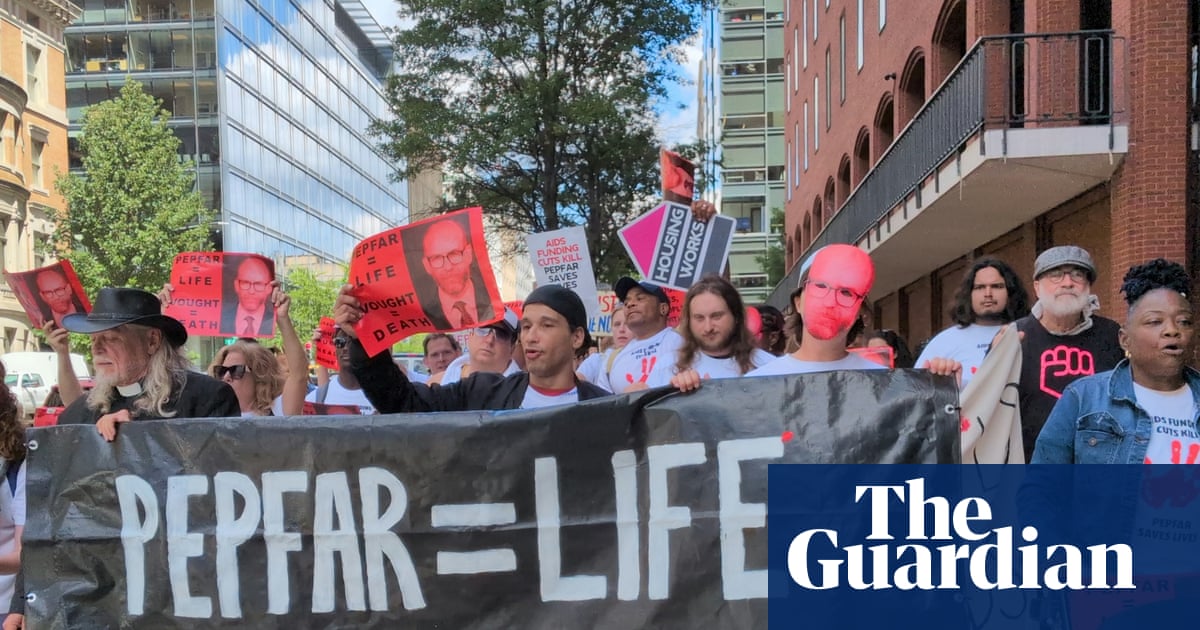
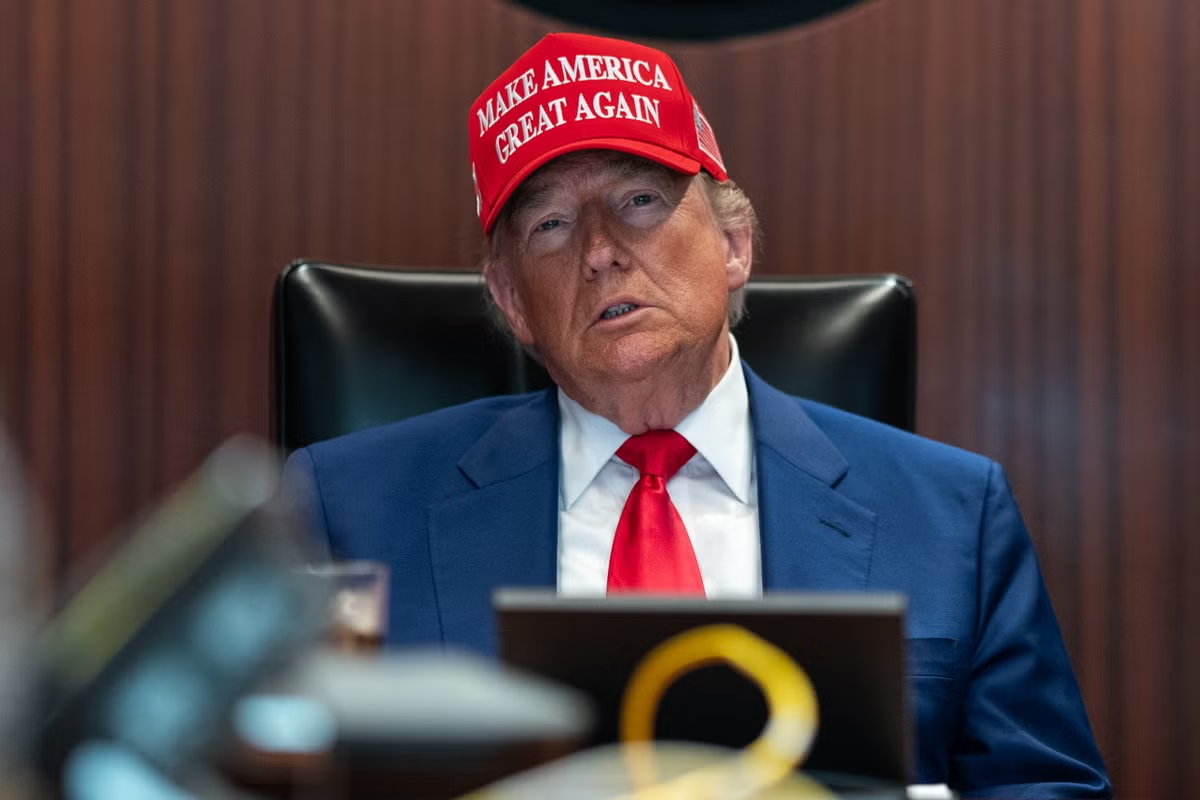
Health activists disrupted an address by US Global AIDS co-ordinator Jeff Graham at the 26th International AIDS Conference in Rio de Janeiro on Sunday in protest of the Trump administration’s cuts to foreign aid. ‘You lie, people die, restore our Pepfar now,” chanted the activists, referring to the abrupt changes instituted last year to the US President’s Plan for Emergency Aids Relief (Pepfar). New research released ahead of the conference shows that Pepfar cuts and policy changes resulted in fewer children receiving HIV treatment at sites supported by the US and that more than 1,700 sites providing HIV services had closed in the past year. “The US government must be held accountable for the ongoing, global public health emergency they are causing,” said Treatment Action Campaign general secretary Anele Yawa.“No matter what the US says in conference halls, we must believe the people served by Pepfar, believe the data and demand the US reverse course,” he said. Graham sought to assure delegates that the Trump administration’s America First Global Health Strategy was a carefully considered plan to ensure US taxpayers’ money was used more effectively while encouraging recipient countries to shoulder greater responsibility for the health needs of their own populations. The plan was announced last September and shifts most US funding for global health into direct agreements between the US and other governments through bilateral memoranda of understanding (MOUs).Previously, only 40c of every dollar set aside for health aid was spent on frontline healthcare workers or commodities, with the remainder going to overheads, technical assistance and programme management, said Graham.“That is just too much money. It’s an imbalance in structure and we can’t continue this,” he said at a meeting ahead of the official conference programme, which begins on Monday. Graham pushed back against criticism of the way the US has negotiated the MOUs, saying no government had been coerced into signing non-health agreements in order to receive funding. The agreements were solely health-related and all the US government sought was for recipient governments to make co-investments, he said.Kenya, which was the first country to sign an MOU with the US in December, plans to invest $850m alongside the US donation of $1.53bn over the five years to 2030. Health activists have consistently drawn attention to the secrecy surrounding the bilateral agreements, which, unlike Pepfar country operating plan programmes, are not public. MOUs have been stalled or stopped in several countries that have resisted non-health demands from the US, such as access to mineral wealth, they said. These countries include Ghana, Zimbabwe, South Africa and Zambia, which are collectively home to one third of the world’s people living with HIV.“These are coercive bilateral deals that expel people with HIV from the negotiating table to extract mineral wealth (and) data,” said Health Gap executive director Asia Russell. Kahn’s travel to the 26th International Aids Conference was sponsored by the International Aids Society