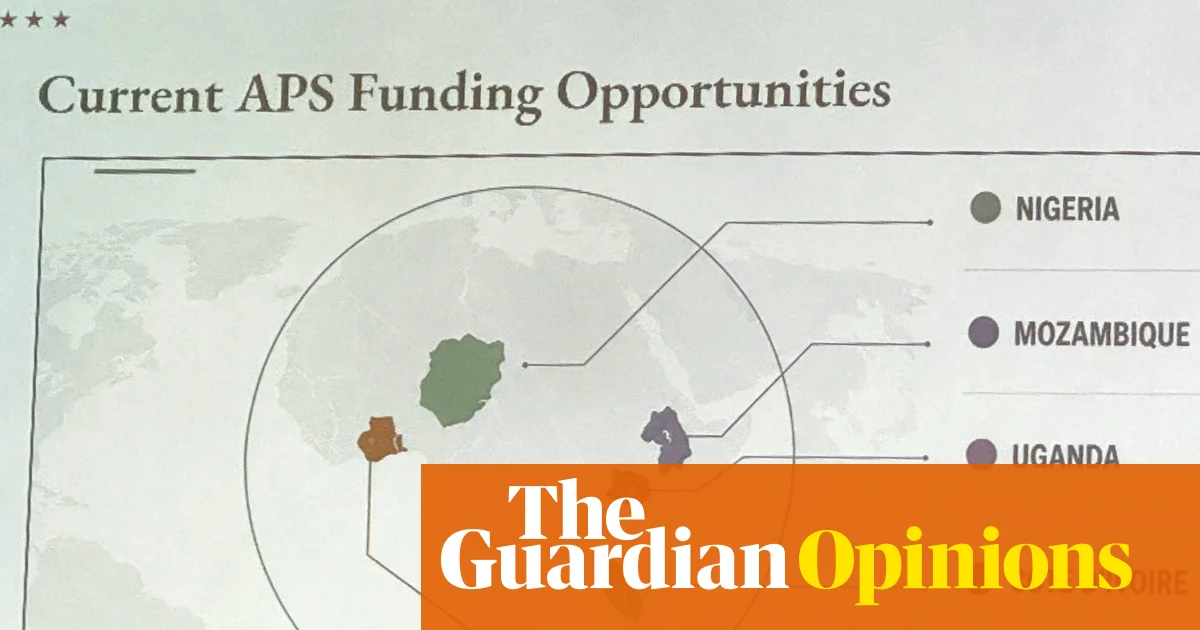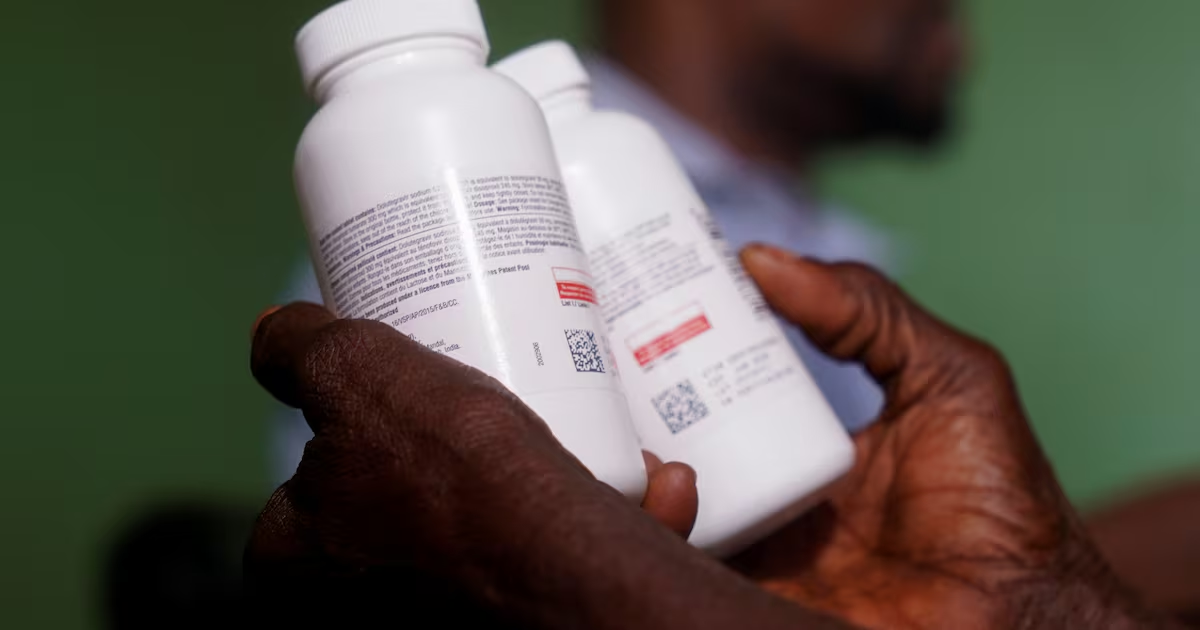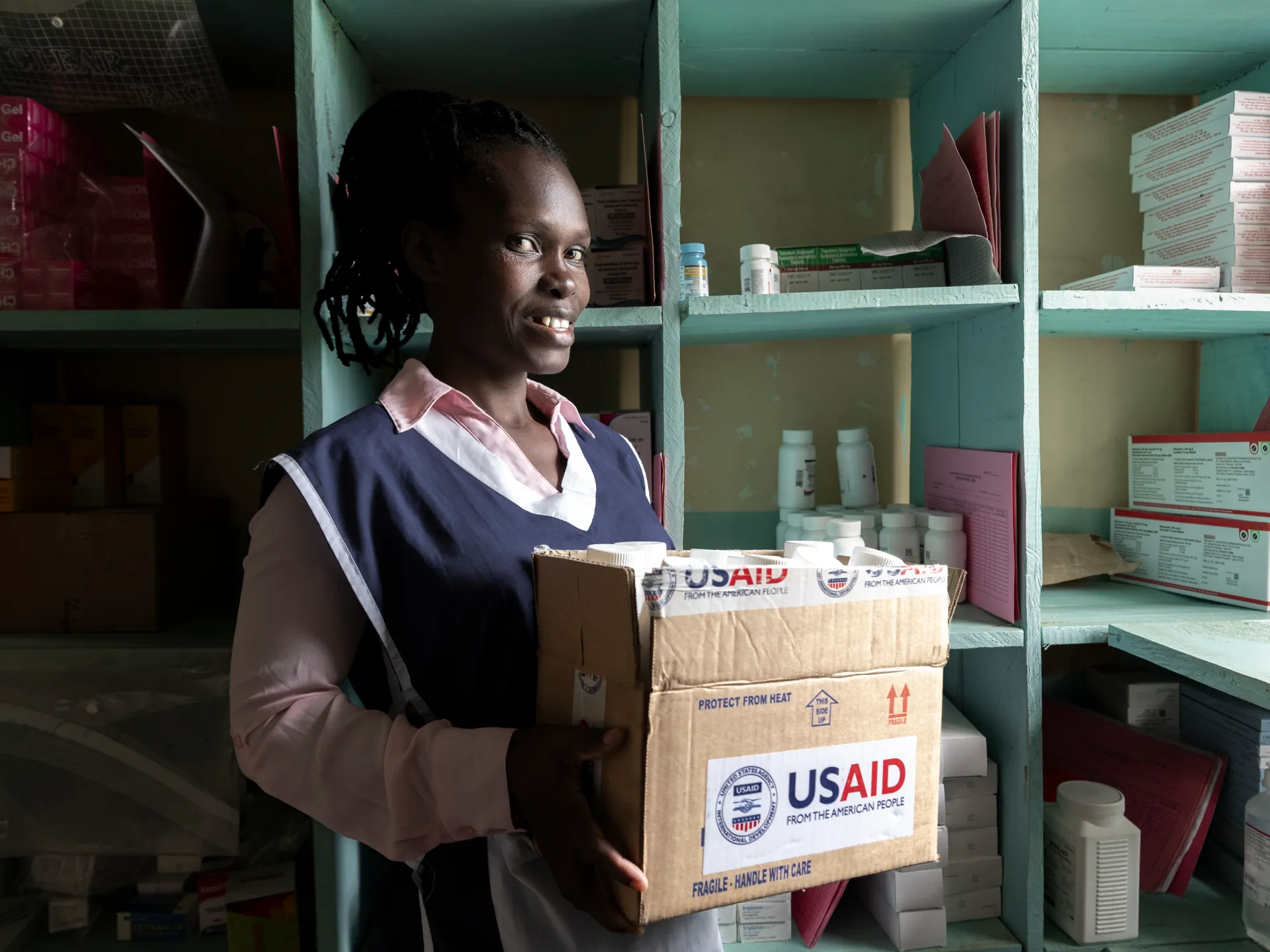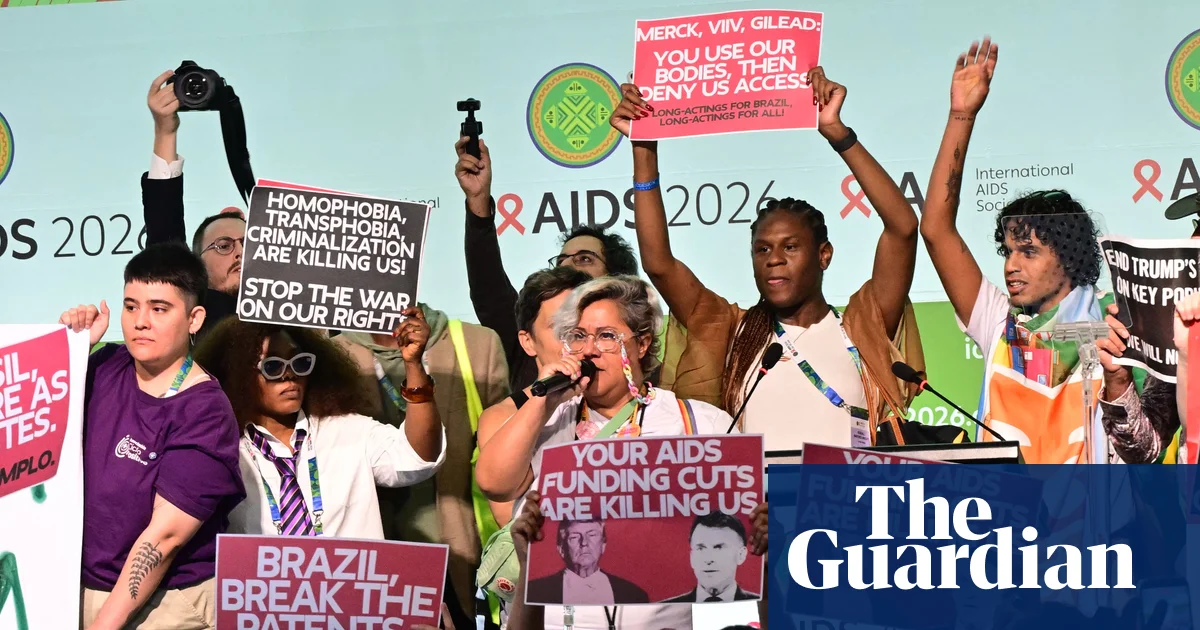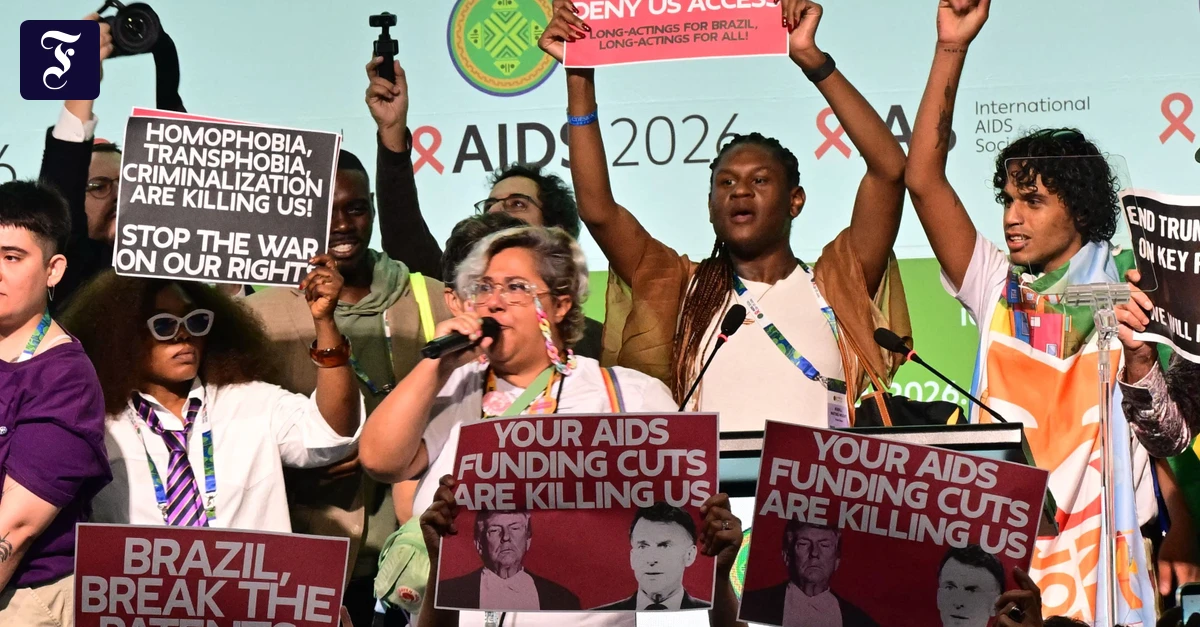
The inaccurate map of Africa that US officials presented to the 26th International Aids conference in Rio de Janeiro last week rightly drew scorn from incredulous delegates. It immediately undermined the glimmer of goodwill generated by the Trump administration’s surprise decision to host a session and field questions about its evisceration of the US President’s Plan for Emergency Aids Relief (Pepfar). But displaying a powerpoint slide with Mozambique dumped in the Horn of Africa and moving Ivory Coast from West Africa to East Africa is hardly the US government’s biggest mistake.Far more serious is the damage wrought by its decision to abruptly freeze foreign aid and terminate Pepfar grants. Donor aid for HIV/Aids plunged 25% last year, largely driven by the US cuts, analysis presented at the conference by the Kaiser Family Foundation and the joint UN programme on HIV/Aids (UNAids) shows.US disbursements for HIV fell from $6.7bn in 2024 to just $4.6bn in 2025, a 20-year low. Since the collective contribution from other nations flatlined last year, governments in countries hard-hit by HIV/Aids have been scrambling to plug the gap. Many of these nations are hobbled by debt, with limited scope to bolster their health budgets. And while many philanthropic organisations have stepped in to help, the budgets of even the most well-endowed among them pale into insignificance compared with the US government’s previous commitments.If anyone doubted UNAids’ warning that the funding crisis undermines decades of hard-won progress against HIV, a series of studies presented at the conference laid bare the devastating impact of the US cuts. More than 1,700 HIV treatment sites closed in 46 Pepfar-supported countries after nongovernmental organisations ran out of money to provide services to the people at highest risk of HIV, such as sex workers, transgender people and men who have sex with men, according to analysis by the Foundation for Aids Research. A separate study found 77,000 fewer children received HIV treatment at facilities supported by Pepfar (which did not directly pay for their medicines) last year compared with 2024, jeopardising their chances of staying on the life-saving drugs. And the loss of Pepfar funding is projected to lead to 75,000 new HIV infections a year in Zimbabwe. Its government was the first country to reject a bilateral health deal over concerns that Washington was demanding biological samples and data for new disease outbreaks without guarantees that it would share future benefits such as vaccines and treatments.The cash crunch comes at a crucial moment: powerful new HIV prevention medicines are coming onto the market, with more in the pipeline. Gilead’s twice-yearly shot lenacapavir and Merck’s experimental monthly pill alimatravir are two of the newest tools giving rise to optimism.Ever since the first antiretroviral zidovudine became available more than 30 years ago, there has been tension between the hope elicited by new medicines and the desperation of patients who cannot get them. South Africa is no longer mired in the deadly Aids denialism of former president Thabo Mbeki, who eschewed antiretrovirals, but patients still face life-threatening challenges. Early indications indicate strong demand for lenacapavir in South Africa, with nine out of 10 people using pre-exposure prophylaxis for the first time requesting it. But Gilead’s high prices and limited manufacturing capacity have throttled supply to such an extent that barely 35,000 South Africans have obtained a dose, less than 1% of the estimated need. It is a stark reminder that scientific advances in HIV are only meaningful if they reach their intended target, and that ending the Aids pandemic requires not only political will but also adequate resources.Business Day
EDITORIAL | Ending the Aids pandemic requires more than science
Pepfar grant cuts come as new HIV prevention medicines arrive on the market
594 words~3 min read